Mon - Sat 7:00 am to 7:00 pm


Mon - Sat 7:00 am to 7:00 pm
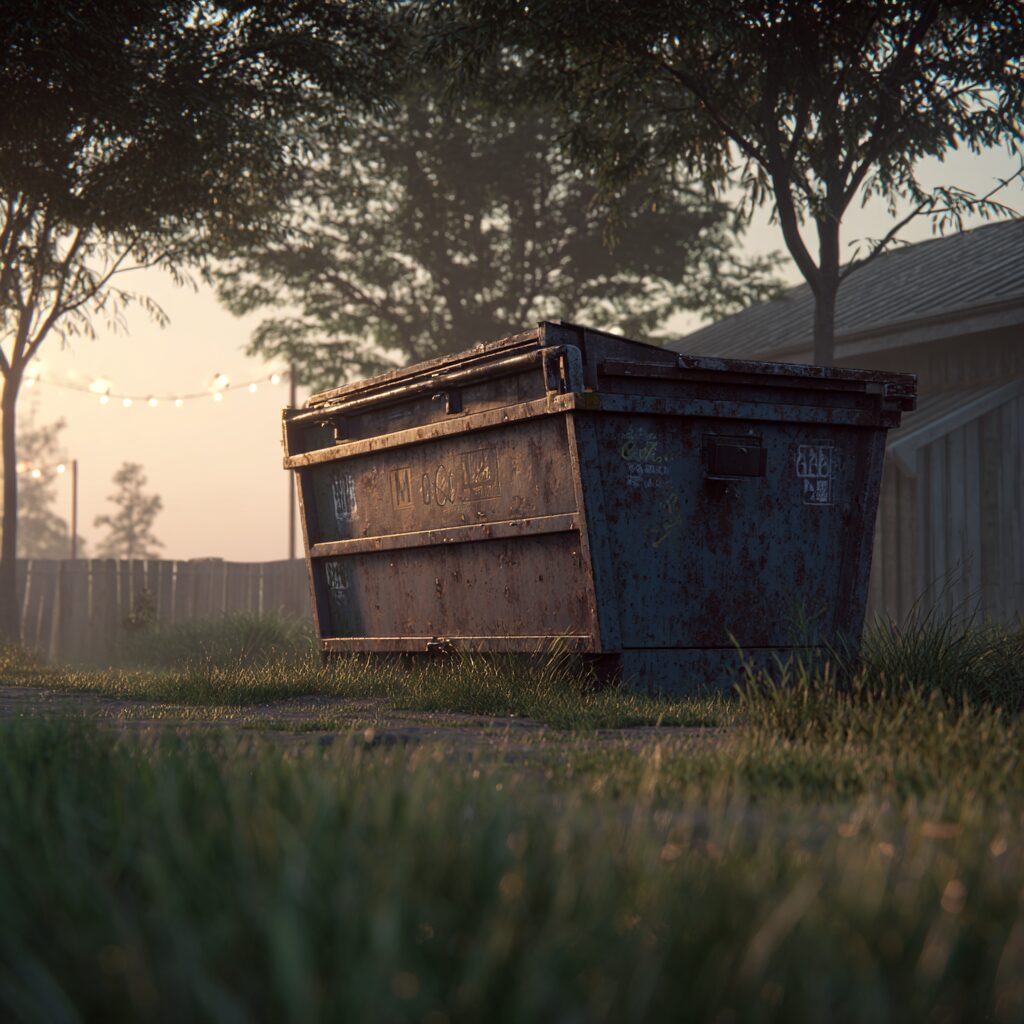
Managing waste on agricultural properties creates unique challenges that standard residential services simply can’t handle effectively. From seasonal equipment cleanouts to major facility renovations, farming operations generate debris streams requiring specialized containers and rural-experienced delivery teams who understand the demands of working land.
Whether you’re clearing storm-damaged barns, upgrading milking facilities, or managing routine property maintenance, finding reliable farming dumpster rentals near me requires understanding container sizing, weight limits, and service providers with agricultural expertise.
At Prime Dumpster, we’ve coordinated waste management for agricultural operations nationwide, from small family farms to large commercial dairy facilities and grain operations. Our comprehensive guide breaks down everything you need to know about farming dumpster rentals, including container selection, placement strategies, and cost factors that protect both your budget and your land.
We asked our Prime Dumpster Pros for their expert advice on the most common questions about farming dumpster rentals, and here’s what they had to say.
“Most barn cleanouts work perfectly with 20-30 yard containers, which handle everything from old stall mats to broken equipment without breaking your budget. I always tell farmers to think about weight first – that pile of concrete blocks from your old milking parlor will fill a 10-yard container faster than you can say ‘harvest time.'”
“Yes, in most cases, but here’s the farm-smart approach: separate your heavy metal parts into smaller containers to avoid weight overages that’ll cost you more than a new tractor tire. Most agricultural metals are actually recyclable, so ask about separating them out – it often saves money and helps the environment.”
“Our drivers are used to navigating everything from muddy farm lanes to gates barely wider than a combine harvester – we’ve delivered containers down paths that would make a city driver turn around and head home. Just give us a heads up about any low-hanging branches, soft spots after rain, or that one gate that sticks, and we’ll handle the rest.”
“Smart farmers book their big cleanouts during the shoulder seasons – late fall after harvest or early spring before planting kicks into high gear. Nobody wants a dumpster truck trying to navigate your property when you’ve got equipment moving at all hours, so timing really is everything in agriculture.”
“Pesticide containers, fuel-soaked materials, and other hazardous agricultural waste need special handling and can’t go in regular dumpsters – think of it like separating your seed corn from your feed corn. Most counties have specific disposal programs for ag chemicals, so we’ll help you identify what needs special handling and point you toward the right resources.”
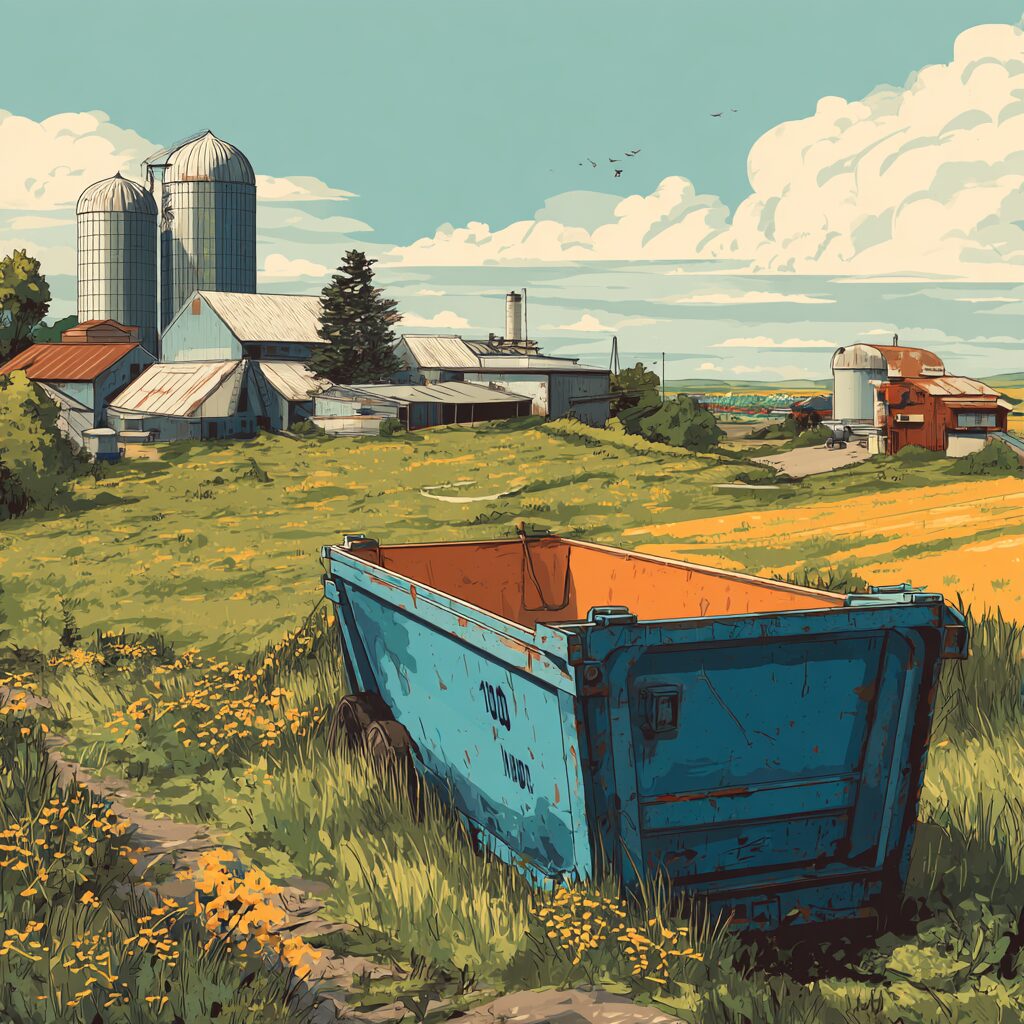
Specialized containers for rural debris go beyond basic trash removal. They’re built tough for irregular shapes and heavy loads.
| Feature | Agricultural Service | Residential Service |
| Debris Types | Equipment, organic waste, construction materials | Household trash, yard waste |
| Delivery Drivers | Farm-access trained professionals | Standard residential routes |
| Scheduling Tools | 24/7 online portal | Limited business hours |
Smart debris management keeps your operation running smoother than a new combine. It prevents regulatory headaches and protects your land’s value. Regular cleanups also mean less time spent navigating around piles of scrap metal during planting season.
Modern services work around your schedule. Need a container swapped during predawn hours? Drivers with farm experience make it happen without waking the chickens. Online tools let you adjust dates faster than a rabbit darts through rows of corn.
Picture this: Your tractor shed needs cleaning, but you’re staring at piles of broken equipment parts. Choosing the right container size works like matching livestock to pasture – too small causes overcrowding, too big wastes resources. Let’s explore your options.
A 10-yard dumpster (15’L x 8’W) handles 4 pickup loads of dense materials. It’s your go-to for concrete chunks from equipment pads or asphalt scraps from driveway repairs. Perfect for small barn touch-ups.
Need to clear old fencing or storage areas? The 15-yard model (10’L x 8’W) swallows 6 truckloads. Its mid-size design fits tight spaces while tackling medium cleanouts.
Stretching 22 feet long, the 20-yard dumpster manages about 8 pickup loads. Farmers love it for land-clearing debris or renovating milking parlors. Handles mixed materials without breaking a sweat.
Upgrading dairy facilities? The 30-yard beast (22’L x 5’H) devours 14 truckloads. It’s ideal for major equipment disposal or tearing down weathered outbuildings.
Building new barns requires serious muscle. Our 40 yard dumpster holds 16 pickup loads – enough for silo construction waste or whole-facility overhauls. Think of it as your personal debris stadium.
Ever tried stuffing a hay bale into a wheelbarrow? That’s what using the wrong container feels like when handling agricultural debris. Smart waste solutions begin with understanding your operation’s unique rhythm and requirements.
Start by auditing what your land produces. A vegetable farm might generate plant matter and pesticide containers, while dairy operations wrestle with bedding materials and equipment parts. Track weekly outputs – you’ll spot patterns faster than a rooster crows at dawn.
Geography plays quarterback here. Remote locations need providers experienced with narrow country roads. Urban-edge farms often face tighter scheduling windows for delivery trucks. Measure gate widths and turnaround spaces before booking services.
Small family operations thrive with 10-15 yard units for routine cleanups. These handle everything from broken fencing to leftover roofing materials after coop repairs. Commercial dairy facilities? They’re 30-yard territory when upgrading milking parlors.
Weight matters as much as volume. Three tons of concrete scraps fit in a 10-yard container, while lightweight corn stalks might fill a 20-yard unit. Multiple smaller containers often outplay single large ones – especially when managing separate projects across your property.
Time your dumpsters’ arrival between planting and harvest. Smart scheduling keeps debris management from clashing with critical growing seasons. Remember – the right container size today means smoother operations tomorrow.
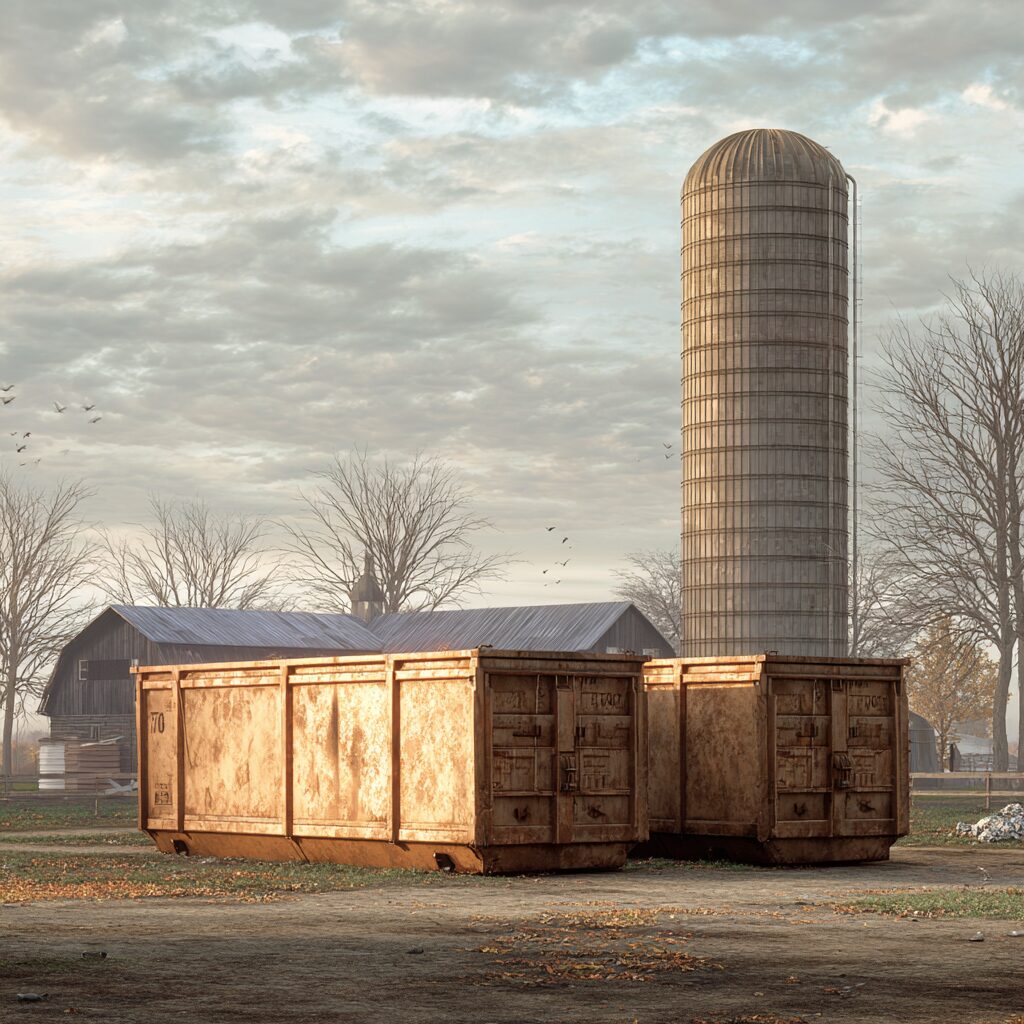
Ever faced a mountain of debris after replacing barn roofing? Agricultural projects create unique challenges that demand smart waste solutions. Let’s explore how containers become your secret weapon for maintaining productive land.
Barn makeovers and equipment shed updates leave behind enough materials to build a small fortress. Outdated plumbing systems, rusted machinery parts, and weather-beaten siding pile up fast. Seasonal storms add to the chaos – broken tree limbs and damaged outbuildings won’t clean themselves.
Smart operators tackle these jobs with precision:
That cracked loading dock won’t fix itself. Materials like concrete slabs and asphalt chunks test both equipment and patience. A 10-yard container handles three tons of broken foundation pieces, while larger 30-yard units manage entire driveway replacements.
| Material | Ideal Container | Weight Limit |
| Concrete debris | 10-yard | 3 tons |
| Asphalt scraps | 20-yard | 5 tons |
| Mixed demolition | 30-yard | 8 tons |
Prompt delivery matters when dealing with heavy materials. Coordinate drop-offs with construction timelines to keep projects moving faster than combines during harvest. Your business stays compliant while protecting workers from unnecessary hazards.
Successful farming operations require more than quality seed and reliable equipment—they need waste management partners who understand the unique challenges of agricultural environments and can deliver specialized solutions that work around your seasonal demands.
Prime Dumpster combines rural delivery expertise with flexible scheduling that respects your planting and harvest cycles, ensuring farming dumpster rentals near me don’t interfere with your most critical operations. Our team understands agricultural waste streams and coordinates deliveries around livestock movements, field access, and weather-sensitive timing.
Contact our team to discover how our farm-focused approach to waste management keeps your operation clean, compliant, and productive throughout every growing season. From routine cleanups to major facility renovations, we’ll help you find the right dumpster solution that grows with your land.
If you are looking for Placement Guidelines for Dumpster Rentals Near Me, Click Here


