Mon - Sat 7:00 am to 7:00 pm


Mon - Sat 7:00 am to 7:00 pm
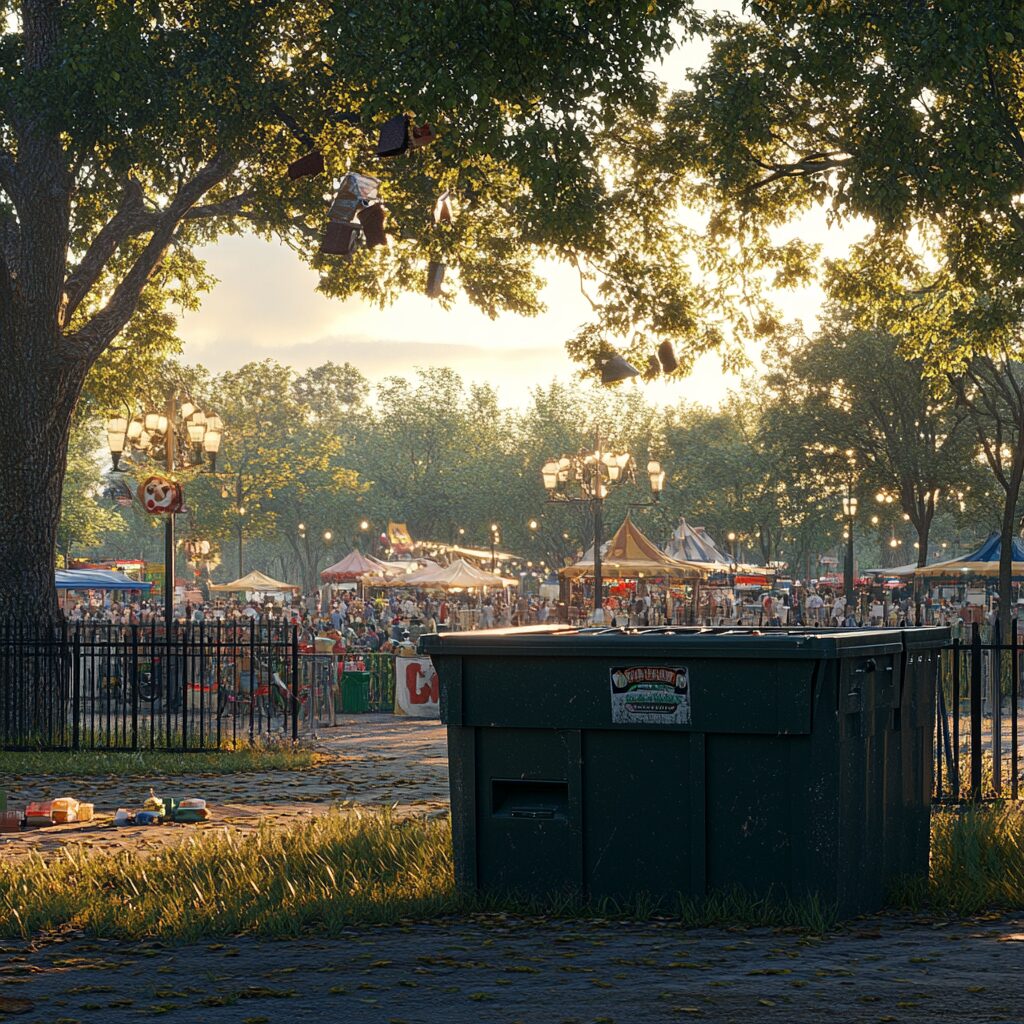
Event venues from Madison Square Garden to local fairgrounds rely on staff who understand the difference between a 20-yard container and a 40-yard monster. Smart dumpster management keeps crowds happy, health inspectors satisfied and cleanup crews from staging midnight revolts.
Prime Dumpster partners with venues nationwide to tackle everything from sold-out stadium games to three-day music festivals. Our guide to dumpster use for event staff answers the practical questions that training manuals somehow skip: Where do you place containers so service trucks can actually reach them? How do you prevent drunk fans from treating dumpsters like jungle gyms? Why does container sizing matter more than you think?
Whether you’re managing waste at intimate theater productions or massive outdoor festivals, understanding roll-off logistics transforms chaotic cleanup situations into smooth operations.
Working your first big venue gig? Here are the crucial facts about waste management that nobody mentions during orientation.
Ready to master the waste management strategies that separate smooth operations from cleanup disasters?
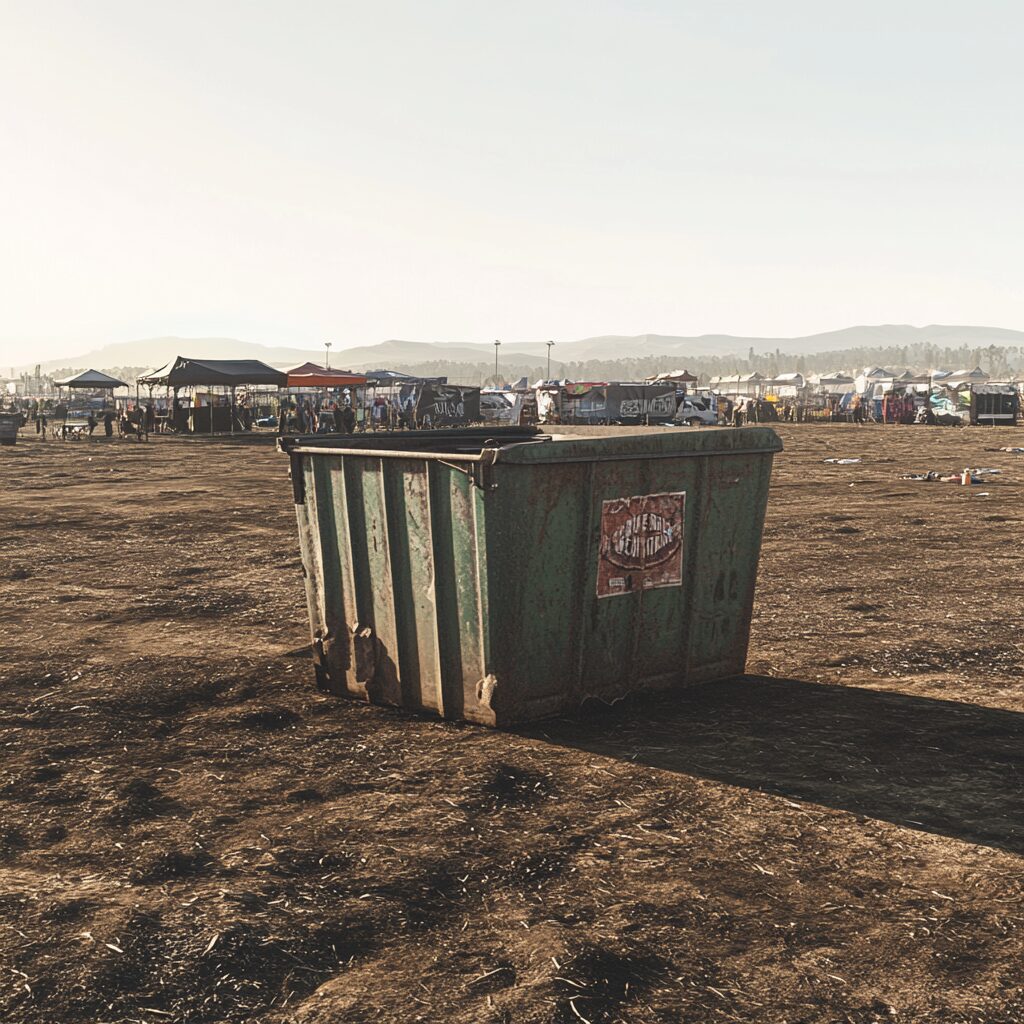
Ever underestimated how much trash 10,000 fans can generate? Size matters. A well-picked dumpster rental keeps your venue spotless without wasting space or cash. Here’s how to nail the choice.
Roll-offs come in five main sizes. Each handles different loads, and is appropriate for different types of events:
Prime Dumpster Pro Tip: Cubic yards ≠ actual trash volume. Greasy boxes stack poorly—always size up for food festivals.
A rodeo’s event waste isn’t the same as a tech expo’s. Follow this cheat sheet:
Ever seen a trash bin turn into a crowd magnet for all the wrong reasons? Smart placement keeps waste out of sight—and out of the way. Here’s how to dodge the “dumpster traffic jam” and keep your venue flowing.
Food vendors need nearby bins, but not too close. Place them 15+ feet from seating to avoid odor complaints. Use venue blueprints to spot dead zones—perfect for hiding roll-offs without blocking exits.
Night events? Light up dumpster zones with reflective tape. Workers will thank you, and attendees won’t trip over hidden bins.
Service roads are your best friend. Delivery trucks can access bins without plowing through crowds. Keep paths clear for staff, but tuck containers away from VIP sightlines.
Accessibility checklist:
Remember: A well-placed dumpster is like a good referee—you only notice it when something goes wrong.
As event staff, never forget to prioritize your personal safety over your job duties. A single misstep near roll-offs can lead to injuries, fires, or worse. Smart setups protect workers and attendees while keeping operations smooth.
Flimsy cones won’t stop a rowdy crowd. Use 42-inch barricades with 50-pound bases to create clear boundaries. Bonus: They double as crowd guides when placed near food stalls.
Signage should pass the 5-second test. If workers can’t spot warnings instantly, rethink the design. Multilingual signs reduce contamination by 60%—crucial for diverse crowds.
Ever seen a selfie-seeking daredevil climb a dumpster? Polite but firm signs (“This isn’t a jungle gym”) help. So does spacing bins 10 feet apart to avoid logjams.
Prohibited items cheat sheet:
Quick response matters. Train staff to handle “oops” moments fast—like a stray flare in the trash.
Learn more about how to keep your team and the public safe in our guide Event Planner’s Guide to Public Dumpster Safety.
Trash piles up fast when crowds cheer and snack—here’s how to stay ahead. The busiest moments demand a tight plan to avoid chaos. Follow these real-time tactics to keep things clean without missing a beat.
Peak waste times hit hard after meals and headline acts. Schedule pickups every 90 minutes during these crunches. Pro tip: 8 PM is the witching hour—assign extra staff to bins near food stalls then.
Color-coded bags speed up sorting. Use green for food waste, black for general trash. Workers can spot overflowing bins faster when bags match the crisis level.
Backup dumpsters at 20% capacity save the day. Place them near service exits for quick swaps. Watch for these red flags:
The final whistle blows—now the real cleanup game begins. A smooth post-event cleanup keeps venues spotless and budgets intact. Here’s how to turn chaos into clockwork.
Sort trash while loading to save money per dumpster. Tired crews work smarter with these hacks:
Avoid “dumpster limbo” by scheduling haulers within 4 hours post-event. Track fill levels to hold vendors accountable.
Clean dumpsters = better rates. Haulers charge less for bins without stuck pizza boxes.

Skipping permits isn’t just risky—it’s expensive. With most states requiring recycling plans, and fines up to $5k, cutting corners hurts your budget more than rental costs.
Navigate the permit maze early. Multi-day festivals need separate approvals for hazardous waste—think asbestos or chemicals. Pro tip: Lawyers cost less than EPA violations.
Local laws vary wildly. One county demands compost plans; another bans certain plastics. Research rules or risk becoming a viral meme for dumpster violations.
Your cheat sheet for audits:
Bottom line? Compliance keeps you out of trouble—and headlines.
Our guide to dumpster use for event staff is here to help you use dumpsters at your job! Knowledge about container placement, crowd flow and safety protocols transforms you from someone who reacts to disasters into someone who prevents them entirely.
Venues notice staff members who understand waste management fundamentals because efficient cleanup directly impacts bottom lines and guest satisfaction scores. Speaking up about container placement issues or suggesting improvements demonstrates professional insight that supervisors genuinely appreciate.
Prime Dumpster facilitates dumpster rental nationwide for events of all types and sizes. Contact our team to learn more about using dumpsters for events, including how event staff can utilize them safely and efficiently.
If you are looking for Dumpster Training for New Employees, Click Here


