Mon - Sat 7:00 am to 7:00 pm


Mon - Sat 7:00 am to 7:00 pm

Your rental period is ending, and that container needs to go. For project managers and business owners, understanding the final stage of your dumpster rental ensures smooth operations without unexpected hiccups.
The pickup process demands more preparation from you than the initial delivery. While drop-off typically takes just minutes, the collection service requires specific coordination. Both you and the rental company have distinct responsibilities that must align perfectly.
At Prime Dumpster, we’ve coordinated successful pickups nationwide and know exactly where communication breakdowns and preparation failures create problems for experienced project managers. Our comprehensive guide covers every step of the pickup process.
How does dumpster pickup work? Find out here!
Let’s explore the detailed coordination strategies that ensure your container removal happens smoothly and on schedule.
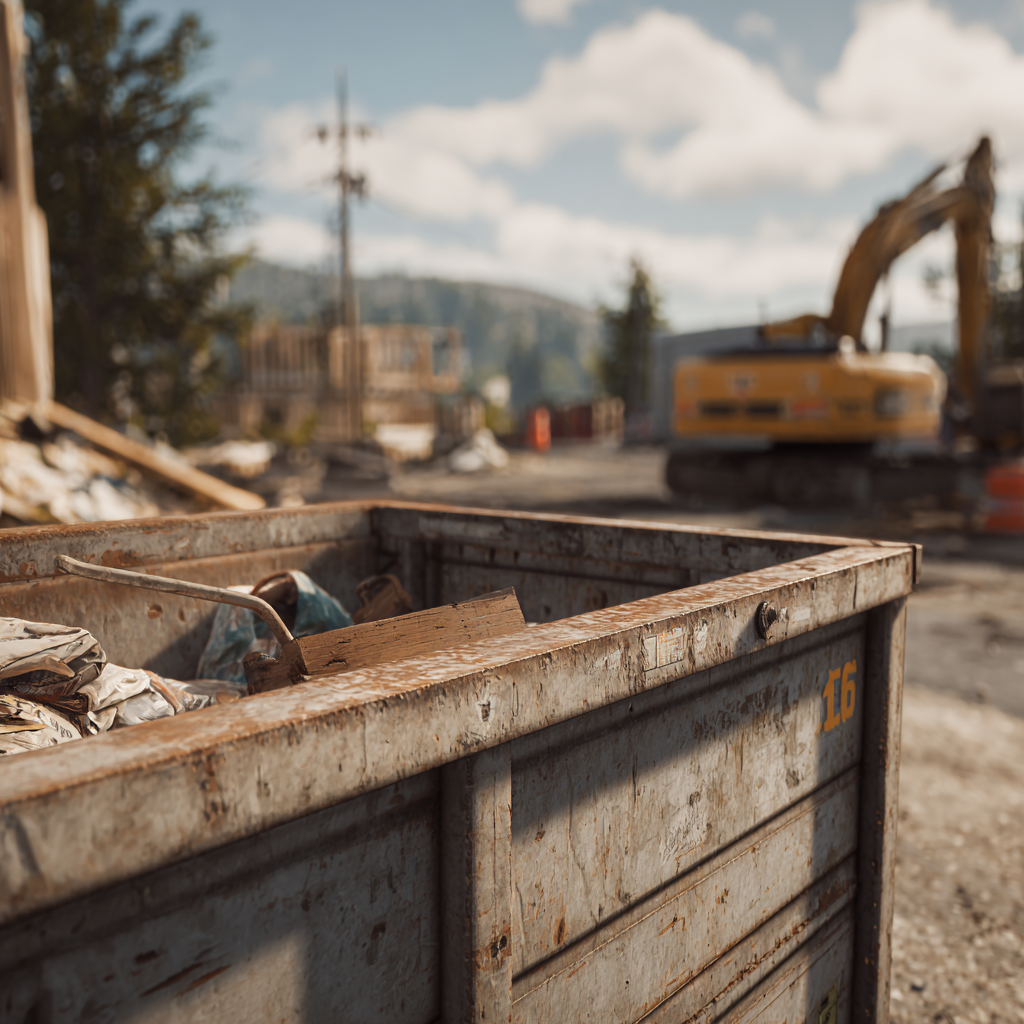
The final stage of your container rental is a coordinated dance between you and the service provider. Knowing your role versus the company’s prevents delays and keeps everything moving smoothly.
| Responsibility | Your Job (The Renter) | The Rental Company’s Job | Applies to Dumpster Sizes |
| Initiating Removal | You must call or go online to schedule the pickup. They won’t come automatically. | Answers your call and logs the request into their system. | 10, 15, 20, 30, 40 yards |
| Bin Preparation | Make sure the load is level and nothing is prohibited. Keep the area clear for the truck. | The driver checks for safety issues like overloading before hooking up. | 10, 15, 20, 30, 40 yards |
| Logistics & Timing | Be ready for collection anytime on your scheduled day. Routes are planned for efficiency. | Plays route maestro, coordinating multiple pickups for fuel savings. | 10, 15, 20, 30, 40 yards |
| Final Haul Away | Your job is done once the driver gives a thumbs-up. | Loads the container, hauls it off, and processes the waste properly. | 10, 15, 20, 30, 40 yards |
Getting that full container hauled away requires careful planning and coordination. The actual removal involves specific steps that ensure everything goes smoothly.
Planning ahead saves you from last-minute stress. Some renters even schedule in advance when they know their project timeline.
| Scheduling Method | Best For | Response Time | Flexibility |
| Online Dashboard | Quick requests during business hours | Instant confirmation | 24/7 availability |
| Phone Call | Complex situations or questions | Immediate assistance | Personalized service |
| Email Request | Non-urgent scheduling | Within 24 hours | Documented confirmation |
Your scheduled pickup day means the truck could arrive anytime. Drivers optimize routes for efficiency, so exact times aren’t guaranteed.
Make sure your container placement allows 60 feet of clearance for the truck. Provide 23-25 feet of vertical space above the bin. Keep the area clear whether it’s on a driveway, street, or construction site.
If you need more rental days, contact the company before your scheduled removal. Proper planning keeps your project moving forward without delays.
Selecting the perfect container for your project is like choosing the right tool for the job – it makes everything easier. The right size prevents overload issues and ensures smooth removal when your rental period ends.
We see many projects derailed by poor container selection. Understanding your options helps you avoid common mistakes that lead to pickup delays.
Roll-off containers come in five standard sizes, each designed for different project scales and material types. The 10-yard dumpster works best for heavy materials like concrete, brick, or dirt from both home and commercial projects since these dense materials quickly exceed weight limits in larger containers.
Homeowners typically choose 15-yard containers for kitchen remodels, bathroom renovations, or garage cleanouts. The 20-yard option handles most residential projects including roofing jobs, basement cleanouts, and single-room renovations effectively.
Construction sites and larger home projects often need 30-yard containers for mixed debris from whole-house renovations or new construction phases. The massive 40-yard units serve major commercial projects or large estate cleanouts where debris volume is high but weight remains manageable.
Smart project planning means matching container size to your specific materials rather than just project scope. Even large renovation projects might need smaller containers when dealing with heavy debris, while extensive cleanouts with lighter materials can utilize maximum capacity efficiently.
Every container has specific weight restrictions, typically ranging from 1 to 5 tons. Heavy materials like concrete require larger weight allowances even in smaller containers.
Look for the fill line marked inside each unit. Nothing should stick out above this line when viewed from the side. Overfilled containers cannot be transported safely.
Drivers must refuse overweight loads by law. Proper estimation of your debris type and volume ensures your chosen container meets both space and weight requirements.

Smart debris management transforms your container removal from chaotic to controlled. The way you organize materials impacts everything from safety to final costs.
Think of loading as strategic puzzle-solving rather than random tossing. Proper techniques prevent issues that could delay your project timeline.
Start with heavy, bulky items at the bottom for stability. Distribute weight evenly across the container floor to prevent tipping.
Break down cardboard boxes and collapse furniture to maximize space. Fill gaps with smaller debris to create a compact, secure load.
| Loading Strategy | Effective Approach | Problematic Method | Impact on Removal |
| Weight Distribution | Heavy items bottom, even side-to-side | All weight on one side | Prevents transport hazards |
| Space Optimization | Break down boxes, fill gaps | Toss items randomly | Avoids overflow issues |
| Door Security | Latch clicks, chain replaced | Door left unsecured | Ensures safe transport |
| Material Separation | Keep hazardous items separate | Mix all waste together | Prevents refusal at landfill |
Some materials require special handling for proper disposal. Chemicals, batteries, paints, and electronic waste cannot go in standard containers.
Appliances containing refrigerants or lead-based materials need separate arrangements. If prohibited items are discovered, drivers may refuse collection until removal.
Make sure to ask your rental company about special disposal options. Proper planning prevents unexpected delays and additional fees.
Nobody likes surprise charges on their final bill. Understanding common extra costs helps you budget accurately for your project completion.
We see several fee scenarios that can impact your total rental pricing. Knowing these in advance prevents budget surprises.
Drivers encounter two main problems that create additional fees. Overloaded containers and site access issues top the list.
When debris exceeds the fill line, transportation becomes illegal. You must remove excess waste immediately. This causes delays and often triggers overload charges.
| Fee Type | Common Trigger | General Starting Cost Range | Prevention Strategy |
| Overload Charge | Debris above fill line | $50-$150 | Monitor fill level daily |
| Weight Overage | Exceeding tonnage limit | $25-$75 per ton | Ask about heavy material limits |
| Extended Rental | Extra rental days needed | $15-$50 per day | Schedule buffer days initially |
| Contamination Fee | Prohibited materials found | $100-$300 | Confirm acceptable waste types |
Weight issues can be sneaky. A container might look fine but exceed limits with heavy materials like concrete. Drivers will require immediate removal of some contents.
Clearance problems also cause headaches. Parked cars or low branches can prevent truck access. Always maintain clear space around your rental unit.
Choosing the right size container from the start is your best defense against extra costs. When in doubt, discuss timeline concerns with your provider before loading begins.
How does dumpster pickup work? Now that you know the answer, you and can manage every step with confidence. From scheduling and site prep to weight limits and fee prevention, these strategies ensure your container removal goes smoothly every time.
Professional pickup coordination keeps your projects running efficiently from start to finish. Prime Dumpster’s nationwide experience means you get reliable service and expert guidance throughout the entire process. Contact our team for your next project and discover how proper waste management partnerships make all the difference.
If you are looking for How to Prepare for the Delivery of Your Rented Dumpster, Click Here


