Mon - Sat 7:00 am to 7:00 pm


Mon - Sat 7:00 am to 7:00 pm

You’ve mastered single container rentals, but scaling up to multiple units brings entirely new challenges that can make or break large-scale projects. Understanding how to rent multiple dumpsters effectively requires strategic coordination of deliveries, placement logistics, crew access, and weight management across several containers simultaneously.
At Prime Dumpster, we’ve coordinated complex multi-container projects for construction sites, major renovations, and commercial developments nationwide. Our comprehensive playbook is here with proven strategies for renting multiple strategies, helping project managers maintain efficiency, safety, and cost control.
Let’s explore the detailed coordination strategies that turn complex multi-container logistics into streamlined operational advantages.
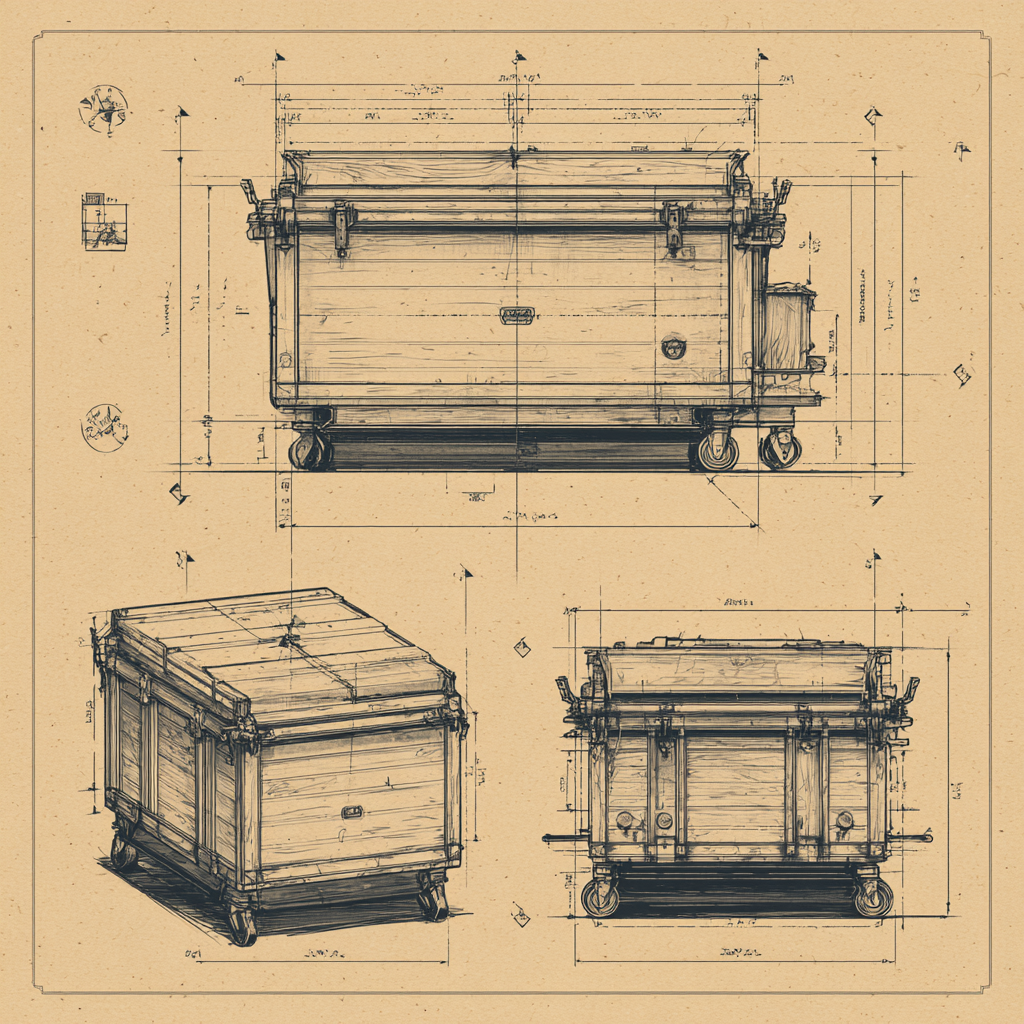
When your project expands beyond a single waste container, the logistics game changes completely. You’re no longer just managing debris removal. You’re orchestrating an entire waste management system across your site.
Working with one container means one delivery time and one pickup schedule. It’s relatively simple. But scaling up introduces coordination challenges that demand careful planning.
With several containers, you must consider:
Your pricing strategy also shifts. Using specialized containers for specific waste streams often proves more cost-effective than one oversized unit.
Large-scale construction and demolition projects generate diverse materials. Heavy concrete requires different handling than light drywall debris. Proper separation from the start saves time and money.
Your timeline must account for continuous workflow. Stagger deliveries and pickups to maintain productivity. Clear labeling prevents mix-ups that could disrupt your schedule.
Effective communication ensures everyone knows which container accepts which materials. This prevents contamination and keeps your project moving smoothly.
Getting ready for several waste units requires more than just clearing a single spot. Your preparation checklist expands significantly when coordinating multiple arrivals. The delivery day success hinges on thorough planning.
Clearance becomes your top priority. Each container needs 60 feet of straight access for the truck to maneuver safely. You must ensure 22 feet of width and 23 feet of overhead clearance.
Mark each placement location with spray paint or cones. This prevents confusion during the delivery process. Clear a 10-foot perimeter around every planned spot.
| Preparation Aspect | Single Container | Multiple Containers |
| Clearance Space Needed | 60 ft length, 22 ft width | Multiple 60 ft pathways |
| Site Marking | One location marked | Each unit location clearly identified |
| Surface Protection | Plywood under one container | Protection under all placement areas |
| Permit Coordination | Single permit if needed | Multiple permits for street placement |
Stagger your delivery times when possible. This prevents traffic jams on your property. Communicate clearly with drivers about which container goes where.
Designate someone to be on-site throughout the delivery window. They can direct drivers and troubleshoot placement issues. This keeps your project timeline on track.
Remember to secure any necessary permits in advance. Street placement requires municipal approval. Proper planning makes the entire process smoother.
The art of matching container capacity to material type separates amateurs from pros. When you need several waste units, each one should serve a specific purpose based on what you’re tossing.
Standard rolloff containers come in five main sizes: 10, 15, 20, 30, and 40 yards. A 10-yard unit works well for heavy concrete or brick that fills up quickly. These dense materials need less space but hit weight limits fast.
For general construction waste, the 20-yard container offers versatile middle ground. It handles mixed debris averaging 1,000-1,500 pounds per cubic yard. Larger 30 and 40-yard units excel with bulky, lightweight items like drywall or old furniture.
Weight capacity ranges from 1-2 tons for smaller containers up to 4-5 tons for the largest units. Heavy materials like concrete weigh 3,000-4,000 pounds per cubic yard. Light household items might only weigh 200-500 pounds.
Match dense materials to smaller containers and lightweight debris to larger ones. This strategy prevents overage fees and keeps your job site organized. Your waste management becomes a customized system rather than a guessing game.
Strategic placement of your waste containers can make or break your project’s workflow efficiency. Smart layout design turns debris management into a seamless part of your daily operations.
Start by mapping each container’s location relative to work zones. Position units close to where specific debris types generate. Concrete waste bins belong near demolition areas.
Light debris containers work best near carpentry zones. This strategic approach minimizes travel time for crews. It keeps work flowing smoothly throughout the day.
| Placement Factor | Optimal Approach | Problematic Scenario |
| Distance to Work Zones | Within 50 feet of debris source | Across site from work area |
| Clearance Space | 10-foot perimeter maintained | Tools and materials blocking access |
| Traffic Flow | Logical path matching workflow | Crossing active work zones |
| Equipment Access | Independent truck entry for each | Containers blocking each other |
Maintain that critical 10-foot clearance around every unit. This prevents bottlenecks when crews need simultaneous access. Arrange containers in a logical flow pattern.
Consider visual lines of sight across your site. Equipment operators should see all containers clearly. Avoid blind corners and congested areas for safety.
Space units far enough apart for independent truck access. Designate pathways between containers that accommodate both foot traffic and equipment movement.
The financial impact of overage fees can quickly escalate when you’re dealing with more than one waste unit. Each container carries its own weight restrictions and compliance requirements that demand individual attention.
Weight limits vary significantly by container size. A 10-yard unit might handle 2 tons, while a 40-yard container could allow 5 tons. Material density plays a crucial role in maximizing your capacity.
Different materials have vastly different weights. Concrete weighs 3,000-4,000 pounds per cubic yard. Light household items might only weigh 200-500 pounds. Matching materials to appropriate container sizes prevents premature weight limit hits.
| Material Type | Weight per Cubic Yard | Recommended Container Size |
| Concrete/Brick | 3,000-4,000 lbs | 10-15 yard units |
| Soil/Dirt | 2,000-3,000 lbs | 15-20 yard units |
| Mixed Construction | 1,000-1,500 lbs | 20-30 yard units |
| Household Items | 200-500 lbs | 30-40 yard units |
Distribute heavy materials across several containers instead of concentrating them in one unit. Break up dense concrete slabs before loading to distribute weight evenly.
Track what goes into each container. Mixing lightweight furniture with heavy concrete wastes valuable capacity. Designate someone to monitor loading across all units.
Regular visual inspections prevent overfilling. Remember that disposal facilities charge by the ton, making weight management financially critical for your project’s success.
Imagine your job site at peak productivity: three different crews all needing to toss debris at the same time. Without a clear plan, this leads to chaos, delays and safety risks. We will show you how to create a smooth system for everyone.
Good communication prevents most problems. Share a simple schedule with all teams before work begins. This tells each crew when and where they can access the waste containers.
Think of it like scheduling lanes at a busy swimming pool. You need to assign specific times to avoid a traffic jam. Create a visual chart that maps crews to their designated containers.
| Crew Type | Assigned Container | Preferred Loading Window |
| Demolition Team | Container #1 (Heavy Debris) | 8:00 AM – 10:00 AM |
| Framing Crew | Container #2 (Wood Waste) | 10:00 AM – 12:00 PM |
| Finishing Team | Container #3 (Light Items) | 1:00 PM – 3:00 PM |
This approach boosts efficiency. It stops teams from competing for space during the busiest hours.
Safety starts with how you fill each unit. Train your crews to load heavy items at the bottom. Layer lighter materials on top for stability.
Always maintain a 10-foot clear zone around every container. This rule keeps pathways open for other teams and equipment. It also ensures the driver has safe access for pickup.
Consider appointing a site coordinator. This person can monitor loading progress and redirect crews if one container fills up faster than expected. This simple step keeps your project timeline on track.

The final phase of your large-scale project requires just as much strategy as the beginning. Getting those full containers off your site efficiently is the last piece of the puzzle. A smooth removal process keeps your timeline intact and your budget predictable.
Think of it like a well-planned departure. You do not want everyone leaving at the same time and causing a traffic jam.
Your rental company will not automatically come get a unit just because your rental period ends. You must schedule that pickup service. Be ready for removal at any time during the scheduled day.
Before the truck arrives, do a quick check. Ensure debris is below the fill line and the access path is clear. Close and latch the door securely by clicking it shut and replacing the chain.
Stagger your pickup requests. Do not have all containers removed simultaneously. This prevents a sudden gap in your waste disposal capability.
Coordinate with your site supervisor to confirm which units are truly ready to go. Verify that all debris from a specific project phase is loaded. Removing a container too early can create problems.
Communicate with your rental provider about logistics. You might arrange a single, efficient route for the driver to collect all finished units.
If your job continues, consider scheduling replacement containers to arrive shortly after the full ones depart. This maintains a continuous workflow and minimizes any downtime.
Document the sequence and final weights. This data helps you analyze efficiency for your next big project.
You now have the complete framework for understanding how to rent multiple dumpsters and coordinate them like a seasoned professional. From strategic placement and crew coordination to weight management and pickup logistics, these proven strategies transform complex waste management challenges into competitive advantages.
Smart multi-container coordination separates successful large projects from chaotic ones. Prime Dumpster’s nationwide expertise in complex logistics means you get professional guidance that turns potential headaches into seamless operations. Contact our team for your next large-scale project and experience how proper multi-container planning makes all the difference in project success.
If you are looking for Rented Trash Dumpster Playbook: How Does Dumpster Pickup Work?, Click Here


