Mon - Sat 7:00 am to 7:00 pm


Mon - Sat 7:00 am to 7:00 pm
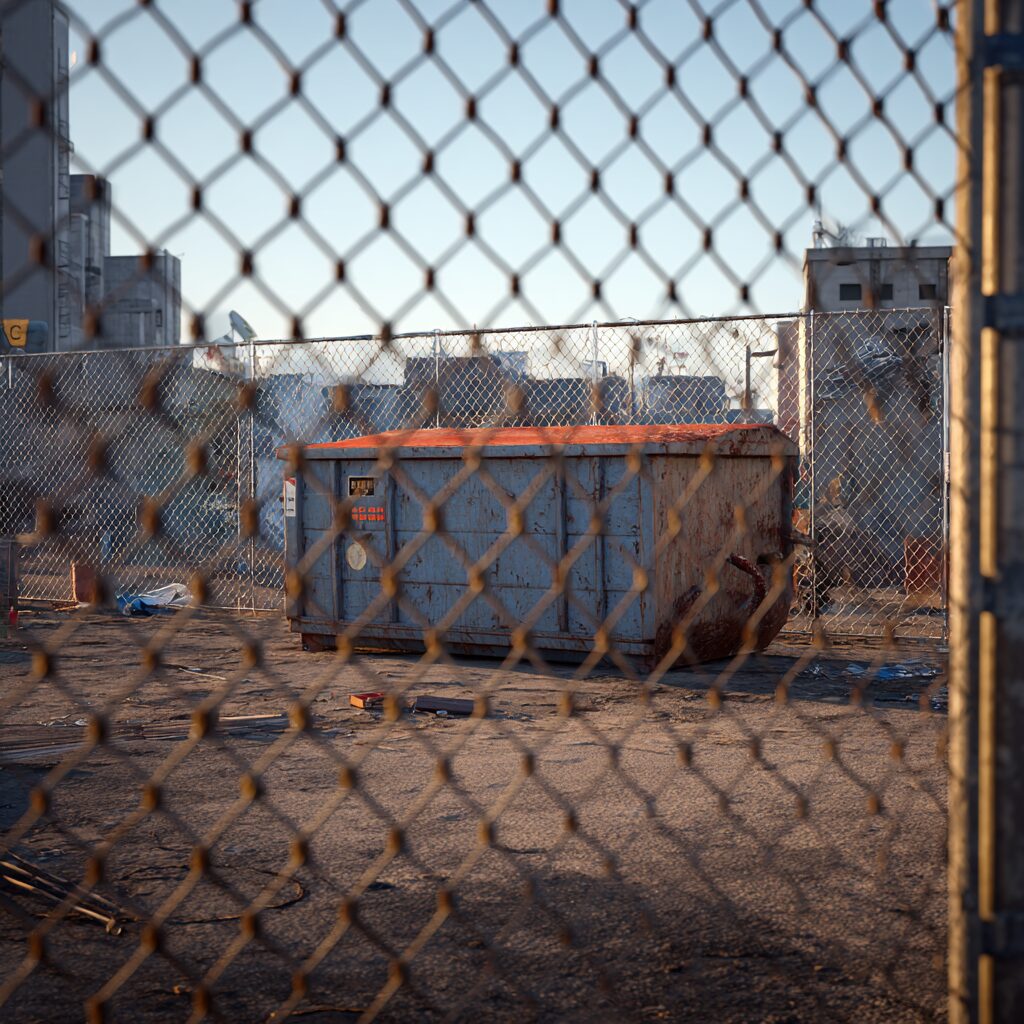
You’ve got your roll-off container scheduled for delivery. Now comes the real challenge – making sure your project runs smoothly from start to finish.
Proper control of your container isn’t just about keeping strangers out. It’s about creating a system that lets your team work efficiently while avoiding costly surprises.
Whether you’re running a construction site, planning a major event, or handling a business renovation, who uses your dumpster matters. Smart control protects your investment and keeps everything on track.
At Prime Dumpster, we’ve coordinated waste management for thousands of projects nationwide, and we’ve seen how proper access control can make or break a rental experience. Our comprehensive guide covers the proven strategies that keep your container secure, your team efficient, and your project costs under control from delivery to pickup.
Here’s your complete look at managing access to rented trash dumpsters for events and projects.
Let’s explore the detailed strategies that transform your dumpster from a potential liability into a well-managed project asset.
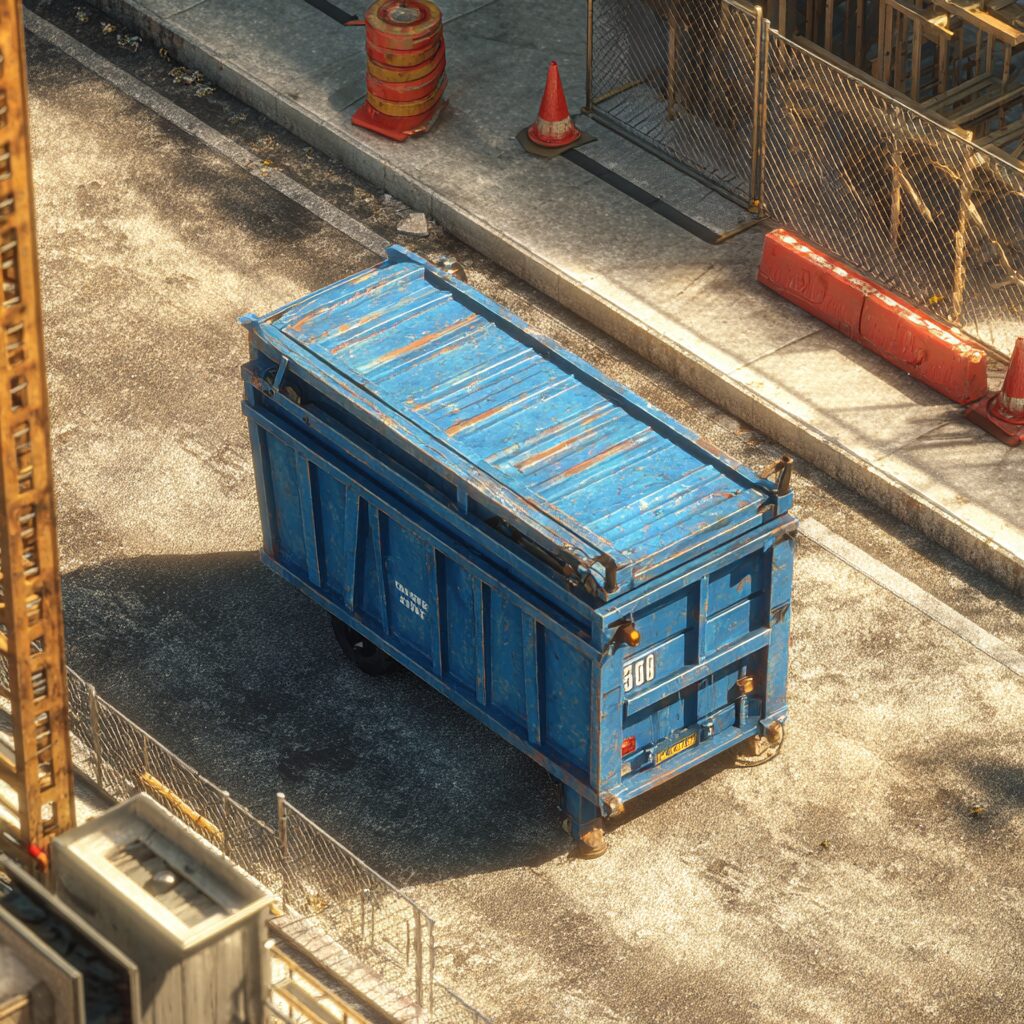
Roll-off containers come in five standard sizes. Each handles different types of projects and material volumes.
| Size Option | Yard Capacity | Ideal Projects | Material Notes |
| Small | 10 yards | Garage cleanouts, minor renovations | Light debris, heavy debris, household items |
| Medium | 15–20 yards | Bathroom remodels, small demolitions | Mixed construction materials |
| Large | 30 yards | Whole-home cleanouts, commercial work | Bulk waste |
| Extra Large | 40 yards | New construction, major demolitions | High-volume materials |
Weight limits matter as much as physical space. Exceeding them triggers extra fees that impact your budget.
Different materials have varying weights. Concrete fills weight limits faster than lighter debris like drywall.
Plan your rental period considering project timeline and material types. Proper planning prevents cost overruns and ensures efficient waste handling.
We see too many projects derailed by simple oversight. Here are the best practices to implement throughout the entirety of your dumpster rental.
Start by designating approved personnel. Create a clear list of who can use the container.
Communicate boundaries to everyone on site. This includes temporary workers and subcontractors.
Consider these effective control methods:
| Method | Implementation | Effectiveness | Cost Level |
| Designated Coordinator | Single point of contact for all disposal | High | Low |
| Physical Barriers | Fencing or cones around the area | Medium | Medium |
| Usage Log | Track what goes in and when | High | Low |
| Scheduled Access | Specific times for disposal activities | Medium | Low |
Regular checks prevent problems before they escalate. Look for unusual materials or overfilling.
Train your team on proper loading techniques. This maximizes space and prevents container damage.
Unauthorized disposal isn’t just annoying—it’s expensive. It fills your container faster than planned.
Worse, you might inherit liability for hazardous materials others dump. Simple oversight prevents these issues.
The success of your rental period often comes down to how well you coordinate with all parties involved. Good teamwork prevents delays and keeps your project moving forward smoothly.
Start conversations early with everyone who will use the container. Share location details and disposal rules before work begins.
Create a simple contact system for questions about proper waste handling. This prevents confusion among different contractor teams.
| Communication Method | Best For | Timing | Expected Outcome |
| Pre-project meeting | Multiple contractor teams | Before delivery day | Clear understanding of rules |
| Written guidelines | Large projects | Throughout rental time | Consistent compliance |
| Designated coordinator | Complex sites | Entire project duration | Single point of contact |
| Digital updates | Changing schedules | As needed | Real-time adjustments |
Coordinate container placement with your project timeline. Choose times that won’t disrupt critical work activities.
Plan removal when the container reaches capacity but before overfilling occurs. Give your rental company adequate notice for smooth service.
Creating a safe environment around your waste container isn’t just about rules, it’s about smart planning from day one. We’ve seen too many projects where simple organization could have prevented serious safety issues.
A well-organized work zone keeps everyone productive while reducing potential hazards. Let’s explore how proper setup can make your entire operation smoother.
Your container location should allow easy entry while minimizing risks. Choose spots away from vehicle traffic and overhead obstacles.
Make sure there’s enough space for workers to load materials safely. Trip hazards from scattered debris cause most on-site injuries.
Proper lighting dramatically reduces safety concerns. Well-lit areas help workers see what they’re doing and discourage after-hours problems.
| Safety Measure | Effectiveness | Implementation | Cost Level |
| Designated Pathways | High | Mark clear walking routes | Low |
| Lighting Systems | High | Install temporary lights | Medium |
| Barrier Cones | Medium | Place around perimeter | Low |
| Regular Inspections | High | Daily safety checks | Low |
Regular safety checks help identify hazards before they cause injuries. Look for unstable materials or changing ground conditions.
Your responsibility extends to anyone who might approach the area. A safe work zone protects everyone while keeping your project on track.
The perfect spot for your waste container today might be completely wrong tomorrow as work progresses. We see this happen all the time on job sites. Smart placement evolves with your project timeline.
Think ahead about how your work will shift across different areas. This foresight saves time and prevents headaches later.
Choose your initial location with the entire project in mind. Pick a central area that serves multiple phases. Avoid street-side placement whenever possible.
Street locations invite unwanted attention from passersby. This fills your valuable space with unauthorized materials.
| Placement Option | Best For | Security Level | Flexibility |
| Behind Building | Multi-phase projects | High | Medium |
| Central Yard Area | Single-location work | Medium | Low |
| Gated Section | High-security needs | Very High | Low |
| Adjacent to Work Zone | Fast-moving projects | Medium | High |
Don’t hesitate to move your container when work shifts to new areas. This simple step improves efficiency dramatically.
Coordinate with your rental company for relocation. The cost of moving beats dealing with inconvenient placement for weeks.
Different project stages need different approaches. Demolition requires easy access for bulky materials. Finishing work needs less space but more precision.
Security measures transform your container from an open invitation to a protected asset. We’ve seen too many projects where simple precautions could have saved thousands in unexpected costs.
Layered protection works best because determined individuals will test single defenses. Combining multiple approaches creates real security.
Gravity locks offer smart protection for your equipment. These devices automatically secure the lid and only open when the hauler tilts the container for emptying.
You avoid coordinating key exchanges or remembering manual locking. Traditional padlocks also work well if you assign someone to secure the unit after each use.
Tarping serves double duty for your investment. It hides contents from view, reducing temptation for unauthorized disposal. It also protects against weather adding weight to your load.
Clear signage around your equipment tells potential violators the area is monitored. No-dumping signs deter casual users who might see your container as convenient.
Surveillance provides serious deterrent power. Even dummy cameras with warning signs make people think twice. Real cameras give you evidence if illegal dumping occurs.
Physical barriers like fencing create obvious boundaries. These work best for longer projects or recurring work at the same location.
Match your security approach to your specific situation. A busy construction site needs more robust measures than equipment on private property.

From construction sites to corporate cleanouts, each scenario demands unique strategies. Your approach should match your project’s specific requirements.
Construction teams deal with heavy debris that tests weight limits. Business renovations handle mixed items requiring careful organization. Event planners face rapid waste accumulation in tight timelines.
Selecting proper equipment affects your entire operation. The right choice prevents problems before they start.
Consider these factors for different project types:
| Project Type | Common Materials | Space Needs | Security Level | Timeline Factor |
| Construction Sites | Concrete, lumber, drywall | Large area required | High security needed | Weeks to months |
| Business Renovations | Furniture, equipment, mixed items | Moderate space | Medium protection | Days to weeks |
| Event Cleanup | Packaging, food waste, general debris | Central location | High visibility | Hours to days |
Your materials determine how you load the container. Heavy debris goes first, lighter items on top. This maximizes space and maintains safety.
Different projects carry varying risks for unauthorized disposal. Public events need more vigilance than gated work zones. Match your security to your situation.
Consider your timeline when planning disposal systems. Short-term projects need simple solutions. Longer rentals justify more comprehensive measures.
Let’s talk about the rulebook that comes with your waste container. Understanding local requirements protects you from unexpected fines and legal headaches.
We see too many projects where simple compliance checks could have saved thousands. Your responsibility extends beyond just filling the container properly.
Local regulations govern everything from placement to prohibited materials. These rules exist for public safety and environmental protection.
Property owners often face liability for what ends up in their equipment. Even if someone else dumps illegally, you might bear responsibility.
Hazardous materials like paint, chemicals, and electronics require special disposal. Allowing these items in your container leads to substantial fines from local authorities.
Make sure you understand weight limits and disposal restrictions. Exceeding these can violate waste management laws with additional penalties.
Regular monitoring helps prevent compliance issues. Report any illegal dumping immediately to protect yourself from liability.
Safety standards require stable placement and clear access around your equipment. These measures prevent hazards for workers and the public.
The risk of non-compliance goes beyond fines. Serious violations can damage your business reputation and affect future projects.
You now have the essential strategies for managing access to rented trash dumpsters throughout your entire project timeline. From implementing security protocols to coordinating with contractors and maintaining safe work zones, these practices ensure your rental investment delivers maximum value while avoiding costly complications.
Smart access management protects both your budget and your project schedule while keeping operations running smoothly. Prime Dumpster’s nationwide expertise and commitment to customer success means you get more than just a container – you get the professional support that helps make every rental experience efficient and hassle-free.
Contact our team for help with your next project. Experience the difference that comes from working with waste management professionals who understand the complexities of real-world job sites.
If you are looking for Rented Trash Dumpster Playbook: Weight Limits and Regulations, Click Here


