Mon - Sat 7:00 am to 7:00 pm


Mon - Sat 7:00 am to 7:00 pm
Picture festival grounds that stay clean while attendees enjoy themselves and vendors smile instead of stress about overflowing trash bins. The secret lies in ditching chaotic single-bin systems for organized waste management that works.
Multi-stream dumpster strategies for festivals transform event cleanup from a nightmare into a smooth operation through strategic container placement and material separation. At Prime Dumpster, we’re experts in roll-off containers for events, and we’ve created this comprehensive guide about multi-stream dumpster strategies for festivals. Learn how to reduce cleanup costs, boost recycling rates, and create the eco-friendly atmosphere that modern attendees expect.
Multi-stream waste management uses separate containers for different material types to maximize recycling and minimize landfill waste at large outdoor events.
Strategic waste separation transforms festival cleanup from chaotic expense into organized operation that supports both environmental goals and operational efficiency.
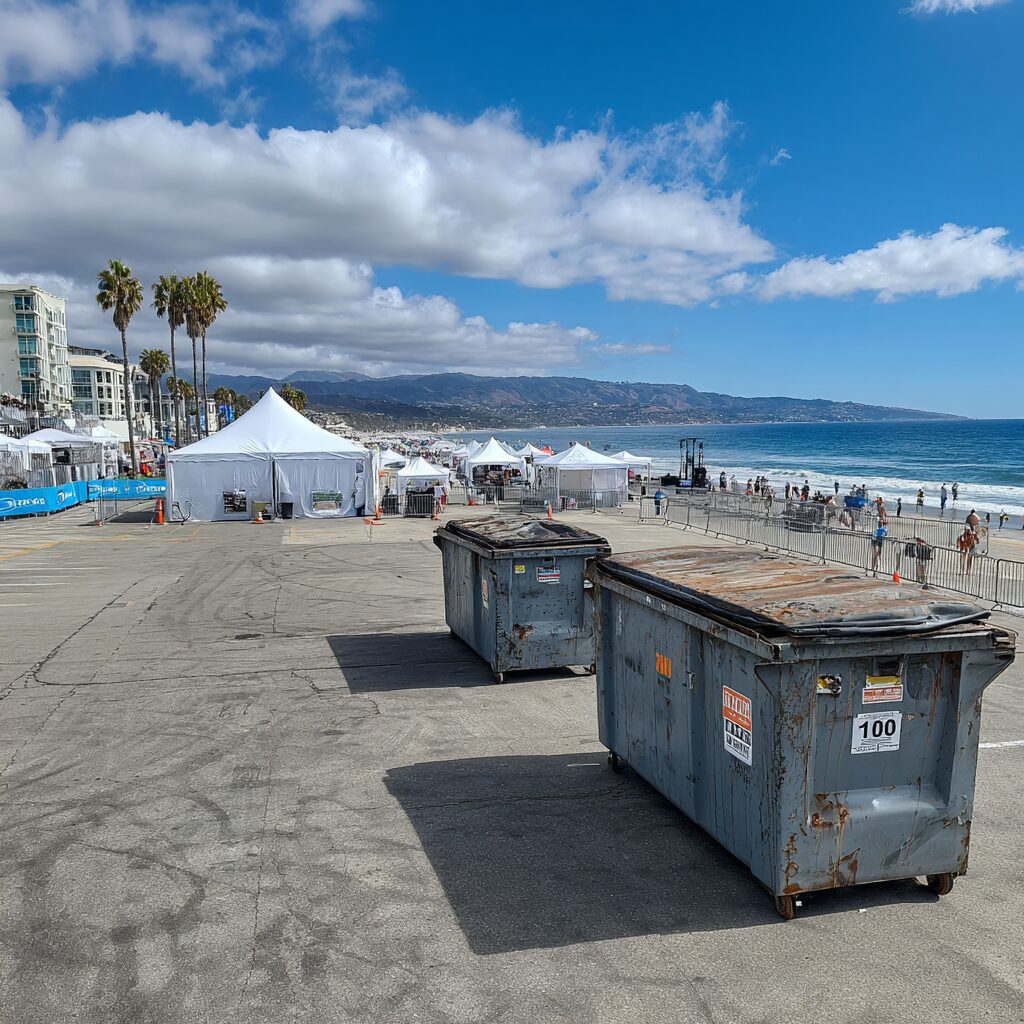
Ever seen a trash tornado at an outdoor event? That’s what happens when everything gets tossed into one bin. Separate collection systems flip the script by giving each material type its own home – like sorting socks from shirts before laundry day.
Here’s how it works: You provide clearly marked bins for three main categories. General trash handles non-recyclables. Recyclables collect bottles and cans. Organics gather food scraps and compostables. This setup keeps materials pure enough for processors to handle.
| System Type | Contamination Risk | Setup Complexity | Diversion Rate |
| Single-Stream | High | Low | 15-30% |
| Multi-Stream | Medium | Moderate | 50-75% |
Outdoor events add twists. Crowds move fast, and sorting mistakes happen. Pro tip: Place bins where people naturally pause – near food stalls or exit gates. Use color-coded lids and graphic signs showing what goes where.
Start simple with the big three categories. Once that flows smoothly, add specialized containers for glass or vendor packaging. Check local recycling rules first – some areas won’t take pizza boxes, while others demand separated plastics.
Training matters. Brief volunteers on common mix-ups (yes, coffee cups often lie about being recyclable). Spot-check bins hourly to catch wayward wrappers before they spoil whole loads.
What separates a messy event from a clean, eco-friendly one? Dedicated containers for different materials. Outdoor gatherings generate mountains of trash, but smart separation keeps sites tidy and helps the planet.
Place colorful bins where crowds gather – near food trucks, seating areas, and exits. More containers mean fewer overflow disasters. Attendees won’t abandon trash if they spot available options every 50 feet.
Strategic placement cuts cleanup time. Crews can swap full bins quickly without disrupting festivities. Bonus: Fewer tripping hazards from scattered debris.
| Container Type | Purpose | Common Items |
| Blue Bins | Recyclables | Bottles, cans, clean cardboard |
| Green Bins | Compostables | Food scraps, napkins, plant-based utensils |
| Black Bins | Landfill | Plastic wrap, styrofoam, mixed materials |
Separate streams keep materials usable. Aluminum cans stay crush-free for smelters. Food waste avoids plastic contamination, making it ideal for compost facilities.
Partner with local farms or gardens to use finished compost. Attendees love seeing their apple cores turn into tomato fertilizer. Vendors appreciate reduced disposal fees when recycling rates climb.
Choosing the perfect trash container feels like picking shoes for a marathon – too small and you’re hobbled, too big and you’re tripping over excess space. Match your container sizes to crowd numbers and venue layout for stress-free cleanup.
Think of 10-yard containers as your cleanup MVPs for neighborhood block parties or pop-up markets. These compact units hold about 4 pickup truck loads – ideal for 100-200 guests. They tuck neatly into tight spaces without becoming visual clutter.
Upgrade to 15-yard models when hosting weekend craft fairs or single-stage concerts. Three times larger than standard home bins, they handle food scraps and packaging from 20+ vendors. Bonus: Their mid-range size fits through most venue gates.
20-yard workhorses shine at multi-day gatherings. Picture 300 hungry taco festival fans – this size handles their waste without constant emptying.
Prime Dumpster Pro Tip: Place these near beverage stations where aluminum cans pile up fast.
Massive music festivals need heavyweight solutions. A 30-yard container swallows waste from 1,000+ attendees daily – perfect for main stages and food court areas. These giants hold 12 tons, reducing collection trips by 60% compared to smaller options.
Reserve 40-yard monsters for mega-events like county fairs or weeklong celebrations. Need to manage 50 food trucks and three recycling streams? These mobile waste stations keep up with non-stop action. Just confirm your site has 60-foot clearance for delivery trucks.
Think of your cleanup crew as a pit crew at a NASCAR race – everyone needs specific tools and clear assignments to prevent chaos. Smart planning turns scattered helpers into a precision operation that keeps your site spotless.
Start by dividing your squad into specialized units. Experienced staff should lead each group while volunteers handle ground operations. Equip everyone with color-coded vests and gear matching their tasks.
| Team Type | Responsibilities | Members |
| Sorting Squad | Monitor bins, fix mix-ups | 2 staff + 5 volunteers |
| Contamination Patrol | Spot-check materials | 1 staff + 3 volunteers |
| Rapid Response | Swap full bins | 4 volunteers |
Train volunteers to become trash-talking ninjas – they’ll politely correct guests who toss banana peels into recycling. Role-play common scenarios like confused attendees holding greasy pizza boxes.
Use visual cues that work at a glance. Place 3-foot-tall signs with emoji-style graphics above bins – think 🍕 for compost and ♻️ for bottles. Color-code walkie-talkie channels for instant updates.
Schedule hourly huddles near snack stations. Team leaders share updates like “Zone 3 needs bin swaps” or “Confetti crew needs backup.” This keeps everyone aligned without formal meetings.
Prime Dumpster Pro Tip: Arm volunteers with quick-reference badges showing unacceptable items. When someone tries to recycle nacho cheese cups, your team can point to the “Landfill Only” icon instantly.
Ever notice how concertgoers magically find trash cans when they’re right next to the beer tent? Smart positioning turns disposal into a no-brainer. Let’s map out where bins work hardest to keep your event spotless.
Food stalls become waste hotspots faster than melted ice cream on a summer day. Cluster containers where attendees finish meals – exit routes from vendor areas work best. This cuts “walking trash” and keeps napkins off your grounds.
| Zone Type | Benefits | Considerations |
| Food Vendor Areas | Reduces food-related litter | Require hourly servicing |
| Restroom Zones | Catches pre/post-use disposal | Keep 10ft from sanitation access |
| Main Walkways | Visible to moving crowds | Avoid bottleneck creation |
Place bins near info booths where people pause to check maps. Attendees holding trash will ditch it when options appear every 30-50 feet. Color-code lids to match nearby vendor packaging – yellow for corn dog stands, green for salad spots.
Your cleanup crew isn’t ninjas – they need clear paths. Mark 12ft-wide lanes for trucks using traffic cones or temp fencing. Schedule pickups during lulls between headliner acts when crowds thin.
Coordinate with vendors to move delivery vehicles before trash trucks arrive. Keep emergency routes open by placing containers 15ft from medical tents or fire lanes. Pro tip: Paint temporary arrows on grass using chalk spray to guide drivers.
Remember: Well-placed bins make guests feel responsible without trying. When disposal feels effortless, your grounds stay cleaner, and vendors spend less time playing trash police.
Imagine your waste stations working like backstage crew at a concert – unseen but essential to the show’s success. Effective disposal systems turn chaotic trash piles into smooth operations where every item finds its proper home.
Clear communication makes all the difference. Use photo examples above bins showing exactly where cups, napkins, and utensils belong. Staff these areas with friendly guides who can explain recycling rules while handing out high-fives for proper sorting. One music fest boosted diversion rates by 34% just by adding trained ambassadors.
Separate collection points prevent “wish-cycling” – that hopeful but misguided toss into the wrong container. Color-coded bins paired with graphic labels help guests make snap decisions. Place stations where crowds naturally gather: near merch booths, restroom lines, and food truck alleys.
This approach transforms your management plan from trash duty to environmental storytelling. Attendees become active participants in sustainability efforts rather than passive waste generators. When people see their apple cores becoming compost for community gardens, they’ll cheer louder than the headliner’s encore.
Multi-stream dumpster strategies for festivals turn overwhelming cleanup into organized success that keeps your grounds clean and your environmental impact low. When you use separate containers for different materials, you’ll cut disposal costs while showing attendees that your event cares about the planet.
Ready to make your next festival both memorable and sustainable? Contact us to learn how multi-stream dumpster strategies for festivals can help you create the kind of event that people love attending and communities love hosting.
If you are looking for Your Guide to Renting and Using Eco Friendly Dumpsters for Corporate Events, Click Here


