Mon - Sat 7:00 am to 7:00 pm


Mon - Sat 7:00 am to 7:00 pm
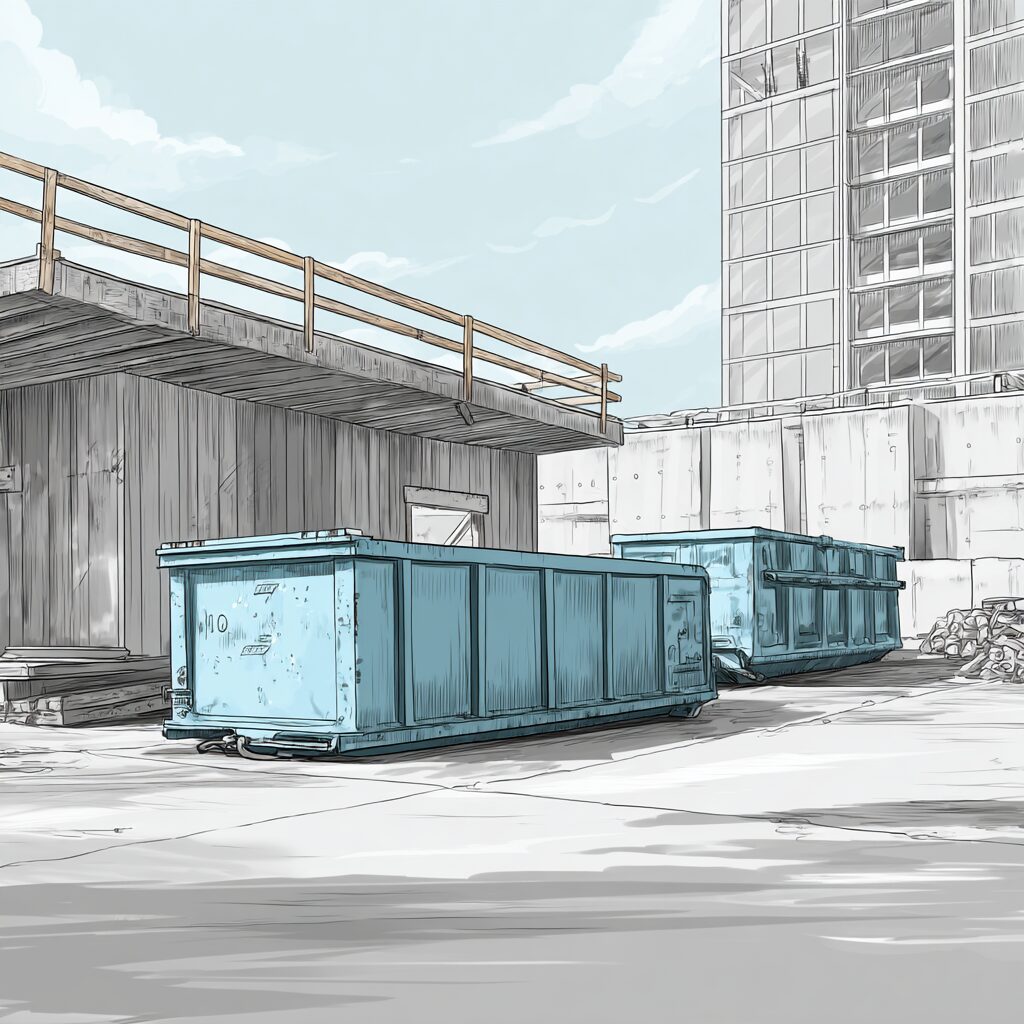
Understanding proper placement guidelines for dumpster rentals near me helps avoid common mistakes like inadequate clearances, unstable surfaces, and permit issues that can derail timelines and increase project costs.
Whether you’re managing a home renovation, construction site, or commercial cleanout, successful container placement requires considering factors like ground stability, overhead clearances, access routes, and local regulations.
At Prime Dumpster, we’ve coordinated dumpster placements for thousands of projects nationwide, from residential driveways to major construction sites and public events. Our comprehensive guide covers the essential strategies that ensure your container supports rather than hinders your project goals from delivery through final pickup.
Proper dumpster placement requires understanding site conditions, container specifications, and local requirements that ensure safe and efficient waste management operations.
Ground Stability Requirements: Position containers on firm, level surfaces like concrete or compacted gravel to prevent settling and ensure safe pickup operations, using protective mats on asphalt or decorative surfaces.
Clearance Specifications: Maintain 22 feet of overhead clearance and 60 feet of straight-line truck access to accommodate delivery vehicle hydraulic systems and container positioning requirements.
Container Size Considerations: Match placement location to container dimensions – 10-yard units fit tight spaces, while 40-yard containers require reinforced surfaces and strategic positioning away from high-traffic areas.
Permit and Compliance Factors: Street placement typically requires municipal permits, while private property placement must consider HOA restrictions and utility line locations to avoid costly damage or violations.
Safety Protocol Essentials: Never attempt to move placed containers and maintain clear access routes for both loading operations and emergency vehicle access throughout the rental period.
Now let’s explore the detailed placement strategies that help ensure your dumpster rental supports efficient project completion while avoiding common placement pitfalls.
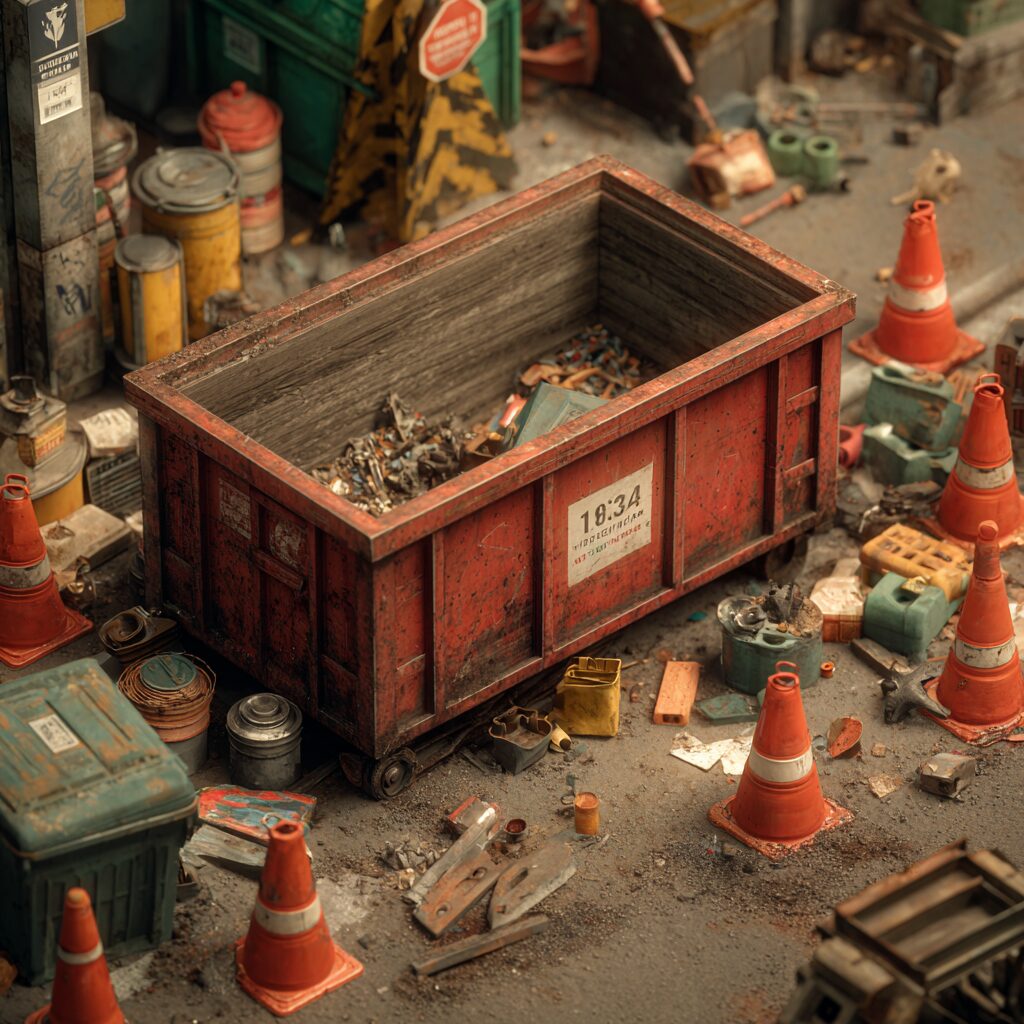
Strategic placement varies significantly across different environments, requiring tailored approaches that address specific operational challenges and safety requirements.
Construction sites present placement challenges, including crane swing paths, heavy equipment traffic, and constantly changing work zones that can block container access or create safety hazards.
Position containers near debris generation areas but outside equipment operation zones and maintain clear access routes for both construction vehicles and service trucks. Move containers between project phases to minimize material transport distances while ensuring they never obstruct emergency vehicle access or violate OSHA safety requirements.
Public events create placement complications including crowd flow disruption, ADA compliance requirements, and the need to coordinate container service around peak attendance periods.
Place containers in back-of-house areas near vendor zones and exit points while maintaining clear accessibility routes for disabled guests. Schedule pickup and delivery operations during off-peak hours to avoid disrupting event activities and ensure containers don’t create bottlenecks in high-traffic pedestrian areas.
“Consider using smaller, more frequent containers rather than large units that might overwhelm limited space and create visual barriers that detract from the event atmosphere,” says a Prime Dumpster Pro.
Industrial facilities face placement challenges including forklift traffic patterns, loading dock operations, and safety zone requirements around hazardous materials and heavy machinery.
Position containers away from active loading areas and equipment paths while ensuring service trucks can access them without crossing production zones. Maintain minimum clearances from chemical storage areas and emergency equipment while coordinating container service with shift schedules to minimize operational disruption.
Educational facilities encounter placement difficulties, including student safety concerns, bell change traffic patterns, and restrictions around testing areas and quiet zones.
Place containers in maintenance areas or parking zones away from main pedestrian corridors and coordinate deliveries around class schedules to avoid disrupting educational activities. Secure containers in visible, well-lit areas to deter vandalism while ensuring service access doesn’t conflict with student drop-off and pickup operations.
Highway and transportation projects face unique placement challenges, including active traffic zones, DOT permit requirements, and the need to maintain lane capacity while ensuring worker safety in high-speed corridors.
Position containers outside travel lanes in designated staging areas with proper traffic control signage and coordinate all deliveries during approved lane closure windows. Ensure containers meet DOT visibility requirements with reflective markings and maintain clear sight lines for approaching traffic while providing safe loading access for construction crews.
Government projects face placement complexities including security clearances, strict permit requirements, and compliance with federal accessibility and safety standards.
Position containers in designated staging areas that meet security protocols while maintaining required setbacks from building entrances and public access routes. Coordinate all placement and service activities with facility security and ensure proper documentation of site conditions before and after container placement to meet government accountability standards.
Agricultural properties present placement challenges including livestock safety concerns, seasonal equipment access limitations, and soft ground conditions that can prevent service truck access during wet weather periods.
Position containers on firm ground away from livestock areas and water sources while ensuring year-round access for both farm equipment and service vehicles. Schedule deliveries and pickups around critical farming activities like planting and harvest operations to avoid interfering with time-sensitive agricultural work and equipment movement patterns.
| Location Type | Primary Challenge | Placement Strategy | Key Consideration |
| Construction Sites | Equipment interference | Near debris zones, off equipment paths | Move between phases |
| Public Events | Crowd flow disruption | Back-of-house near vendors | Schedule off-peak service |
| Industrial/Warehouse | Production interference | Away from docks and forklifts | Maintain safety clearances |
| Schools/Universities | Student safety | Maintenance areas, visible zones | Coordinate with class schedules |
| Government Projects | Security and compliance | Designated staging areas | Meet documentation requirements |
| Highway/Transportation | Traffic safety and permits | Outside travel lanes with DOT signage | Coordinate with lane closures |
| Agriculture/Farming | Livestock safety and access | Firm ground away from animals | Schedule around farming activities |
A smart drop zone keeps projects moving and keeps trucks out of trouble. Start with a quick site check: measure the footprint, confirm surface strength, and clear overhead obstructions. Leave at least 22 feet of vertical space and room for the truck to tilt the container off the rails.
Here are the different types available for rent in most areas:
Before delivery, clear low limbs, toys, and cars. Cones and reflectors boost safety. In wet or icy weather, pick higher ground and salt approaches so trucks don’t get stuck. If you ordered a rental, confirm route access with the hauler before day one.
Knowing who does what on site keeps projects on schedule and avoids costly mixups. Below we lay out clear, practical roles so you can prepare and avoid surprises.
Secure any permits or HOA approvals and pick a level, accessible spot. Mark sprinklers and shallow utilities.
Drivers deliver, position, level, and retrieve the container. They check overhead clearance and approach angles.
Trained crews will tarp loads when needed, enforce weight limits, and refuse unsafe setups like soft ground or steep slopes.
| Who | Main duties | Safety note |
| You (renter) | Permits, site prep, proper loading | Mark utilities; protect surfaces |
| Hauler | Deliver, position, secure, pickup | Drivers may refuse unsafe jobs |
| Both | Communicate schedule and needs | Plan pickups before full |
Following these placement guidelines for dumpster rentals near me prevents common issues like access problems, ground damage, and safety violations while keeping your timeline intact.
Prime Dumpster specializes in helping customers navigate placement challenges through expert guidance and flexible service options that adapt to your specific site conditions and project requirements. Our nationwide experience with diverse placement scenarios ensures you receive practical solutions that work in real-world conditions.
Contact our dumpster placement specialists to discuss your specific site requirements and discover how our proven approach helps keep your project running smoothly from delivery through final pickup.
If you are looking for PD Quick Guide: Dumpster Placement for Farming, Click Here


