Mon - Sat 7:00 am to 7:00 pm


Mon - Sat 7:00 am to 7:00 pm
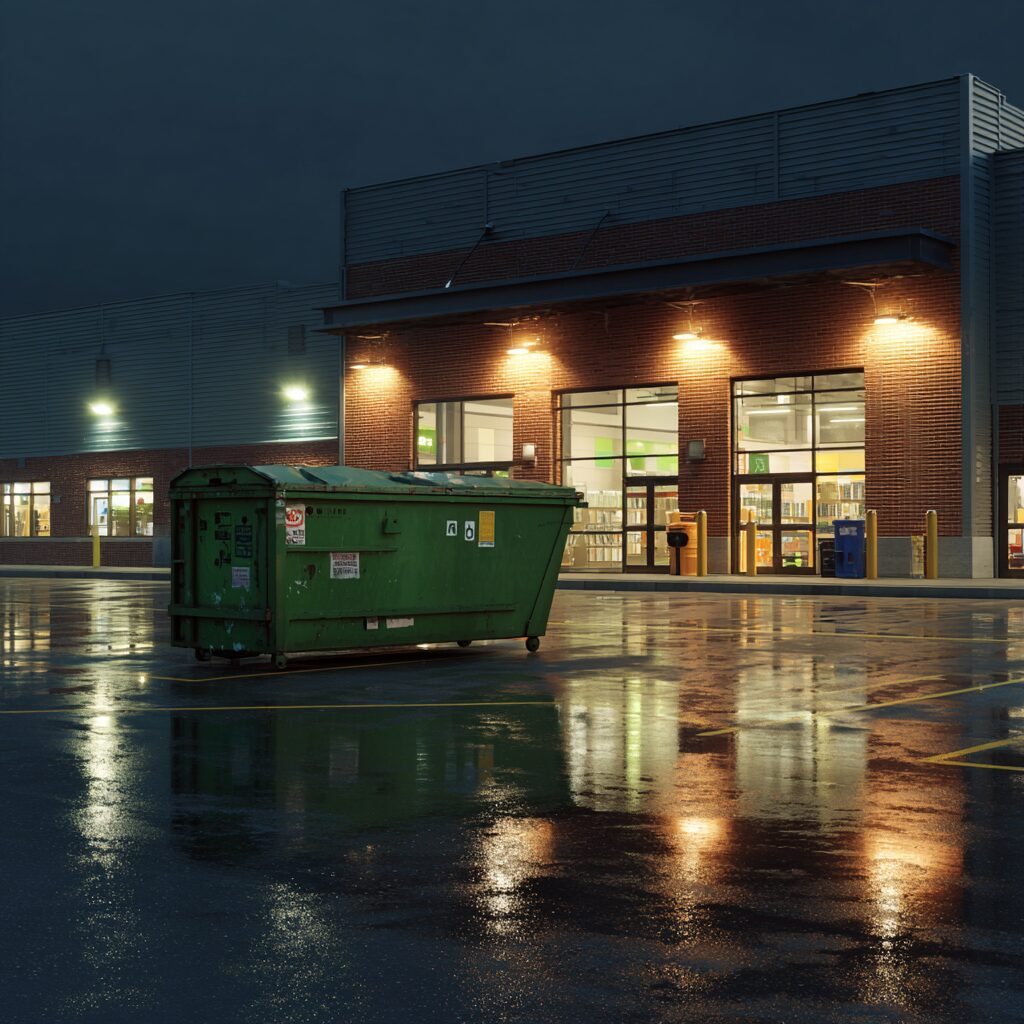
💡Join us for this comprehensive Q&A with the Prime Dumpster Pros, where our retail waste management specialists share insights from coordinating dumpster solutions across diverse commercial environments! 💡
Retail operations require specialized waste management strategies that accommodate customer access, operational schedules, and diverse project scopes. At Prime Dumpster, our team has coordinated dumpster rentals for retail stores ranging from individual boutiques to major shopping centers, understanding the unique challenges each retail environment presents.
We asked our Prime Dumpster Pros for their answers to the top questions about dumpster rentals for retail stores that we receive, focusing on the specific needs of big box retailers, grocery operations, and shopping malls.

Large format retailers face unique waste management challenges due to their scale, diverse product lines, and high customer traffic. Our experts address the specific container needs and logistics considerations for big box store waste management.
“Big box stores need different container sizes depending on the scope of their project – smaller section remodels might use 10 or 20-yard containers while full store renovations often require multiple 30 or 40 yard units,” says a Prime Dumpster Pro. “Department updates like electronics or home goods sections typically generate 8-12 tons of debris, while complete store overhauls can produce 20+ tons from fixtures, flooring, and interior buildout removal.”
“Strategic placement near loading docks or service areas prevents containers from taking up valuable customer parking spaces while maintaining access for both shoppers and waste removal trucks,” explained a Prime Dumpster Pro. “Most big box locations have dedicated service corridors that allow dumpster positioning without disrupting the customer experience or creating safety hazards in parking areas.”
“Electronics, appliances, and automotive products common in big box stores often require separate disposal streams due to environmental regulations and recycling requirements,” a Prime Dumpster Pro notes. “Store managers need to coordinate specialized pickups for items like batteries, paint, and other hazardous materials that can’t go in standard dumpsters.”
“Seasonal transitions and planogram resets generate massive disposal needs from old displays, damaged merchandise, and packaging materials that accumulate during store reorganization,” said a Prime Dumpster Pro. “Planning 20-30 yard containers during reset periods prevents waste overflow and keeps store operations running smoothly during these intensive change periods.”
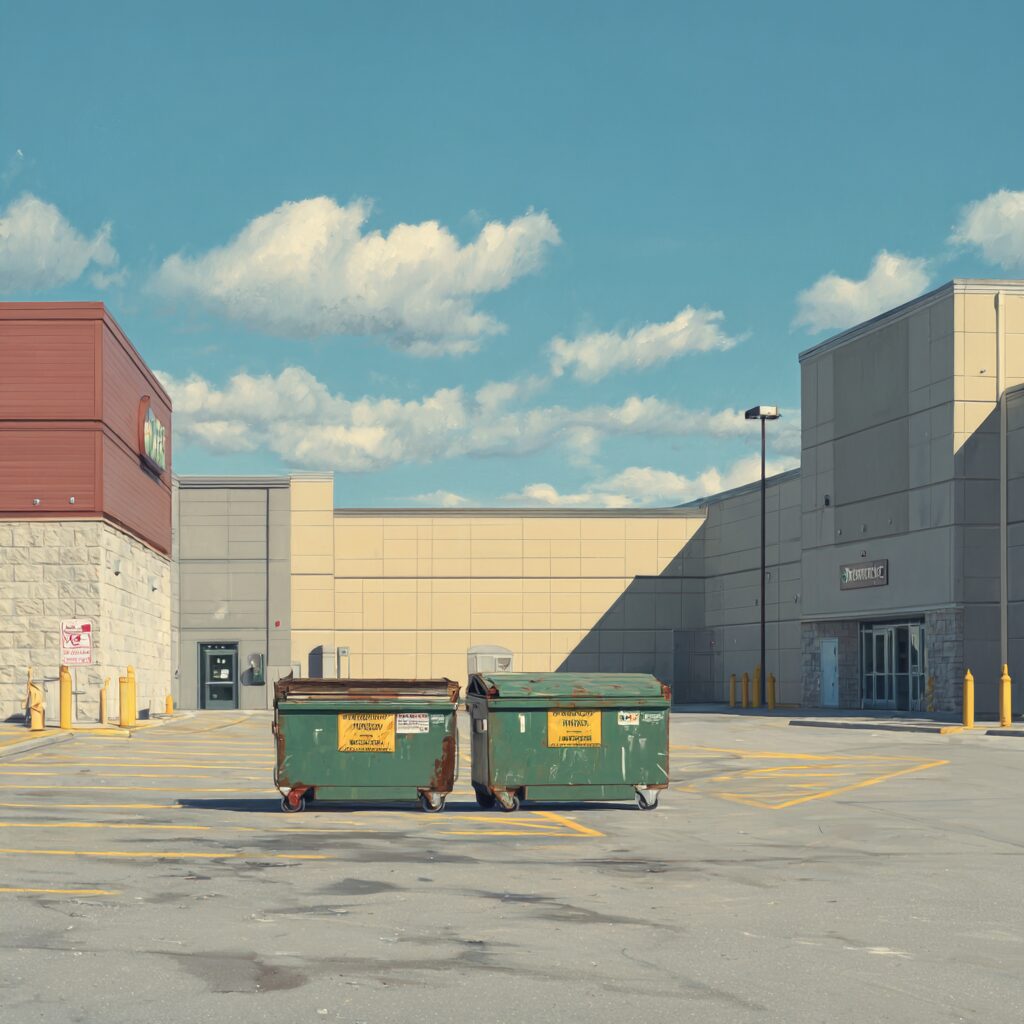
Grocery store operations generate complex waste streams from perishable products, equipment upgrades, and ongoing renovations that require specialized disposal strategies. In this next section on questions about dumpster rentals for retail stores, our experts explain how grocery retailers coordinate waste management while maintaining food safety and operational efficiency.
“Grocery store renovations typically require 20-yard containers for department updates like produce sections or bakery equipment, while full store remodels need multiple 30-yard units to handle refrigeration systems, shelving, and flooring removal,” says a Prime Dumpster Pro. “Equipment upgrades generate heavy debris from old freezer cases and commercial ovens that require reinforced containers designed for dense materials.”
“Construction projects in active grocery stores create challenges with organic waste that can’t mix with construction debris due to contamination and odor issues.”
“Stores need separate containers for perishable cleanup during renovation phases, typically 10-15 yard units positioned near loading docks to prevent cross-contamination with building materials,” explained a Prime Dumpster Pro.
“Store closures generate massive disposal needs from remaining inventory, refrigeration equipment, and interior fixtures that must be removed quickly to meet lease requirements. Most grocery closures require multiple 30-40 yard containers over a 2-3 week period to handle everything from shelving systems to walk-in cooler demolition,” a Prime Dumpster Pro notes.
“Multi-location grocery operations benefit from centralized coordination that schedules renovations and equipment upgrades across stores to maximize volume discounts and streamline logistics.”
“Corporate managers can negotiate better rates by bundling multiple store projects and coordinating delivery schedules that optimize truck routes between locations,” said a Prime Dumpster Pro.
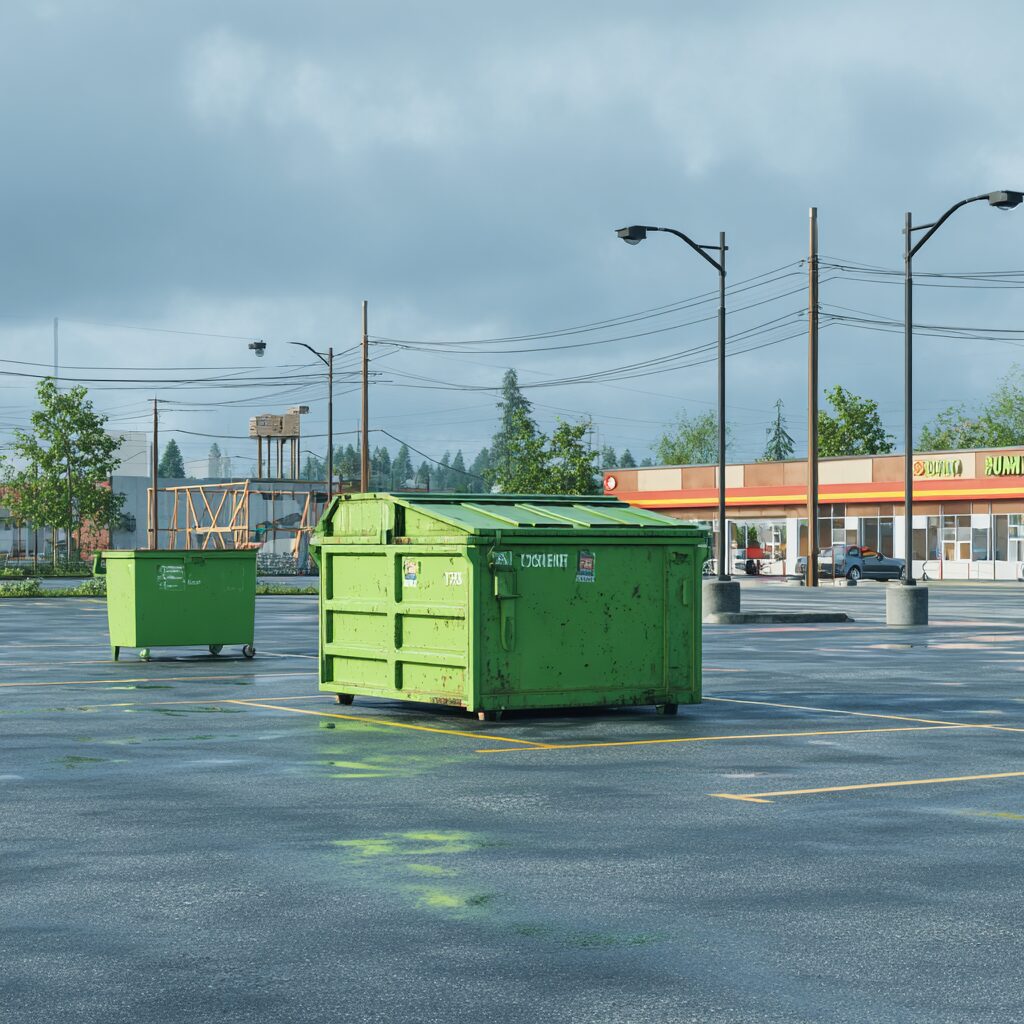
Shopping centers require complex waste management coordination that balances multiple tenant needs with shared facility operations. Our mall management experts outline strategies for handling diverse waste streams across interconnected retail environments.
“Mall management typically establishes designated service corridors and staging areas where tenant renovation dumpsters can be positioned without blocking emergency access or customer flow,” explained a Prime Dumpster Pro.
“Coordinating delivery schedules prevents multiple 20-30 yard containers from overwhelming loading areas, while advance notice requirements help property managers maintain adequate space allocation for all active projects.”
“Shared service areas behind anchor stores often provide optimal placement zones for larger containers, while smaller tenant spaces may require 10-15 yard units positioned near secondary loading areas,” a Prime Dumpster Pro notes.
“Fire marshal requirements and tenant lease agreements typically dictate specific clearance distances from exits and utility access points that must be maintained regardless of renovation schedules.”
“Food court renovations generate unique waste streams including grease-contaminated materials, commercial kitchen equipment, and specialized flooring that require separate disposal protocols from standard retail debris.”
“Most food court projects need multiple container types – standard 20-yard units for general construction waste and specialized containers for restaurant equipment and grease-related materials,” says a Prime Dumpster Pro.
“Major mall renovations require staging multiple 30-40 yard containers across different phases, with advance scheduling that coordinates anchor store updates, common area improvements, and individual tenant projects,” said a Prime Dumpster Pro. “Successful projects often use rolling container schedules that move equipment between completed and active renovation zones to maximize efficiency while minimizing long-term staging space requirements.”
Thank you for meeting our team! You now know the answers to the top questions about dumpster rentals for retail stores!
Effective dumpster rentals for retail stores require understanding the distinct operational demands of different retail formats and coordinating waste solutions that support rather than disrupt business activities. From big box renovations to grocery store equipment upgrades and mall-wide coordination, proper container sizing and strategic placement ensures projects stay on schedule while maintaining customer access.
Our experienced team at Prime Dumpster specializes in retail waste coordination that adapts to business hours, customer flow, and operational requirements across all retail formats. Contact us to learn how our retail-focused dumpster solutions can support your store renovations, equipment upgrades, and operational waste management needs.
If you are looking for PD Quick Guide: Emergency Protocols for Retail Dumpsters, Click Here


