Mon - Sat 7:00 am to 7:00 pm


Mon - Sat 7:00 am to 7:00 pm
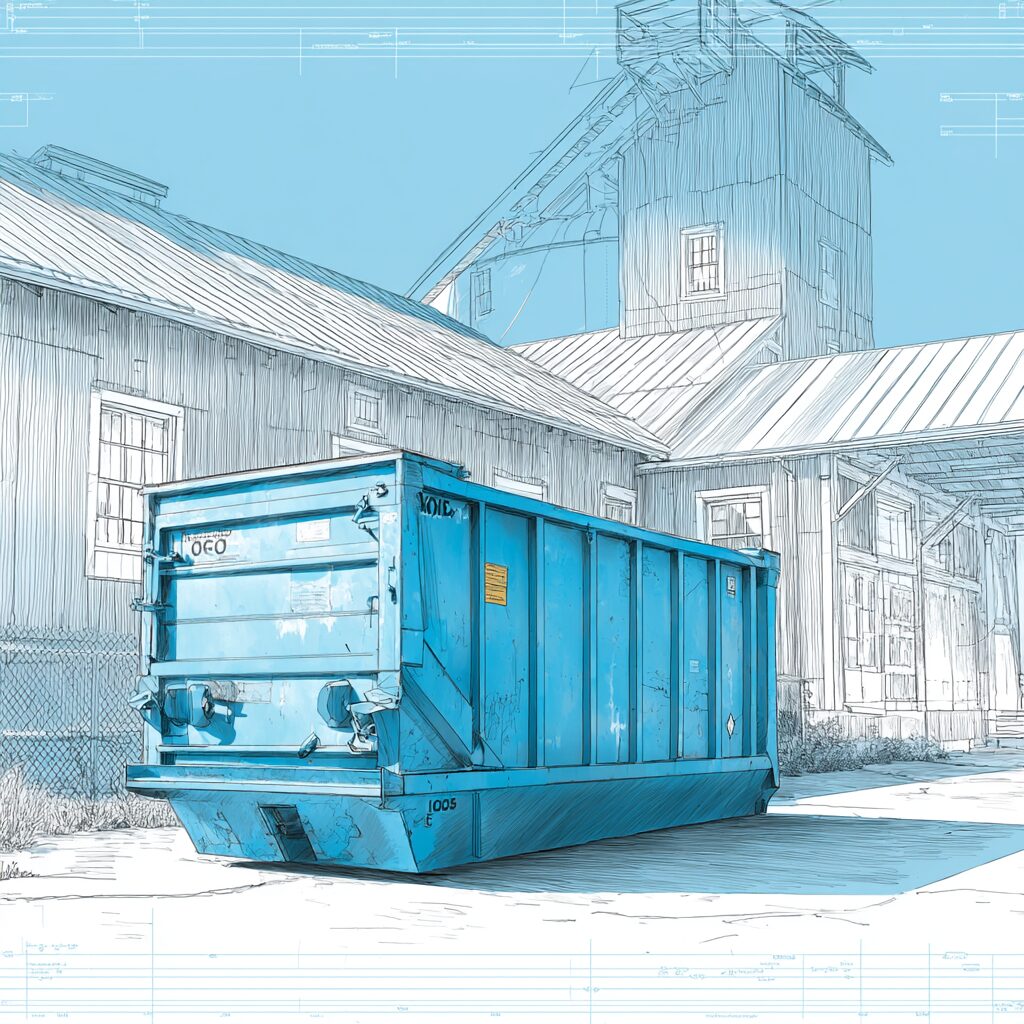
Strategic dumpster placement on agricultural properties requires understanding seasonal operations, equipment access patterns, and livestock safety considerations that keep farm operations running smoothly.
At Prime Dumpster, we’ve coordinated dumpster placements for agricultural operations nationwide, from small family farms to large commercial dairy and grain facilities. Our quick guide to dumpster placement for farming covers the essential strategies that support efficient waste management while respecting the unique demands of agricultural environments.
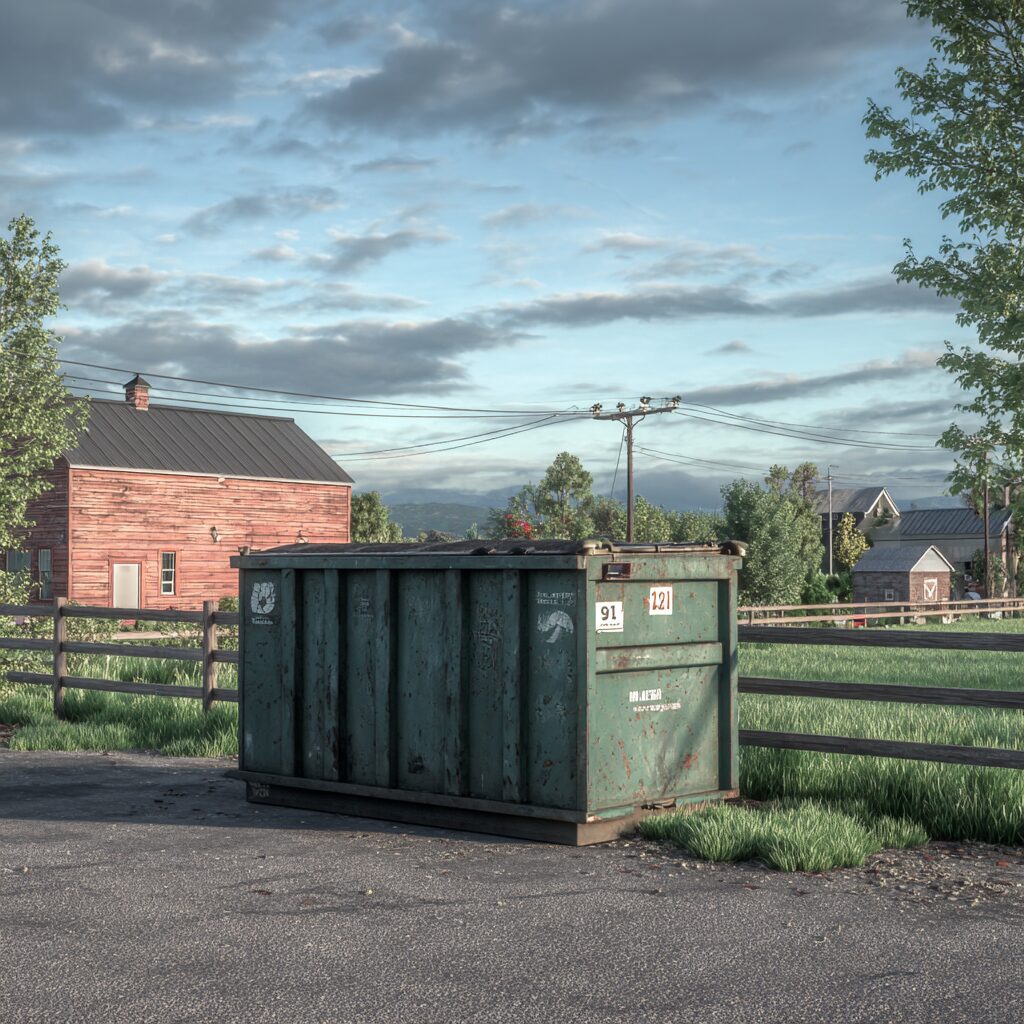
Different types of agricultural waste require specific disposal strategies and container placement considerations to maintain farm efficiency while ensuring proper waste management.
Organic farm waste includes crop residues, spoiled feed, bedding materials, and plant trimmings from routine agricultural operations.
Position containers away from livestock areas and water sources to prevent contamination, and choose locations with good drainage to avoid creating muddy conditions around the dumpster. Schedule frequent pickups during warmer months when organic materials decompose quickly and can attract pests if left too long.
Inorganic agricultural waste consists of plastic containers, metal equipment parts, broken tools, and packaging materials from farm supplies and chemicals.
Place containers in secure areas away from livestock and ensure proper separation of hazardous materials, such as pesticide containers, which require special disposal through agricultural waste programs. Standard 10–20 yard containers work well for most inorganic farm waste, positioned where farm workers can safely dispose of materials without creating safety hazards.
Agricultural by-products include materials like corn stalks, grain chaff, and processing waste that often have potential for composting or alternative uses.
Consider placement that allows for easy sorting between compostable materials and true waste, positioning containers near processing areas but away from main traffic patterns. Larger 30–40 yard containers may be necessary during harvest seasons when by-product volumes increase dramatically.
Construction waste from barn repairs, facility upgrades, and infrastructure improvements includes lumber, metal roofing, concrete, and demolition debris.
Position containers on stable ground with clear access for both construction crews and service trucks, typically requiring 20-30 yard units for most farm construction projects. Place containers away from livestock areas and ensure heavy materials like concrete are loaded into smaller containers to avoid weight limit overages.
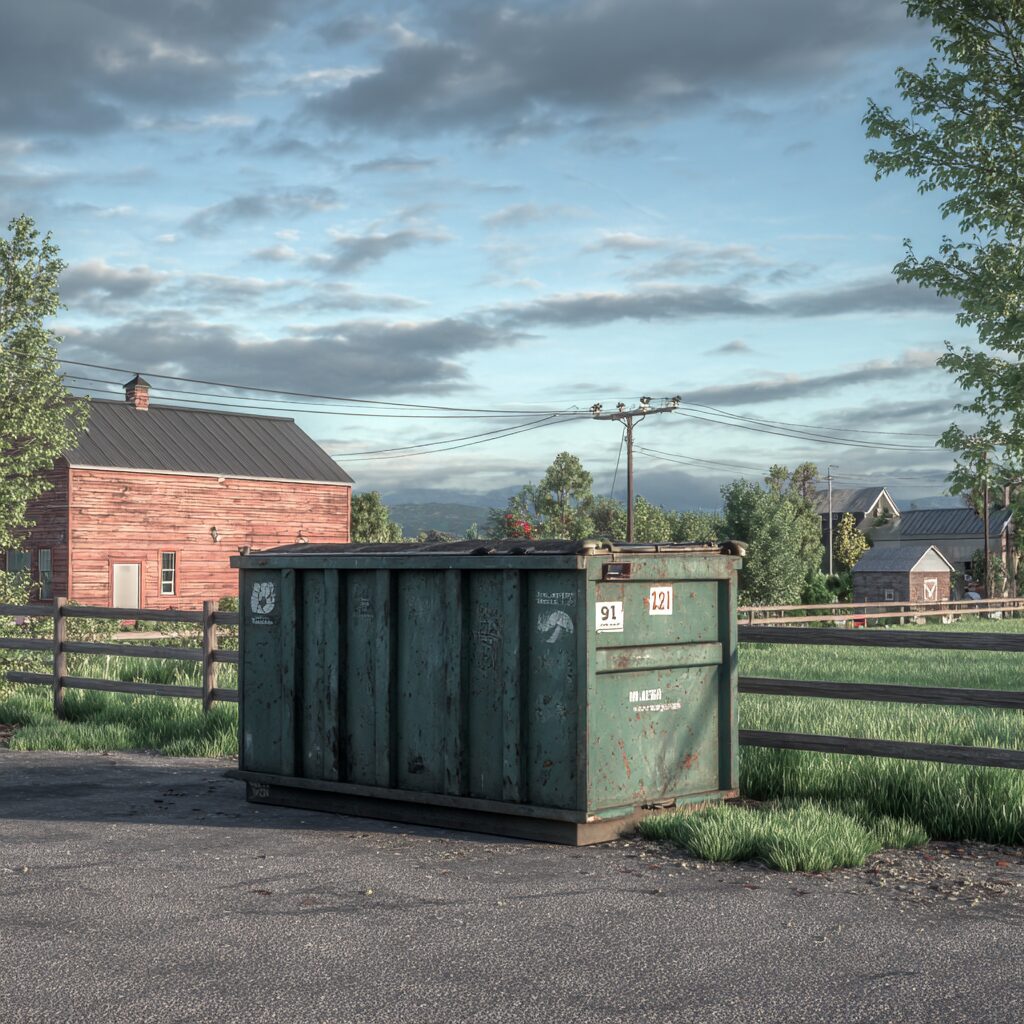
Proper dumpster placement on agricultural properties requires attention to livestock safety, seasonal access patterns, and equipment movement that keeps farm operations running efficiently.
Thank you for reading our quick guide to dumpster placement for farming operations!
Effective dumpster placement for agricultural properties balances operational convenience with livestock safety and seasonal access requirements that keep farms productive year-round. Proper placement planning ensures waste management supports rather than disrupts your agricultural operations throughout every growing season.
Contact our team for expert guidance on farm dumpster rental and placement. We’re here to help with custom strategies that compliment your farming schedule and keep your operation running smoothly.
If you are looking for PD Quick Guide: Dumpster Placement for Roadwork, Click Here


