Mon - Sat 7:00 am to 7:00 pm


Mon - Sat 7:00 am to 7:00 pm
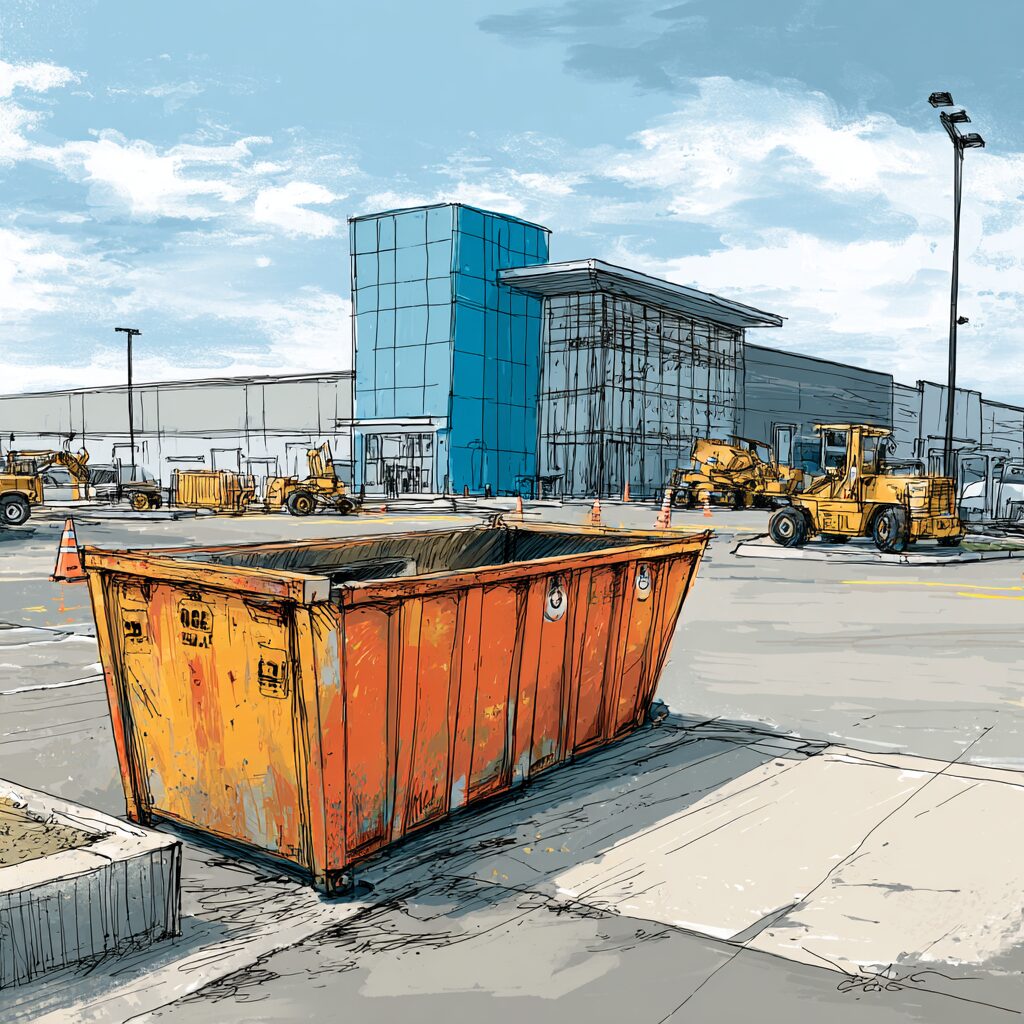
Retail environments operate under complex regulatory frameworks that affect waste management operations from health department oversight to municipal zoning requirements. Understanding regulatory compliance for retail dumpsters helps property managers avoid costly violations while maintaining the professional standards required for customer-facing commercial environments.
At Prime Dumpster, we’ve helped retail operations navigate compliance requirements nationwide, ensuring waste management practices meet all regulatory standards while supporting efficient business operations and renovation projects.

Different regulatory agencies oversee various aspects of retail waste management, requiring coordinated compliance strategies.
Food service areas require specialized waste handling procedures to prevent contamination and maintain sanitary conditions.
Health departments mandate separate containers for food waste and construction debris, with documented disposal procedures for materials that contact food preparation surfaces.
Local governments regulate container placement on public property and often require permits for extended rentals in commercial districts.
Municipalities enforce setback requirements, fire lane clearances, and zoning compliance that vary significantly between jurisdictions and require advance planning.
Commercial insurance policies include specific provisions for construction waste operations that affect liability coverage during renovations.
Property managers must verify that waste management activities comply with policy requirements to maintain coverage for accidents, property damage, and public liability incidents.
Workplace safety regulations apply to retail construction sites, requiring proper container placement, worker training, and hazard mitigation procedures.
OSHA standards mandate clear pathways, proper signage, and safety protocols that protect both construction workers and retail employees during renovation projects.

Property managers can maintain regulatory compliance through proactive planning while avoiding common violations that create liability and operational issues. Here’s a rundown of do’s and don’ts as recommended by our Prime Dumpster Pros:
Understanding regulatory compliance for retail dumpsters ensures your waste management operations meet all applicable standards while supporting efficient business operations.
Proactive compliance planning prevents costly violations and maintains the professional standards customers and regulatory agencies expect.
Contact us for guidance on navigating the complex regulatory requirements that affect retail waste management operations in your specific jurisdiction and business environment.
If you are looking for Q&A with the Prime Dumpster Pros: Dumpster Safety for Retail, Click Here


