Mon - Sat 7:00 am to 7:00 pm


Mon - Sat 7:00 am to 7:00 pm

Construction activity and event demand are converging to create a unique market for dumpster rentals in 2026. Multiple projects competing for the same container sizes, driver shortages affecting service windows, and rising disposal costs will affect availability across many US markets.
Preparing for a potential rental dumpster shortage in 2026 requires early booking strategies, flexible sizing options, and contingency planning that addresses regional variations and weather disruptions.
At Prime Dumpster, we’re monitoring supply chain pressures and demand patterns that could influence dumpster rental timelines for 2026. Our analysis covers peak-season planning, regional market dynamics, weather contingencies, and booking strategies to help contractors and event organizers secure containers all throughout the year.
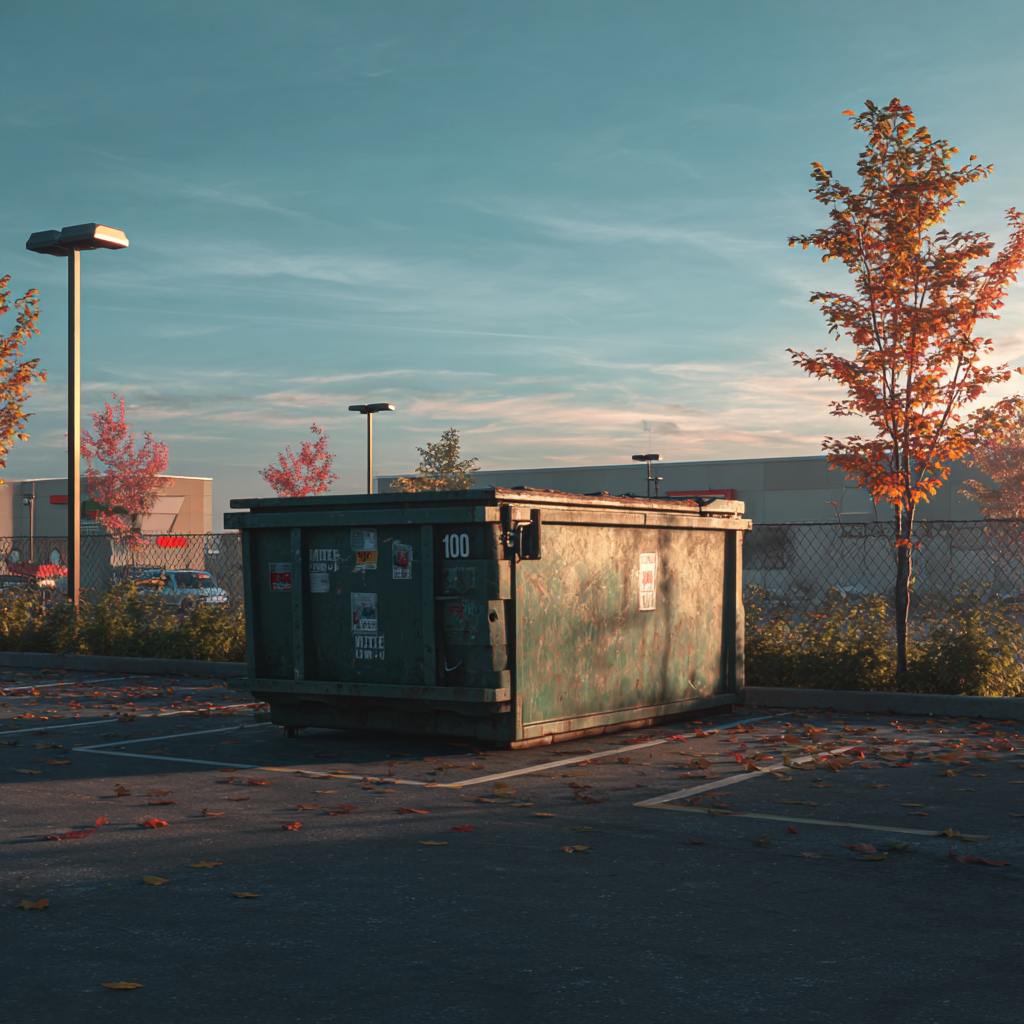
Weather delays and heat slow crews and complicate delivery schedules. Event footprints, utility work and road projects also block access during busy weeks. Confirm routing and mark placement zones before trucks arrive.
When projects that used to run one after another overlap, the same service sizes get pulled off the market faster. Lock in your primary size, then pre-identify acceptable alternates so you can act fast if providers sell out.
| Situation | Action | Timing |
| High-demand market | Book 4–6 weeks | Before May |
| Typical market | Book 3–4 weeks | Late spring |
| Shared projects | Stagger starts | Across peak months |
More building and renovation work is colliding with staffing limits, squeezing available containers and service windows. Below we break down the main drivers and what you can do to stay on schedule.
Rising construction activity pushes many projects into the same peak weeks. That raises demand for common sizes and pulls units off the market earlier.
Prime Dumpster Pro Tip: Book early and schedule deliveries around long‑lead materials so you avoid a missed week waiting for a container.
Driver shortages and maintenance needs slow swaps. Even with inventory, limited crews create service bottlenecks and missed windows.
Ask providers about driver staffing and maintenance plans. Book contingency swaps during busy weeks.
Shrinking landfill capacity forces longer hauls and higher tipping fees. Local disposal rules can also force reroutes or rejected loads.
Choose sizes matched to your debris mix. Separate heavy materials to avoid overweight trips and speed turnaround.
| Cause | Impact | Action |
| Surge in construction activity | Fewer units available; booked weeks in advance | Reserve 3–6 weeks; stagger starts |
| Driver and fleet limits | Slower swaps; missed windows | Check provider staffing; pre-book contingency |
| Landfill rules & fees | Longer hauls; possible rejections | Match size to materials; verify disposal rules |
Where your project sits on the map often decides whether service is easy to book or a scramble. Local building cycles, civic events, and permitting rules change lead times and delivery windows.
Year-round construction keeps fleets busy. Expect longer lead times and higher competition for common sizes.
Plan to book earlier, line up alternate providers, and avoid relying on last-minute swaps during big events.
Predictable public works and infrastructure programs mean you can forecast needs months ahead. That helps reduce surprises.
Coordinate with project timelines and watch for highway phases that push traffic to transfer stations.
Permits, narrow streets, and street-placement rules slow delivery and increase refusal risk.
File permits early, confirm staging zones, and schedule off-peak drops or smaller units when alleys are tight.
| Region | Typical reality | Planning tactic | Watch for |
| Sunbelt | High year-round demand | Reserve earlier; have backups | Event overlaps; hot weeks |
| Midwest | Predictable public works | Forecast months ahead | Bridge/highway push weeks |
| Coastal cities | Permit rules and tight access | File permits; use off-peak | Street closures; processing delays |
| Suburban growth areas | Mixed event and build competition | Monitor local calendars; stagger starts | Utility work tying up routes |
Weather can flip a well-planned schedule into a scramble. Summer storms, extreme heat and hurricane season all push crews, trucks and disposal facilities off plan.
When lightning, heavy rain or flooding hit, drivers must reroute. That can bump your delivery to the next day and stretch swap windows into weeks.
Storms stretch routes and slow pickups. Extreme heat cuts safe working hours and reduces daily deliveries. That adds to delays for all projects in a service area.
Hurricanes create instant spikes in demand. Fleets get pulled into disaster recovery, leaving fewer units for scheduled work. Reserve across phases before the season starts, not during it.
Ice and snow make approaches unsafe. Local plowing plans matter. After major storms, sites in recovery zones can get priority redeployments, which helps some projects and hurts others.
| Weather | Typical impact | Practical action |
| Summer storms | Shifted routes; next-day drops | Stage debris; book buffers |
| Hurricane season | Sudden surge in demand | Reserve containers across phases |
| Snow/ice | Delayed drops until cleared | Confirm plow plans; pre-authorize swaps |
New recycling rules are changing how many containers a site needs and how fast crews must work. Many cities now require separate streams for wood, metal, concrete and mixed debris. That raises container counts and adds steps before trucks arrive.
When jurisdictions force separate streams, you may need two or three times as many units. Plan for labeled containers and slightly larger staging areas. In denser markets, like West Coast cities, expect tighter rules and more units per project.
Permits and paperwork add time. Contamination in a labeled container can cause a pickup refusal, reloading fees or delays at transfer stations. Ask your provider about required manifests and diversion reports up front.
| Regulation effect | Impact | Action |
| Separation mandates | More containers; staging needs | Plan counts; map placement |
| Documentation rules | Longer lead times | Build permit time into schedule |
| Contamination policies | Refusals and fees | Train crews; use photo logs |
Plan bookings around seasonal peaks so your sites never wait on equipment. Locking dates early keeps crews moving and stops last-minute price jumps. We recommend simple rules you can apply across markets and projects.
Aim for 3 to 4 weeks’ notice in most markets during busy months. In high-growth areas that stay busy year round, push bookings to 4 to 6 weeks.
Off-peak weeks can handle shorter lead times. Still, allow extra days for permits, placement rules and weather that can shift windows.
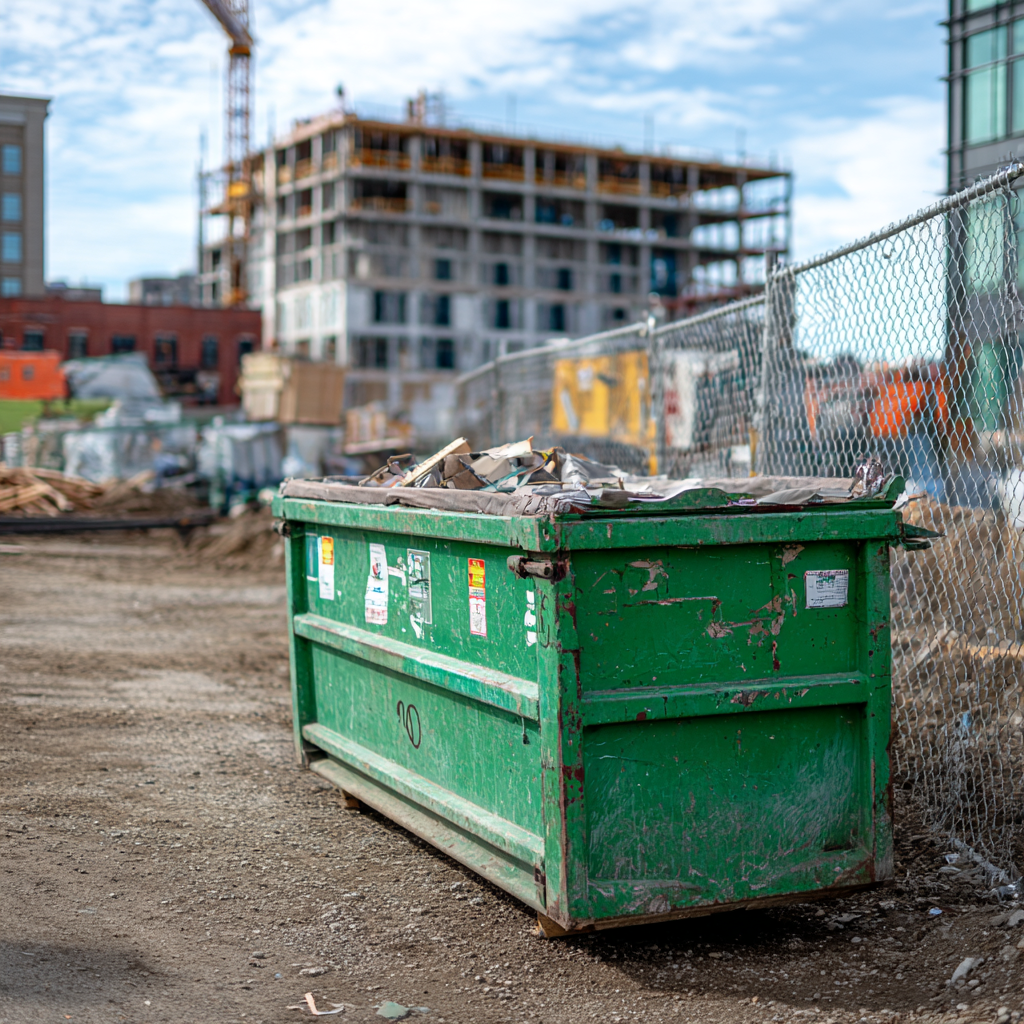
Choosing the right container size saves time, money and headaches during busy project weeks. Start by matching the container type to how you load and move materials on site.
Roll-off units work best where ground-level loading or large doors speed handling. They fit most construction and event sites and cut loading time for bulky items.
Common sizes run 10, 15, 20, 30 and 40 yards. Light demo and cleanouts often fit 10–15 yards. Major phases usually need 20–30 yards.
| Size (yd) | Common use | Weight note | Alternate option |
| 10 | Light cleanouts; small remodels | Low weight; good for bulky but light waste | Two 5-yd or one 15-yd |
| 20 | Medium remodels; site phases | Balanced capacity; popular in peak weeks | Two 10-yd or one 30-yd |
| 30 | Major demo; large cleanouts | High volume; watch weight for concrete/roofing | Two 15-yd or staged pickups |
| 40 | Large sites; long-term projects | High volume; used where access allows | One 30-yd + one 10-yd |
A smooth approach, clear placement, and simple signals save you hours and avoid reschedules. Prepare the spot like you would a staged set. Measure, mark and confirm so crews and drivers see the plan at a glance.
Measure the approach. Trucks often need about 60 feet of straight room and roughly 23 feet of vertical clearance for safe placement. Confirm overhead lines, tree limbs and scaffolding are out of the way.
Mark the placement zone with cones, paint or temporary flags. Keep vehicles, pallets and lifts out of the route on delivery day. Photograph the spot before the drop so everyone agrees on surface conditions.
Schedule pickups and swaps to match your heaviest debris days. Load evenly and stay below the rim. Overfilled or unsafe loads get refused and push your work into the next route window.
| Action | Why it matters | Result |
| Measure approach & overhead | Ensures safe placement | Faster delivery, no re-routes |
| Mark zone & photo before drop | Aligns team expectations | Fewer trip fees and disputes |
| Schedule swaps on heavy days | Matches service to debris flow | Quicker turnarounds, fewer refusals |
Document delivery and pickup conditions to resolve any overfill or damage disputes quickly. When you follow simple on-site steps, your rental and dumpster plans move from a gamble to a reliable part of the project rhythm.
Successfully navigating a potential rental dumpster shortage in 2026 requires understanding peak demand patterns, regional variations, and supply chain pressures that separate prepared projects from those scrambling for last-minute solutions. Early booking strategies, flexible sizing approaches, and weather contingency planning transform potential shortages into manageable logistics challenges.
At Prime Dumpster, our team is ready to help you develop booking strategies that secure container availability during peak periods. We understand regional demand patterns, seasonal pressures, and supply chain dynamics that affect 2026 availability. Contact us to lock in your container reservations and develop contingency plans that keep your projects moving regardless of market pressures.
If you are looking for 5 Tips for Navigating Local Dumpster Regulations, Click Here


