Mon - Sat 7:00 am to 7:00 pm


Mon - Sat 7:00 am to 7:00 pm
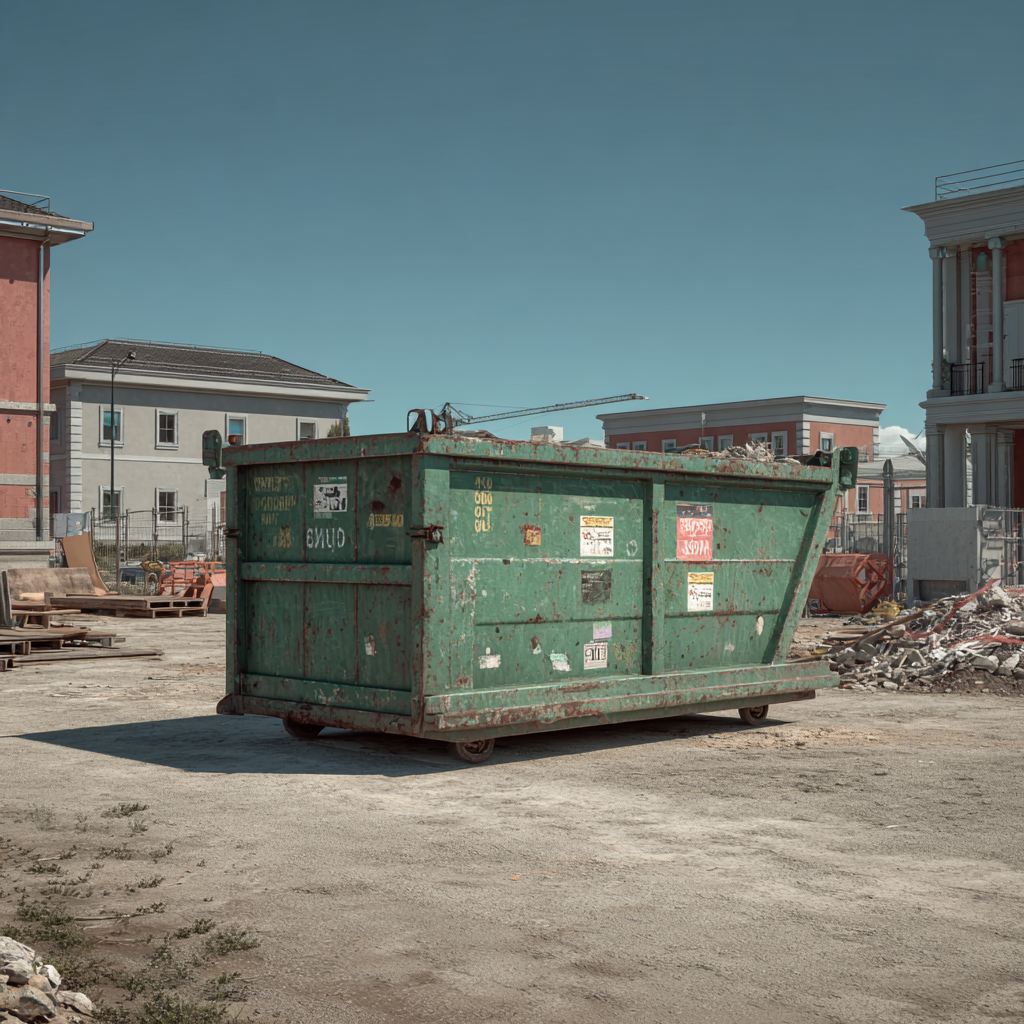
Your dumpster rental is booked and delivery is scheduled, but even the best-planned projects can hit unexpected snags that threaten timelines and budgets. Effective rented dumpster troubleshooting means recognizing potential problems before they become costly headaches and knowing exactly how to resolve issues when they arise.
At Prime Dumpster, we’ve helped thousands of customers navigate every type of rental challenge nationwide, from sizing mistakes and delivery complications to weight limit violations and unexpected fees. Our comprehensive troubleshooting guide covers the most common problems that catch experienced contractors and project managers off guard. You’ll learn providing proven solutions that keep your waste management running smoothly from delivery through pickup.

Selecting a container that’s too small forces expensive mid-project additions, while oversized units waste money on unused capacity. Many contractors and homeowners underestimate their debris volume or choose based on price alone rather than matching container size to actual project needs.
“The most common sizing mistake is picking a container based on budget instead of actual debris volume and material density. We see customers cramming concrete into 40-yard containers that should go in 10-yard units, then getting hit with massive overweight fees,” says a Prime Dumpster Pro.
“Smart sizing starts with honest assessment of what you’re throwing away – heavy materials like concrete need smaller containers even for large projects, while lightweight debris from cleanouts can fill bigger units efficiently. Always discuss your specific materials with your provider rather than guessing, because the right size prevents both overage charges and the headache of needing emergency additional containers mid-project.”
Delivery trucks require specific clearances and access conditions that many customers fail to prepare, leading to failed deliveries and rescheduling fees. Common issues include blocked driveways, insufficient overhead clearance from power lines or tree branches, and soft ground conditions that can’t support the container’s weight.
“Most access problems happen because people underestimate how much space trucks actually need – they typically require 60 feet of straight-line clearance and 25 feet of overhead space, which is more than most customers expect. When drivers arrive and can’t safely place the container, they have to leave empty and charge a trip fee for the wasted visit,” says a Prime Dumpster Pro.
“The solution is walking your placement area with a tape measure before delivery day and checking for overhead obstacles like low-hanging branches or power lines. Clear the entire access path of parked cars, equipment, or materials, and if your surface is soft or newly paved, lay down plywood boards to distribute the weight and prevent damage to your property.”
Heavy dumpsters can crack driveways, damage decorative surfaces, or leave permanent marks on asphalt and concrete. Many customers don’t realize that even careful placement can cause surface damage due to the container’s weight concentration points and metal contact with delicate materials.
“Driveway damage is totally preventable, but you’ve got to prepare before the container shows up. Once it’s sitting on your driveway, the damage is already done,” says a Prime Dumpster Pro.
“We always tell people to put down three-quarter-inch plywood where the container’s going to sit. It’s like putting snowshoes on [where you] spread the weight out so you don’t get those pressure points that crack concrete or dent asphalt. If your driveway’s already got some cracks or it’s older, double up on the plywood just to be safe.”
Exceeding weight limits triggers expensive overage fees and can result in refused pickup until excess materials are removed. Customers often focus on filling the container’s space without considering that heavy materials like concrete, soil, or masonry can max out weight allowances while leaving the container looking half-empty.
“People get in trouble because they’re thinking about space instead of weight. A cubic yard of concrete weighs over 4,000 pounds – that’s crazy heavy,” says a Prime Dumpster Pro.
“So you throw in just a few yards of concrete and boom, you’ve maxed out your weight limit even though the container looks half empty. When our driver shows up and the scale says it’s overweight, they can’t legally haul it until you take some stuff out. Nobody wants to deal with that headache, so just ask us about weight limits upfront and match your heavy stuff to smaller containers.”
Accidentally including hazardous items like paint, batteries, chemicals, or electronics can contaminate entire loads and result in refused pickup or expensive reprocessing fees. Many customers don’t realize that disposal regulations vary by location, and items that seem harmless can actually violate environmental rules or facility policies.
“The prohibited items list isn’t just us being picky, it’s about following environmental laws and keeping our drivers safe. When hazardous stuff gets mixed in with regular debris, the whole load can get rejected at the landfill,” says a Prime Dumpster Pro.
“We always give customers a list of what can’t go in, but people forget or think ‘just this one little thing won’t matter.’ Trust me, it matters. One paint can or old car battery can turn your simple pickup into a contamination issue that costs way more than just disposing of those items properly in the first place.”
Missed delivery windows and pickup delays can throw entire project timelines off track, especially when crews are waiting to start work or containers are full and blocking site access. Weather, route changes, and scheduling conflicts can create unexpected delays that impact productivity and project completion dates.
“Delays happen – trucks break down, weather gets nasty, or we hit traffic that puts us behind schedule. The solution is building some buffer into your timeline instead of cutting everything super tight,” says a Prime Dumpster Pro.
“If you absolutely need the container on a specific day, let us know when you book it. We can often work around critical deadlines, but we need advance notice. Same thing with pickup – don’t wait until the last minute to call for removal, especially during busy season when everyone’s trying to get their containers picked up at once.”

Surprise charges on final bills often catch customers off guard when they haven’t read the fine print or understood what triggers additional fees. Common unexpected costs include trip fees for blocked access, overage charges for exceeding weight limits, and extended rental fees when pickup gets delayed beyond the agreed timeframe.
“Most surprise fees aren’t really surprises – they’re spelled out in the rental agreement, but people don’t always read through everything carefully. The big ones that catch people are usually weight overages, extra rental days, or trip charges when we can’t access the container,” says a Prime Dumpster Pro.
“The best way to avoid unexpected charges is to ask questions upfront. What’s my weight limit? What happens if I need it longer? What if you can’t pick it up on the scheduled day because my driveway’s blocked? Once you know the rules, it’s pretty easy to stay within them and keep your final bill exactly what you expected.”
You now have the complete rented dumpster troubleshooting toolkit that turns potential disasters into manageable situations with clear, actionable solutions. From sizing corrections and property protection to compliance issues and fee prevention, these proven strategies ensure your waste management supports rather than sabotages your project success.
Smart troubleshooting transforms challenges into learning opportunities that make future rentals even smoother. Prime Dumpster’s nationwide experience means we’ve seen every problem and perfected every solution, giving you professional guidance that prevents issues before they start. Contact our team for your next project and experience the confidence that comes from working with waste management professionals who understand both the challenges and the solutions.
If you are looking for Rented Trash Dumpster Playbook: How to Rent Multiple Dumpsters at Once, Click Here


