Mon - Sat 7:00 am to 7:00 pm


Mon - Sat 7:00 am to 7:00 pm
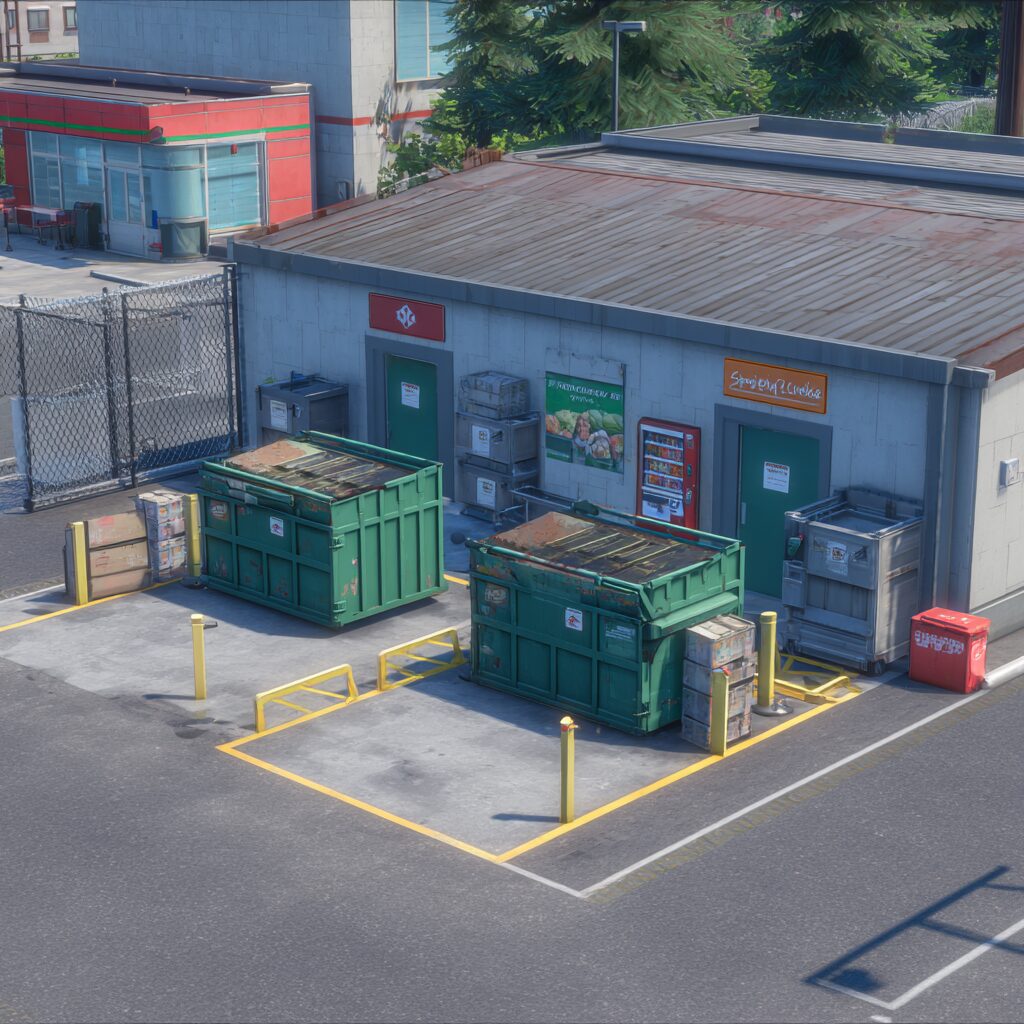
Retail waste management can make or break your renovation timeline, customer experience, and bottom line. From strip mall updates that need to keep stores open to major shopping center overhauls, smart waste disposal planning prevents the chaos that derails projects and frustrates customers.
At Prime Dumpster, we’ve helped retail operations nationwide tackle everything from single-store refreshes to multi-tenant construction projects. Our comprehensive guide to roll-off dumpsters for retail and shopping centers covers the practical strategies you need to know.
Retail environments face unique waste management challenges that require specialized solutions and strategic planning.
Retail renovations generate mixed debris streams while stores remain open to customers, creating safety hazards and operational disruptions that can impact sales and customer experience.
Strategic container placement and phased waste removal schedules maintain customer access while efficiently managing construction debris, fixtures, and packaging materials.
Enclosed shopping centers face complex logistics for waste removal due to limited access routes, shared common areas, and the need to coordinate multiple tenant renovation schedules simultaneously.
Centralized waste management coordination and designated service corridors allow efficient container placement while maintaining emergency access and customer flow throughout the facility.
Multi-tenant properties require coordinating diverse waste streams from different retailers while managing costs, compliance requirements, and tenant satisfaction across varied renovation timelines.
Master service agreements and standardized waste management protocols provide volume discounts while ensuring consistent service quality and regulatory compliance for all tenant improvement projects.
Strip malls struggle with limited space for container placement while maintaining adequate customer parking and storefront visibility for active businesses.
Strategic placement behind buildings or at property edges, combined with flexible pickup schedules, keeps waste operations invisible to customers while supporting efficient renovation workflows.
Store transitions generate concentrated waste volumes from inventory disposal, fixture removal, and buildout materials that must be handled within tight lease termination or opening deadlines.
Coordinated container sizing and pickup timing ensure complete waste removal while meeting lease requirements and preventing delays in store opening or property turnover schedules.
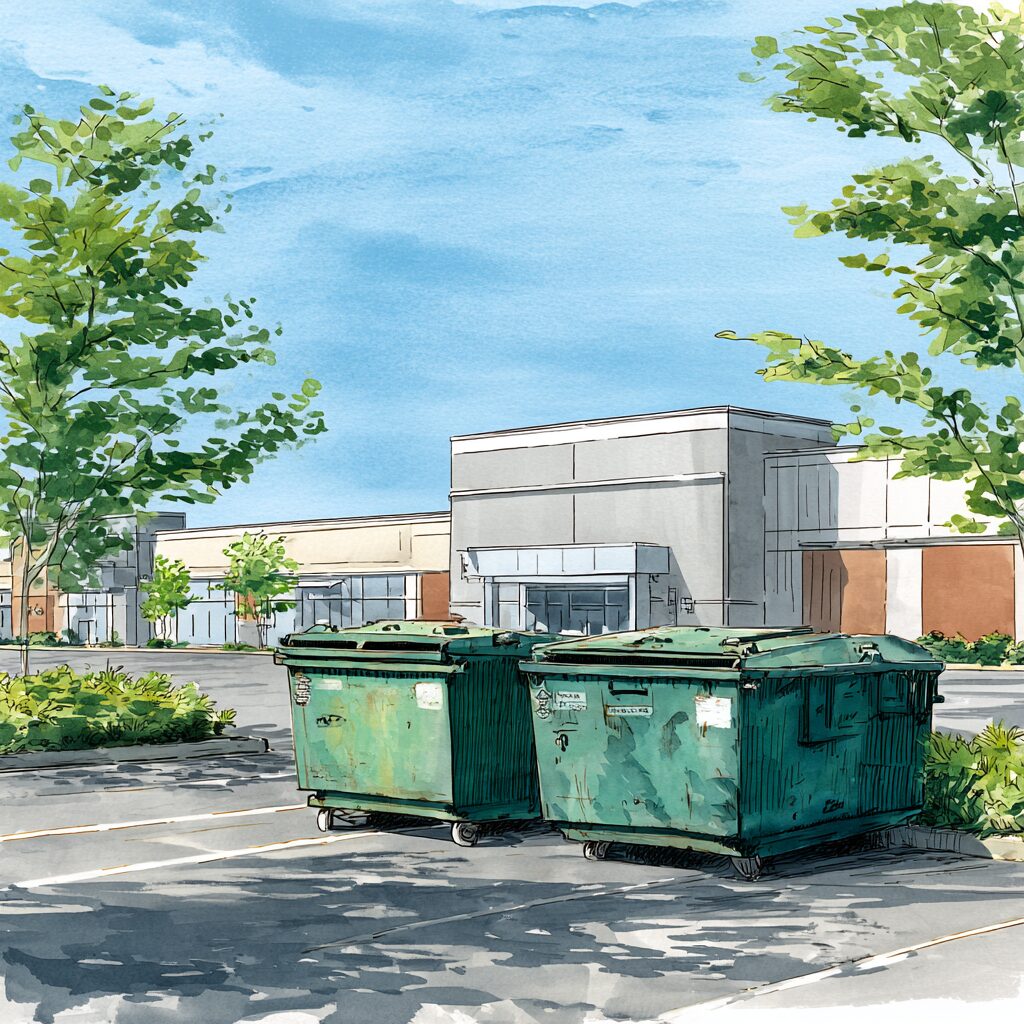
Retail spaces generate complex waste streams that require strategic management. From bustling strip malls to expansive shopping centers, each retail environment presents unique waste disposal challenges that demand careful planning and innovative solutions.
Retail waste streams encompass a diverse range of materials that require specialized handling. Managers must navigate multiple waste categories:
Waste management challenges intensify during specific retail cycles. Peak disposal periods typically occur during:
Retail establishments face significant waste management challenges that require strategic approaches. Space constraints, diverse waste types, and customer experience considerations create complex disposal scenarios for managers.
Successful waste stream management demands careful planning, efficient container placement, and proactive disposal strategies. Retailers must balance operational efficiency with environmental responsibility while maintaining a clean and welcoming environment for customers.
Choosing the perfect dumpster size for retail project waste management can make or break your renovation success. Retail spaces have unique waste disposal needs that vary dramatically depending on the project scope.
When evaluating dumpster sizes for retail, consider these critical factors:
We’ve crafted a comprehensive dumpster size guide tailored specifically for retail environments:
| Dumpster Size | Pickup Truck Loads | Typical Retail Use |
| 10-yard | 3-4 loads | Small store refreshes, minor cleanouts |
| 15-yard | 4-6 loads | Medium boutique renovations |
| 20-yard | 6-8 loads | Moderate retail space upgrades |
| 30-yard | 10-12 loads | Large store remodels |
| 40-yard | 12-16 loads | Complete store demolition or major renovation |
Prime Dumpster Pro Tip: Always round up your dumpster size estimate. Retail project waste management requires flexibility. Running out of space mid-project can create costly delays and logistical nightmares.
Don’t gamble with your waste disposal strategy. Selecting the right dumpster ensures smooth operations, keeps your renovation on track, and prevents unexpected expenses.
Effective dumpster placement is a critical component of shopping center logistics that can make or break operational efficiency. Retail waste management goes beyond simply finding a spot for a trash container. Property managers must carefully consider multiple factors that impact business operations, customer experience, and overall site functionality.
Successful shopping center waste management requires a strategic approach to dumpster placement that balances practical needs with aesthetic and safety considerations.
Loading dock waste management demands precision and careful planning. Optimal dumpster placement near loading areas can streamline waste disposal processes while minimizing disruption to daily operations. Consider these critical factors:
Dumpster placement plays a crucial role in maintaining smooth traffic circulation within shopping centers. Strategic positioning helps prevent bottlenecks and ensures emergency access remains unobstructed. Managers should create a layout that:
Safety remains paramount in shopping center waste management. Proper dumpster placement must account for emergency vehicle access, fire department requirements, and overall site security. Key safety considerations include:
By implementing thoughtful dumpster placement strategies, shopping centers can optimize waste management processes while maintaining an attractive and functional environment for customers and businesses alike.

Managing retail dumpster costs requires strategic planning and smart budgeting. Shopping center dumpster rental can quickly become a significant expense if not carefully managed. Smart waste management budgets start with understanding rental duration options and potential cost-saving strategies.
Rental duration plays a critical role in controlling waste management expenses. Retailers have several rental options to consider:
Cost-saving strategies can help retailers minimize their waste management budget without compromising efficiency. Consider these tips for reducing shopping center dumpster rental expenses:
Understanding fee structures is crucial for managing retail dumpster costs. Watch for potential additional charges like:
By carefully planning your waste management approach, you can significantly reduce expenses while maintaining a clean and efficient retail environment.
Retail renovation projects demand precise waste management coordination. Property managers face significant challenges when overseeing simultaneous store updates across multiple locations. Strategic planning becomes crucial to ensure smooth operations and minimize disruptions.
Successful multi-store renovation requires a comprehensive approach to waste management that addresses unique logistical challenges. Retail renovation planning involves careful scheduling, strategic container placement, and robust communication protocols.
Effective waste management coordination starts with creating a detailed project timeline. Consider these critical steps:
Strategic container placement can dramatically improve renovation efficiency. Retailers must consider space constraints, accessibility, and potential traffic disruptions when positioning dumpsters.
| Location Type | Container Size | Recommended Placement |
| Shopping Mall | 30-yard container | Rear loading dock area |
| Strip Mall | 20-yard container | Designated service area |
| Standalone Retail | 15-yard container | Side parking zone |
Clear communication channels are essential for seamless multi-store renovation waste management. Establish regular check-ins with:
By implementing structured waste management coordination, retailers can minimize disruptions, control costs, and ensure smooth renovation processes across multiple locations.

Navigating retail waste regulations requires a comprehensive approach to safety and compliance. Waste management compliance is critical for protecting employees, customers, and the surrounding environment. Retail businesses must implement robust dumpster safety protocols to minimize risks and ensure smooth operations.
Critical safety considerations for waste management include:
Understanding local and federal waste management regulations helps retailers avoid potential penalties and maintain safe working environments. Dumpster safety protocols play a crucial role in preventing accidents and ensuring efficient waste disposal.
| Safety Requirement | Compliance Action |
| Signage | Bright, clear warning signs around waste areas |
| Lighting | Adequate illumination for nighttime waste management |
| Access Control | Restricted entry to waste disposal zones |
| Personal Protective Equipment | Mandatory safety gear for waste handling personnel |
Retailers must prioritize waste management compliance through comprehensive safety strategies. Regular staff training, clear communication, and proactive safety measures can significantly reduce workplace incidents and ensure smooth waste disposal operations.

Retail businesses are increasingly recognizing the importance of sustainable retail waste management. As environmental consciousness grows, stores must develop comprehensive strategies to minimize their ecological footprint and implement effective recycling programs.
Our approach focuses on transforming waste management from a mundane task into an environmental opportunity. Roll-off dumpsters play a crucial role in supporting retailers’ sustainability efforts, especially during peak shopping seasons when waste generation spikes dramatically.
Successful recycling programs require strategic planning and employee engagement. Consider these core steps for effective implementation:
Proper material separation is critical for environmental impact reduction. Retailers should create distinct collection streams for different materials:
| Material Type | Recycling Method | Estimated Diversion Rate |
| Cardboard | Baling and Recycling | 90% |
| Plastic Packaging | Dedicated Recycling Stream | 75% |
| Electronic Waste | Specialized E-Waste Recycling | 65% |
Retailers can significantly minimize waste through proactive strategies:
By integrating sustainable retail waste management practices, businesses can reduce environmental impact while potentially lowering disposal costs and enhancing brand reputation.
Retail environments experience dramatic seasonal waste fluctuations that demand strategic waste management solutions. Holiday shopping seasons create massive waste streams, from packaging materials to excess inventory. Retailers must anticipate these seasonal retail waste challenges to maintain efficient disposal practices when using roll off dumpsters for retail and shopping centers.
Understanding holiday waste management requires careful planning. Black Friday, Christmas, and end-of-season clearance events generate substantial waste volumes that can overwhelm standard disposal capacities. Smart retailers develop flexible dumpster strategies that scale with retail waste fluctuations, ensuring smooth operations during peak periods.
Shopping centers face unique challenges during seasonal transitions. Post-holiday returns and inventory turnover create additional waste management complexities. Partnering with experienced waste disposal services helps businesses navigate these seasonal peaks efficiently. Implementing dynamic waste management approaches allows retailers to control costs while maintaining clean, organized spaces throughout the year.
Proactive planning separates successful retail waste management from reactive scrambling. By anticipating seasonal waste patterns, businesses can optimize dumpster sizes, schedule frequent pickups during high-volume periods, and minimize disposal disruptions. Retailers who master these seasonal waste strategies will reduce operational stress and maintain a professional, organized environment.
Smart waste management separates thriving retail operations from those constantly fighting debris problems and cost overruns. The right approach to roll-off dumpsters for retail and shopping centers keeps your business running smoothly while protecting your bottom line and maintaining the professional appearance customers expect.
Prime Dumpster’s team understands that retail environments demand more than basic waste removal—they require strategic coordination that balances operational needs with customer experience. Contact our specialists to discover how our expertise with roll-off dumpsters for retail and shopping centers can help you tackle any waste management challenge while keeping your business focused on what matters most: serving customers and driving sales.
If you are looking for PD Quick Guide: Regulatory Compliance for Retail Dumpsters, Click Here


