Mon - Sat 7:00 am to 7:00 pm


Mon - Sat 7:00 am to 7:00 pm

Ever signed paperwork without skimming every line? When managing a job site, that approach could cost thousands. A well-structured agreement with your waste container provider isn’t just bureaucracy – it’s your frontline defense against budget blowouts and scheduling nightmares.
Rolloff dumpster rental contracts for construction protects don’t need to be intimidating. When properly created, they help keep your project on track and prevent weight penalties, extension fees, and placement violations.
Prime Dumpster’s expertise helps construction teams navigate dumpster rental contracts for construction with clear explanations of critical terms and hidden clauses. Our detailed guide reveals what to look for, what to avoid, and how to negotiate agreements that protect your timeline and budget throughout every project phase.
Smart contract review helps construction companies avoid costly surprises and project delays from poorly structured dumpster rental agreements.
Now, let’s explore the detailed contract elements that protect construction projects from unexpected costs and scheduling complications.
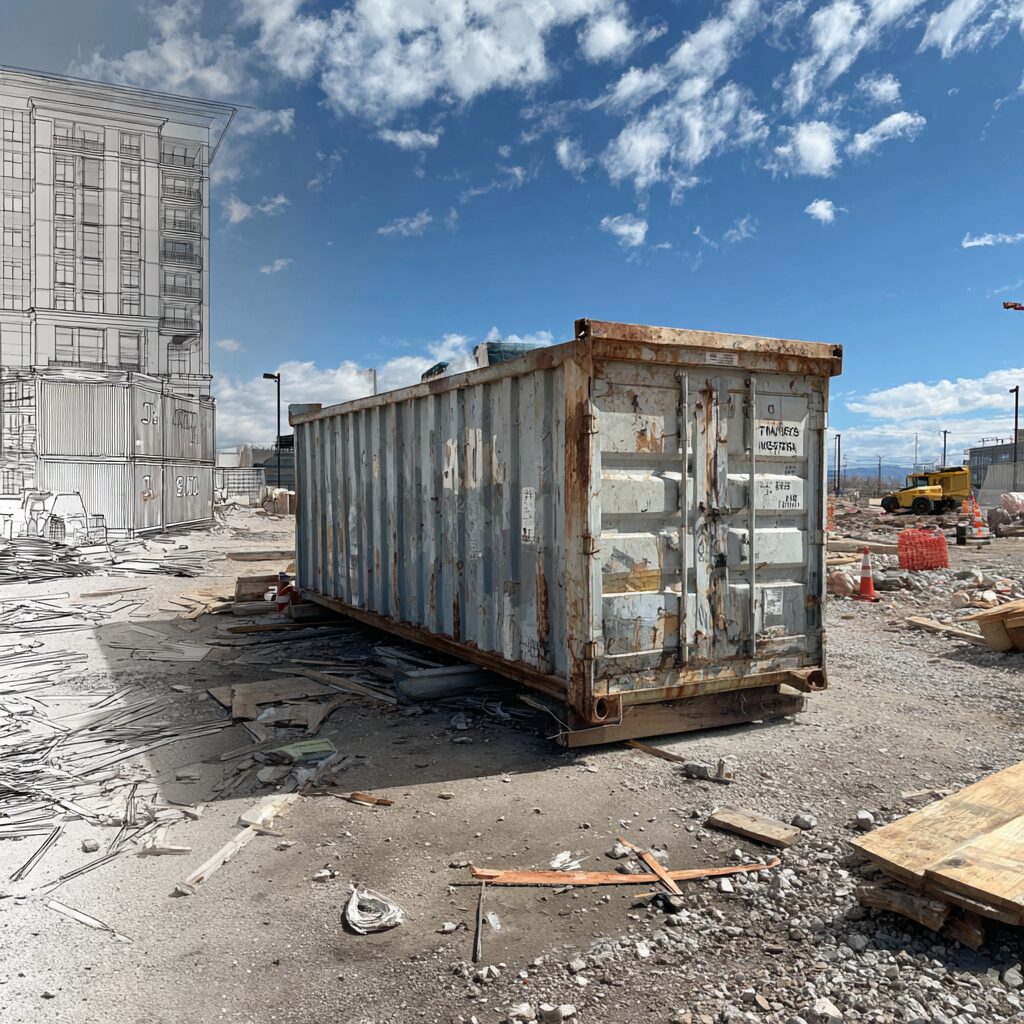
While different providers use different procedures, here are the seven elements that you’ll find in practically every contract, and that you’ll want to pay attention to.
Binding service periods dictate when your container arrives and departs – miss the window, and you’re stuck paying extra. Always match these dates to your project calendar.
Your contract must specify exact container dimensions and weight limits. Go over, and those surprise fees hit harder than a misplaced hammer.
Legit agreements from reputable companies detail every charge: delivery, pickup, overages, even weekend surcharges. No hidden gotchas means accurate budget forecasts.
Tossing prohibited items isn’t just risky – it’s often illegal. Your crew needs to know what stays out of the bin.
Contracts should outline where to place containers without damaging property or blocking traffic. Local rules vary, so double-check municipal requirements.
You’ll sleep better knowing who handles paperwork for street placements – no last-minute scrambles when inspectors arrive.
Verify the service period aligns with your project phases. Mismatches lead to rushed decisions or pricey extensions.
Choosing the right container dimensions makes or breaks your debris management plan. Let’s break down what fits where – and how sizing impacts your paperwork.
A 10-yard unit handles small residential jobs. Think single-room renovations or attic cleanouts. It’s low profile slides into tight driveways without permits.
Need more space? The 15-yard version keeps driveway-friendly proportions while accommodating roofing tear-offs or yard waste. Just watch weight limits when tossing dense materials like dirt.
Heavy-duty projects demand 20–30 yard options. These handle concrete chunks and demolition debris but require strategic placement. Contracts often mandate weight tracking for these sizes due to disposal costs.
Big sites? The 40-yard giant holds about 12 pickup trucks of debris. But remember – larger units need clear access and frequent pickups to avoid overflow penalties.
Keep in mind that dense materials typically require smaller containers. For example, concrete often needs a 10-yard container due to its density.
Your agreement’s fine print hides financial traps. Providers charge extra for overweight loads, extended rentals, or prohibited items.
Smart teams compare all fees: delivery, fuel surcharges, environmental fees. Ask providers to explain each line item. A small daily overage rate can matter when projects run long.

What separates budget-conscious pros from overspenders? It’s not magic – it’s mastering the art of service negotiations and material management. Let’s explore smart tactics that keep your project moving without financial surprises.
Demand full transparency before signing anything. Reputable companies willingly explain every potential charge – from weekend pickups to environmental surcharges. One contractor saved $1,200 by asking about holiday surcharges upfront.
Lock in extension rates early. Providers often offer better daily prices for planned extensions versus last-minute panic calls. One firm slashed extension costs 40% by committing to extra days during initial negotiations.
Time your pickups like a pro. Coordinate container swaps with project phases – why pay for empty space? Track debris accumulation and schedule hauls when units reach 80% capacity.
Separate heavy items from lightweight debris. Concrete chunks in one container, drywall scraps in another. This simple sorting hack helps avoid overweight penalties that can spike costs 25%.
Estimate smarter using volume calculators. Many companies provide online tools to match container sizes with project types. A roofing crew saved $900 by choosing the right unit instead of guessing.
Update providers immediately about timeline changes. Most will adjust schedules without penalties if notified 48 hours ahead. It beats paying for unused service days.
Build relationships with account managers. These pros spot potential issues before they cost you money – like suggesting cheaper alternatives when material mixes change mid-project.
Navigating agreements with service providers feels like assembling IKEA furniture without instructions – doable, but risky. Your paperwork holds the blueprint for avoiding fines, delays, and unexpected costs. Let’s decode the fine print that protects your site and budget.
Where you park that metal box matters more than you think. Contracts often specify exact placement on your property to prevent driveway cracks or utility line damage. One contractor learned this the hard way when their unit crushed a buried gas line – $8,000 later.
Local rules aren’t suggestions. Your paperwork should outline who handles permits for street placements. Chicago requires different approvals than Dallas, and timing varies wildly. Smart teams factor in 3-5 business days for processing.
| Contract Aspect | What to Check | Why It Matters |
| Placement Location | Minimum clearance from structures | Prevents property damage claims |
| Permit Responsibility | Who files paperwork | Avoids project-stopping fines |
| Weight Limits | Local road restrictions | Prevents municipal violations |
Mastering dumpster rental contracts for construction means protecting your project from any hidden costs and scheduling disasters that can derail even well-planned builds. Proper contract review and negotiation transform waste management from potential liability into reliable operational support.
Prime Dumpster specializes in construction-focused agreements that provide transparent terms, flexible scheduling, and comprehensive protection for complex project requirements. Contact our team to review how your rolloff dumpster rental contracts for construction can help ensure reliable waste removal throughout every build phase.
If you are looking for Dumpster Rental Duration Guide, Click Here


