Mon - Sat 7:00 am to 7:00 pm


Mon - Sat 7:00 am to 7:00 pm
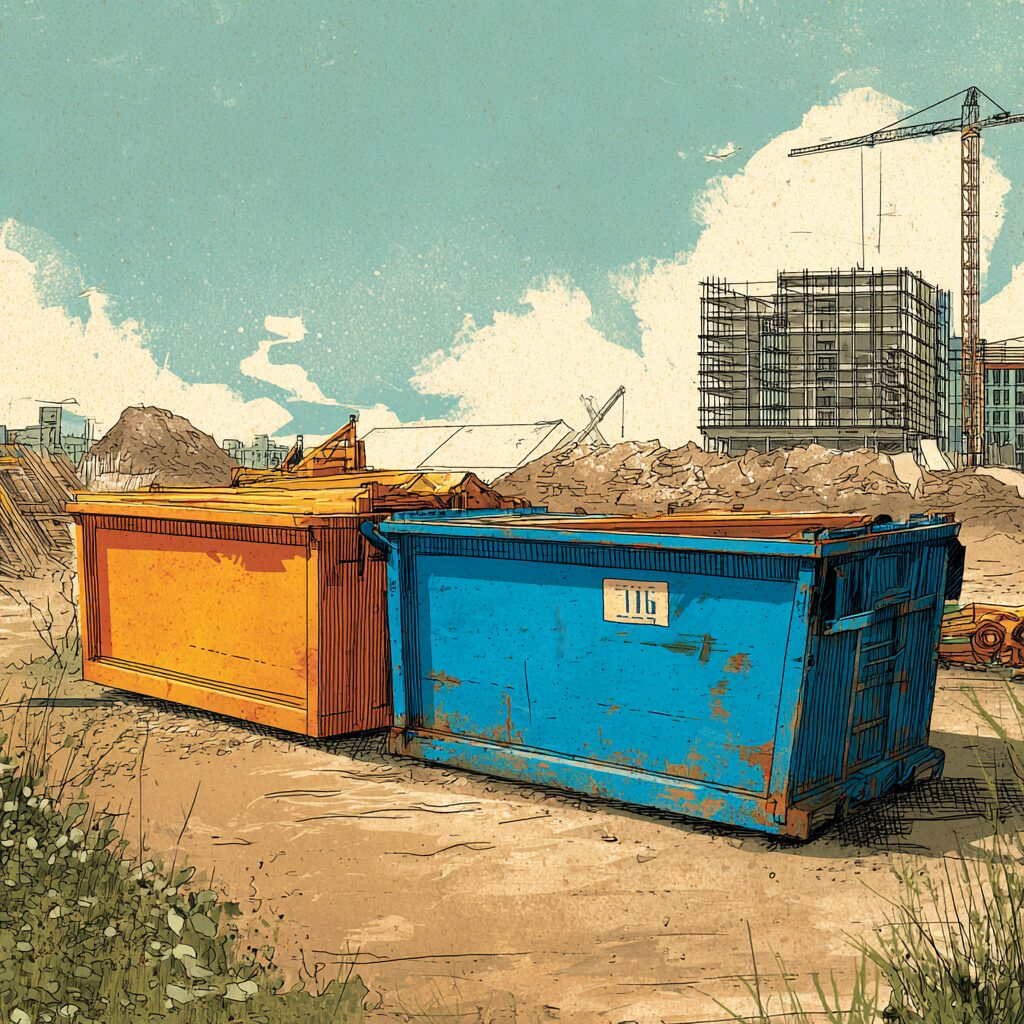
Tossing debris into a dumpster seems straightforward until something goes wrong – and trust us, preventable accidents happen more often than you’d think. Poor placement, overloading, and improper material handling turn simple waste disposal into safety hazards that can injure workers, damage property, and create costly project delays.
Learning basic safety guidelines for dumpster rentals near me helps you avoid these common mistakes while keeping your project running smoothly. Whether you’re tackling a weekend home project or managing a construction site, following simple safety practices makes waste disposal routine rather than risky.
At Prime Dumpster, we’ve seen how proper safety protocols prevent accidents and keep projects on track. Our guide covers the essential safety guidelines for dumpster rentals near me, including smart placement decisions, safe loading techniques, and hazard recognition that protects everyone involved in your waste management process.
We asked our Prime Dumpster Pros for their expert answers to the most common questions about dumpster safety and proper usage.
“OSHA requires construction sites to maintain clear access routes around dumpsters and ensure containers don’t block emergency exits or create fall hazards for workers,” says the Prime Dumpster Pro. “The main rule is keeping dumpsters positioned where they won’t interfere with equipment operation or create unsafe conditions, plus making sure workers wear proper PPE when loading heavy or sharp materials. OSHA also mandates that containers be placed on stable ground and maintained in good condition throughout the rental period.”
“The big no-nos are hazardous materials like paint, batteries, chemicals, and anything flammable or toxic that could create safety hazards during transport or disposal,” says the Prime Dumpster Pro. “Electronics, appliances with refrigerants, tires, and medical waste also require special handling through certified disposal programs. When in doubt, ask your rental provider – it’s much easier to clarify upfront than deal with rejection fees or environmental violations later.”
“Lockable lids and strategic placement in well-lit, visible areas deter most unauthorized access while protecting both your property and the people who might otherwise get hurt climbing into containers,” says the Prime Dumpster Pro. “Positioning dumpsters away from public walkways but within sight of your work area creates natural surveillance while preventing curious kids or scavengers from creating safety hazards. Clear signage about private property and potential dangers also helps keep unauthorized users away.”
“Never climb into a dumpster to retrieve items – it’s incredibly dangerous due to unstable debris, sharp materials, and potential toxic exposure from other waste,” says the Prime Dumpster Pro. “Contact your rental provider immediately and explain what you dropped – they have proper equipment and safety protocols to recover items safely.”
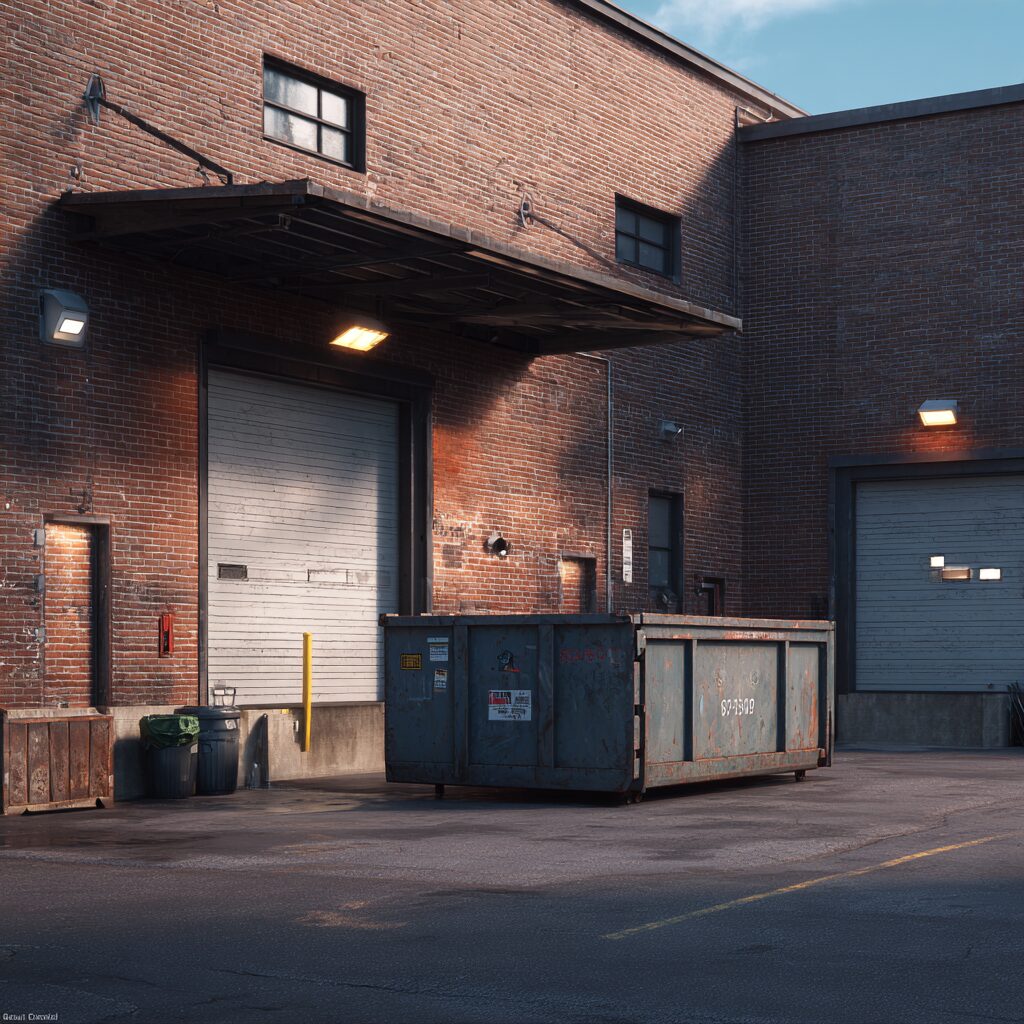
Ever stared at a pile of junk and wondered where to start? Choosing the right container makes all the difference. Let’s crack the code on rolloff dimensions so you’ll never pay for unused space or risk overflow again.
Think of a 10-yard unit as your garage’s best friend – it handles single-room cleanouts and fits like a sedan in your driveway. Need more muscle? The 15-yard option swallows roof tear-offs or basement revamps. Our mid-sized 20-yard hero tackles kitchen remodels with room to spare, standing 4 feet tall for easy loading.
Big jobs demand bigger solutions. A 30-yard container (6 feet tall) devours multi-story renovations, while the 40-yard giant eats entire building demolitions for breakfast. Remember: those yard numbers measure volume, not physical length. A 40-yard unit isn’t twice as long as a 20-yard – it’s taller and deeper.
Match your container to both quantity and material type. Heavy concrete? Downsize – weight limits mean a 10-yard unit often works better than larger options. Lightweight cardboard from retail spaces? A 20-yard becomes your recycling superhero.
Three factors decide your perfect fit: project scale, material density, and available placement space. Construction debris from a bathroom remodel fits neatly in 15 yards, while stadium cleanouts after playoff games might need multiple 40-yard units. Measure twice, rent once – getting this right keeps your site clutter-free and operations smooth.
That pile of discarded items might hold more surprises than you expect. While visible risks like sharp edges get attention first, true danger often lurks in overlooked details. Let’s uncover hidden threats before they disrupt your workflow.
Broken glass and twisted metal demand caution, but unstable ground beneath containers causes more spills. Check for soft soil or slopes before placement. Overhead power lines? Keep units at least 20 feet away during delivery and loading.
| Common Hazard | Red Flags | Quick Fix |
| Shifting Loads | Uneven debris pile | Flatten materials as you go |
| Chemical Leaks | Strong odors or stains | Isolate suspicious items |
| Electrical Risks | Metal near power sources | Use rubber gloves when handling |
Old paint cans and dead batteries seem harmless until they mix with other materials. Electronics contain heavy metals that contaminate soil if crushed. Garden chemicals? They can react violently when compacted.
Protect workers and the environment by separating these troublemakers:
Spotting risks early prevents costly cleanups. Look for bulging sides on containers, mysterious liquids pooling underneath, or unexpected fumes. When in doubt, call your disposal provider – better safe than facing fines!
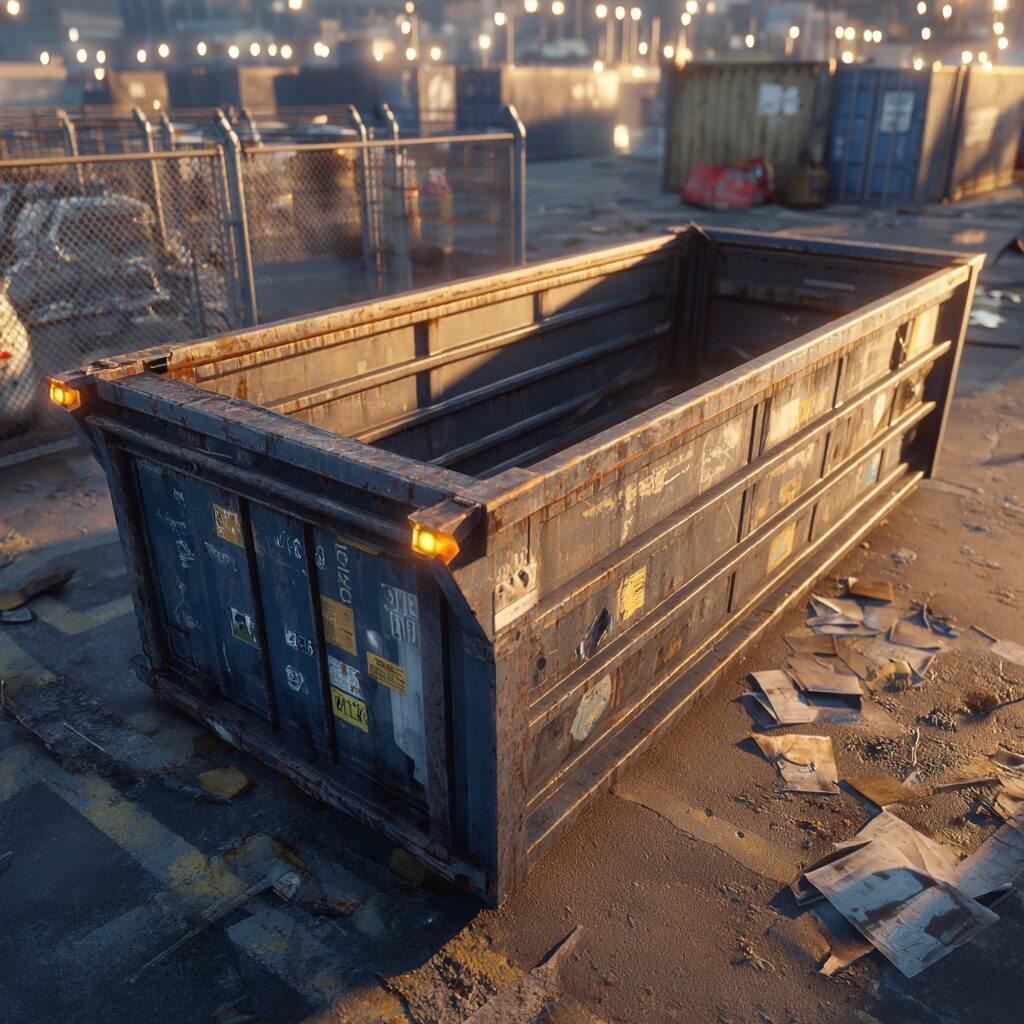
Ever watched a delivery truck struggle to position a container? Where you park your debris box matters as much as what goes inside. Let’s turn you into a location scout who could rival Hollywood’s best.
Start your ground check like a home inspector. Press your heel into the soil – if it sinks deeper than a quarter inch, find firmer footing. Scan upward, too: tree limbs and power lines need 18 feet of breathing room for delivery trucks.
Follow these clearance rules to avoid fines:
| Obstacle | Minimum Distance | Why It Matters |
| Fire Hydrants | 15 feet | Emergency access |
| Intersections | 10 feet | Driver visibility |
| Sloped Surfaces | 0° incline | Container stability |
Public spaces demand reflective markers on all corners – think of them as your container’s runway lights. Private property? Still mark those edges with bright cones after dark.
That pile of drywall isn’t heavy… until you stack eight feet high. Keep loads under the magic number your provider specifies – usually 2-4 tons depending on container size.
Try this pro trick: place dense bricks or concrete chunks first. Fluffier insulation goes on top like whipped cream. Watch for these warning signs:
Remember – overloaded units cost more than fines. They become tippy hazards that could dent cars or worse. When in doubt, order a second container. Your crew’s well-being beats tight budgets every time.
Think your worksite’s challenges are unique? You’re right – but solutions exist. Different spaces demand customized plans that match their rhythm and risks. Let’s explore how to adapt your approach whether you’re running a bustling job site or hosting thousands of concertgoers.
Construction zones thrive on controlled chaos. Here’s how to keep debris under control: schedule waste pickups during equipment downtime. Place containers where crane swings won’t turn them into accidental targets. Industrial plants add another layer – coordinate with facility management to avoid chemical cross-contamination.
Three non-negotiable rules for heavy industry:
Ever seen a food festival trash can erupt like a confetti cannon? Prevent that chaos with strategic placement. Position units behind vendor rows at concerts – not near porta-potties. Colleges need different tactics: place roll-offs behind dorms during move-out week, but block student access after dark. Sports venues require military precision.
When using dumpsters at public events, keep these tips in mind:
Government projects bring extra requirements. Expect documentation checks and surprise inspections. Keep waste logs updated daily – regulators love paper trails. Remember: what works on a college quad fails at a chemical plant. Match your methods to the environment’s heartbeat.
How many times have you lifted something heavy and felt that twinge in your back? Proper lifting technique separates smooth operations from sidelined workers. Let’s transform how you handle materials – because nobody wants their project halted by preventable strains.
Bend those knees like you’re sitting in an invisible chair. Keep loads hugged close – imagine holding a giant pizza box. Twisting while carrying? That’s how discs get angry. Gear up with these essentials:
Heavy materials belong low – think concrete blocks as your foundation. Fluffy insulation? That’s top-shelf material. Watch for these red flags:
Awkward items need teamwork. Grab a partner for furniture lifts – it’s not cheating, it’s strategy. Sharp debris gets wrapped in cardboard blankets before disposal. Stay organized: create zones for different materials like a grocery store aisle.
Ever tried parking a food truck at a crowded festival? Positioning your debris container requires similar strategic thinking. Smart placement balances easy access with minimal disruption – and keeps your project humming along.
Concrete pads win the surface stability crown every time. No pavement available? Lay thick plywood across grassy areas like you’re building a backyard stage. Check surfaces with this quick test:
Think of your container as a temporary traffic director. Keep driveways clear and maintain 12-foot road access – that’s pizza delivery truck width. Follow these clearance rules:
| Space Type | Required Gap | Reason |
| Parking Spots | 2 car lengths | Prevents blocked vehicles |
| Sidewalks | 4 feet minimum | Pedestrian access |
| Fire Lanes | Full clearance | Emergency vehicle access |
Night projects need glow-in-the-dark tape on container corners – think runway lights for garbage trucks. Always coordinate with local officials about placement rules before delivery day. A quick call can prevent fines and neighborly frowns.
Smart safety practices turn waste disposal from a potential headache into just another routine part of your project. Following basic safety guidelines for dumpster rentals near me prevents the accidents and mistakes that can turn a simple cleanout into an expensive problem nobody wants to deal with.
Prime Dumpster helps customers stay safe through straightforward guidance on placement, loading, and hazard recognition that works in the real world. Our team understands that safety doesn’t have to be complicated – just consistent and smart.
Contact our team to discover how our practical approach to dumpster safety keeps your project running smoothly while protecting everyone involved from unnecessary risks.
If you are looking for How Do I Rent a Dumpster Near Me?, Click Here


