Mon - Sat 7:00 am to 7:00 pm


Mon - Sat 7:00 am to 7:00 pm
Construction sites and event venues generate massive amounts of mixed waste that can overwhelm traditional disposal methods. Understanding single-stream vs multi-stream dumpster use helps you choose the recycling approach that saves time, reduces costs, and maximizes material recovery for your specific project needs.
The decision between single-stream vs multi-stream dumpster use affects everything from labor requirements and container costs to recycling rates and environmental impact. At Prime Dumpster, we’re experts in waste management solutions, and we’ve created this comprehensive guide to help you understand how single-stream vs multi-stream dumpster use.
Construction sites, events, and commercial projects can handle recyclable materials through different collection approaches that impact efficiency and environmental outcomes.
Single stream recycling allows all recyclable materials like paper, plastic, glass, and metal to be mixed together in one container for collection. Materials are sorted later at specialized facilities using machines, magnets, and manual labor to separate different types of recyclables.
Multi-stream recycling requires materials to be separated at the source into different containers based on material type before collection. Workers sort paper, plastic, glass, and metals into designated bins, keeping each material stream clean and uncontaminated.
Single-stream dumpsters work well for fast-paced construction sites and busy events where workers need to dispose of materials quickly without sorting. These containers accept mixed recyclables in one location, saving time during disposal but potentially reducing material quality due to contamination.
Multi-stream setups use multiple smaller containers or divided dumpsters to keep materials separated throughout the collection process. This approach requires more upfront planning and worker training but typically results in higher recycling rates and better prices for recovered materials at processing facilities.
Sorting trash doesn’t have to be a chore—unless you pick the wrong system. Let’s break down how different approaches affect your project’s efficiency and environmental impact.
Ever seen a “throw everything here” bin? That’s mixed recycling. All acceptable items go into one container, from cardboard to plastic bottles. Facilities later sort materials using conveyor belts, magnets, and human eyes.
Source-separated systems work like a filing cabinet for trash. Workers divide paper, glass, and metals before collection. This upfront effort keeps materials purer for reprocessing.
| Feature | Mixed Recycling | Source-Separated |
| Sorting Responsibility | Facility workers | Your team |
| Common Users | Busy construction sites | Green-certified events |
| Contamination Risk | Higher | Lower |
Mixed recyclables travel to Materials Recovery Facilities (MRFs). Machines and workers separate items—aluminum cans get crushed into cubes, while paper becomes bales. Contaminated loads? Those often end up in landfills.
Pre-sorted materials skip the MRF shuffle. Haulers deliver them directly to processors. This streamlined path means fewer hands touch your waste and more gets reused.
Ever wonder how stadiums stay spotless after 50,000 fans leave? Or why construction sites don’t drown in debris? The answer lies in matching container systems to specific challenges. Different industries demand tailored approaches to handling their leftovers.
Building projects create a tornado of materials. Broken drywall, metal scraps, and packaging pile up fast. Mixed collection works here when speed matters – toss everything in one place. But when salvaging copper pipes or clean lumber? Separated systems help crews recover valuable resources.
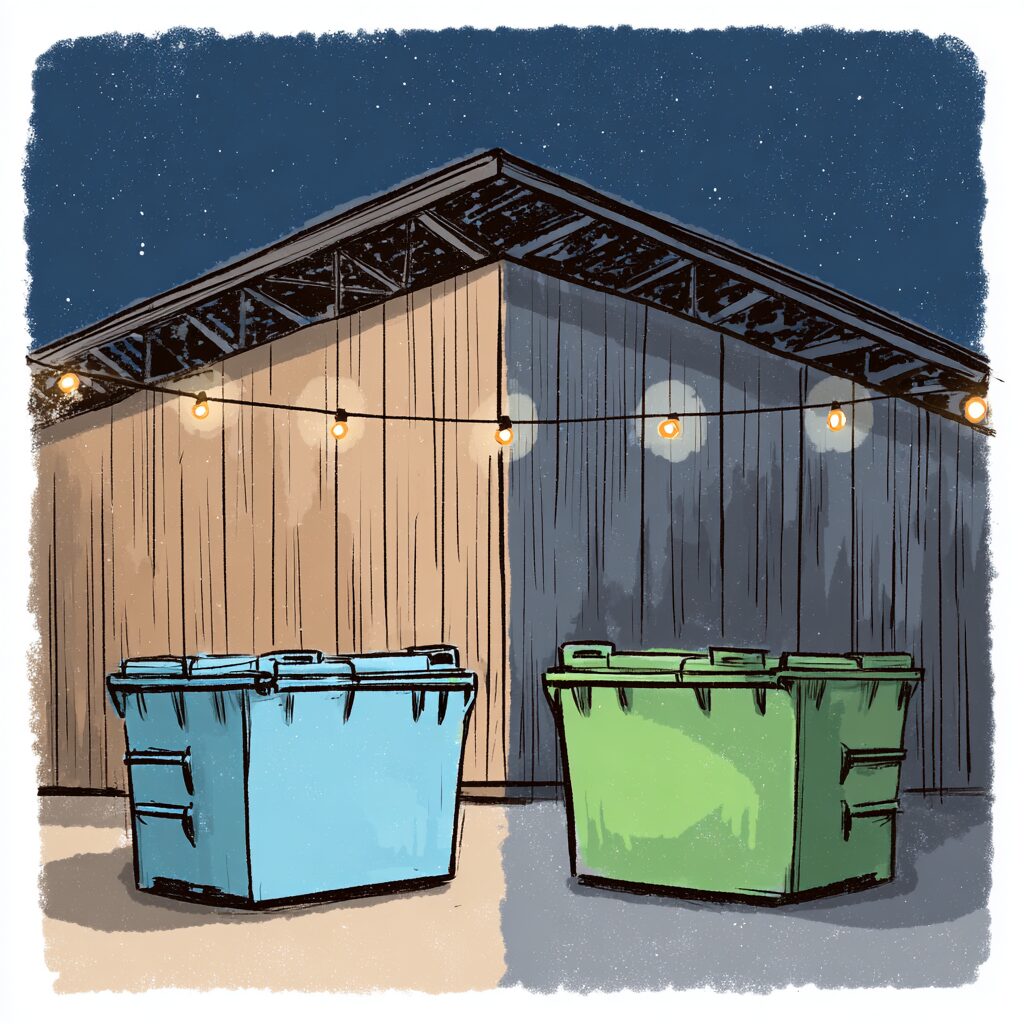
Many contractors use color-coded containers. Blue for metals, green for wood. This simple trick keeps recyclables pure enough for processing facilities. Bonus: It often cuts disposal costs since sorted materials fetch better prices.
Music festivals and sports games face different battles. Hungry crowds generate pizza boxes, drink cups, and napkins like confetti at a parade. Organizers love single-bin solutions here – no time to teach 20,000 people sorting rules.
Smart setups include:
Restaurant renovations and park upgrades show similar patterns. Quick-service joints might need grease traps, while playground makeovers deal with rubber mulch. The right containers turn chaos into manageable tasks.
Choosing the right dumpster size feels like picking shoes for a marathon – too small and you’ll trip over debris, too big and you’re wasting money on empty space. Your project’s scale determines which container becomes your waste management MVP.
Picture a kitchen remodel or garage cleanout. Compact 10-yard bins handle 3-4 pickup truck loads of mixed materials. These workhorses excel at residential jobs where tossing everything together saves time. Need more breathing room? A 15-yard unit swallows old furniture and flooring scraps while keeping recycling simple.
Commercial projects demand heavy-duty solutions. A 20-yard container tackles roof replacements, while 30-yard giants manage multi-room renovations. For stadium events or demolition sites, 40-yard behemoths provide critical capacity. Larger sizes often benefit from organized sorting – separate bins for wood, metal, and drywall boost recycling rates.
| Size | Best For | Capacity | Recycling Approach |
| 10-15 yd | Homes/Small Biz | 4-6 truckloads | Mixed materials |
| 20-30 yd | Medium Projects | 8-12 truckloads | Hybrid systems |
| 40 yd | Mega Jobs | 16 truckloads | Pre-sorted streams |
Prime Dumpster Pro Tip: Match your container to daily waste output. Construction crews filling a 40-yarder weekly might prefer multiple smaller units for better cost control. Always ask haulers about weight limits – concrete debris fills space faster than cardboard boxes.
What’s better – tossing everything together or sorting like a pro? Both approaches have fans and critics. Let’s explore how each system affects your wallet, schedule, and environmental impact.
All-in-one collection feels like magic. Workers save hours by skipping sorting steps. But this speed comes at a price – facilities report up to 12% plastic loss in paper batches. Contaminated loads often end up buried instead of reborn.
Separated systems demand more effort upfront. Teams divide materials as they work. The payoff? Cleaner recyclables fetch better prices. Think of it as fast food versus a home-cooked meal – one’s quicker, the other’s higher quality.
Upfront savings with mixed systems can be tempting. Haulers charge less per pickup. But processing plants add fees for dirty loads – those “savings” might vanish faster than yesterday’s coffee.
Sorted materials cut long-term expenses. Facilities spend less cleaning them, boosting profits. Many cities now offer rebates for clean recycling streams, making organization pay off literally.
| Factor | All-In-One Systems | Sorted Systems |
| Collection Costs | $25-$40/ton | $50-$75/ton |
| Contamination Rate | 9-15% | 2-5% |
| Material Quality | Mixed grades | Premium grade |
| Processing Costs | +$20/ton | -$10/ton |
| Time Impact | 15 min/day saved | 30 min/day spent |
Your choice depends on priorities. Need speed? Mix it up. Want quality? Sort carefully. Either way, knowing these trade-offs helps you trash-talk like a pro.

Ever tried herding cats? That’s what waste sorting feels like at busy sites. Choosing between combined or separated systems depends on your project’s rhythm and goals. Let’s explore which approach wins in specific situations.
Time-crunched construction crews love tossing everything together. No sorting means workers focus on deadlines instead of trash categories. High-traffic areas like concerts thrive with this method too – you can’t expect tipsy fans to separate aluminum cans from nacho trays.
Space matters. Urban renovations often squeeze multiple trades into tight areas. Single-container systems prevent bin overcrowding while meeting city recycling mandates. Check local rules first – some regions charge extra for contaminated loads.
Manufacturing plants handling precious metals need precision. Multi-bin setups keep copper scrap separate from regular trash, boosting resale value. Controlled environments like tech campuses benefit too – educated staff can sort materials properly.
Government projects often demand divided streams. Federal building upgrades might require keeping concrete, wood, and metals apart for specialized processing. These rules aren’t just red tape – they ensure maximum reuse of resources.
| Factor | Combined System | Separated System |
| Ideal Setting | Fast-moving sites | Value-driven operations |
| Setup Time | 5 minutes | 30+ minutes |
| Contamination Risk | 1 in 5 loads | 1 in 50 loads |
| Cost Efficiency | Lower upfront | Better long-term |
Still stuck? Ask haulers about their contamination thresholds. Some offer hybrid options – mixed bins for general waste plus dedicated containers for high-value materials. Smart pairing keeps sites clean and budgets healthier.
Ever get stuck in recycling limbo? Your trash strategy depends on more than good intentions. Local rules, facility capabilities, and even your neighbors’ habits shape what works best.
City hall isn’t just about parking tickets. Places like New York require businesses to recycle paper and metal. Skip the research, and you might face fines bigger than a landfill mound.
Check what processing plants handle nearby. Urban areas often have high-tech sorting centers, while rural towns might only take clean cardboard. Your recycling stream lives or dies by these limits.
| Location Type | Typical Facilities | Common Rules |
| Metro Areas | Advanced MRFs | Mandatory mixed recycling |
| Small Towns | Basic sorting stations | Strict material bans |
Your perfect recycling plan means nothing if trucks won’t show up. Some regions have three haulers competing; others share one overworked crew. Call providers before ordering containers.
Neighborhood norms matter too. Portland residents might riot if you skip compost bins, while Houston contractors prioritize speed over sorting. Match your approach to local culture.
Prime Dumpster Pro Tip: Google “[Your city] + commercial recycling rules” first. Many municipalities offer cheat sheets explaining exactly what goes where – and who’ll haul it away.
The choice between single-stream vs multi-stream dumpster use ultimately depends on balancing convenience, cost, and environmental goals for your specific situation.
Single-stream systems offer speed and simplicity for fast-moving projects, while multi-stream approaches deliver higher material recovery rates and long-term cost savings when properly implemented.
Smart waste management starts with understanding your project’s priorities and local capabilities rather than assuming one approach fits all situations. Contact our team to explore single-stream vs multi-stream dumpster use options that align with your project requirements while maximizing both operational efficiency and environmental benefits.
If you are looking for Dumpster Weight Calculator For Shingles, Click Here


