Mon - Sat 7:00 am to 7:00 pm


Mon - Sat 7:00 am to 7:00 pm
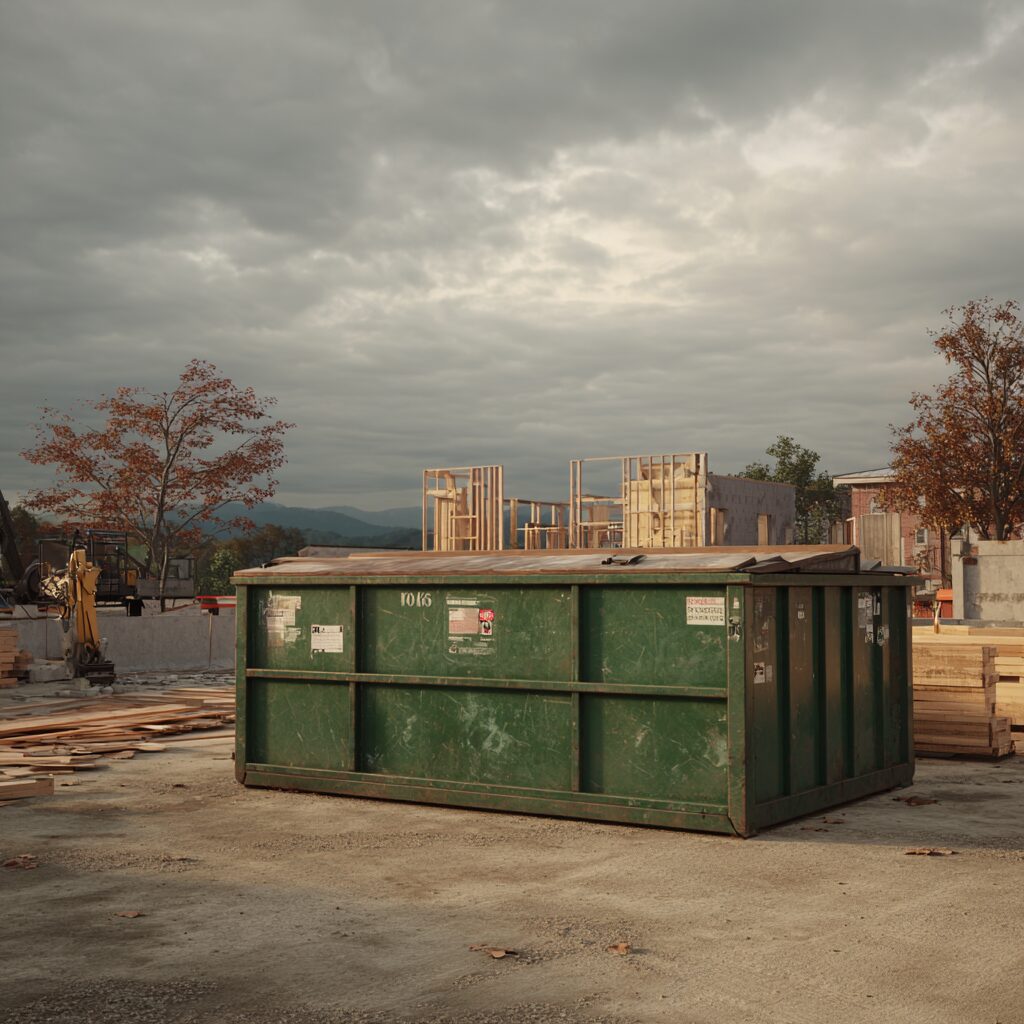
🍂 Autumn weather brings distinct obstacles for managing dumpster and porta potty operations. In our Fall Site Services Series, we’re examining how to maintain your site services running smoothly and cost-effectively throughout the fall months. 🍂
Fall season transforms routine site operations into potential safety hazards as wet leaves, early frost, and shortened daylight hours create slip risks around portable equipment. Construction teams, event planners, and facility managers must implement proactive measures to prevent accidents near dumpsters and portable restrooms during autumn’s challenging conditions.
At Prime Dumpster, we’re experts in comprehensive site service safety for fall protocols. Our guide is here to help construction teams, event planners, and facility managers maintain secure operations around portable equipment during autumn’s most challenging conditions.
Fall conditions create unique safety challenges that require specialized protocols for managing dumpsters and portable restrooms safely.
Weather Hazard Prevention: Wet leaves and morning frost turn routine pathways into slip hazards around portable equipment, requiring daily surface clearing and anti-slip treatments to prevent accidents.
Equipment Stabilization: Position dumpsters on stable, paved surfaces and use wheel chocks or anchoring straps to prevent shifting during autumn winds and ground softening from rain.
Enhanced Lighting Requirements: Install battery-powered LED strips and glow-in-the-dark markers around portable restrooms and container areas to compensate for shortened daylight hours and early darkness.
Cold Weather Preparations: Switch to glycerin-free sanitizers that won’t freeze and increase cleaning schedules during temperature drops to prevent ice formation on portable restroom surfaces.
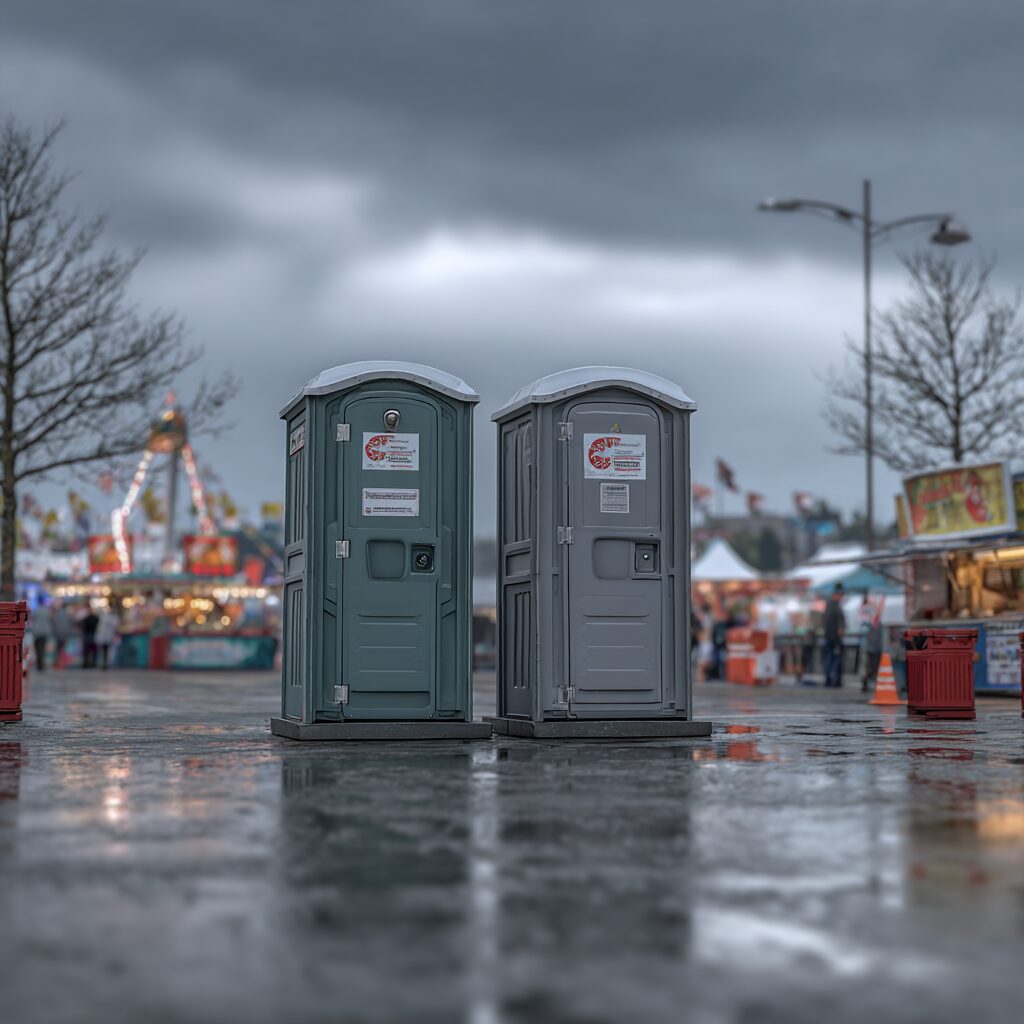
Shorter daylight hours force crews to race against dusk, increasing errors in low visibility. Morning frost transforms metal surfaces into skating rinks, while fallen leaves camouflage uneven terrain like nature’s booby traps. Consider these seasonal wildcards:
OSHA reports falls account for over one-third of construction fatalities annually. But it’s not just hardhat zones at risk—autumn weddings see guests navigating muddy fields in dress shoes, while trick-or-treat routes become obstacle courses. Smart prevention looks different for each scenario:
Construction teams might install temporary guardrails before leaf piles accumulate. Event planners could position hand sanitizer stations away from high-traffic areas to prevent congestion-related stumbles. The common thread? Anticipating problems before the first cider donut gets served.
Temperature drops also play tricks beyond chilled fingers. Cold weather stiffens safety harnesses and reduces grip strength, while early darkness impacts depth perception. Regular equipment checks become non-negotiable when mercury dips below 50°F.
Start with a boots-on-the-ground evaluation. Walk every inch of your space like a detective hunting for nature’s booby traps. Note where temporary equipment might turn pathways into obstacle courses when leaves pile up.
| Role | Key Tasks | Tools/Resources |
| Project Manager | Conduct weekly hazard checks | Checklist, weather apps |
| Safety Lead | Train staff on protocols | Training manuals, demo equipment |
| All Staff | Report slippery surfaces | Mobile reporting app |
Clear goals separate the prepared from the panicked. Set targets like “Zero weather-related incidents during October events” and display them where everyone sees them—taped to time clocks or screensavers.
Training isn’t just a checkbox exercise. Schedule hands-on drills where employees practice navigating leaf-covered walkways. Rotate team members through scenarios until responses become automatic.
Designate go-to problem solvers who patrol high-risk zones daily. These champions need sharp eyes to spot matted leaves hiding ice patches or loose cords snaking through pumpkin displays.
Orange leaves aren’t the only thing dropping this season—dumpster dilemmas peak in autumn too. Slippery surfaces and shifting weather demand smarter container strategies. Let’s explore how to match your debris needs with the right equipment while keeping work zones secure.
Picking the wrong dumpster size turns cleanup into a risky game of Jenga. A 10-yard container works for bathroom remodels, while roof tear-offs need 40-yard beasts. Check this comparison to select appropriate options:
| Capacity | Ideal For | Stability Tip |
| 10-yard | Small remodels | Place on paved surfaces |
| 15-yard | Garage cleanouts | Add wheel chocks |
| 20-yard | Flooring projects | Use plywood under legs |
| 30-yard | Roofing jobs | Anchor with straps |
| 40-yard | New construction | Install temporary barriers |
Fall rains turn dirt into sludge faster than a pumpkin spice latte sells out. Avoid areas where leaves collect or water pools. Position containers at least 10 feet from working zones and doorways.
Stabilize equipment on soft ground by laying gravel beds or metal plates. Clear surfaces daily—wet leaves under dumpsters become nature’s banana peels. For elevated locations, install guardrails meeting the 200-pound force standard.
Lightweight materials fly like witches’ brooms in autumn winds. Secure tarps with ratchet straps and weight down loose debris. Mark walking paths with glow-in-the-dark tape when daylight fades early.
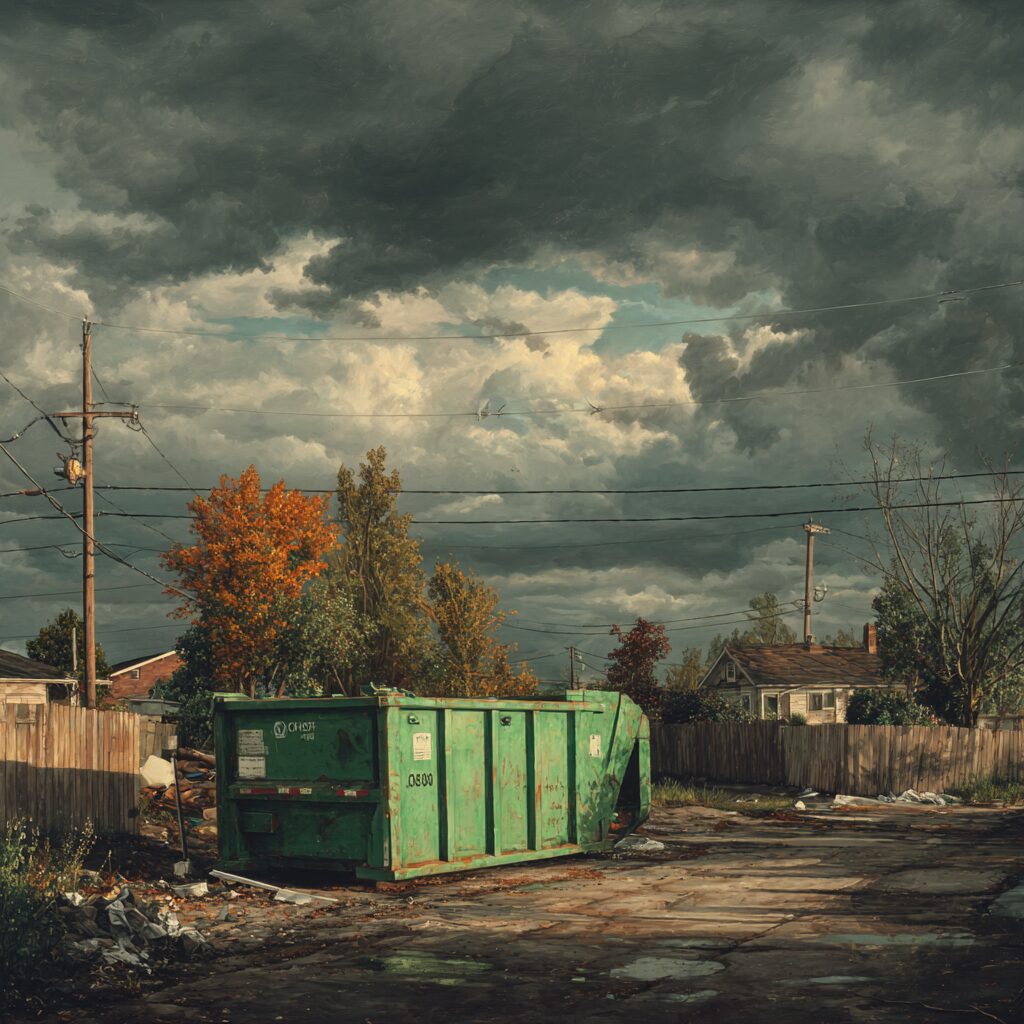
Portable restrooms become unexpected trouble spots when temperatures dip. Between muddy pathways and surprise frost, these units need strategic planning to keep guests upright. Let’s explore how to match facilities to your needs while tackling autumn’s slippery surprises.
Standard units handle construction crews but lack flair for weddings. Upscale events often upgrade to flushable models or models with sinks– though these often require antifreeze checks once mercury drops.
Towable toilet units allow for flexible placement options in large spaces but require screw-in ground anchors to withstand high winds.
ADA-compliant units need extra love. Clear approach paths of wet leaves, and extend handrails to parking areas.
Frost transforms plastic floors into skating rinks. Triple cleaning schedules during rainy weeks, and swap standard sanitizer for glycerin-free formulas that won’t freeze. Battery-powered LED strips along steps prevent after-dark missteps as daylight shrinks.
Monitor weather apps like a hawk – when frost warnings hit, dispatch teams to lay salt-free ice melt around high-traffic zones. Remember: Dry floors aren’t just about comfort. They’re your first defense against liability claims when pumpkin beer flows freely.
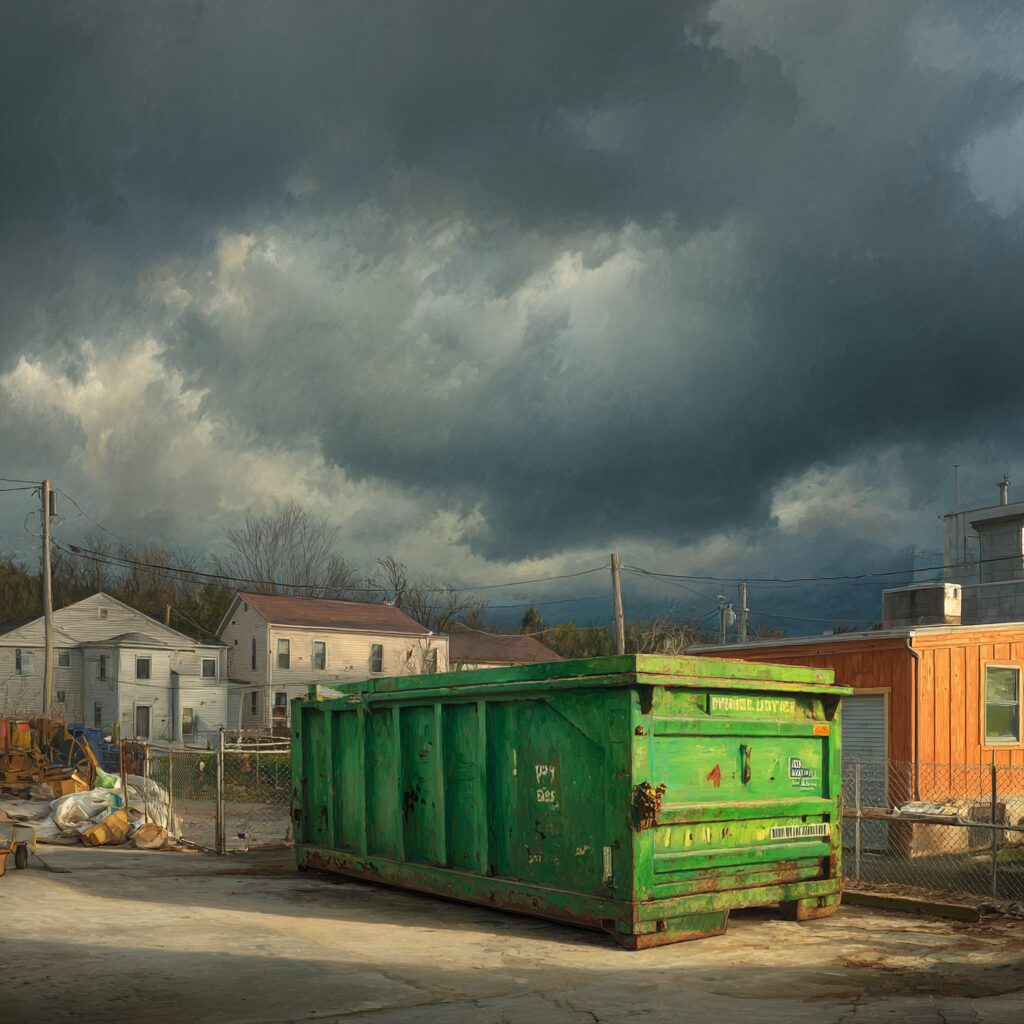
Construction crews face a double threat when leaves start swirling – gravity never takes time off, and neither should your protection plans. Let’s explore how to combine physical barriers with smart layout changes that keep teams productive as temperatures drop.
Strong barriers make better neighbors than bandages. Install permanent guardrails where autumn winds whip through scaffolding, using steel posts that laugh at 200-pound impacts. For temporary zones, interlocking aluminum systems allow quick reconfiguration when pumpkin deliveries arrive.
| Solution | Best For | Pro Tip |
| Fixed Guardrails | Roof edges | Pre-drill holes before frost |
| Mobile Barriers | Remodeling jobs | Use sandbag bases |
| Fall Arrest Gear | Bridge work | Store harnesses indoors |
Personal arrest systems need TLC when mercury dips. Check lifelines for stiffness daily – cold turns some ropes brittle. Position anchor points away from leaf blower paths and pumpkin spice coffee stations.
Shorter days demand lighting that plays nice with protection gear. Mount LED strips along guardrail tops using industrial velcro – no drilling required. Reroute material paths to avoid crossing arrest system zones, especially near portable restrooms.
When nor’easters hit, switch to backup plans faster than a turkey trot. Designate wind monitors to call audible alerts when gusts exceed 35 mph. Remember: Dry gear works best – stash extra gloves in that heated lockbox.
Bridezillas and zombie hordes have more in common than you’d think – both demand creative crowd control. Seasonal celebrations mix champagne toasts with hidden trip traps, requiring stealthy protection plans that don’t kill the vibe.
Mason jar lanterns do double duty when strung along temporary guardrails. Swap orange traffic cones for hay bales wrapped in fairy lights near portable restrooms. We’ve seen savvy planners use faux pumpkins to weight down extension cords across leaf-covered lawns.
| Safety Feature | Wedding Solution | Halloween Adaptation | Purpose |
| Path Markers | Burlap aisle runners | Glow tape on fake cobwebs | Prevent missteps |
| Lighting | Edison bulbs in trees | Strobe-free purple LEDs | Maintain visibility |
| Barriers | Boxwood hedges in planters | Haunted “graveyard” fencing | Block hazard zones |
Costume challenges? Vampire capes become trip hazards near fire pits. Assign staff to remind guests to hitch up trailing fabrics when approaching food stations or restroom clusters.
Map exit routes like you’re planning a zombie escape. Position glow-in-dark arrows pointing toward evacuation paths – they’ll blend with spooky decor while guiding panicked crowds. Conduct walkthroughs with actors in bulky costumes to test accessibility.
Last call at the open bar? That’s your cue to roll out non-slip mats. Train bartenders to signal security when pathways get congested. Remember: A tipsy guest in stilettos navigating cornstalk decor needs clear paths more than another cocktail.
Homeowners frequently rent dumpsters during fall months for remodeling projects, landscaping cleanup, and seasonal home maintenance tasks. Residential properties present unique safety challenges as family members, neighbors, and visitors may encounter portable containers in driveways, yards, or street-side locations where safety protocols aren’t as formal as commercial job sites.
Fall weather compounds these residential safety risks as wet leaves create slippery surfaces around containers while shortened daylight hours reduce visibility for loading and accessing dumpsters.
Strategic placement on stable surfaces, proper lighting installation, and clear pathway maintenance help prevent accidents while protecting property from damage during autumn’s unpredictable weather conditions.
Mastering site service safety for fall requires understanding seasonal hazards and implementing protective measures that keep workers and guests safe around portable equipment throughout autumn’s unpredictable conditions. Strategic safety planning transforms potential seasonal obstacles into manageable operational considerations that protect both people and projects.
Prime Dumpster’s commitment to site service safety for fall combines industry-leading protocols with practical solutions that adapt to changing weather conditions and seasonal challenges. Contact our safety-focused team to discover how our comprehensive approach can help you maintain secure, compliant operations while managing dumpsters and portable restrooms through every autumn challenge.
If you are looking for Guide to Site Services for Halloween Events, Click Here


