Mon - Sat 7:00 am to 7:00 pm


Mon - Sat 7:00 am to 7:00 pm

Roofing projects produce large, heavy volumes of debris. Temporary dumpsters make disposal safer, faster and more cost‑effective for asphalt shingle tear‑offs.
Professional roofers and homeowners use roll‑off containers to keep job sites organized, reduce safety risks, and simplify waste management for roofing waste and other materials.
Join our experts at Prime Dumpster. We explain how to choose the right dumpster and container size, how weight limits affect rentals, and how to avoid overweight fees that stall a roofing project.
Proper planning for asphalt shingle disposal keeps roofing projects safe, compliant, and on budget from tear-off through final waste removal.

Handling roofing debris correctly is more than cleanup. It protects the environment, keeps crews safe and prevents costly fines.
Asphalt roofing waste contains petroleum‑based products. Dumping it incorrectly can contaminate soil and water. That leads to long‑term community and site risks.
Rules vary by state and city. Some areas restrict roofing materials at landfills or require special handling. Check local rules — it can save your project time and money.
Safety matters on site. Loose debris hides nails, flashing and sharp waste. Proper containers reduce trip hazards and keep crews focused on the roofing project.
| Risk | Impact | Solution |
| Environmental | Soil and water contamination | Use approved waste management and disposal methods |
| Legal | Fines for landfill violations | Follow state- and county-level regulations |
| Safety | Injuries from hidden sharp objects | Use covered containers and follow safe handling |
Quick checklist: use a dedicated roofing dumpster, mark it with weight limits, separate recyclables where possible, and check local disposal rules before you order. Next: how to pick the right roll‑off dumpster size for your roofing project.
Selecting the right container matters. The dumpster size affects cost, safety and how fast you finish the roofing project.
Quick rule: one roofing square = 100 square feet. Estimate roof squares, multiply by layers and by pounds per square to pick the right dumpster size and avoid overweight charges.
Use a 10‑yard dumpster for small jobs: shed roofs, spot repairs or a single‑layer tear‑off on a small home. Typical weight limits run about 2,500–3,000 pounds, so keep materials and weight in mind.
A 15‑yard dumpster fits medium jobs. It provides extra room without a big jump in cost. Watch the weight — fines for overages add up fast.
The 20‑yard is a go‑to for many residential roofs. It often handles about 4,000–6,000 pounds and works well for single‑layer tear‑offs on typical homes. It’s a good balance of size and manageability.
Pick 30‑ or 40‑yard dumpsters for big jobs, multi‑layer tear‑offs or commercial projects with mixed materials. Note: very large containers can hit weight limits quickly. Choose smaller containers or plan multiple pickups if roofing materials are dense.
| Container Size | Weight Limit (typical) | Best For |
| 10‑yard | ~2,500–3,000 lbs | Small repairs, sheds |
| 15‑yard | ~3,500–4,500 lbs | Medium homes, garages |
| 20‑yard | ~4,000–6,000 lbs | Most residential roofs |
| 30‑yard | ~6,000–8,000 lbs | Multi‑layer and commercial jobs |
| 40‑yard | 8,000+ lbs (varies) | Massive projects, mixed debris |
Sizing checklist: calculate roof squares, note layers and materials, add a 10% weight buffer, and confirm local weight limits with your dumpster rental provider. Choosing the right dumpster size keeps the job safe and on schedule.
Place your roofing dumpster where it speeds work and protects surfaces. The right location saves time, reduces risk and keeps the site orderly.
Pick flat, stable ground. Avoid soft lawns and cracked driveways that can sink under a loaded dumpster. If needed, lay plywood or timbers under the container to protect surfaces.
Check permits before placing a dumpster on the street. Many cities require approval. Skipping this step can cost you a fine and delay the project.
Keep truck access clear. Measure the approach and remove obstacles so delivery and pickup go smoothly. A blocked driveway can add hours to a job.
Place the container close enough to the roof for easy tossing, but not so close that it blocks crews or equipment. Aim for efficiency and safety.
Example: placing a heavy dumpster on a cracked driveway without plywood can crack the slab and add repair costs. Make a short site plan before delivery to save time and money.
A safe roofing project starts with organized waste management. A clean site cuts risks, speeds work and protects crews from common hazards.
Train crews before work begins. Load debris evenly across the container. Avoid piling material on one side; uneven loading can tip a dumpster or strain the truck during pickup.
Wear proper PPE. Nails and sharp roofing debris cause many job‑site injuries. Gloves, hard hats and eye protection cut risks when handling shingles and flashing.
Watch weight limits closely. Exceeding the weight limit risks safety and triggers heavy overage fees. Label containers with the max weight and post the guideline where crews load.
Monitor fill levels and schedule pickups before overflow. Regular checks reduce spills and keep work on schedule. Confirm with your dumpster rental provider who pays overweight fees — policies vary.
Follow these simple steps to create a safer site and avoid costly delays. For formal guidance, check OSHA and local safety resources or ask your dumpster provider about safe loading practices and weight limits.
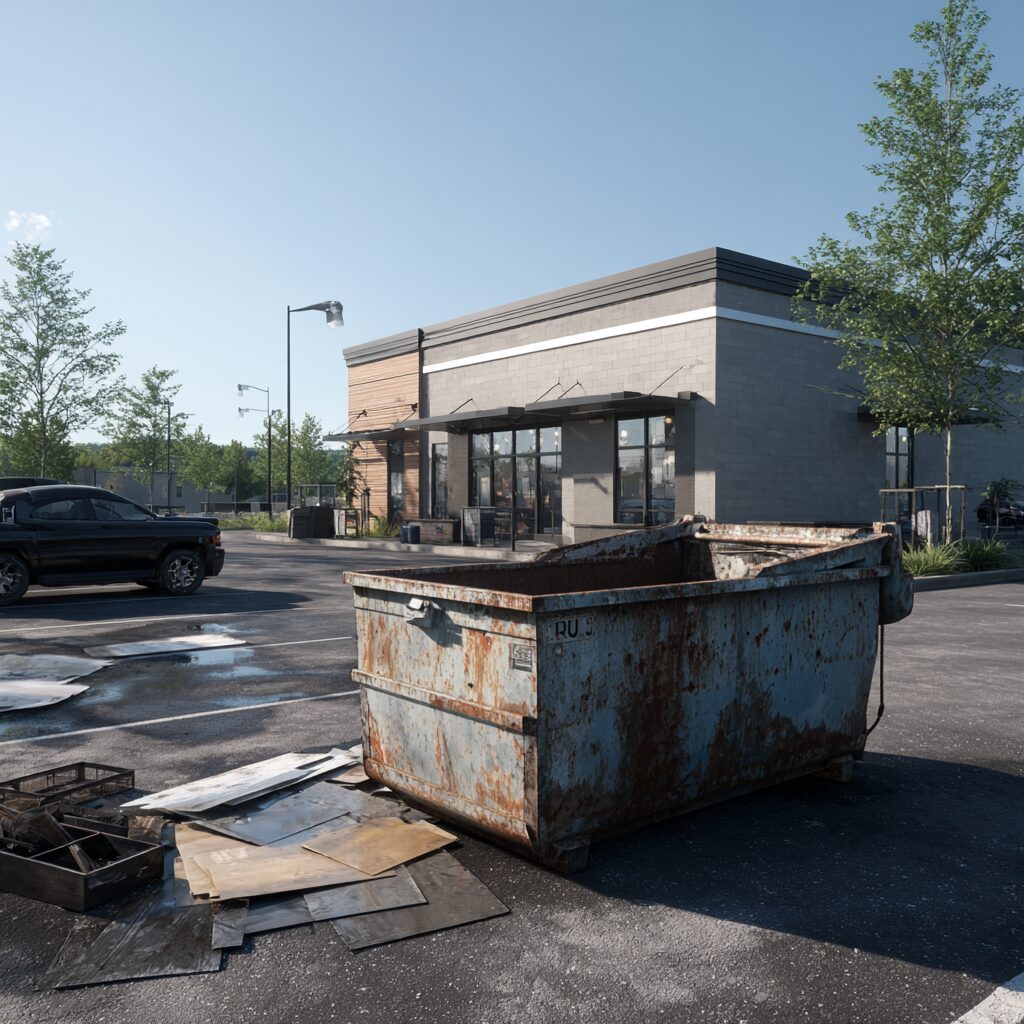
Different roofing materials require different disposal steps. Know your shingle type before ordering a dumpster. That helps you choose the right container and follow local rules.
Asphalt shingles are common because they are durable and affordable. Expect about 250–400 pounds per roofing square (100 square feet). Use a dedicated roofing dumpster and check local landfill rules before disposal.
Wood shingles and cedar shakes are biodegradable. Many recycling centers require chipping or grinding first. Untreated wood is easier to recycle—treated wood may have limits. Contact local centers before separating materials.
Slate and tile are heavy and brittle. Use padded liners or separators in dumpsters to reduce breakage. These materials are often reusable—check for local resale or recycling options and separate metal flashing for scrap.
Make sure: define the shingle type, estimate roof squares (100 sq ft = 1 square), and call local recycling or landfill facilities before you order a dumpster. That simple step helps you manage materials, weight and disposal costs.

Weight drives your dumpster choice. Know how much your roofing materials weigh so you pick the right dumpster size and avoid overweight fees that slow a project.
Quick formula: (Roof squares × layers × lbs per square) + 10% buffer. One roofing square = 100 sq ft. Use 250 lbs per square for single‑layer asphalt as a conservative starting point.
Worked example: a 30‑square roof with two layers = 30 × 2 × 250 = 15,000 lbs. Add 10% buffer → 16,500 lbs total.
Typical capacity: a 20‑yard dumpster often handles roughly 4,000–6,000 lbs depending on provider. For the example above, plan multiple pickups or larger containers to stay under weight limits.
| Container Size | Weight Limit (typ.) | Best Use |
| 10‑yard | ~2,500–3,000 lbs | Small repairs, light materials |
| 20‑yard | ~4,000–6,000 lbs | Most residential roofs |
Confirm weight limits with your dumpster rental company. Policies on overweight fees and who pays vary by provider. Good planning saves time and keeps your roofing project on schedule.
Plan, schedule and monitor. Good planning saves time on every roofing project. The right dumpster and coordinated deliveries keep the site tidy and work moving.
Schedule deliveries around weather and peak workdays. Pre‑book pickups for holidays and weekends to avoid delays. Account managers can coordinate multi‑container drops and staged pickups to match your schedule.
Use GPS tracking to monitor your dumpster. Real‑time updates tell you where containers are and when a pickup is coming. That reduces wait time and helps you manage crews and deliveries.
Bundle services to save time. Combine dumpster rentals with portable toilets and other site rentals to streamline logistics. Digital invoicing cuts admin work and keeps records tidy.
| Service | Benefit |
| GPS Tracking | Real‑time container location and status |
| Bundled Rentals | Combine roofing dumpster rentals with portable toilets and other site services |
| Pre‑booked Pickups | Avoid holiday and weekend delays |
| Digital Invoicing | Faster billing and fewer admin delays |
Three‑step plan: 1) Plan dumpster size and placement, 2) schedule deliveries and pre‑book pickups, 3) monitor containers with GPS and adjust as needed. Contact your provider to bundle services and speed your project.
Temporary dumpsters for asphalt shingles make roofing jobs safer and more efficient. Pick the right dumpster size, place it for easy access, and plan for weight to control waste removal costs.
Contact Prime Dumpster to discuss your roofing waste needs. Call or use the online form for a fast estimate. We’ll recommend dumpster sizes, placement and a rental plan that matches your project and budget.
If you are looking for How to Dispose of Concrete: The 7 Most Popular Options, Click Here


