Mon - Sat 7:00 am to 7:00 pm


Mon - Sat 7:00 am to 7:00 pm
You made the smart choice! Your roll-off container is on the way, and now you’re ready to make the most of it. Whether you’re managing a construction site, coordinating a major event, or handling business operations, proper waste management keeps your project running smoothly.
At Prime Dumpster, we’ve coordinated thousands of successful rentals nationwide and compiled the essential operational guidance that transforms good projects into great ones. Our comprehensive playbook focuses on what happens after you book your dumpster service. Learn the tips and techniques to stay ahead of problems and ensure success.
We asked a Prime Dumpster Pro for their quick answers to the most important stages that follow every successful dumpster rental.
“Start heavy and flat at the bottom, then work your way up with lighter materials – it’s like building a foundation that keeps everything stable during transport. Break down big items first because a little prep work can easily increase your capacity by 30% while making the whole load safer for our drivers to haul.”
“Clear 60 feet of straight access and mark your exact placement spot before we arrive – most delivery problems happen because people underestimate how much space our trucks actually need. Have your rental agreement ready and point out any hazards like soft ground or low branches so our driver can position everything perfectly on the first try.”
“Schedule pickup for the day after you think you’ll finish loading, not the exact day you expect to be done – this gives you buffer time without paying extension fees. Make sure your container isn’t overfilled and that we can access it easily, because any delays on pickup day usually cost more than planning ahead would have.”
“Stagger your deliveries and assign specific containers to different material types. Heavy stuff goes in smaller units while light debris fills the big containers efficiently. Coordinate multiple dumpster rentals with all your crews so everyone knows which container to use when, because good communication prevents the chaos that kills productivity on multi-container jobs.”
“Build extra days into your initial rental period instead of extending later at premium rates, and always ask about weight limits upfront so you can match heavy materials to the right container size. The biggest money-saver is just planning ahead – most surprise charges happen because people didn’t ask the right questions before their project started.”

Proper loading isn’t just about filling space – it’s about safety and efficiency. Smart techniques help you avoid extra fees and ensure smooth transport.
Start by placing heavy, flat materials at the bottom. This creates a stable foundation for your entire load.
Work from all sides of the container to distribute weight evenly. This prevents dangerous tipping during transport. Think of it like building a balanced structure rather than piling everything on one side.
Break down bulky items before loading them. Furniture and boxes take up less space when disassembled.
Fill gaps with smaller debris as you build each layer. Compact materials by walking on safe items before adding the next level. This eliminates air pockets and creates more room.
| Loading Approach | Space Efficiency | Safety Level | Best For |
| Random Tossing | Low (60-70%) | Poor | Small projects |
| Strategic Layering | High (85-95%) | Excellent | Large debris loads |
| Even Distribution | Medium (75-85%) | Good | Mixed materials |
| Compacted Loading | Maximum (90-98%) | Very Good | Lightweight items |
Delivery day preparation separates smooth projects from stressful ones – here’s how to ace it. Proper planning ensures your container arrives without delays or complications.
Clear a 60-foot area for the truck and container. Make sure you have 23-25 feet of vertical clearance. Remove vehicles, equipment, and obstacles that could block placement.
Consider the surface where your container will sit. Ensure it can handle the weight when loaded. Take photos of the area beforehand for documentation.
You typically don’t need to be present during delivery. Leave clear instructions for the driver if you won’t be there. Mark the exact placement spot to avoid guesswork.
Check local regulations about street versus private property placement. Confirm your delivery date one day ahead. Have a backup plan if timing is critical to your project schedule.
| Delivery Scenario | Space Needed | Prep Time | Special Considerations |
| Driveway Placement | 60 ft length | 30 minutes | Check surface durability |
| Street Placement | Full lane width | 45 minutes | Permit requirements vary |
| Construction Site | Clear zone | 60 minutes | Coordinate with work crews |
| Event Venue | Access area | 90 minutes | Timing with event schedule |
Following these steps makes your delivery experience efficient. Proper preparation answers common dumpster questions before they arise. Your project stays on track from day one.
Understanding weight restrictions is crucial for avoiding unexpected fees and ensuring safety. Landfills charge disposal costs by the ton, and trucks must follow legal road weight limits.
Different container sizes handle varying weight capacities. A 10-yard unit typically holds 1-2 tons, while larger 40-yard containers can manage up to 5 tons. Remember that one ton equals 2,000 pounds.
Heavy materials like concrete or brick often work better in smaller containers. You might fill only half the space but stay within safe weight limits.
| Container Size | Weight Limit (Tons) | Weight Limit (Pounds) | Best For Materials |
| 10-yard | 1-2 tons | 2,000-4,000 lbs | Concrete, brick, dirt |
| 15-yard | 2-3 tons | 4,000-6,000 lbs | Roofing, drywall mix |
| 20-yard | 3-4 tons | 6,000-8,000 lbs | Renovation debris |
| 30-yard | 4-5 tons | 8,000-10,000 lbs | Construction waste |
| 40-yard | 5 tons | 10,000 lbs | Light bulk items |
Spread heavy materials across the container bottom for stable transport. Mix dense items with lighter debris as you build upward.
Online weight calculators help estimate your load before loading begins. Discuss your specific materials with your provider to choose the right size based on weight needs.
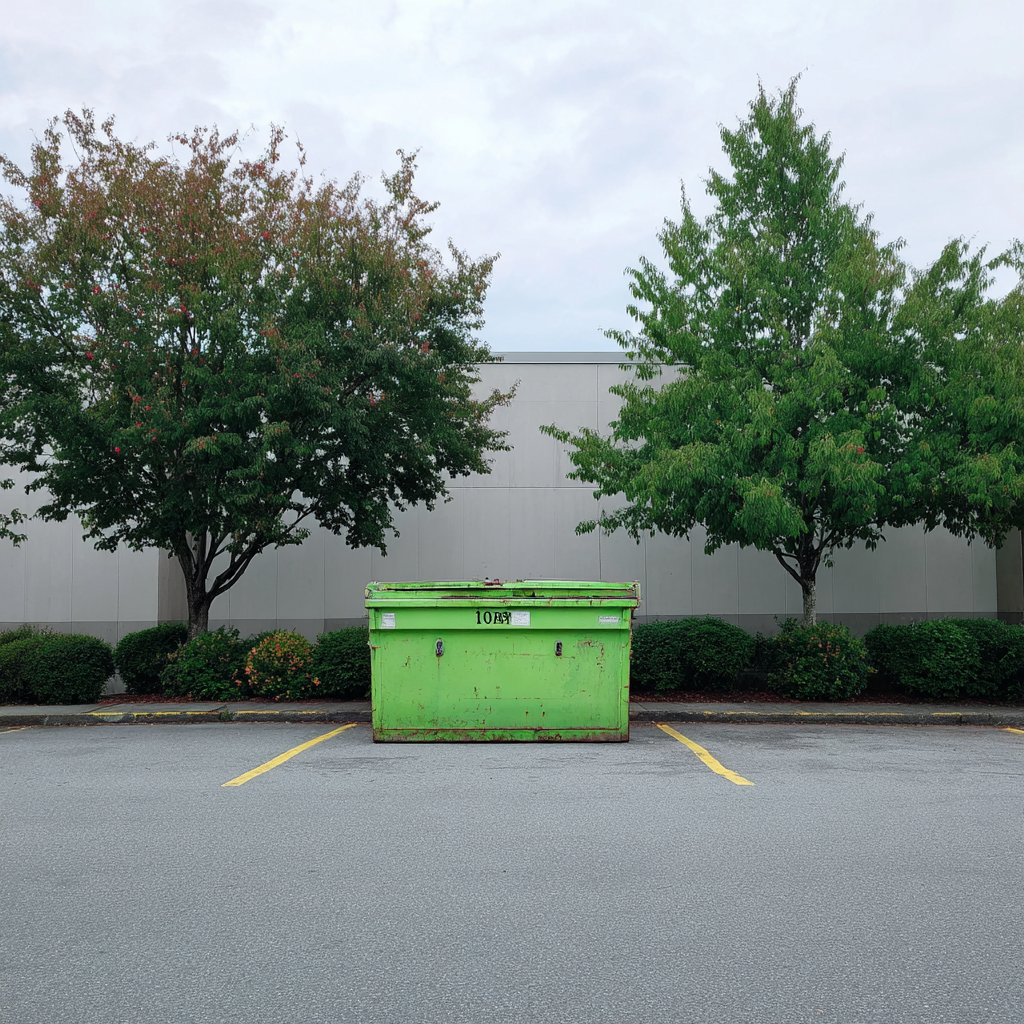
Extra fees can sneak up on even the most prepared projects, but they’re completely avoidable. Most companies use flat-rate pricing that bundles delivery, pickup, and disposal costs into one predictable invoice.
Understanding what triggers additional charges helps you plan effectively. Common extra fees include weight overages, overfilled containers, prohibited materials, and extended rental periods.
Each container has a clear fill line for safety during transport. Debris must stay below this line with nothing sticking out the top. Overfilled units create hazards and trigger rejection or additional fees.
Prohibited items like paint, chemicals, batteries, and electronics require special handling. Mixing these with regular waste can contaminate entire loads, leading to reprocessing costs.
Ask your provider specific questions about questionable materials before loading. Companies prefer answering questions over charging unexpected fees. Proper separation keeps your project on budget.
Monitor your load progress and stop periodically to assess remaining capacity. This simple habit prevents overloading and ensures smooth, cost-effective waste disposal.
The pickup phase requires just as much coordination as delivery, but many customers treat it as an afterthought that can derail project timelines. Unlike delivery, where timing is flexible, pickup scheduling demands precise communication between you and your rental company to avoid delays and additional fees.
Your preparation directly impacts how quickly and efficiently the removal process happens once the truck arrives on-site. Proper pickup coordination prevents the common scenario where full containers sit longer than planned, blocking site access or triggering extension charges that impact project budgets.
Smart pickup timing means calling for removal the day after you expect to finish loading rather than cutting timing too close. This approach provides buffer time that prevents rushed loading decisions or emergency extension fees that cost more than planning ahead.
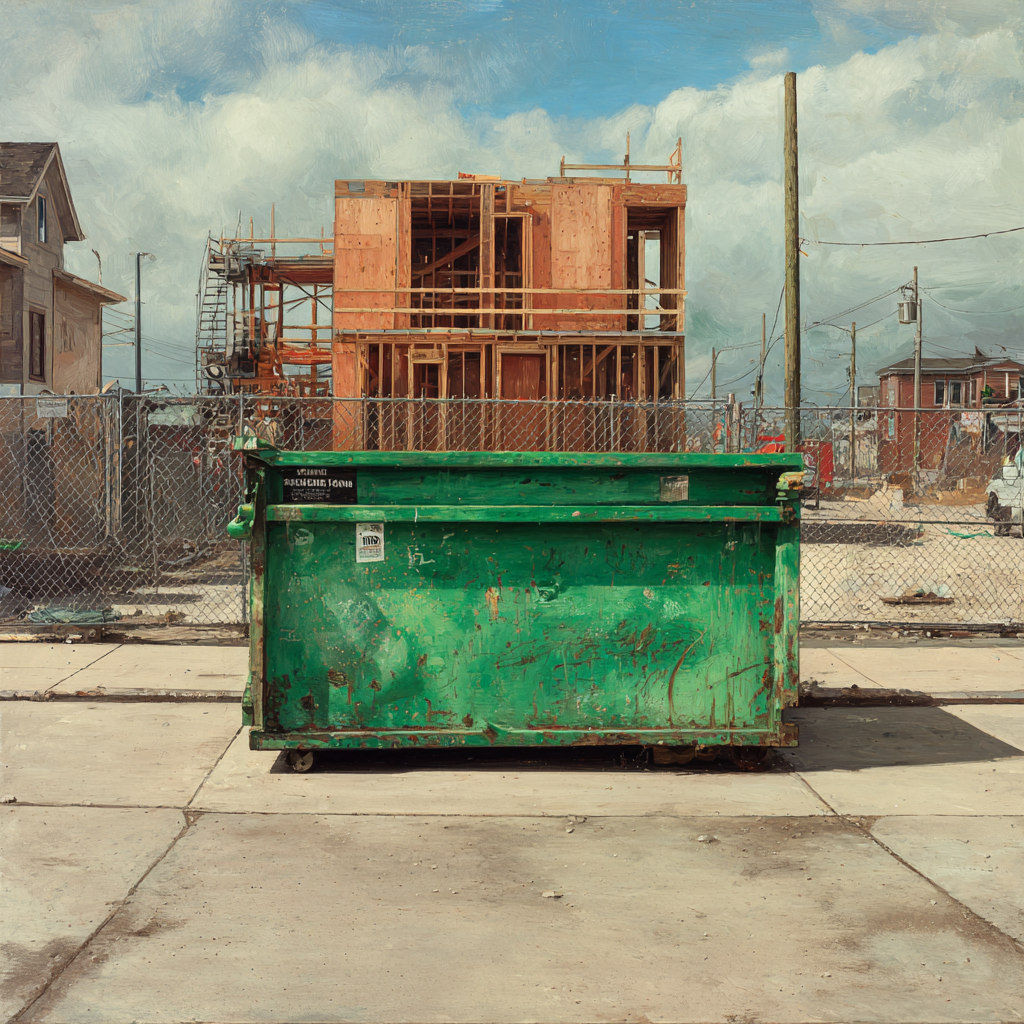
Matching your project scope with the right waste container is the secret to budget-friendly cleanup. We help you pick the perfect dimensions for any job.
Container dimensions range from compact 10-yard units to spacious 40-yard options. Consider three factors: material type, volume, and site constraints.
Heavy materials like concrete work better in smaller containers due to weight limits. Lighter debris can fill larger units efficiently.
| Container Size | Best For Projects | |
| 10-yard | Garage cleanouts, bathroom updates | |
| 15-yard | Kitchen remodels, deck removal | |
| 20-yard | Single-room renovations, estate cleanouts | |
| 30-yard | Major construction, large cleanouts | |
| 40-yard | Demolition projects, commercial jobs |
Event planners might need temporary high-volume containers. Construction managers require units for mixed debris types.
Business owners can coordinate ongoing waste management solutions. Consult providers about your specific situation for optimal sizing.
You now have the complete dumpster rental playbook that covers every critical aspect of professional waste management from delivery through final pickup. These proven strategies – from smart loading and delivery preparation to weight compliance and fee avoidance – ensure your rental investment delivers maximum value while supporting rather than complicating your project operations.
Professional waste management separates successful projects from stressful ones, and this playbook gives you the insider knowledge that experienced contractors and project managers rely on daily. Prime Dumpster’s nationwide expertise and commitment to operational excellence means you get more than just a container – you get the comprehensive guidance that transforms waste disposal from a necessary expense into a strategic advantage. Contact our team to learn more.
If you are looking for Guide to Rented Dumpster Security: What Am I Responsible For?, Click Here


