Mon - Sat 7:00 am to 7:00 pm


Mon - Sat 7:00 am to 7:00 pm

Most construction projects require weekly dumpster rentals to manage ongoing debris, but understanding weekly dumpster rental costs can be confusing for first-time renters. Multiple factors, such as container size, location, permits, and weight limits, all influence your final bill in ways that aren’t immediately obvious.
Prime Dumpster’s construction expertise simplifies weekly dumpster rental costs with clear explanations of pricing factors and practical guidance. Our comprehensive guide helps contractors make informed decisions about waste management without surprises that can impact project budgets.
While prices will vary based on a variety of factors, here’s a rundown of what you can generally expect:
| Container Size | Average 5-Day Rental Price Range | Best Construction Use |
| 10-yard | $399-$499 | Small remodels, bathroom renovations |
| 15-yard | Single-room demolition, flooring projects | |
| 20-yard | $449-$649 | Roofing jobs, kitchen renovations |
| 30-yard | $599-$799 | Whole-house renovations, commercial cleanouts |
| 40-yard | Large demolition, new construction sites |
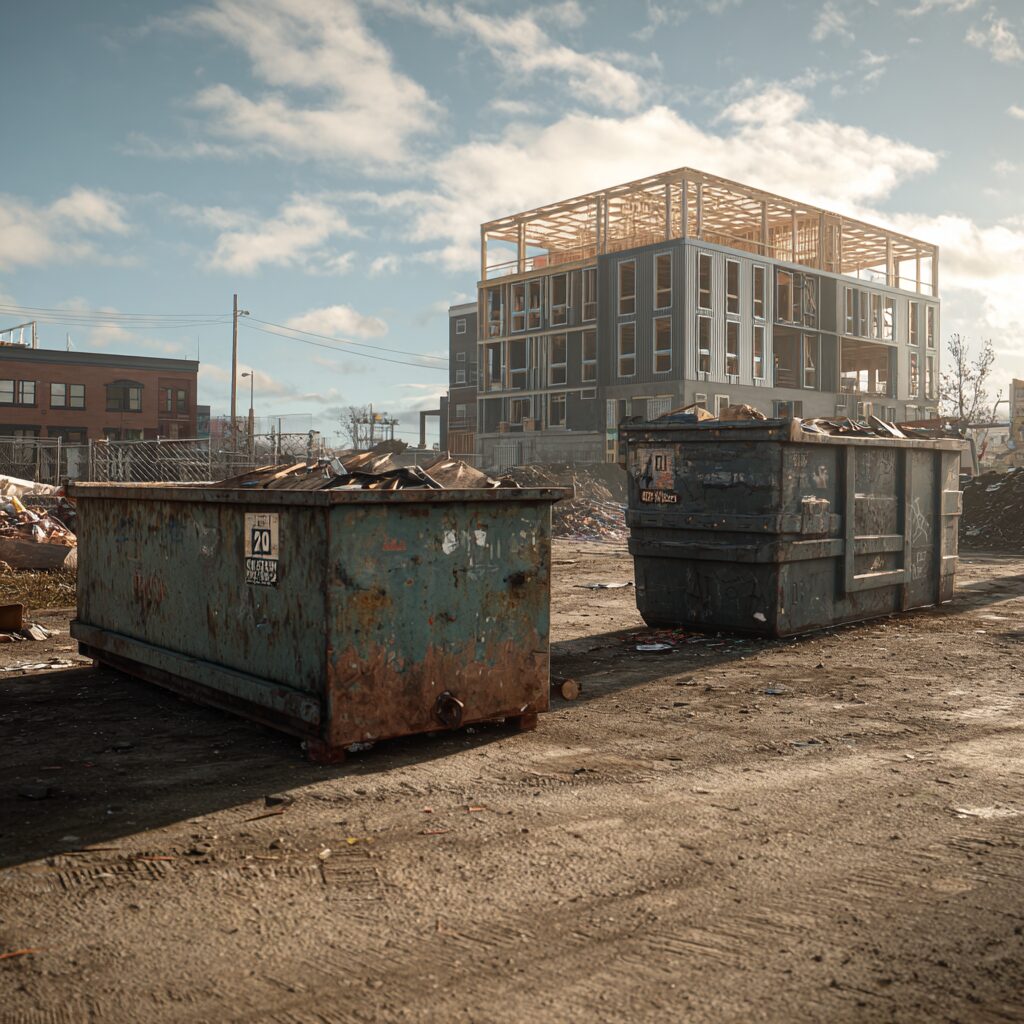
Roll-off dumpsters are large, open-top containers designed for temporary waste collection on construction sites, featuring a rectangular shape that allows trucks to “roll off” the container directly onto your property.
Most dumpster rentals operate on a standard 5-day rental period, providing construction teams with nearly a full work week to load debris at their own pace. This timeframe gives contractors flexibility to coordinate waste removal with project phases while maintaining cost-effective pricing structures.
Construction teams rely on these containers like sous chefs depend on prep stations. Workers toss materials without breaking stride, maintaining workflow momentum. The magic happens through smart placement – position one near high-activity zones and watch trip hazards vanish faster than donuts at a safety meeting.
| Dumpster Role | Site Impact | Smart Move |
| Debris Collection Hub | Reduces clutter by 60% | Place near demo areas |
| Phase Transition Tool | Adapts to project changes | Swap sizes mid-project |
| Safety Enforcer | Cuts slip risks by 45% | Create clear pathways |
Ever seen a roofing crew dance around scattered shingles? Neither have we. Centralized waste zones keep materials contained and crews focused. When demolition wraps up, simply schedule pickup and pivot to finer work – no lingering debris haunting your progress photos.
Smart site managers treat these containers like temporary infrastructure. They map delivery routes during pre-construction planning, ensuring trucks won’t crush freshly poured concrete. It’s logistics chess, and the dumpster’s your queen – versatile, mobile, and essential for winning the efficiency game.
Picture this: You’re trying to park a school bus in a bike lane. That’s what happens when container sizing guesses go wrong. Matching your debris needs to the right roll-off unit requires equal parts math and spatial awareness.
Let’s break down common options.
Ever tried parallel parking a dumpster between scaffolding and a porta-potty? Measure twice before choosing. Urban sites might force 10-yard rotations, while rural projects could handle 40-yard monsters. Pro tip: Use sidewalk chalk to map potential placements during site walks.
| Container Size | Weight Limit | Smart Placement Zone |
| 10-yard | 1 tons | Driveways/side alleys |
| 20-yard | 1-2 tons | Flat paved areas |
| 40-yard | 2-3 tons | Open construction lots |
Remember – the right container disappears into your workflow. The wrong one becomes that annoying guest who blocks the snack table at parties. Choose wisely.
Ever tried parallel parking an elephant? That’s what dumpster logistics feel like when deadlines loom. Timing these moves isn’t just about dates – it’s about syncing heavy machinery with your crew’s rhythm.
Delivery trucks need space to breathe. Schedule arrivals during lulls in activity – think lunch breaks or before concrete pours.
| Timing Factor | Common Mistake | Smart Strategy |
| Morning Rush | Blocking access during crew arrival | Book 30 minutes before shift starts |
| Weather Delays | Ignoring storm forecasts | Add 48-hour flexibility clauses |
| Permit Delays | Assuming same-day approvals | Confirm paperwork 72 hours early |
Rain isn’t just bad for picnics. Sudden storms can turn delivery zones into mud pits. One Florida crew learned this hard way when their 40-yard container sank six inches overnight.
Build in wiggle room. A Chicago high-rise team adds 25% buffer time to all dumpster-related schedules.
Keep rental providers looped in. When Austin’s music festival setup ran late, quick calls rescheduled three pickups without penalty.
Smart sites treat dumpster rotations like a logistical ballet. Time swaps with debris-heavy phases, and suddenly your waste management becomes a productivity multiplier instead of a headache.
Ever seen a dumpster do the cha-cha? That’s what happens when containers shift on unstable ground. Nailing the placement game requires equal parts spatial awareness and rulebook know-how.
Start with truck access. Delivery rigs need 50+ feet of straight path – less than that? You’re asking drivers to perform circus maneuvers. One crew in Boston learned this the hard way when their 30-yard unit got stuck mid-turn, blocking traffic for hours.
Position containers near high-activity zones but keep exit routes clear. Roofers shouldn’t trek across the entire site to toss shingles.
Prime Dumpster Pro Tip: Use orange cones to mark safety buffers around the unit.
| Placement Factor | Urban Sites | Rural Sites |
| Overhead Clearance | Watch for power lines | Check tree branches |
| Ground Type | Paved surfaces only | Gravel or packed dirt |
| Proximity Rules | 15ft from buildings | 30ft from equipment |
Soft soil turns containers into teeter-totters. A Phoenix team avoided disaster by laying plywood under their unit when working on freshly graded land. Smart management means daily checks – peek inside for banned materials like paint cans that could trigger fines.
Collaborate with equipment operators during planning. Their crane might need that perfect location you earmarked for debris. Remember: A well-placed container becomes invisible. A poorly positioned one becomes the crew’s least favorite coworker.
Storms don’t check your schedule before wreaking havoc, which can put a major damper on your weekly dumpster rental costs for construction.
One minute you’re crushing project milestones – the next, you’re staring at a cracked container spewing debris like a piñata at a toddler’s birthday party. Smart teams treat emergencies as “when, not if” scenarios.
Debris avalanches happen. Maybe your demo crew found three layers of asbestos tile under that linoleum. Have your rental provider’s after-hours number saved like it’s your favorite pizza joint. Pre-negotiate overflow options for surprise material dumps.
Containers take hits too. Forklifts graze sides during night shifts. High winds flip lids like beach umbrellas. Keep digital photos of damage ready to text suppliers – visual proof speeds replacements.
Access nightmares strike without warning. That crane operator didn’t mean to block the haul route – but now your full dumpster’s trapped. Designate temporary debris holding areas using reinforced tarps and traffic cones. It’s like creating a trauma bay for your worksite.
Banned materials require ER-level responses. Found paint cans buried in drywall debris? Isolate the hazard zone immediately. Many providers offer emergency contaminated waste removal – for a price that’ll make you triple-check sorting protocols tomorrow.
Build your emergency playbook with:
Remember – panic spreads faster than sawdust in a tornado. Calm crews follow practiced plans.
Ever seen a calendar argue with a bulldozer? That’s timeline versus reality on active sites. Matching container availability to work phases isn’t about perfect predictions – it’s mastering the art of flexible scheduling.
Successful alignment starts with mapping debris spikes to major milestones. Roof tear-offs? Frame inspections? Each phase generates waste at different rates. Track these patterns like a football coach studies playbooks.
Weather and permit hiccups love crashing the party. Savvy teams build in 3-5 day buffers – enough to handle surprise rain delays without panic calls to suppliers. Some providers now offer daily overage rates instead of full-week extensions.
| Project Phase | Typical Duration | Container Strategy |
| Demolition | 3-7 days | Larger unit upfront |
| Framing | 10-14 days | Mid-size with swap option |
| Finishing | Variable | Smaller bins as needed |
Coordinate with subcontractors like you’re planning a concert tour. Electricians finish their set? That’s your cue to adjust container needs before drywallers take the stage. Miss this rhythm and you’ll pay for empty bin days.
Treat your waste plan as a living document. Weekly check-ins keep budgets tight and sites clean. When unexpected delays strike, you’ll pivot faster than a skateboarder dodging gravel.
Ever tried explaining zoning laws to a backhoe? That’s how permit paperwork feels when deadlines loom. Navigating municipal rules requires equal parts research and patience – one wrong move could stall your entire operation.
Street placements turn simple rentals into legal puzzles. Most cities demand permits for sidewalk or road use, with processing times ranging from 48 hours to three weeks. Smart teams treat these applications like concrete pours – start early to avoid cracks in the schedule.
| City | Permit Fee Range | Processing Time | Special Rules |
| Chicago | $50-$150 | 5 business days | Reflective tape required |
| Austin | No fee | 24 hours | Max 7-day placement |
| Miami | $75 + bond | 10 business days | Nighttime placement banned |
Your rental company might handle paperwork like paperwork ninjas – some include permit costs upfront. Others make you chase approvals like a dog after a dump truck. Either way, mark calendars for renewal deadlines and inspection dates.
Build relationships with permit offices like they’re your favorite coffee shop. A Phoenix contractor shaved two days off approvals by sending doughnuts with applications. Check container markings weekly – missing reflectors or expired permits trigger fines faster than a jackhammer at 7 AM.
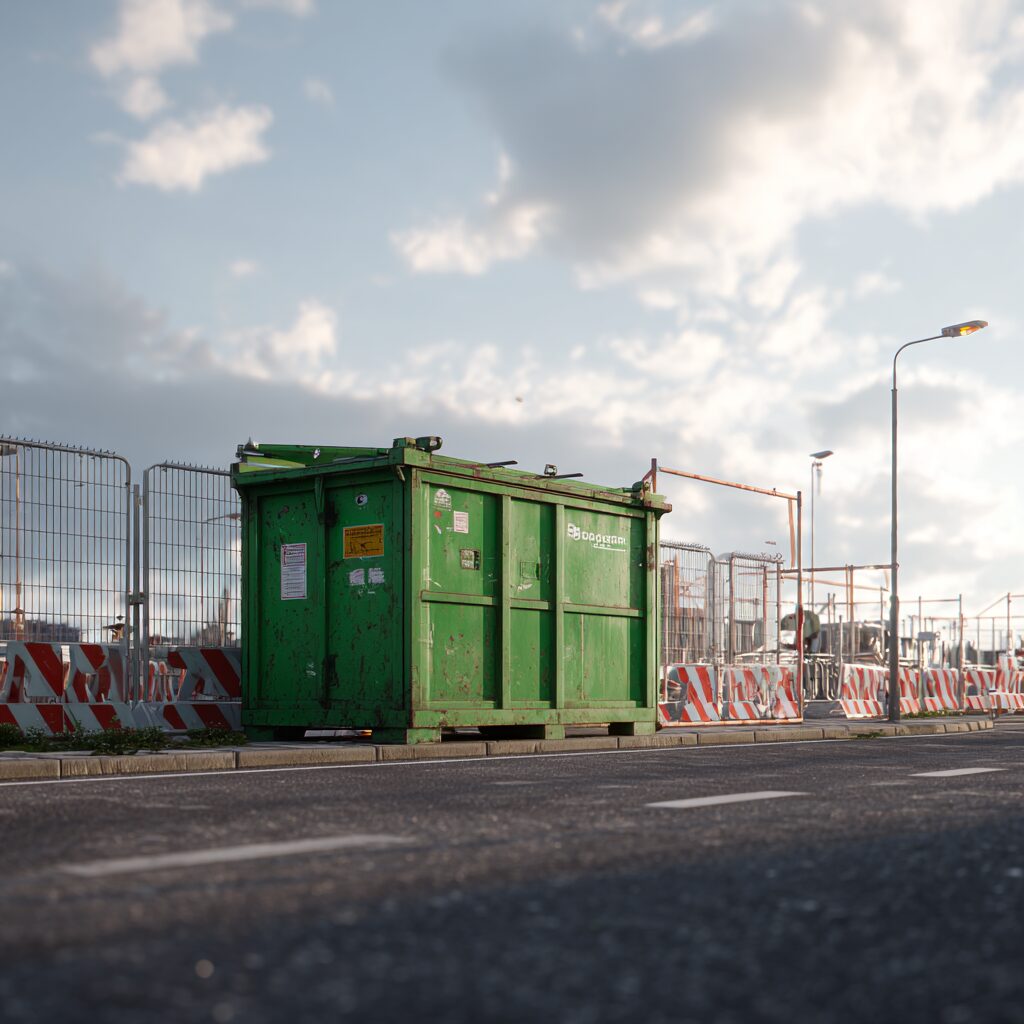
What’s more dangerous than a game of Jenga played with cinder blocks? Mishandling worksite debris without clear protocols. Smart teams treat waste management like a safety dance – structured moves with room for quick pivots when hazards appear.
Proper loading starts with physics. Heavy materials like broken concrete go low and centered – stack them wrong and you’ve built a tipping hazard. Lightweight insulation? Top layer only. Crews in Denver use color-coded zones: red tape marks “no-fly” areas near container edges.
Daily debris audits prevent nasty surprises. Check for banned items like aerosol cans that could spark fires during transport. One Tampa crew avoided $1,200 fines by training workers to spot hazardous materials before they hit the bin.
Clear access paths save knees and deadlines. Maintain 3-foot walkways around containers – anything less becomes an obstacle course. Use reflective barriers after dark so forklift operators spot waste zones from across the site.
Best practices evolve through drills, not memos. Run monthly loading challenges where crews compete to pack materials efficiently. Reward teams that nail weight distribution without overfilling. Because when safety and speed tango, everyone wins.
Mastering weekly dumpster rental costs means transforming debris management from chaotic expense into predictable operational advantage. Smart scheduling and proper container selection keep construction sites clean while protecting budgets from costly surprises.
Prime Dumpster delivers transparent weekly dumpster rental costs with coordinated logistics that adapt to your construction phases and site requirements. Contact our team for reliable waste solutions that keep your projects moving efficiently without scheduling complications or budget overruns.
If you are looking for 7 Ways to Save Money on Construction Dumpster Rentals, Click Here


