Mon - Sat 7:00 am to 7:00 pm


Mon - Sat 7:00 am to 7:00 pm

Renting a dumpster for a home project is easier when you understand what drives cost. Important factors include dumpster size, the weight and type of debris, your location, and how long you need the container — each can change the final rental price.
At Prime Dumpster, we help homeowners pick the right dumpster and control rental costs. Our guide explains what factors affect dumpster rental prices for homes, plus practical tips to stay on budget without sacrificing what you need.
Dumpster rental prices vary depending on several predictable factors. Understanding those drivers helps you choose the right dumpster size and rental period, avoid overage fees, and get an accurate estimate for your home project.
Here are the major factors involved (and a quick example for each):
Now let’s take a closer look at each of these factors and ways you can save!

Below are general market ranges for common dumpster sizes — actual rental prices depend on your location, materials, and weight. Use these as a starting point and ask your dumpster rental service for a detailed quote.
| Dumpster Size | General Weight Limit | Cost Range |
| 10-yard | Up to 2 tons | $399-$499 |
| 15-yard | Up to 3 tons | $450-$574 |
| 20-yard | Up to 3 tons | $449-$649 |
| 30-yard | Up to 4 tons | $599-$799 |
| 40-yard | Up to 5 tons | $699-$899 |
How to get an accurate estimate: tally the expected volume and tell your dumpster rental service about the materials and any heavy items. If you’re unsure about weight, ask for material-specific weight estimates — that prevents surprise charges when disposal fees are calculated by weight.
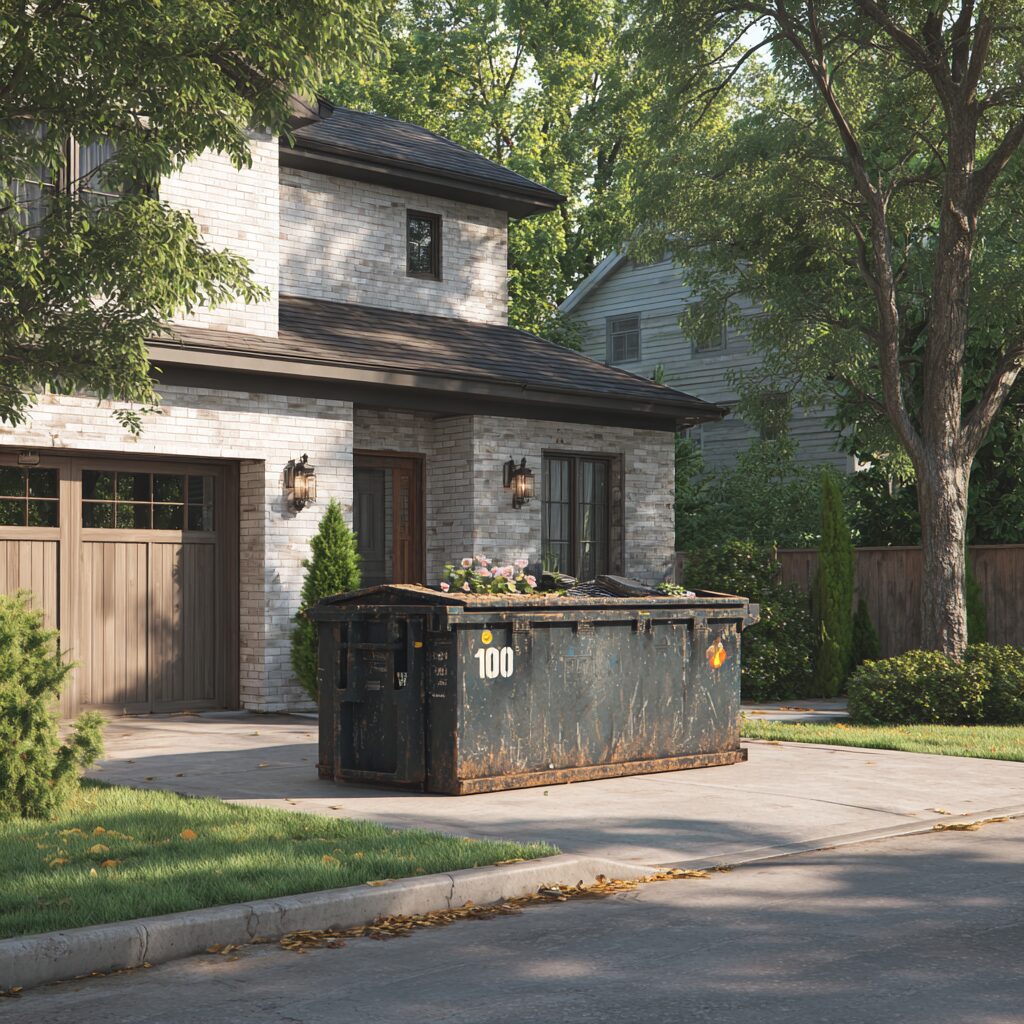
Picking the right dumpster size affects both convenience and cost. Match the dumpster size to the volume and type of waste — heavier construction materials need different planning than light household items — so you don’t pay extra for weight or for renting multiple containers.
Quick decision rules:
If you’re unsure, call your dumpster rental company for a sizing check.
Weight is one of the biggest hidden drivers of dumpster rental costs. Each container has a base weight allowance included in the rental price; disposing of heavier loads increases disposal and transport costs and can trigger overage charges.
Plan for weight before you load: estimate what materials you’ll throw away and discuss limits with your dumpster rental company so you can avoid surprise charges at pickup.
Most dumpster rental companies set weight limits by size and include that allowance in the quoted price. If you exceed those limits, overage fees apply, with amounts varying by company and location. Always confirm the exact fee with your provider before loading.
Heavy materials such as concrete, brick, soil, and tile add weight quickly and are the most common causes of exceeding weight limits. If your project involves these materials, consider using a larger dumpster with a higher weight allowance or plan to separate the heavy debris.
Estimating weight helps you avoid exceeding weight limits and paying extra fees. Use these practical methods:
Bottom line: talk to your dumpster rental company about weight and materials before you load. That simple step can help you avoid exceeding weight limits and avoid extra fees — keeping your project on budget and on schedule.
The type of debris you plan to dispose of affects dumpster rental pricing. Disposal and recycling facilities charge different rates for materials, so knowing what you’ll load helps keep rental prices and disposal costs down.
Some materials are cheaper to process than others. Clean, single-material loads (clean wood, cardboard) often have lower disposal costs or even recycling credits, while mixed demolition debris or hazardous items increase handling and disposal fees.
If you have mixed loads or items that require special handling (paints, solvents, batteries), disclose them to your rental company — that helps them quote accurate prices and prevents delays or prohibited-item issues at the disposal facility.
A clean load (one material type) typically costs less because facilities can process or recycle the material without expensive sorting. Mixed debris increases disposal complexity and raises prices because companies must separate or pay higher tipping fees.
Quick do/don’t tips: Do separate clean wood/metal for recycling. Don’t put paint cans, batteries, or asbestos-containing materials in a standard dumpster — these are commonly prohibited and can incur heavy disposal charges.
Always check the rental company’s prohibited items list and ask about potential recycling discounts — upfront disclosure avoids unexpected costs and helps you choose the most cost-effective dumpster for your project.
Understanding the main factors that affect dumpster rental prices for homes — size, weight, debris type, location, and rental period — puts you in control of your budget and helps you avoid surprise charges. A little planning goes a long way toward keeping costs down. If you’re looking for local dumpster rental you can trust, contact us for a free quote or sizing consultation. We’ll help you compare options, avoid extra fees, and pick the best solution for your home project.
If you are looking for 5 Ways to Save on Dumpsters for Your Business, Click Here


