Mon - Sat 7:00 am to 7:00 pm


Mon - Sat 7:00 am to 7:00 pm
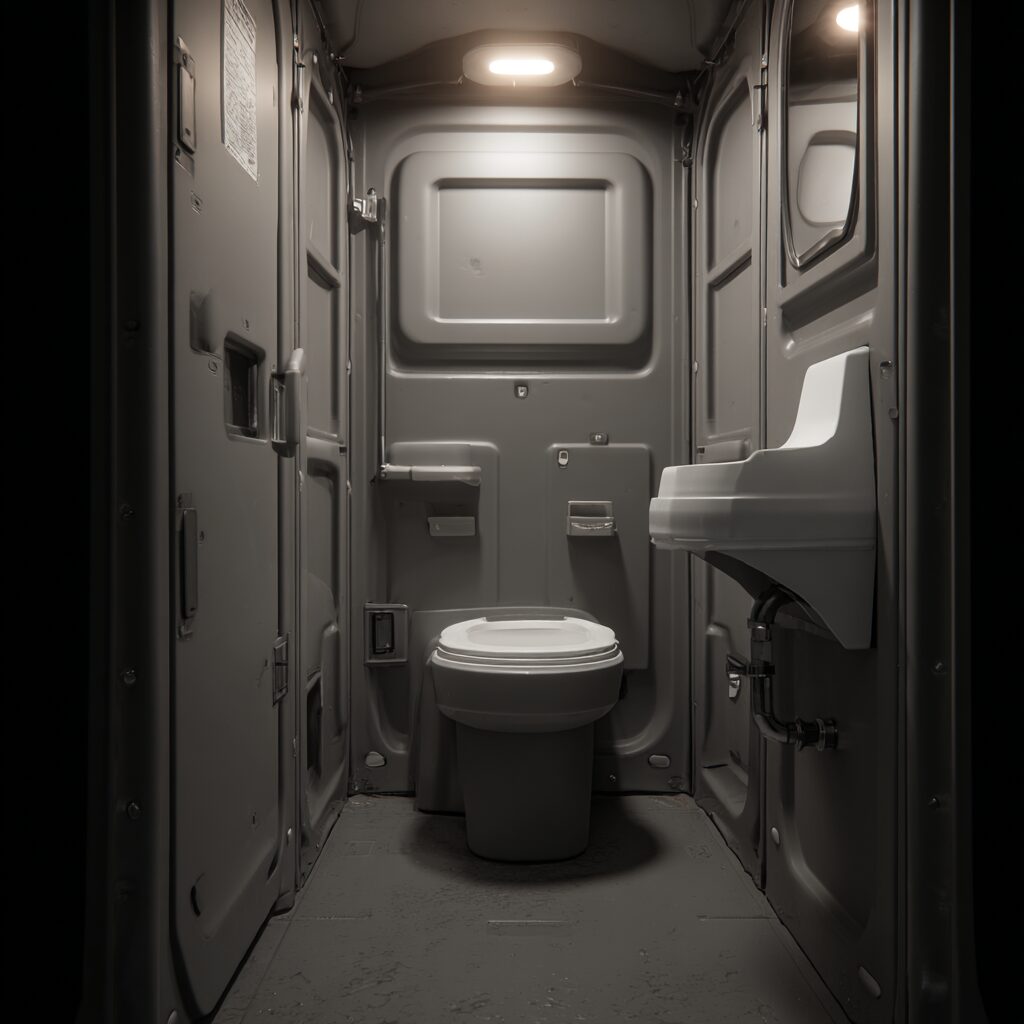
Are porta potty chemicals affected by heat? Absolutely—and the results can turn your outdoor event or construction site into a sanitation nightmare faster than you’d imagine.
When portable restrooms bake in summer sun, internal temperatures soar past 120°F, causing deodorizers to evaporate three times faster and enzymes to break down before they can do their job. That familiar blue liquid disappears by Wednesday when it’s supposed to last all week, leaving behind odors and health hazards that send users running.
At Prime Dumpster, we’ve coordinated portable sanitation through countless heat waves at jobsites, public events, and other locations nationwide. Our comprehensive guide reveals exactly how extreme temperatures destroy chemical treatments and what you can do to maintain effective sanitation when the mercury climbs.
Ever wondered what keeps portable restrooms from becoming biohazard zones? Three powerhouse ingredients form the frontline defense: enzymes, deodorizers, and antimicrobial agents. These specialized formulas get weekly weather-based tweaks – because what works in April showers fails miserably in July scorchers.
When waste hits the tank, enzymes go to work like microscopic Pac-Men. They break down solids within hours, preventing clogs and reducing pump-out frequency. Deodorizers tackle smells at the molecular level rather than just covering them up.
The blue dye isn’t just for show – it’s your maintenance alert system. As treatments weaken, the color fades like mood ring ink. That’s your cue to call service crews before odors escape containment.
These solutions differ from household cleaners through concentrated formulas designed for high-traffic use. Regular toilet bowl cleaner would evaporate in days under summer sun, while professional-grade treatments withstand heavy use between service visits.
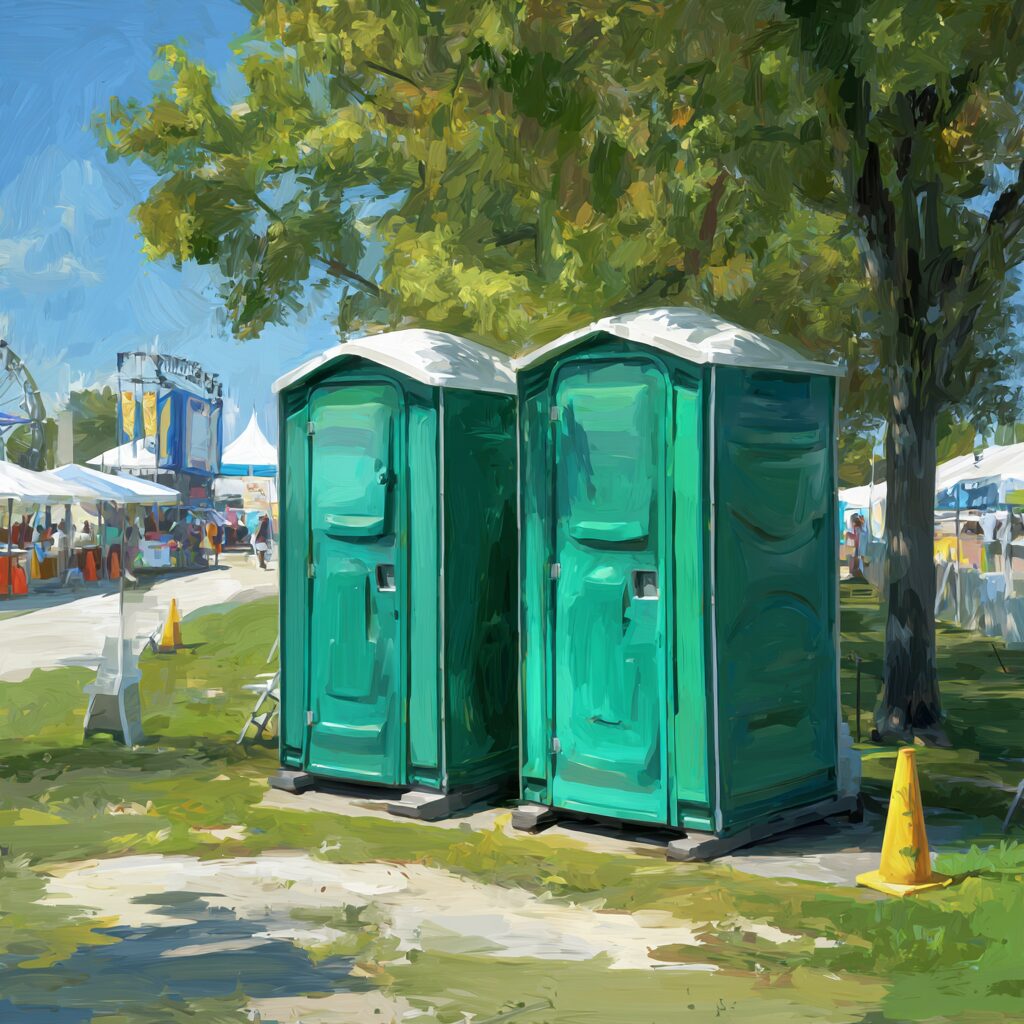
Imagine opening a soda can left in a hot car – that fizz explosion? Now picture that same molecular chaos happening inside sanitation tanks when thermometers spike. Outdoor units become pressure cookers, with internal readings often 20°F hotter than ambient air. This thermal stress kicks treatments into overdrive.
Standard deodorizers dissolve three times faster at 100°F+ conditions. What normally lasts seven days vanishes before Thursday lunch. Heat ramps up chemical reactions like a DJ cranking the bass – enzymes break down prematurely, fragrance oils evaporate, and microbial inhibitors lose their punch.
The consequences stack up fast. Reduced treatment efficacy means:
Traditional blue liquids turn clear faster than you can say “biohazard.” Service schedules built for mild weather crumble under relentless sun. Event planners learn this the hard way when overwhelmed scents send guests sprinting.
Smart operators combat these challenges through strategic placement and upgraded units. Shaded locations slash internal temperatures. Antimicrobial surfaces slow germ spread between cleanings. Ventilation systems with solar-powered fans create airflow without electricity needs.
Next time you’re sweating through a July workday, remember – what happens in those plastic boxes isn’t magic. It’s science class meets real-world mess management.
Think those blue liquids in portable restrooms are invincible? Let’s cut through the steam. Outdoor sanitation units face a brutal truth: summer turns their tanks into pressure cookers. Interior temperatures regularly roast at 120°F – hot enough to fry an egg on the plastic seat.
| Temperature | Breakdown Rate | Signs of Failure |
| 85°F+ | 2x faster | Faded blue dye |
| 100°F+ | 3x faster | Odor breakthrough |
| 120°F+ | 4x faster | Waste solidification |
Heat forces treatments to work overtime. Enzyme-based solutions dissolve before finishing their job, while deodorizers evaporate like morning dew. You’ll know it’s happening when:
Skip these warnings, and you’re hosting a microbial rave. Bacterial colonies multiply faster than TikTok trends, while odors stage a scent prison break. Smart operators don’t gamble – they double-check treatments weekly and upgrade to heat-stable formulas when thermometers climb.
Your move? Treat summer sanitation like sunscreen – reapply protection before things get burned.
Not all plastic thrones handle summer’s crown equally. Outdoor sanitation solutions range from basic boxes to climate-controlled comfort stations – and their heat tolerance varies as much as their price tags.
Standard rental units work for quick jobs but wilt under prolonged heat. Basic roof vents can’t compete with prolonged 100°F+ days, turning interiors into saunas. Flushable models bring secret weapons:
| Model | Heat Resistance Features | Best Use Cases |
| Standard Unit | Single roof vent | 1-day events under 85°F |
| Flushable Toilet | Dual airflow systems | Multi-day festivals |
| Luxury Restroom | Solar-powered cooling | Weddings/executive events |
Hand-washing stations do double duty in heat waves. Running water reduces germ spread while keeping surfaces cooler. Top-tier units deploy solar panels to power:
Restroom trailers laugh at heat indexes. Their AC systems maintain 75°F interiors while neutralizing odors. For projects lasting weeks in scorching zones, these mobile palaces prove worth every penny.
Ever watch a crew scramble when sanitation systems fail mid-shift? Smart managers prevent disasters before they start. Your site layout, event type and service planning make all the difference when thermometers spike.
Park units under temporary canopies – this simple move keeps interiors 15°F cooler than sun-baked models. Position clusters near natural wind tunnels to boost airflow. Avoid placing sanitation stations:
Phoenix crews rotate units between shaded areas during 110°F weeks. Their secret? Mapping sunlight patterns like eclipse chasers.
Swap weekly pump-outs for 72-hour cycles when temperatures hit triple digits. Schedule midday service during lunch breaks to avoid work stoppages. Build contracts requiring:
One Vegas event company slashed complaints 40% by doubling service frequency during their July festival crush. Their playbook? Treat sanitation like sunscreen – reapply before things get messy.
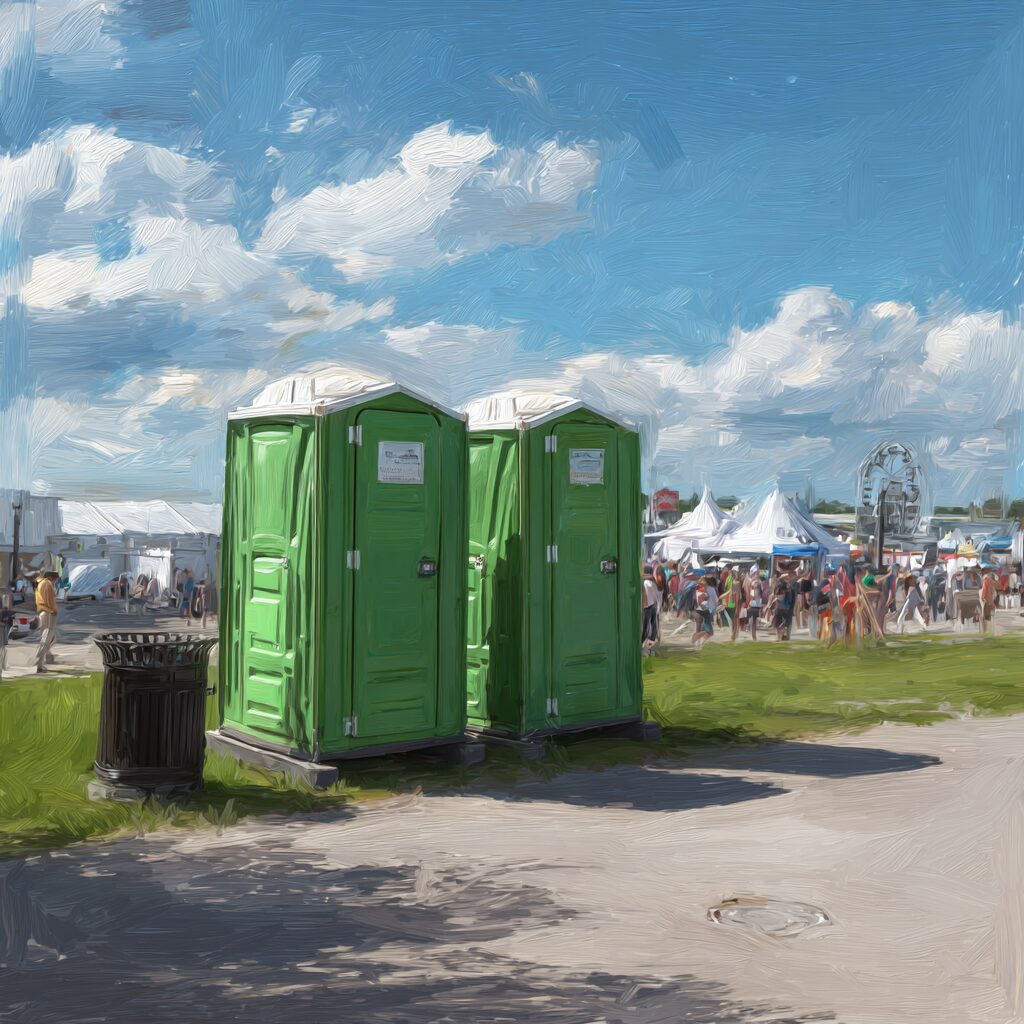
Summer’s heat turns portable restrooms into germ incubators faster than ice cream melts at a July picnic. Workers and event-goers need battle-tested strategies to stay healthy when temperatures soar.
Carry your own 70% alcohol sanitizer – public dispensers often dry up faster than desert creek beds. When soap and water exist, scrub hands like you’re scrubbing off spray tan: 20 full seconds with friction on palms, nails, and wrists.
Smart users turn toilet paper into contamination shields. Wrap seat covers around door handles for touch-free exits. Time bathroom breaks during event transitions or shift changes when crowds thin – fewer people mean fewer microbes in the air.
Watch for these red flags:
Construction crews should demand shaded units with working ventilation. Event attendees can pack pocket-sized UV lights to check surface cleanliness. Remember – your health depends on these simple practices as much as any safety helmet or sunscreen.
Are porta potty chemicals affected by heat? Yes, and ignoring this reality can lead to failed odor control, accelerated bacterial growth, and sanitation systems that collapse just when you need them most.
From upgrading to heat-resistant formulas, and adjusting service schedules to strategic placement and cooling solutions, smart planning keeps your portable facilities functional during the hottest weather.
Prime Dumpster’s sanitation specialists understand exactly how heat affects chemical treatments and can recommend the upgrades and adjustments that maintain effective portable restrooms throughout summer. Contact our experienced team for more information on porta potty rentals for construction and public events nationwide.
If you are looking for Summer Fire Safety Around Porta Potties, Click Here


