Mon - Sat 7:00 am to 7:00 pm


Mon - Sat 7:00 am to 7:00 pm

When daytime temperatures climb above 90°F, construction porta potties for summer become critical safety equipment rather than simple convenience facilities. Poor placement decisions can transform portable restrooms into sweltering boxes that workers avoid, creating health risks and productivity issues that smart site managers work hard to prevent.
Heat-resistant portable restrooms with strategic shaded placement keep crews comfortable while maintaining OSHA compliance during the most demanding season. At Prime Dumpster, we’ve coordinated eco-friendly porta potties for construction summer projects of all types and scope. Learn more about how eco-friendly units help protect both worker safety and operational efficiency when temperatures soar.
Construction managers frequently ask us about maintaining safe and comfortable portable restroom facilities during extreme heat conditions, so our Prime Dumpster Pros have provided expert answers to the most common summer-specific questions.
“OSHA requires one toilet per 20 workers as a baseline, but summer conditions often require additional units to reduce walking distances and wait times when temperatures exceed 90°F,” says the Prime Dumpster Pro. “Consider adding 25-50% more units than the minimum requirement and distribute them strategically across your site so workers can access shaded facilities within 330 feet during peak heat hours.”
“Strategic placement in natural or created shade can reduce interior temperatures by 15-20°F compared to units in direct sunlight, making them actually usable during peak heat,” says the Prime Dumpster Pro. “Position units away from heat-generating equipment like welding stations or asphalt operations, and remember that morning shade can disappear by afternoon as the sun moves across your site.”
“Summer heat accelerates bacterial growth and increases odor issues, so most busy construction sites need servicing every 2-3 days instead of the standard weekly schedule,” says the Prime Dumpster Pro. “Daily spot checks for supplies, ventilation function, and cleanliness become essential, and high-traffic sites may require daily waste removal to maintain sanitary conditions.”
“Solar-powered ventilation systems and enhanced airflow features make the biggest difference in summer comfort, keeping interiors significantly cooler than standard units,” says the Prime Dumpster Pro. “Wind-powered turbine vents, anti-slip flooring for safety, and flushable options with integrated handwashing help maintain hygiene standards while encouraging regular use by your crews.”
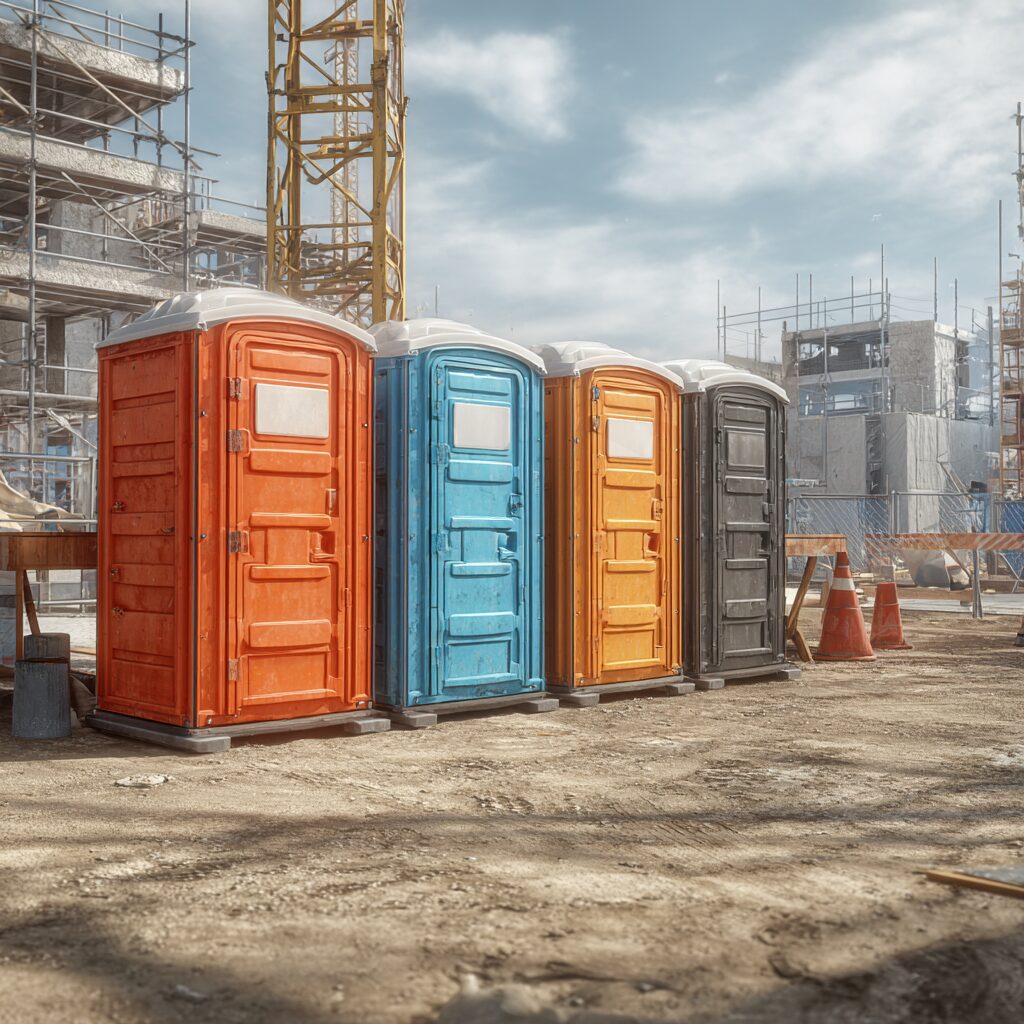
Summer construction sites combine hot temperatures with high activity, which increases sanitation demands and requires careful attention to OSHA guidance for portable restrooms. Planning ahead keeps crews safe, reduces heat-related illness risk, and helps your site stay compliant as conditions change.
OSHA and related guidance set worker-to-facility expectations that change with crew size. Use these ratios as a baseline when planning porta placement and unit counts on your construction site:
| Number of Workers | Required Toilets | Required Urinals |
| 1-10 | 1 | 0 |
| 11-20 | 2 | 1 |
| 21-40 | 3 | 1 |
| 41-60 | 4 | 2 |
| 61-80 | 5 | 2 |
Best practice: provide at least one handwashing station per toilet, and consider adding one extra sink for every two additional toilets beyond the baseline to support summer hygiene and reduce illness spread.
Higher temperatures accelerate bacterial growth and can increase infection risks if units are not cleaned and serviced more often. Industry guidance and health studies suggest increased cleaning frequency as temps rise; many sites move from weekly servicing in cooler months to every 2–3 days (or daily spot checks) when temperatures approach 90–100°F. Document your maintenance and sanitation plan to protect workers and demonstrate due diligence.
Adjust unit counts for long shifts, multiple shifts, or high worker turnover. Example: a single 45-worker day shift should start with at least three to four porta units and added urinals per the table; for two ten-hour shifts with the same crew size, add extra units or reduce walking distance by distributing units across the site. Remember OSHA’s quarter-mile accessibility guidance when placing portable toilets so units stay within reasonable walking distance even during peak heat periods.
Thoughtful porta potty placement can be the difference between usable facilities and portable ovens on a hot construction site. When temperatures rise, workers need quick access to shaded, well-ventilated restrooms. A deliberate site plan that prioritizes shaded areas and minimizes walking distance keeps crews comfortable and reduces heat-related incidents.
Existing trees, building overhangs, and covered walkways provide the best natural shade for portable restrooms and can lower interior temperatures significantly compared with direct sun exposure. Where natural shade is unavailable, deploy temporary coverings and overhead protection to create cooler zones around porta units.
Consider these shade optimization options:
OSHA guidance generally expects restroom access within roughly a quarter-mile of work areas, but summer heat alters what’s comfortable. On large sites, distribute units so peak-hour walking distances are much shorter than the regulatory maximum. Use the time-of-day table below as a rule of thumb to plan placement for worker comfort during hottest hours.
| Time of Day | Temperature Range | Maximum Comfortable Walking Distance |
| 6 AM – 10 AM | 70-85°F | 1,320 feet (quarter-mile) |
| 10 AM – 2 PM | 85-95°F | 660 feet |
| 2 PM – 6 PM | 95-105°F | 330 feet |
Morning shade can disappear by afternoon as the sun shifts. East-facing placement gives early relief but may bake in the afternoon. West-facing or centrally shaded placements often provide better all-day comfort. Map the sun’s path across your site and move or add porta potties accordingly to maintain shaded areas during peak usage times.
Locate units away from asphalt operations, welding stations, and running heavy machinery—these work areas generate localized heat that makes nearby potties unbearable. Establish clear buffer zones (practical minimums of several dozen feet where space allows), place units upwind of hot operations, and mark pathways so workers avoid crossing heat hotspots to reach restrooms.
On hot construction sites, standard porta units can become uncomfortable and discouraging to use. Upgrading to purpose-built portable restrooms with improved ventilation and odor control keeps interiors breathable and encourages regular use, which improves hygiene and productivity across the job site.
Modern portable restroom features that matter in summer include:
Flushable porta options bring a higher level of comfort and cleanliness to the site while using minimal water compared with conventional building plumbing; these systems reduce odors and make handwashing easier. Luxury restroom setups — often called luxury restroom units — include integrated sinks, running water, and extra amenities that lower illness risk and support worker morale.
For larger projects or where comfort is a priority, restroom trailers provide the closest experience to permanent restrooms. Properly sized HVAC systems (commonly specified around 15,000 BTU for mid-size trailers, though sizing depends on trailer volume and insulation) keep interiors tolerable even on very hot days. Multiple stalls, stable lighting, mirrors, coat hooks, and mounted soap dispensers make restroom trailers a high-comfort option for crews and guests.
Choosing between standard porta potties, ventilated units, flushable systems, or restroom trailers comes down to budget, site needs, and the user experience you want to deliver. Consider maintenance frequency, power and water access, rental costs, and expected user counts when selecting units. Investing in better portable restrooms often reduces absenteeism and keeps crews working safely through summer heat.
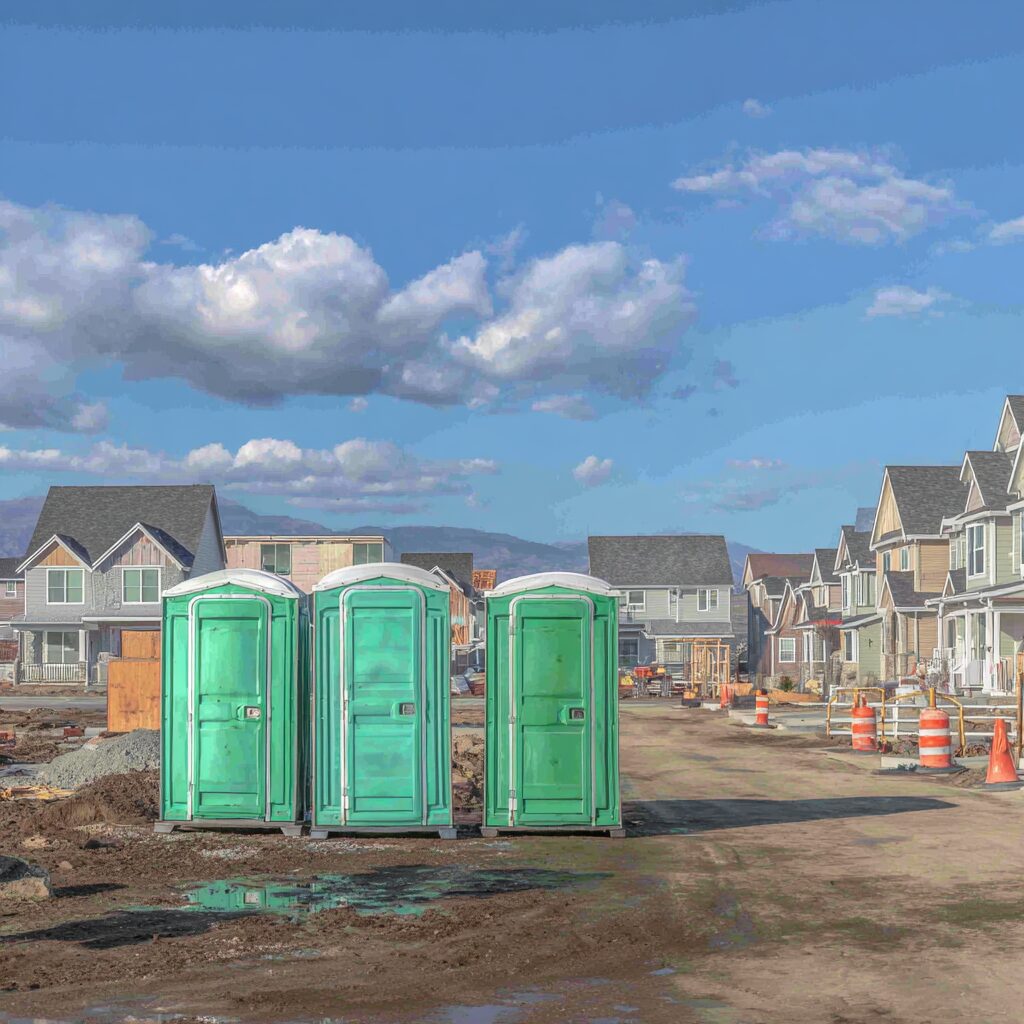
Summer storms can form quickly and hit construction sites hard. To keep workers safe and protect equipment, plan for storm-resistant placement and anchoring of porta potties while preserving clear emergency access routes for first responders.
High winds can tip unsecured units. Use heavy-duty ratchet straps or certified anchor kits rated for the loads recommended by manufacturers, and secure straps to stable anchors such as concrete blocks or engineered ground anchors.
In high-wind zones, auger-style anchors that penetrate the soil to manufacturer-recommended depths provide stronger hold; place anchor points at each corner of the unit and inspect tension weekly as part of routine maintenance.
Protect units from flash flooding and mud by placing them on raised, stable platforms. A common approach is to set units on treated lumber or composite sleepers raised a few inches above grade and backed by a crushed-gravel pad extending beyond the platform edge with a slight slope away from doors to promote drainage.
Proper grading prevents mud that can trap emergency vehicles and keeps access routes passable on wet days.
Avoid siting porta potties directly adjacent to tall metal structures, cranes, or large stacks of metal material during storm seasons; moving units several dozen feet away and locating them upwind reduces risk and improves user safety.
Clearly mark safe zones and temporary relocations with cones or signage when storms are forecast.
Keep designated emergency lanes clear and wide enough for ambulances and fire apparatus.
Provide an unobstructed width and vertical clearance per local emergency services guidance, and space units so they do not obstruct evacuation paths—leave several feet between units and maintain painted or temporary-marked lanes that crane operators and drivers can easily see.
Include lane checks in your weekly site walkthroughs so emergency access remains reliable throughout the summer.
Green job sites increasingly expect portable restrooms that match sustainable construction practices. Eco-focused porta potties and restroom options today reduce water use, cut emissions, and lower servicing frequency — all of which improve site efficiency during hot summer months.
Common eco features and their summer benefits include:
| Eco Feature | Summer Benefit | Environmental Impact |
| Solar ventilation | Continuous airflow on sunny days | Zero operational emissions |
| Biodegradable treatment chemicals | Faster waste breakdown in heat | Less impact on soil and groundwater |
| Low-flow or waterless systems | Fewer refill cycles and less water use | Up to ~90% water reduction vs. traditional flush toilets in some systems |
| Containment trays | Spill protection on multi-story sites | Prevents ground contamination |
Solar panels that power small exhaust fans or vents keep units cooler without draining batteries, and LED lighting in restroom trailers lasts far longer than incandescent options. When units are positioned to catch natural breezes and placed downwind of work zones, many crews report needing less chemical deodorizer and filing fewer odor complaints — which also cuts chemical use and waste.
Practical steps for green performance on your construction site: choose units with solar ventilation or low-flow designs where water is limited, install containment trays under units on elevated floors, track servicing intervals and chemical usage monthly, and calculate simple ROI comparing slightly higher rental costs against fewer service trips and reduced water/chemical use.
Summer months require upgraded cooling and a stricter maintenance regimen for porta potties and restroom trailers on construction sites. Battery-operated fans, solar or battery-powered exhausts, and portable HVAC units can turn a restroom trailer or large portable unit from unbearable to usable, helping workers stay on-task and reducing heat-related complaints.
Cooling upgrades range from low-cost ventilation additions to full climate-control systems. When combined with smart placement in shaded areas, these improvements can noticeably increase comfort and reduce odors, making units more likely to be used regularly and improving overall site hygiene.
Maintenance frequency should increase with heat and use. Typical summer schedules start at twice-weekly servicing for busy sites and escalate to three times per week or more for high-traffic locations. Daily spot checks for deodorizer levels, handwash supplies, and ventilation operation are recommended. High-touch surfaces like door handles and locks should be included in daily sanitization rounds using industrial-strength disinfectants to limit disease transmission.
Waste removal every two to three days is a common best practice in high-heat conditions to prevent bacterial growth and persistent odors; check local regulations and your rental agreement for mandated service intervals. Daily inspections should also verify anchoring, platform integrity, and that vents and fans are functioning.
For large projects or multi-story jobs, consider restroom trailers or crane-liftable units with wind-resistant anchoring and proper HVAC sizing. When procuring rental units, issue a site survey or simple RFP specifying required cooling capability, maintenance frequency, and access needs so vendors can recommend appropriate toilet rentals or trailer options.
Download or create a one-page summer maintenance checklist to assign daily and weekly tasks to specific crew members and keep clear records of service and inspections.
Construction porta potties for summer require more than basic placement—they demand strategic planning that prioritizes worker safety, comfort, and productivity during extreme heat conditions.
From OSHA compliance and shaded positioning to advanced cooling features, proper summer sanitation planning protects crews while maintaining the operational standards that keep projects on schedule.
Contact our team to discover how our summer-optimized portable restroom solutions can help your construction site maintain safety standards while ensuring crews have access to comfortable, properly placed facilities that support productivity in extreme heat.
If you are looking for What Makes a Porta Potty Eco-Friendly?, Click Here


