Mon - Sat 7:00 am to 7:00 pm


Mon - Sat 7:00 am to 7:00 pm

Event planning involves juggling dozens of vendors arriving and departing on tight schedules. Coordinating event porta potties with vendors often gets treated as an afterthought until delivery trucks block stage setup or restroom placement conflicts with catering zones. From music festivals and food events to corporate gatherings and community celebrations, portable restroom logistics affect every other vendor on your timeline.
In this comprehensive guide from the pros at Prime Dumpster, we’ll walk you through vendor collaboration strategies, placement decisions that work with catering and staging needs, and communication protocols that keep sanitation logistics synchronized.
Follow these vendor-specific coordination strategies to integrate portable restroom logistics seamlessly with every other service provider at your event.
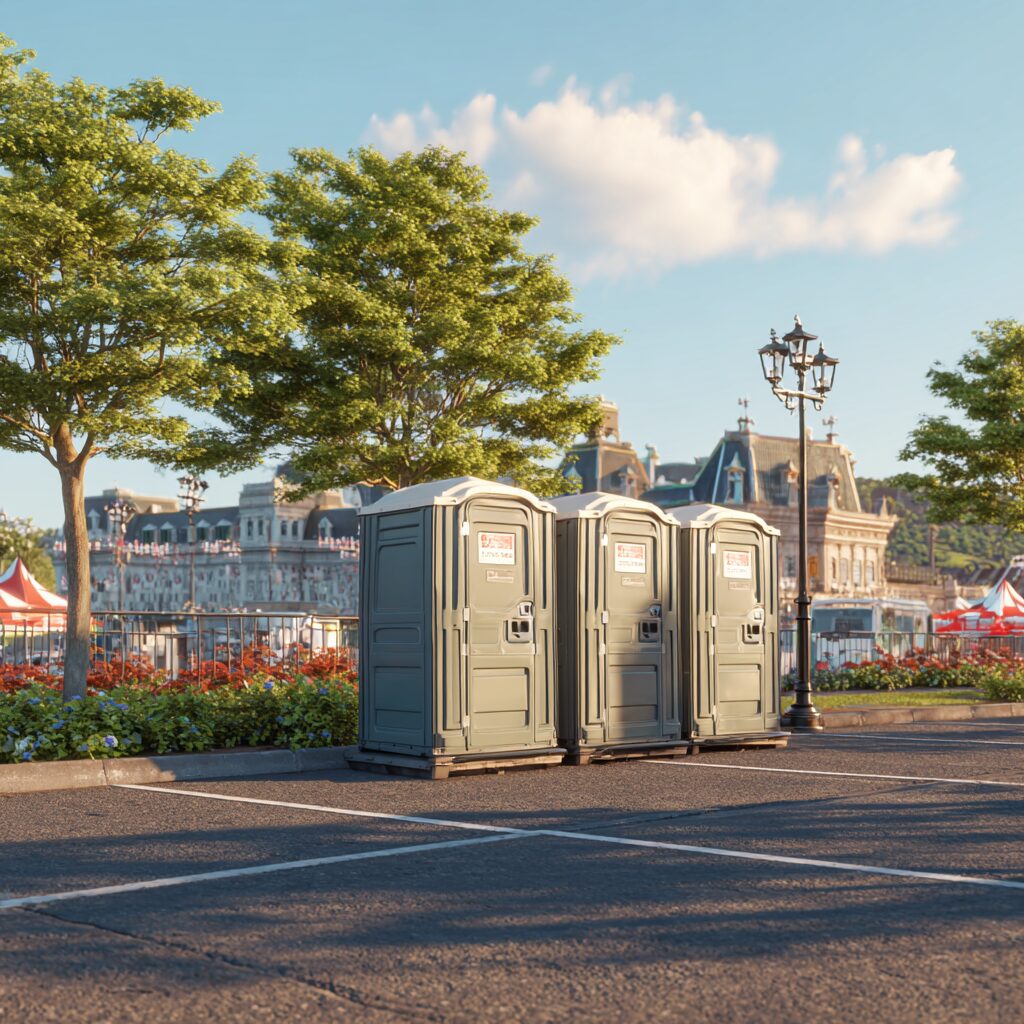
Before you sign any contracts, take a thorough walk-through of your venue space. This hands-on approach reveals how people will actually move through your gathering. You’ll spot natural congregation points and potential bottlenecks that a map alone can’t show.
Identify where crowds will gather most heavily. Stages, food areas, and entrance points typically draw the biggest numbers. Place facilities within easy reach of these hotspots.
Coordinate spatial needs with all your service providers early. Your staging company might need that perfect spot you had earmarked for restrooms. Work out these details before delivery day to avoid conflicts.
Safety starts with stable ground. Scout for level surfaces that can support facility clusters without tipping risks. Avoid slopes and uneven terrain.
Lighting matters greatly for evening functions. Choose well-lit spots or plan temporary lighting solutions. ADA-compliant units require thoughtful placement with clear pathways and proximity to main areas.
Mark these ideal locations on your site plan. Share this visual guide with all your teams during planning meetings. Everyone stays on the same page, ensuring smooth execution.
The delivery day chaos can make or break your entire setup if vendors aren’t properly sequenced. Imagine a catering truck blocking the path for your sanitation units. That’s why smart logistics planning separates successful gatherings from frustrating ones.
Create a master timeline that sequences every vendor arrival. Your restroom provider should have a clear delivery window that doesn’t clash with food truck setups.
Schedule a pre-event call with all major contractors. Share your site map and discuss access routes. This prevents the nightmare of blocked pathways.
Designate one person as the logistics captain. Vendors should check with this point person before making any placement decisions. Share contact lists so providers can coordinate directly if issues arise.
Place portable facilities near eating zones but maintain proper distance. About 50-100 feet works well for convenience without hygiene concerns.
Communicate your restroom placement plan early to food vendors. They need to know where facilities will be located for their staff and customer flow management.
Remember that food and drink consumption increases restroom usage significantly. Plan for extra capacity and more frequent servicing near these high-traffic zones.
The math behind portable sanitation might seem simple, but it’s more strategic than you think. Getting your calculations right ensures happy attendees and smooth operations.
Start with the industry standard: one unit per 50 guests for a full-day gathering. A 500-person festival needs at least 10 portable toilets. But adjust upward for alcohol service or longer durations.
Standard units handle most needs cost-effectively. These durable plastic facilities work are often ideal for general admission areas. Upgrades for standard porta potties include sinks, water tanks, and solar units.
Luxury restroom trailers offer climate control, running water, and upscale finishes. They’re ideal for VIP sections or corporate functions where comfort matters most.
Choose your mix strategically. Standard options cover bulk capacity while deluxe models elevate mid-tier areas. Restroom trailers create premium experiences.
Accessibility isn’t optional for public gatherings. ADA-compliant units feature wheelchair access, grab bars, and ramps.
Plan for one accessible unit per eight to ten standard units. Position these thoughtfully with clear pathways. They’re legally required and demonstrate inclusive planning.
Consider your audience when selecting types. A community fair might use standard and accessible units. A corporate function could feature primarily luxury options.
Getting those temporary restrooms on-site smoothly is a logistics puzzle that demands a clear game plan. Your success hinges on timing and access.
We will guide you through the crucial steps for a seamless operation.
Schedule your delivery for the earliest possible slot. Aim to have units placed before other teams arrive. This avoids navigating around staging gear or food trucks.
Coordinate with your parking or security lead. They can direct the rental truck to the correct entry point. Always walk the delivery route with your provider beforehand.
Look for low branches, narrow gates, or soft ground. Service trucks need a solid 10-12 feet of clearance. Do not assume they can fit through tight spaces.
Align the pickup schedule with your overall teardown timeline. You do not want sanitation trucks stuck behind caterers loading out.
For multi-day gatherings, plan servicing during quiet times. Early morning or late evening works best. This prevents disruptions to your guests.
Communicate any changes instantly. If weather muddies a path or your event runs late, alert your service company immediately. Prompt updates keep everything on track.
Ever notice how some festivals just flow perfectly while others feel like a constant traffic jam? The difference often comes down to how well various services work together. Your temporary sanitation is a prime example.
It should not stand alone. Smart integration with fencing and signage creates an invisible guide system for your guests.
Think of temporary fencing as your best friend for crowd control. It does more than just mark a boundary. Use it to create defined zones around your restroom clusters.
This fencing creates orderly lines and prevents overcrowding. It also clearly marks where the facilities are located. Guide foot traffic from busy areas like stages directly toward these fenced zones.
This manages flow and stops bottlenecks. Also, fence off the service access routes. This keeps paths clear for maintenance trucks and away from guest areas.
Great signs are a quiet hero at any large gathering. They answer questions before guests even have to ask. Place clear, bold signs at every major decision point.
This includes entrances, pathway intersections, and activity hubs. Make sure they are high enough to be seen over a crowd.
Use universal symbols for quick understanding. For evening functions, consider illuminated or reflective signs. Weave your restroom locations into the event’s overall color-coded wayfinding system for consistency.
This balance of convenience and control makes everyone’s experience smoother. Your attendees will appreciate the effortless navigation.

Let’s talk about the art of placing your restrooms where they serve guests best without causing any awkward moments. It is a balancing act between convenience and comfort.
You want facilities close to where people eat, drink, and gather. But you also need to maintain a pleasant atmosphere for everyone.
Position sanitation clusters a short walk from food and beverage areas. A distance of 50 to 100 feet is often the sweet spot.
Food and drink significantly increase restroom needs. Plan for higher capacity and more frequent servicing near these zones.
Spread facilities across your entire venue. Large gatherings need multiple zones near stages, markets, and parking.
This distribution ensures guests always have convenient access. It prevents long lines and overcrowding in one spot.
Think about daily traffic patterns. Place units where people can reach them without blocking main pathways.
Your attendees will appreciate the thoughtful planning. It leads to a smoother, more enjoyable experience for all.
The legal side of portable sanitation requires careful attention to local codes and accessibility standards. Getting this right prevents last-minute surprises that could disrupt your plans.
Work closely with your rental provider from the start. They understand regional requirements and can guide you through the process efficiently.
| Requirement Type | Key Specifications | Documentation Needed | Common Deadlines |
| ADA Compliance | Wheelchair access, grab bars, ramps | Site plan showing unit placement | 4-6 weeks before event |
| Health Department Permits | Minimum unit counts based on attendance | Expected guest numbers, layout map | 30-60 days prior |
| Waste Disposal | Authorized treatment facilities only | Service company certifications | Ongoing during event |
| Local Municipality | Placement restrictions, noise limits | Venue approval, insurance proof | Varies by location |
Accessibility isn’t optional for public gatherings. You must include ADA-compliant units with proper features like wheelchair ramps and interior grab bars.
Plan for one accessible unit per eight standard units minimum. Position them near main pathways for easy access.
Local health codes dictate everything from facility quantities to placement distances. Contact your health department early to understand specific rules for your gathering size.
Reputable rental companies handle waste disposal compliance as part of their service. They transport waste to approved treatment facilities following environmental standards.
Keep records of all permits and compliance efforts. This documentation protects you if questions arise during or after your function.
Successfully coordinating event porta potties with vendors transforms portable restrooms from isolated logistics into integrated infrastructure.
Need event sanitation partners who understand vendor coordination? Prime Dumpster provides flexible delivery windows that work around staging and catering schedules, placement expertise that balances guest convenience with operational flow, and pickup timing that supports rather than disrupts venue restoration.
Contact us for expert guidance on coordinating event porta potties with vendors, ensuring your sanitation logistics work seamlessly with every other service provider from gates opening through final site walkthrough.
If you are looking for Porta Potty Weather Adjustments for Construction Sites, Click Here


