Mon - Sat 7:00 am to 7:00 pm


Mon - Sat 7:00 am to 7:00 pm

Summer heat transforms outdoor sanitation from a simple logistics challenge into a critical resource management decision that affects both user comfort and environmental impact. Eco friendly porta potties for summer offer innovative solutions that tackle rising temperatures while dramatically reducing water consumption, making them essential for drought-conscious regions and sustainability-minded organizations.
Modern portable restrooms cut water use by up to 90% compared to standard facilities while maintaining hygiene standards through solar-powered ventilation and advanced waste treatment systems. At Prime Dumpster, we’ve coordinated eco friendly porta potties for summer events and worksites that demonstrate how environmental responsibility enhances rather than compromises operational efficiency during the most demanding season.
Summer weather creates unique challenges that modern eco-friendly porta potty features are specifically designed to address.
Solar panels mounted on porta potty roofs power continuous ventilation fans that circulate air throughout the day without requiring electrical connections or generators.
These active airflow systems reduce interior temperatures by 15-20°F compared to traditional units, making facilities comfortable even during peak summer heat when temperatures exceed 90°F.
Advanced vacuum-assisted and waterless flush systems use only 0.25-1 gallon per use instead of the 3-5 gallons required by traditional portable toilets.
This dramatic water conservation becomes critical during summer drought conditions when water restrictions limit availability and municipalities face increased demand from outdoor events and construction activities.
Plant-based enzymes and biodegradable chemicals break down waste naturally while eliminating harsh synthetic additives that can contaminate soil and groundwater.
Summer heat accelerates these natural decomposition processes, allowing biodegradable treatments to work 40% faster at 85°F compared to cooler temperatures while reducing environmental impact.
Recycled plastic composites and UV-resistant materials prevent warping, cracking, and degradation under intense summer sun exposure.
These durable materials maintain structural integrity and prevent leaks during prolonged heatwaves when traditional units often fail, ensuring reliable operation throughout extended outdoor events and construction projects.
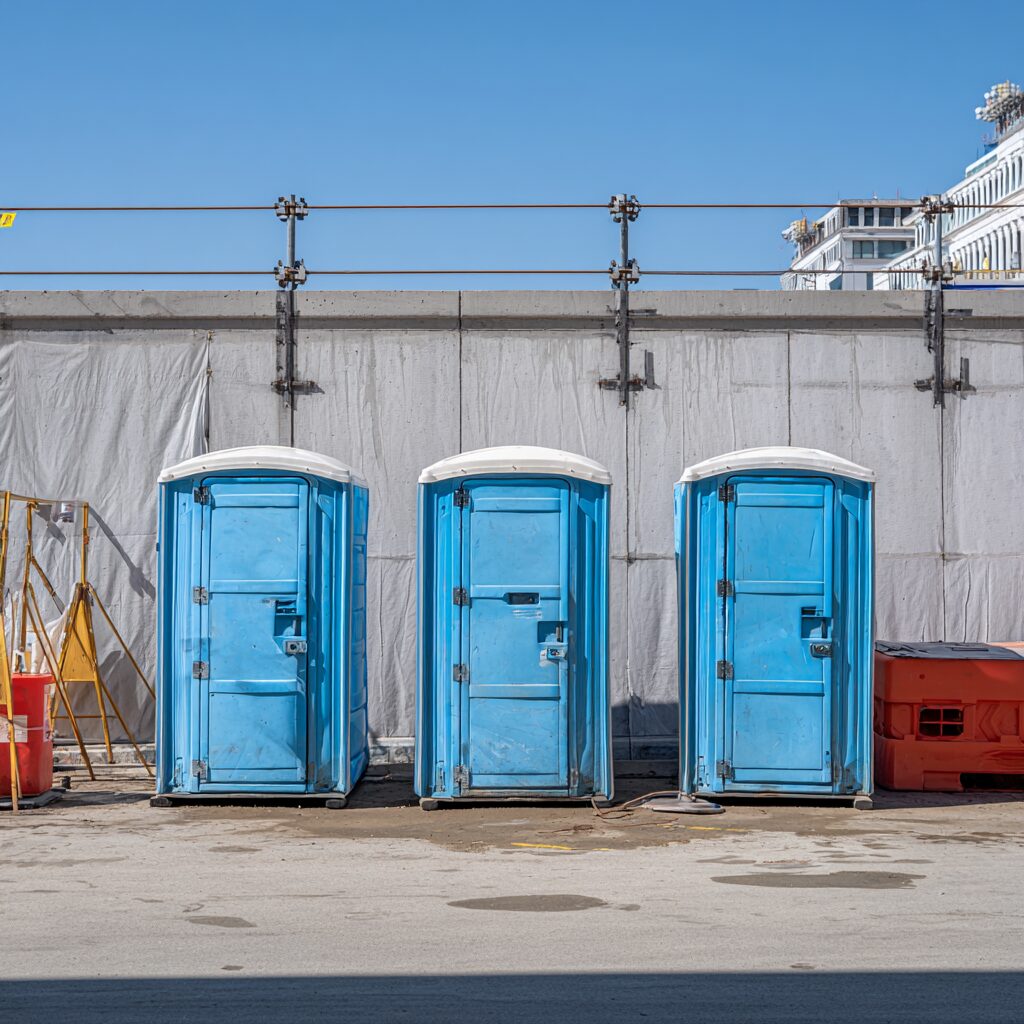
When thermostats hit triple digits, temporary restrooms face their ultimate test. Modern units rise to the occasion with features tailored for scorching conditions. Forget chemical smells and sweltering interiors – today’s designs tackle heat challenges head-on.
Water preservation takes center stage during dry months. Drought-conscious models use 90% less H2O than standard facilities. How? Advanced flush systems needing just 1-2 gallons versus 15. That’s enough saved daily to fill 58 water bottles per user.
| Feature | Traditional Units | Summer-Optimized Models |
| Water Usage Per Flush | 3-5 gallons | 0.25-1 gallon |
| Odor Control Method | Chemical deodorizers | Enzyme-based systems |
| Ventilation | Passive airflow | Solar-powered fans |
| Waste Processing | Holding tanks | Composting systems |
Built-in climate control makes all the difference. Solar fans pull heat out while bringing fresh air in. Users report interiors feeling 20°F cooler than older models – crucial when asphalt melts shoes.
Construction crews love models needing zero grid power. Self-contained designs handle 300% more users between services. Event planners swear by real-time capacity alerts preventing mid-concert crises.
Heat waves transform sanitation from an afterthought to a priority. Modern units now pack innovative tech that tackles both user comfort and planetary health. Let’s break down what makes these designs stand out when mercury rises.
| Feature | Traditional Models | Upgraded Units |
| Power Source | Grid electricity | Solar panels |
| Water Use Per Flush | 3-5 gallons | 0-1 gallon |
| Waste Treatment | Chemical additives | Plant-based enzymes |
| Airflow | Static vents | Active solar fans |
Roof-mounted panels do double duty. They power 24/7 airflow while slashing energy demands. Solar fans create breezes that drop interior temps by 15-20°F – because no one wants to bake while handling business.
Drought-ready designs use vacuum-assisted flushing or compost systems. Some models need just a cup of water per use. Others skip H2O entirely with biodegradable liners that trap odors better than old-school blue liquid.
These solutions prevent waste runoff during summer storms. Advanced tanks separate liquids from solids, cutting contamination risks by 80% compared to basic units. Perfect for parks hosting Fourth of July crowds.
Sunlight becomes your best ally when managing outdoor sanitation in scorching months. Solar-powered restrooms tackle two problems at once: sweltering interiors and energy waste. These units swap diesel fumes for silent, renewable power – because nobody wants to hear generators roar during a sunset ceremony.
| Feature | Solar-Powered Units | Traditional Units |
| Energy Source | Sunlight + Battery Backup | Grid/Diesel Generators |
| Ventilation | Active Solar Fans | Passive Airflow |
| Lighting | LED Night Lights | None or Battery-Powered |
| Daily CO2 Savings | 8-12 lbs | 0 lbs |
Imagine stepping into a toilet that feels 20°F cooler than the outside air. Solar fans make it happen by pulling heat out continuously. Event planners report 73% fewer complaints about stuffy conditions at venues using these models.
The design cuts ties with electrical grids entirely. Place units anywhere sunlight reaches – construction sites, beach weddings, mountain festivals. Built-in batteries store enough juice to power LED lights all night after just 4 hours of sun.
Here’s the kicker: Each unit prevents 1.2 tons of annual emissions. That’s like taking half a car off the road yearly. Users get cooler, brighter spaces while planners hit sustainability targets without lifting a finger.
Summer heat does more than melt ice cream – it supercharges decomposition. Modern sanitation systems leverage rising temperatures to accelerate natural breakdown processes. This smart approach keeps temporary facilities cleaner while protecting surrounding ecosystems.
Specialized toilet paper dissolves 3x faster than standard rolls in warm conditions. Hand sanitizers made from plant alcohol break down within weeks instead of decades. These materials work with the season rather than against it.
Warm weather activates natural enzymes in disposal systems. Microbes feast on waste 40% faster at 85°F than at 60°F. Fewer chemicals mean safer runoff during summer storms.
New containment units separate liquids from solids automatically. This cuts transportation trips by half – tanker trucks make fewer runs in peak heat. Less fuel burned means cleaner air at crowded venues.
Approved facilities process biodegradable waste using solar-powered digesters. One Phoenix company reports 60% faster composting since switching to heat-assisted systems. It’s like nature’s disposal crew working overtime.
These solutions prove sustainability doesn’t stink. Event planners get cleaner sites, cities protect waterways, and everyone avoids that dreaded porta-john aroma wafting across the picnic area.
Temporary sanitation solutions work overtime when crowds gather or projects expand under the sun. Modern designs now serve diverse needs without compromising performance or environmental standards.
Music festivals requiring 200+ units no longer drain local resources. Solar-powered ventilation keeps lines moving smoothly, while real-time monitoring prevents mid-show emergencies. One Lollapalooza vendor reported 40% fewer service calls compared to older models.
Wedding planners love units with floral decals that match reception themes. Built-in handwashing stations eliminate plastic bottle waste – crucial when hosting 300 guests on a vineyard lawn. Bonus: No generator hum disrupts first dances.
Construction crews clocking 10-hour days need reliable facilities. OSHA-compliant models with non-slip floors reduce worksite injuries by 18%. Project managers note crews take shorter breaks when units stay cooler than outdoor temps.
Backyard events get upgrades too. Compact designs with biodegradable supplies protect gardens from runoff. A Phoenix homeowner’s Fourth of July party used units that required zero water hookups – perfect for drought-restricted areas.
| Application | Key Feature | Benefit |
| Music Festivals | Solar fans | 75°F interior temps |
| Construction | Anti-microbial surfaces | 62% fewer sick days |
| Weddings | Designer exteriors | Blends with décor |
| Residential | Waterless operation | No lawn damage |
Ever tried squeezing through a crowded festival restroom in August? Modern sanitation units solve that headache with clever engineering. Designers reimagined temporary facilities to handle summer’s twin demands: brutal heat and packed crowds.
New models prove good things come in small packages. These units occupy 30% less ground space than older versions while offering 20% more interior room. How? Vertical storage niches and fold-down shelves maximize every inch.
Lightweight composites make units 40% easier to transport than steel-frame alternatives. Integrated handles and wheel kits let crews position them on rooftops, narrow trails, or sandy beaches. No crane required.
Summer-specific tweaks keep users cool without bulk. Curved roofs deflect sunlight while creating airflow channels. Door seals expand in heat to block odors better than rigid gaskets. You get climate control without complicated parts.
Modular setups adapt to any event. Link units for gender-specific banks or isolate them for remote construction sites. One Texas music festival arranged 150 toilets in a spiral pattern around shade trees – functional and oddly artistic.
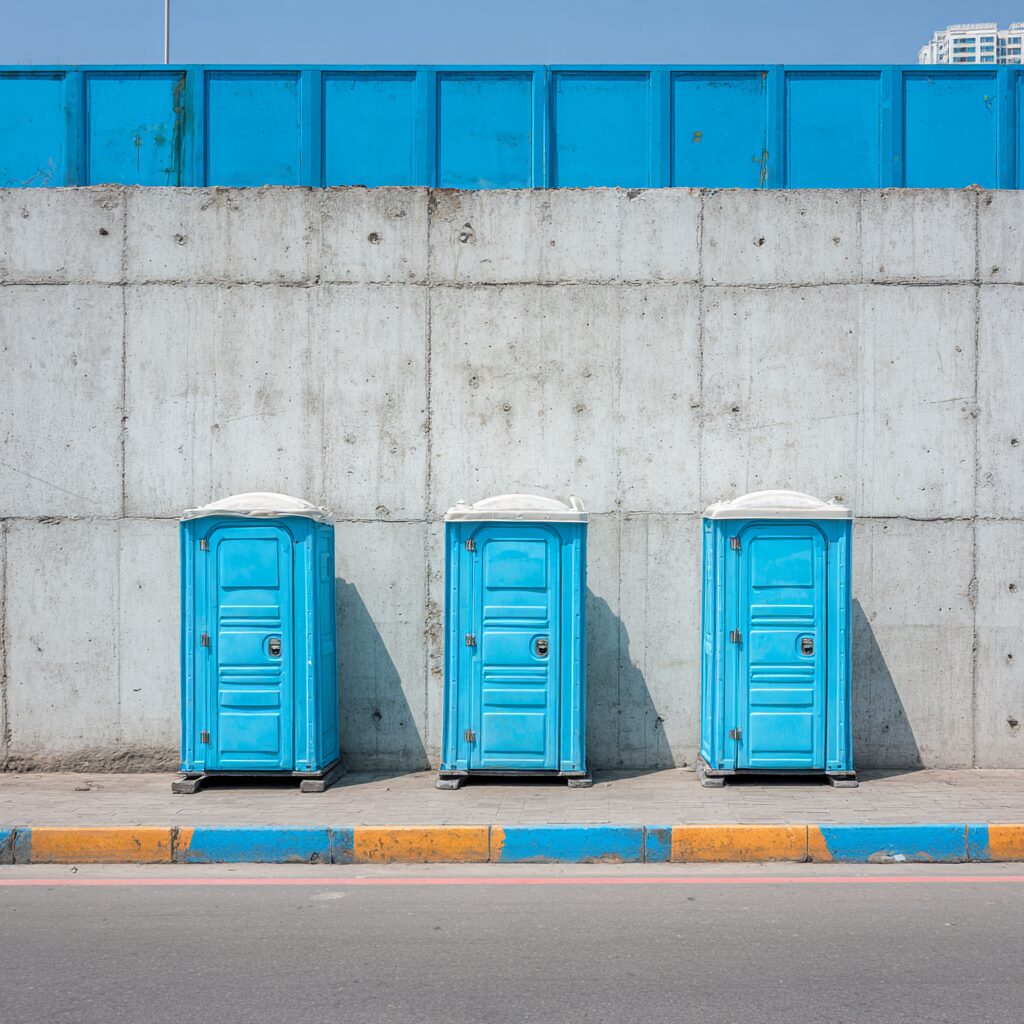
Smart event planners know bathroom breaks can make or break an attendee’s experience. Modern sanitation solutions now double as sustainability statements that align with client values. The secret? Choosing systems that conserve resources while keeping lines moving smoothly.
Cut costs without cutting corners. Units with solar-powered ventilation can reduce generator fees by 60% at outdoor venues. One San Diego music festival saved $8,000 monthly using models requiring 75% fewer service calls.
Upfront costs often surprise planners – until they see the math. Waterless units can save venues $1,200+ in utility hookups per 50 guests. That’s enough to upgrade your dessert bar or hire extra security.
Location matters more than you think. Place units near food areas to reduce foot traffic damage to lawns. Use crowd flow analytics to determine optimal numbers – 1 unit per 50 guests during peak hours prevents bottlenecks.
| Event Type | Units Needed | Service Frequency |
| Wedding (150 guests) | 4-5 | Post-event only |
| Festival (5,000/day) | 80-100 | Twice daily |
| Construction Site (30 workers) | 2 | Weekly |
Partner with providers offering real-time capacity alerts. One corporate picnic planner reduced units by 20% using predictive attendance tools. Bonus: Fewer deliveries mean lower carbon emissions.
Scorching weather tests every aspect of outdoor operations. Sustainable sanitation systems now tackle heat-related headaches through smart engineering that prioritizes user comfort and environmental protection.
Sticky surfaces and odors multiply faster than fireflies in July. Modern units combat this with antimicrobial coatings that kill 99% of bacteria within 60 seconds – no scrubbing required. Solar-powered vents pull heat out while bringing fresh air in, creating conditions even ice cream wouldn’t melt in.
Heat-resistant materials prevent warping and leaks during prolonged heatwaves. Non-porous surfaces wipe clean in seconds, unlike traditional units needing pressure washes. You’ll spend less time managing facilities and more time enjoying that lemonade stand profit margin.
These innovations prove sweltering conditions don’t have to compromise standards. By reducing waste generation and streamlining operations, upgraded systems keep sites compliant while protecting your bottom line. Because nobody wants their big event remembered for bathroom-related disasters.
Eco friendly porta potties for summer prove that environmental responsibility and operational excellence work together to create superior experiences during the most challenging weather conditions.
From water conservation and solar-powered cooling to biodegradable waste treatment, these innovative facilities support both sustainability goals and user comfort while delivering the reliability that summer projects demand.
Contact us to learn more about summer-optimized portable restroom solutions. We’re ready to help you achieve your water conservation goals while maintaining the comfort and functionality that keeps operations running smoothly all season long.
If you are looking for Eco-Friendly Porta Potties for Construction in Summer, Click Here


