Mon - Sat 7:00 am to 7:00 pm


Mon - Sat 7:00 am to 7:00 pm
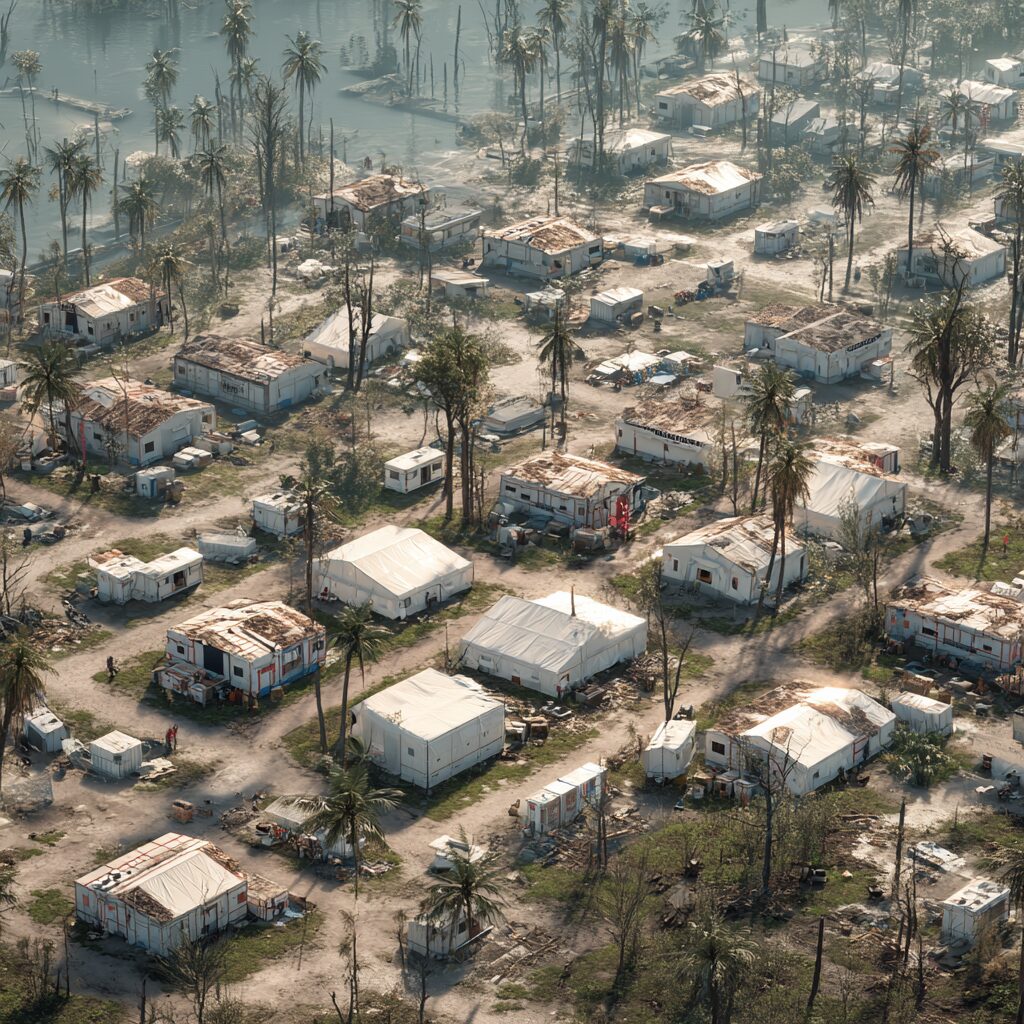
When disaster strikes and regular plumbing fails, finding emergency porta potty rentals near me becomes an urgent public health priority that can’t wait for business hours.
Whether you’re coordinating hurricane relief, managing power outages, or responding to infrastructure failures, rapid sanitation deployment prevents secondary health crises and maintains human dignity during communities’ most vulnerable moments.
At Prime Dumpster, our emergency response team delivers specialized portable restroom solutions with the speed and reliability that crisis situations demand, ensuring your disaster response includes the critical sanitation infrastructure that keeps relief operations running safely and effectively.
We asked the experts on our team for help answering some of the most common questions we hear from emergency coordinators and relief organizations. Here are quick answers from the Prime Dumpster Pros for anyone looking for emergency porta potty rentals near me.
“Emergency porta potty providers typically deliver units within 4-12 hours during active disasters, depending on road conditions and equipment availability in the affected region. Many companies maintain pre-staged inventory in disaster-prone areas to enable faster response times during hurricane season or wildfire periods.”
“Emergency shelters typically need a mix of standard units for immediate deployment and restroom trailers for operations lasting more than a few days. ADA-compliant units are required at all relief sites under federal guidelines, and handwashing stations become essential for preventing disease outbreaks in crowded conditions. Multi-stall trailers work well for large evacuation centers housing hundreds of displaced residents who need consistent access to clean facilities.”
“Most jurisdictions suspend normal permitting requirements during declared emergencies, but coordination with local emergency management and health departments is still necessary for proper placement and service access.
Emergency coordinators should expect rental companies to handle regulatory compliance and documentation requirements. The permitting process typically gets streamlined through established emergency management channels rather than standard municipal approval processes.”
“Emergency situations require much more frequent servicing than standard rentals – typically daily service or even twice daily depending on usage levels and the number of people at each site. High stress and limited food options during disasters can increase facility usage, while maintaining strict hygiene standards becomes critical when people’s immune systems may be compromised. Most providers offer 24/7 emergency service teams during active disaster responses.”
“Emergency deployments typically cost 25-50% more than standard rentals due to rapid response requirements, after-hours service, and specialized deployment logistics. However, these costs are often eligible for FEMA reimbursement and emergency relief funding when properly documented through official channels. Emergency coordinators should work with rental providers who understand disaster relief funding requirements and can provide the necessary documentation for reimbursement claims.”
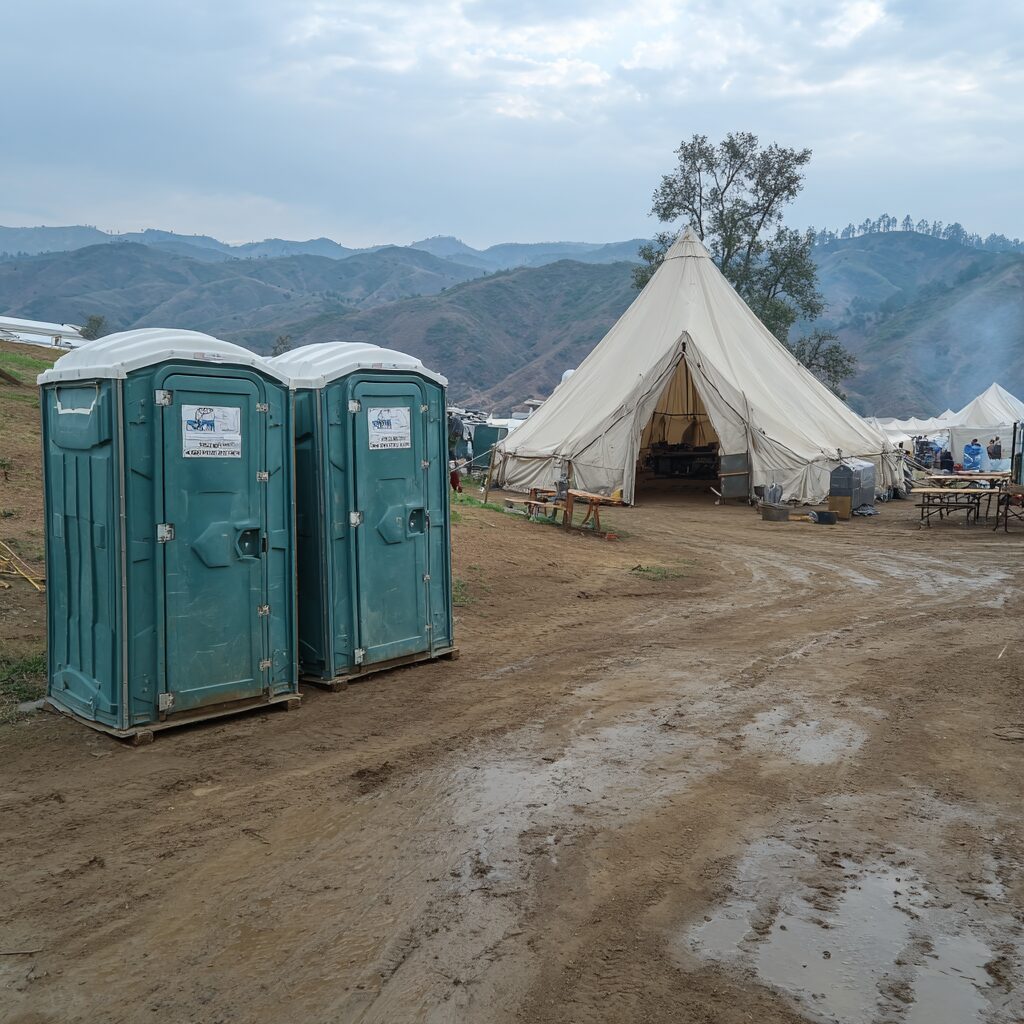
When the ground shakes or winds howl, the first casualty is often something invisible—clean restrooms. Relief teams face immediate hygiene challenges as damaged infrastructure and power failures cripple basic services. Coordination becomes critical within hours of a catastrophe.
Different disasters create unique challenges. Hurricanes flood entire neighborhoods, while wildfires force rapid evacuations. Each scenario demands tailored responses to prevent health crises.
| Disaster Type | Primary Challenge | Solution Focus |
| Hurricanes | Metro-wide power loss | High-capacity units |
| Wildfires | Evacuation camp density | Rapid-deploy trailers |
| Tornadoes | Debris-blocked access | Compact, mobile units |
| Snowstorms | Frozen plumbing | Insulated systems |
Sanitation solutions vary as much as the disasters they serve. Choosing the right equipment helps maintain order and health when infrastructure fails.
Let’s explore options that balance practicality with human needs.
Standard portable toilets deliver essential functions quickly. These no-frills units work best during initial crisis phases when speed matters. Non-slip floors and ventilation keep them functional in chaotic environments.
Deluxe models add sinks and foot-pump flushing systems. These become vital during extended operations at medical sites or food distribution hubs. Handwashing stations built into units help curb infection risks without requiring extra space.
ADA-compliant units prioritize inclusivity during emergencies. Wider doors and interior handrails allow wheelchair users to navigate facilities independently. Federal mandates require these at shelters and relief distribution points.
Lower seats and reinforced stability bars address diverse mobility needs. These features ensure everyone maintains dignity when regular bathrooms remain inaccessible for weeks.
Restroom trailers transform sanitation in long-term recovery zones. Multi-stall designs handle crowds at evacuation centers, while climate control protects users from extreme heat or cold.
Upscale finishes and private stalls boost morale for relief crews working 16-hour shifts. Some models even include shower trailers – a game-changer during month-long debris removal projects.
Crisis zones demand precision placement of sanitation resources. Relief teams become temporary urban planners, balancing accessibility with safety in ever-changing disaster landscapes. Let’s break down field-tested strategies that keep facilities functional when stakes are highest.
Ground stability tops the checklist after tornadoes or wildfires. Teams scout locations using soil maps and drone footage to avoid flood zones or loose terrain. Anchoring systems like steel augers or concrete blocks become lifesavers during hurricane-force winds.
| Disaster Type | Placement Priority | Anchoring Method |
| Hurricanes | Elevated ground | Helical earth anchors |
| Wildfires | Upwind of camp | Concrete ballast blocks |
| Tornadoes | Debris-free zones | Ratchet strap tie-downs |
| Snowstorms | Plowed access paths | Ice-melt grids |
Odor management starts with wind direction analysis. Positioning units downwind from meal tents prevents unpleasant surprises during dinner service. Maintain 75-foot buffers between sanitation clusters and medical treatment areas.
Think of it as urban planning on fast-forward. Multiple compact toilet clusters beat single mega-installations – they cut lines and create backup options when units need servicing. Clear pathways marked with hazard tape guide users between facilities and main activity zones.
Service vehicle routes get mapped before setup. These access lanes stay clear for pump trucks, even when construction crews triple overnight. Smart layouts position portable toilets near debris removal sites without blocking heavy equipment movement.
Last tip? Test your configuration with walk-through drills before crisis mode hits. Because in disaster response, good flow isn’t just about plumbing – it’s about keeping communities moving forward.
Maintaining hygiene becomes a frontline defense when disaster disrupts daily life. Relief teams juggle urgent priorities, but neglecting sanitation risks compounding crises. Effective protocols protect both survivors and responders from preventable health threats.
Disaster zones demand military-grade cleanliness routines. Crews scrub units three times daily using EPA-approved disinfectants – more frequently than standard event setups. Flood-damaged toilets get extra attention to neutralize contaminants from stormwater or debris.
Teams track usage patterns like epidemiologists. High-traffic medical triage areas might require hourly wipe-downs of door handles and seats. Night crews refill supplies during lulls in activity to avoid daytime crowding.
Think of handwashing stations as hygiene pit stops. Positioning them within 15 feet of toilet clusters cuts cross-contamination risks by 62% according to CDC field studies. Liquid soap dispensers outperform bar soap in group settings – no shared surfaces means fewer germs.
Smart inventory management prevents crises within crises. Coordinators log paper product levels twice daily using mobile apps. When shipments lag, bulk hand sanitizer stations bridge gaps until resupply.
Shower trailers transform recovery efforts for displaced families. These mobile washrooms offer privacy and dignity during week-long shelter stays. Bonus? Warm water removes ash particles after wildfires or construction dust post-tornadoes.
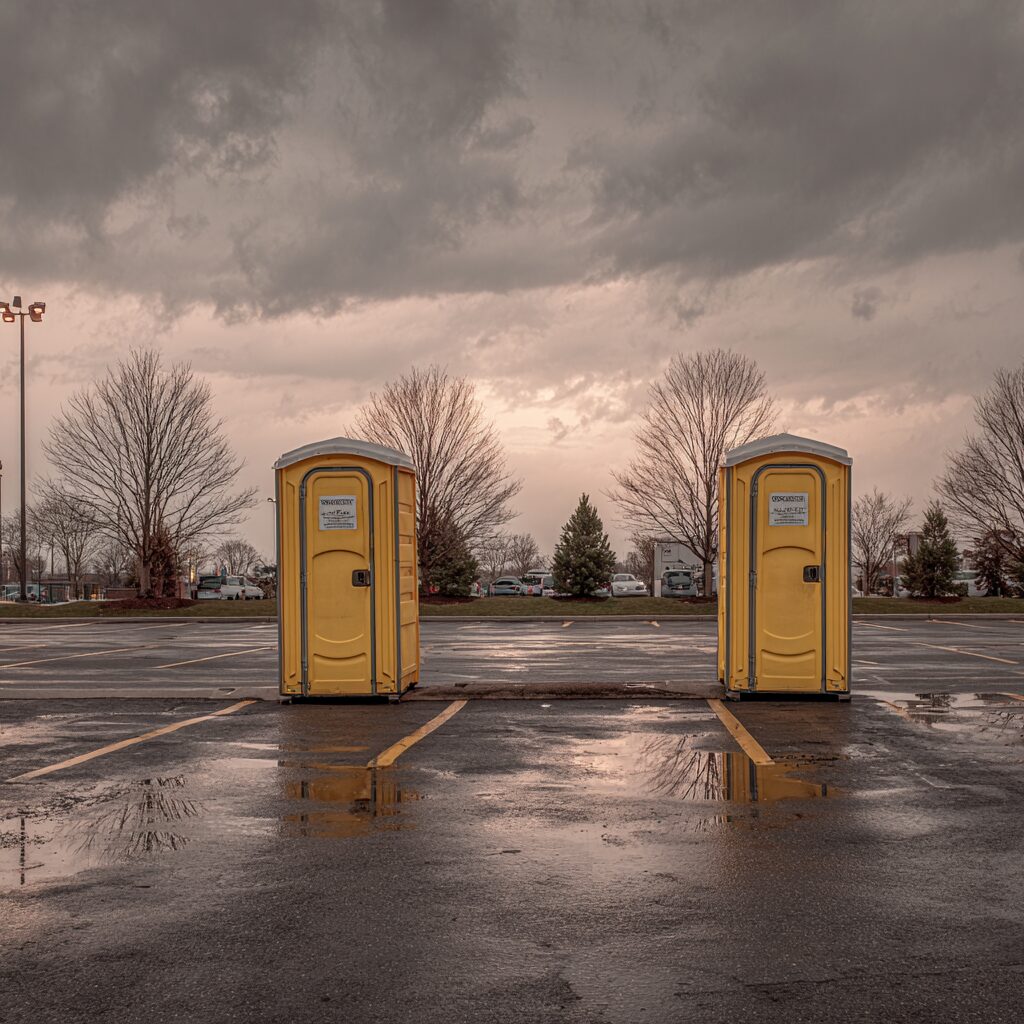
Even seasoned responders face curveballs during relief operations. Imagine someone dropping their insulin pen or wedding ring into a sanitation unit. These moments test protocols – and human patience.
Trained crews handle retrieval operations daily. Teams use grabber tools and sanitized retrieval kits to recover items without compromising unit integrity. One rule stands: Never reach in yourself. Contamination risks outweigh most items’ value.
Stress and chaos spike accident rates. Displaced families juggling belongings in tight spaces often lose phones or medications. Service teams prioritize life-critical recoveries first, using waterproof cameras to locate items before extraction.
Incident logs reveal patterns. Coordinators track frequent drop zones to improve signage or lighting. Backup radios ensure communication when cell towers fail, keeping operations smooth during critical phases.
Experienced providers resolve issues without halting relief work. Their crews train for these exact scenarios – because in disaster response, every second counts twice.
Effective disaster response hinges on logistics as much as manpower. Coordinators deploy sanitation resources like chess masters – anticipating needs three moves ahead while adapting to sudden changes.
Specialized teams activate within hours of disaster alerts. Their playbook includes pre-staged equipment clusters and regional supply networks. One recent hurricane response saw 200 units operational before floodwaters receded.
Nationwide inventory pools let crews redirect units from unaffected areas. This surge capacity prevents bottlenecks when local infrastructure collapses. Helicopters sometimes deliver compact toilets to isolated communities when roads vanish.
Round-the-clock customer teams become lifelines for relief organizers. They track usage data in real time, adjusting service frequency as camps expand. Night crews restock supplies during lulls to avoid daytime disruptions.
Smart agreements bypass red tape during crises. No credit checks. No lengthy contracts. Just clean facilities where they’re needed most – because when disaster strikes, sanitation solutions can’t wait on paperwork.
When disaster strikes your community, you need sanitation solutions that respond as quickly as first responders and operate as reliably as emergency services.
Emergency preparedness isn’t just about having supplies—it’s about having systems in place that activate instantly when normal infrastructure fails.
Are you asking yourself, “How can I find emergency porta potty rentals near me?” Contact our team to facilitate fast, reliable rented porta potties your community needs during its most challenging moments.
If you are looking for Porta Potty Rentals for Festivals and Concerts Near Me, Click Here


