Mon - Sat 7:00 am to 7:00 pm


Mon - Sat 7:00 am to 7:00 pm
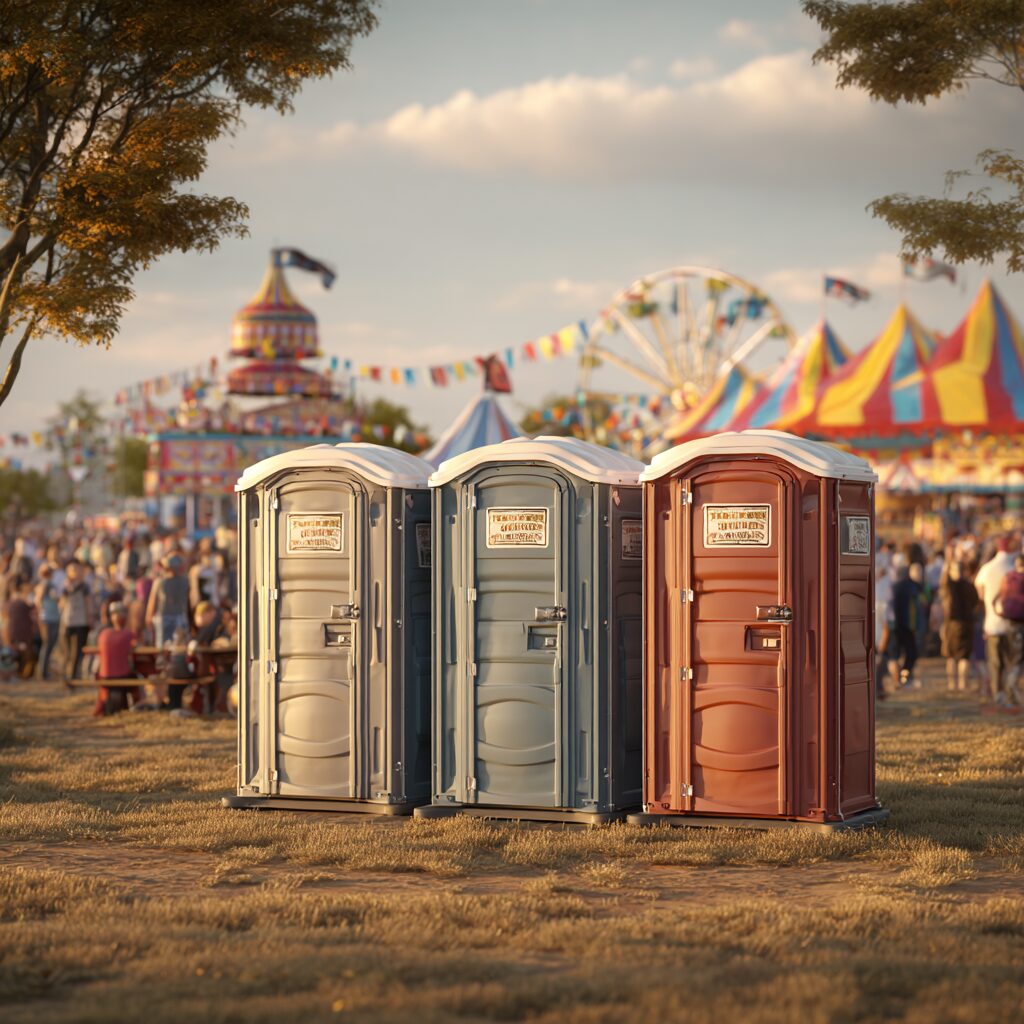
The final encore fades, vendors pack up, and your event officially wraps—but your work isn’t done until those portable restrooms leave your venue. Professional event managers keep venues on schedule by mastering the pickup timeline and logistics.
Effective porta potty pickup after an event requires understanding the timeline from final guest departure through professional removal, coordinating access routes for specialized vacuum trucks, and knowing which tasks fall to your event staff versus sanitation crews.
In this comprehensive guide from the pros at Prime Dumpster, we walk you through pre-pickup site walkthroughs, communication protocols with service providers, and customized strategies for different event types.
Mastering these post-event fundamentals helps ensure efficient removal at events of all types.

Once the last vendor truck rolls away, the final phase of your site cleanup begins. Coordinating the removal of temporary restrooms is a crucial final step. A well-executed plan ensures your venue returns to normal quickly.
This phase starts only when all guests and vendors have completely vacated the premises. Rushing this step creates safety risks and complicates logistics for the professionals.
Professional teams arrive with specialized trucks on a pre-arranged schedule. They handle waste removal, unit cleaning, and site restoration. Their efficient work follows strict environmental rules.
Getting the timing right for these large events is essential. It prevents extra rental costs and helps maintain a good relationship with the venue owner. You also meet local cleanup requirements.
| Financial Impact | Scenario Impact | Relationship Impact | |
| Timely Pickup | Avoids additional rental fees | Allows for smooth venue handback | Strengthens trust with property management |
| Delayed Pickup | Accrues daily rental charges | Blocks post-event inspections | Risks future booking opportunities |
Delays often happen due to blocked access or communication mix-ups. These are avoidable with proper coordination. Large gatherings like concerts see intense use of these facilities, making planning vital.
Understanding this schedule helps you plan final walkthroughs without conflict. A smooth process leaves the site ready for its next use.
The party’s over, but the work isn’t done. Understanding the division of labor for your sanitation units ensures a smooth transition. Clear roles prevent confusion when the professionals arrive.
Your team handles site preparation. Clear all pathways to each unit of decorations and equipment. Service trucks need 30-foot access for their hoses.
Remove any signage or accessories you added during the function. This prevents damage to the rental property. Your staff can also document unit conditions before the crew arrives.
Conduct a final walkthrough of the location. Note any issues with the facilities. This protects you if damage disputes arise later.
Leave the messy work to the experts. Professional teams arrive with specialized vacuum trucks and equipment. They handle all waste removal following strict health regulations.
The service crew performs complete sanitization of each unit. They transport everything back to their facility safely. Your rental agreement prohibits you from attempting this work yourself.
These specialists have the training and licenses required for proper disposal. Understanding these distinct roles creates efficient coordination. It ensures both parties fulfill obligations without delays.
With the festivities complete, the focus shifts to restoring the venue properly. The removal phase requires careful coordination between your team and the service professionals. Getting this right ensures a smooth transition back to normal operations.
Conduct your inspection the evening following your function or early the next morning. Verify each sanitation unit remains in its original placement area. Look for any accessibility issues that may have developed during your gathering.
Document the condition of every facility with photographs. Capture placement areas, ground conditions, and any visible damage. This protects your rental agreement from unfair claims later.
Identify obstacles that accumulated during teardown. Vendor equipment, stage components, or trash can block service truck access. Clear pathways ensure efficient work when crews arrive.
Professional teams typically arrive early morning to maximize route efficiency. They work within confirmed time windows across multiple locations. Their specialized equipment handles the heavy lifting.
The process involves positioning vacuum trucks within 30 feet of each unit. Technicians extend suction hoses to remove waste into holding tanks. Then they load empty facilities onto transport vehicles.
Service personnel perform final inspections before departure. They ensure no personal items remain inside units. All components get secured for safe transport back to their facility.
Plan for several hours of work depending on your site layout and unit quantity. After removal, conduct your own final check of each placement area before returning the venue.
The most successful event managers know that efficiency begins long before the first guest arrives. Getting your sanitation strategy right from the start saves time, money, and headaches later.
Smart coordination with your service provider makes the entire process smoother. Think of it as building a partnership rather than just placing an order.
Start discussing removal logistics during your initial booking conversation. Share details about access routes and any venue restrictions that could affect retrieval operations.
Communicate any timeline changes immediately. If your function runs late or extends, your provider needs advance notice to adjust their schedule and route planning.

The cleanup strategy that works for a corporate conference won’t cut it at a music festival. Each gathering type presents unique challenges for sanitation teams. Understanding these differences helps you plan smarter.
Music festivals create intense usage patterns with large crowds. Your preparation makes all the difference for the professionals.
Large public gatherings scatter units across expansive grounds. Multiple stages and vendor areas create complex pickup scenarios. Temporary ground coverings often need removal before trucks can access the facilities.
Your coordination with teardown crews becomes essential here. Clear communication ensures smooth operations when service teams arrive.
Sporting events typically concentrate portable toilets in specific zones. This simplifies logistics but requires stadium operations coordination. Charity functions often mix standard units with luxury restroom trailers.
VIP areas benefit from premium sanitation solutions. These high-end options need protected scheduling for back-to-back bookings.
Sanitation Strategy Comparison by Event Type
| Event Category | Unit Placement | Coordination Needs | Timeline Considerations |
| Music Festivals | Scattered across large areas | Detailed teardown crew coordination | Multi-day servicing affects final pickup |
| Sporting Events | Concentrated in specific zones | Stadium operations team alignment | Quick turnaround between games |
| Charity Gatherings | Mixed standard and luxury units | Separate equipment planning | VIP trailer protection scheduling |
Each event type demands tailored approaches. Your specific venue layout and attendee flow shape the ideal strategy. Working closely with your provider ensures success for every unique gathering.
The true mark of professional event planning shows in how smoothly the final cleanup unfolds. Your cooperation with sanitation crews makes their job faster and builds goodwill for your next function.
Simple preparation steps can cut removal time significantly. They also prevent unexpected charges and maintain positive vendor relationships.
Complete your venue teardown before the crew arrives. Remove all decorations, equipment, and temporary structures blocking access to sanitation facilities.
Emergency vehicle pathways must remain completely clear. Service trucks need 30-foot clearance for their equipment to operate safely.
Assign a team member to guide crews to each unit location. This prevents trucks from circling the property searching for facilities.
Communicate any ground condition changes that developed during your gathering. Report muddy areas or damaged pavement that might affect truck safety.
Remove trash and debris accumulated around the restroom locations. This allows crews to position equipment without additional cleanup work.
Keep venue access points unlocked during the confirmed pickup window. Document any facility damage beforehand to prevent disputes.
Levels of Assistance and Their Outcomes
| Assistance Level | Preparation Actions | Time Savings | Relationship Impact |
| Basic Help | Clear main pathways only | 15-30 minutes | Standard service quality |
| Proactive Support | Full teardown and site guidance | 1-2 hours | Preferred customer status |
| Partnership Approach | Real-time updates and damage reporting | 2+ hours | Priority scheduling benefits |
These measures dramatically reduce removal time and minimize costs. They build positive relationships with providers who prioritize well-organized events during busy seasons.
Your attention to detail throughout the celebration pays dividends when the professionals arrive for removal. Simple maintenance habits during your gathering make their job faster and protect your rental investment.
Keep supplies like toilet paper and hand sanitizer stocked throughout your function. Empty units create messy situations that complicate the final cleanup. Mid-event servicing prevents overwhelming buildup.
Position all facilities on firm, level ground during setup. This prevents settling or tipping that makes removal tricky. Stable placement ensures safe access for service trucks.
Assign staff to monitor high-traffic restroom areas. They can address small issues immediately rather than letting problems grow. Quick fixes prevent major complications later.
Maintenance Approach Comparison
| Strategy During Event | Actions | Pickup Impact | Cost Effect |
| Basic Maintenance | Occasional supply checks | Standard cleanup time | No extra charges |
| Proactive Care | Staff monitoring, mid-service | Faster removal | Potential discounts |
| Full Partnership | Attendants, daily servicing | Quickest process | Best value pricing |
Luxury trailers need special handling. Ensure water connections get properly disconnected before the crew arrives. This protects expensive equipment and speeds their work.
Cluster units together rather than scattering them across your venue. Grouped facilities reduce truck movement and cut removal time significantly. Your planning directly affects efficiency.
Successful porta potty pickup after an event depends on coordinating removal timing that prevents extra rental charges. Maintain clear 30-foot access routes for service trucks by removing decorations and equipment before crews arrive. Establish strong communication channels with providers who need advance notice about schedule changes or ground conditions.
Event staff handles site preparation and pathway clearance. Professional teams manage waste removal, unit sanitization, and transportation following strict environmental regulations. This clear division of labor ensures efficient operations.
Need event sanitation partners who understand post-event coordination? Prime Dumpster provides flexible pickup scheduling with early morning windows that maximize route efficiency. We offer clear communication protocols for timeline adjustments and customize removal strategies for concerts, festivals, sporting events, and corporate gatherings. Contact us for help with post-event sanitation logistics that streamline venue restoration, prevent delays, and build strong provider relationships for your future events.
If you are looking for Guide to Porta Potty Service During Events, Click Here


