Mon - Sat 7:00 am to 7:00 pm


Mon - Sat 7:00 am to 7:00 pm

Planning an event or construction project requires understanding equipment longevity to make smart rental decisions. How long does a porta potty last? The answer affects everything from budget planning to maintenance schedules, making it essential knowledge for anyone relying on portable restroom facilities.
Porta potties durability depends on multiple factors, including usage patterns, maintenance quality, and environmental conditions that impact these durable units over time.
At Prime Dumpster, we’re experts in portable restroom solutions, and we’ve created this comprehensive guide to help you understand porta potty lifespan, maintenance requirements, and strategies that maximize the durability of these essential sanitation facilities.
We asked our Prime Dumpster Pros for their expert answers to the most common questions about portable restroom durability and longevity.
“Porta potties typically last about 10 years when properly maintained, though actual lifespan depends heavily on usage patterns, environmental conditions, and maintenance quality. Units made from high-density polyethylene (HDPE) resist cracking and UV damage better than cheaper materials, while regular cleaning and prompt repairs can significantly extend their useful life. Heavy-use situations like major festivals or busy construction sites will wear units down faster than occasional use at small events.”
“The biggest factors are often logistical ones such as usage frequency, weather exposure, and maintenance quality. A unit serviced weekly in moderate conditions will last much longer than one that’s neglected or overused. Vandalism and misuse also play major roles, which is why proper placement in visible, well-lit areas helps protect units from damage. Material quality matters too, with HDPE construction offering better longevity than lower-grade plastics that crack or fade more quickly.”
“Service frequency should match usage intensity – low-use units can go weekly, moderate-use sites need service 2-3 times per week, and high-traffic events require daily servicing to prevent damage from overuse. Regular waste pump-outs prevent tank strain and odor buildup, while routine cleaning stops small issues from becoming major repairs. The key is monitoring waste levels and adjusting service schedules based on actual usage rather than sticking to arbitrary timelines.”
“Replace units when repair costs approach replacement value or when they have persistent structural issues like cracked housings, warped doors, or chronic leaks that compromise sanitation. Heavy wear units with significant damage often require constant maintenance that becomes more expensive than getting newer units. We also recommend replacement when units can no longer meet hygiene standards despite proper cleaning, since user safety and comfort should always be the priority.”
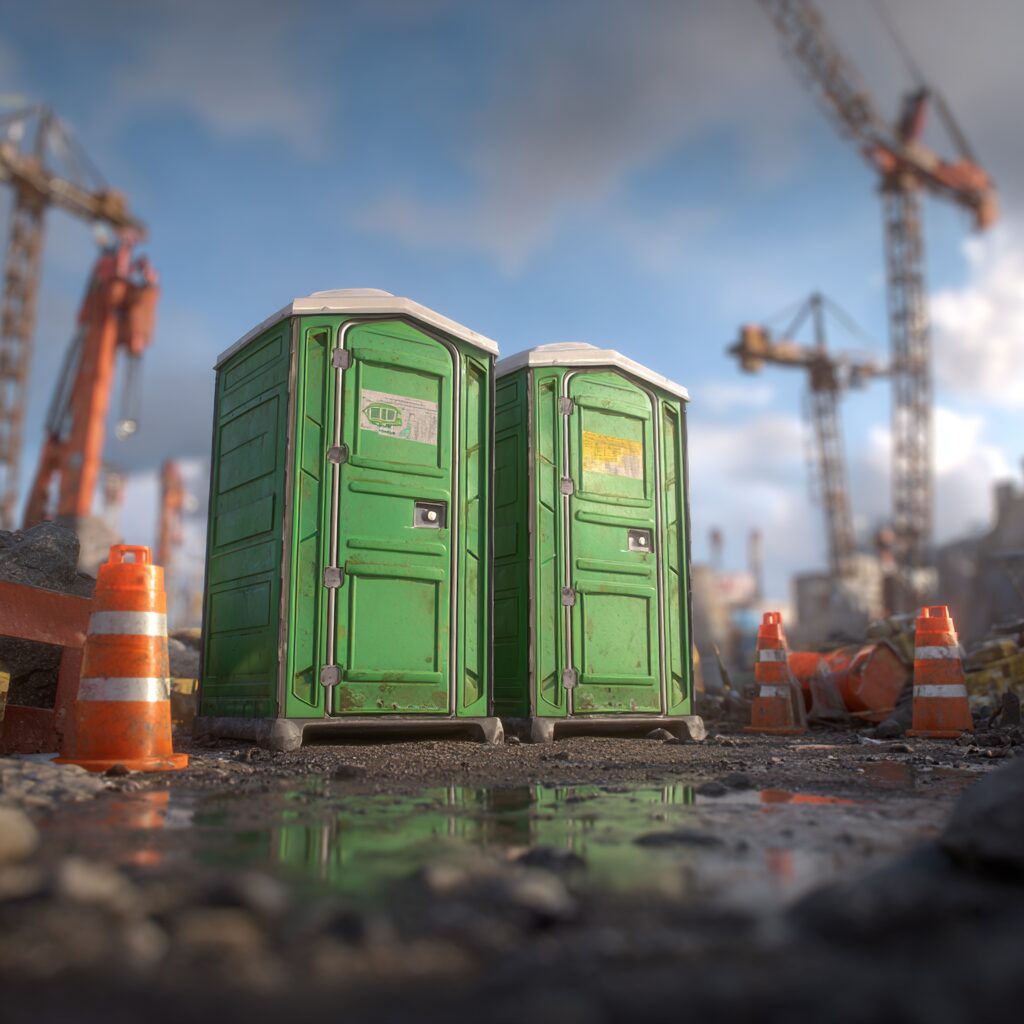
Regular cleaning and planned maintenance are the backbone of keeping porta potties functional, sanitary, and longer‑lasting. A consistent program reduces odors, prevents plumbing issues, and improves the experience for users.
Set cleaning frequency to match usage. As a rule of thumb: low-use units (small work crews or short-term private events) can be serviced weekly; moderate-use units (daily construction crews, small festivals) benefit from 2–3 service visits per week; high-use units (large concerts, multi-day festivals) should be checked and serviced daily. Adjust these intervals for season, weather, and whether alcohol is served.
Monitor waste levels visually or with sensors to avoid overfilling and spills. For events, schedule several spot checks during peak hours; for job sites, include a weekly waste-level check in your servicing contract. Prompt pump‑outs prevent messes and reduce wear on holding tanks.
Follow a thorough cleaning checklist: empty and pump tanks, degrease and disinfect walls, seats, and floors, clean hand‑sanitizer and dispenser areas, and sanitize high-touch surfaces like door handles. Use industry‑approved disinfectants safe for HDPE plastics and follow manufacturer guidance to protect materials.
Beyond cleaning, inspect units for leaks, cracked housings, damaged doors, and faulty locks. Restock essential supplies (toilet paper, soap, sanitizer) on a schedule. Address repairs promptly—small fixes now prevent bigger, costlier replacements later. For tailored servicing frequency and onsite checks, contact your rental provider to set up a servicing plan that matches your site’s needs.
Following a clear cleaning schedule, monitoring waste levels, and combining disinfection with proactive maintenance helps porta potties stay safe and functional for users while extending each unit’s usable life.
Getting the right number of portable toilets and placing units strategically reduces overuse, lowers maintenance needs, and improves the experience for users. Whether you’re staffing a construction site or running an outdoor event, thoughtful distribution keeps lines short and units in better condition.
Place units near high‑traffic areas (stages, food courts, or crew zones) but not directly where noise or fumes may deter use. Spreading units across a site prevents some toilets from becoming overloaded while others sit unused.
Match the number of toilets to expected attendance and event duration to balance usage across units. Proper placement and adequate unit counts extend each portable toilet’s useful life and reduce the frequency of emergency servicing.
Consider event specifics—peak times, alcohol service, and nearby restrooms—when planning placement. For multi-stage festivals, distribute units by stage to avoid crowding; on construction sites, place units near shift start/end points for convenience.
| Event/Project Type | Toilet Quantity Recommendation |
| Construction Site | 1 portable toilet per 10 workers |
| Outdoor Festival/Concert | 1 portable toilet per 50–100 attendees |
| Wedding/Outdoor Party | 1 portable toilet per 50–75 guests |
| Sports Event | 1 portable toilet per 100–200 spectators |
Use these ratios as starting points. Adjust upward for long events, events serving alcohol, or when many attendees are expected during a short time window (for example, a two-hour headline set). For instance, a 4‑hour concert for 2,000 people at peak times may require 20–40 units plus extra servicing during the event to keep waste levels under control.
To keep porta potties functioning correctly, a clear maintenance program is essential. Regular cleaning and scheduled servicing keep units sanitary, reduce repairs, and help each portable toilet reach its expected lifespan.
Schedule waste pump-outs based on usage: low‑use units can be emptied weekly, moderate‑use units every few days, and high‑use or event units daily or after peak periods. Timely waste disposal prevents odors, overfills, and extra strain on holding tanks.
Keep each unit stocked with toilet paper, soap, and hand sanitizer. Restocking on a set schedule—daily for high‑traffic events, weekly for low‑use sites—maintains hygiene and reduces complaints from users.
Perform spot checks during the day to address spills, remove trash, and sanitize high‑touch areas. Include inspection items such as door latches, vents, seals, and the integrity of the tank. Quick, routine fixes prevent small problems from forcing costly repairs or early replacements.
Document issues and repair them promptly—replace broken doors, fix leaks, and tighten fittings as soon as they are discovered to extend the porta potty’s useful life.
Vandalism and misuse significantly shorten a unit’s life. Reduce risks by placing units in well‑lit, visible locations, using signage with clear usage rules, and installing tamper‑resistant hardware where appropriate. For events, consider periodic staff monitoring or surveillance in high‑risk areas.
Proper placement and user guidance encourage correct use and protect the quality of the potties available to guests and workers.
Professional rental and servicing companies bring trained crews, industrial‑grade cleaners, and the right equipment to maintain units to sanitation standards. They can set up tailored servicing schedules, handle emergency pump‑outs, and provide documentation for compliance or event planning.
By combining regular cleaning, scheduled servicing, and quick repairs, professionals help maximize each portable toilet’s lifespan and keep sanitation standards high for all users.
Porta potties are durable, but exposure to harsh weather conditions and repeated heavy use will eventually wear them down. UV exposure can fade and embrittle plastics over time, and repeated impacts can dent housings—so preventative maintenance and prompt repairs are key to preserving quality.
Vandalism is a frequent concern for festival toilets; proactive maintenance, secure placement, and rapid response to damage help mitigate that risk and keep units serviceable.
Repair small issues quickly to avoid escalation. If a unit is repeatedly failing or the cost of repairs approaches replacement costs, replace it to maintain overall site sanitation and safety. A clear repair‑vs‑replace threshold in your maintenance plan helps make those decisions fast and cost‑effective.
When units are beyond practical repair, prompt replacement keeps clean, functioning toilets available for users and minimizes disruptions to your event or work site.
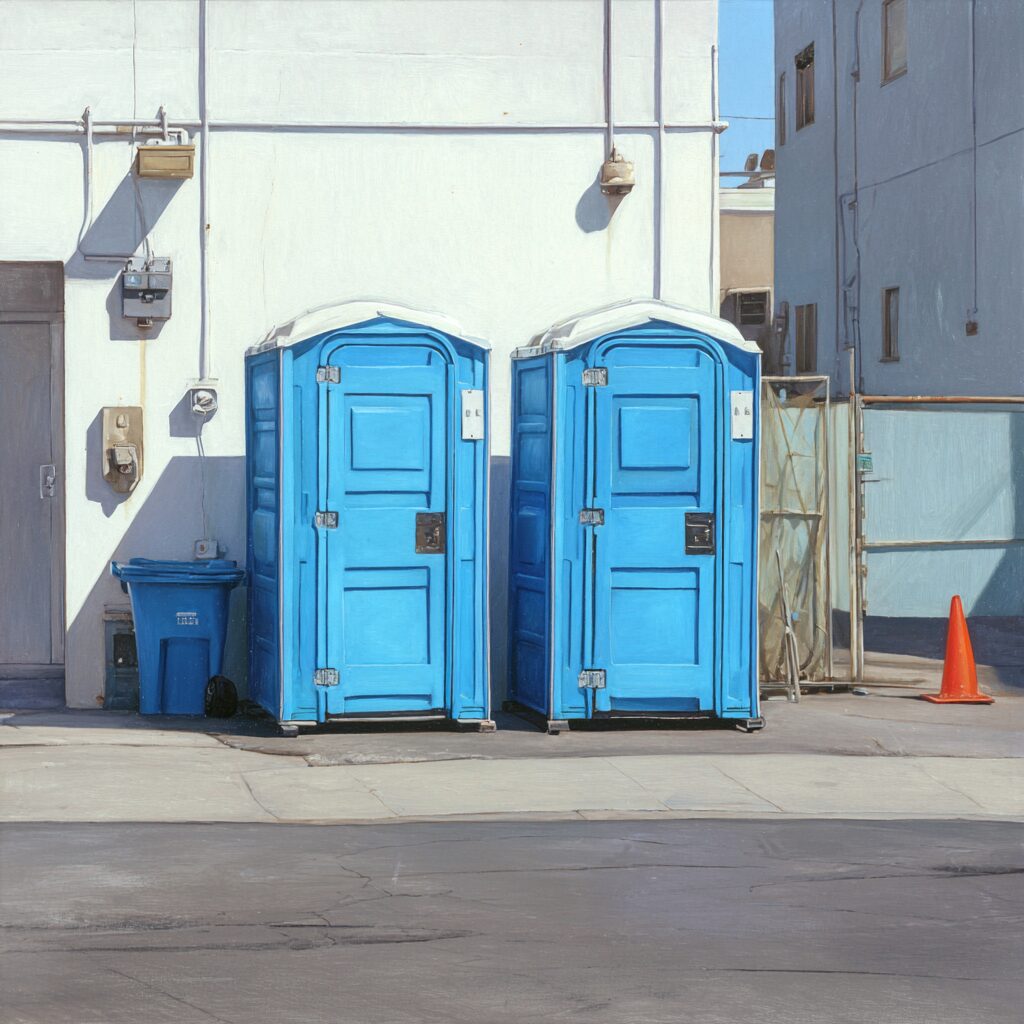
Portable toilets progress through recognizable lifecycle stages from new to heavily worn. Understanding these stages—what materials they’re made from and how usage and maintenance affect lifespan—helps you choose the right unit and plan servicing or replacement for your site.
New porta potty units (typically under 1 year or fewer than a specific number of rentals) offer the best appearance and functionality. Constructed from durable materials such as high‑density polyethylene (HDPE), these units provide peak performance and the longest expected life when paired with proper maintenance.
Light wear units show minor cosmetic signs—small scuffs or shallow dents—but meet sanitation standards and perform reliably. These units are often 1–3 years into service (or after a moderate number of rentals) and are a cost‑effective option for many events and construction sites.
Moderate wear units have more visible signs of use (fading, deeper scratches) but remain functional. Their lifespan depends on the original materials used and how well they’ve been maintained; expect these units to be several years old and to require more frequent spot repairs and servicing to stay in service.
Heavy wear units exhibit substantial damage—cracked housings, warped doors, or persistent leaks—and are often nearing the end of useful life. For safety, sanitation, and user comfort, these units typically need significant repairs or replacement rather than continued rental.
Most rental fleets operate mainly with new to moderate wear units; moving a unit through these stages is a function of materials (HDPE and related plastics), frequency of use, environmental exposure, and maintenance quality. Use an inspection checklist to classify units by cosmetic and functional criteria and determine whether to repair or replace.
| Porta Potty Lifecycle Stage | Description |
| New Units | Reserved as event restroom rentals. Latest features, pristine condition; longest expected lifespan when maintained. |
| Light Wear Units | Minor cosmetic damage; functional and cost‑effective for many events and sites. |
| Moderate Wear Units | Visible signs of use; meet sanitation standards but require more servicing—balance of affordability and usability. |
| Heavy Wear Units | Significant damage or functional issues; frequent repairs needed and often a candidate for replacement. |
There are several types of portable toilets available for rent, from simple camping-style units to luxury restroom trailers. Each portable toilet option has different features, maintenance needs, and expected durability, so choose based on your event size, duration, and quality expectations.
Picking the right porta potty rental affects how long units stay in service and how comfortable your guests or crew will be. Consider crowd size, event length, and site needs when selecting units.
Portable toilets come in a range of designs to suit different use cases:
Match the unit type to your needs: standard units work well for construction and short events, flushable units for improved sanitation, and luxury units for weddings or VIP areas.
When searching for “porta potties near me,” plan rental duration to match how long you’ll need service. Typical rental options include single‑day, weekend, weekly, and monthly rentals — and each duration has different servicing expectations.
How long does a porta potty last? The rental type and how it’s used affect longevity — proper care makes a big difference. Follow these best practices to maximize life and maintain quality:
| Portable Toilet Option | Features |
| Standard Portable Toilet | Non‑flushing tank, toilet seat, separate urinal |
| Flushable Portable Toilet | Flushing mechanism, handwashing station, mirror; requires proper servicing |
| Luxury Portable Toilet | Often equipped with air conditioning, running water, flushing toilet, premium finishes |
Choosing the right potty rental and scheduling appropriate servicing helps portable toilets retain quality and function over time — offering a better experience for people on site and reducing long‑term maintenance costs.
How long does a porta potty last ultimately depends on the care and maintenance these units receive throughout their service life. With proper cleaning schedules, prompt repairs, and strategic placement, porta potties can provide reliable service for up to 10 years while maintaining sanitation standards that keep users comfortable and facilities compliant.
Smart planning recognizes that portable restroom longevity directly impacts project costs and user satisfaction, making proper maintenance and professional servicing essential investments rather than optional expenses. Contact our team to explore porta potty rental options for construction projects and large events that fit your specific needs and budget.
If you are looking for Porta Potty Definition and Meaning, Click Here


