Mon - Sat 7:00 am to 7:00 pm


Mon - Sat 7:00 am to 7:00 pm

Weekly portable restroom costs confuse project managers who need reliable sanitation without breaking budgets. Most contractors and event planners overpay because they don’t understand the sweet spot that a porta potty rental for a week provides.
Prime Dumpster’s pricing expertise reveals exactly what drives weekly rental costs and how to optimize your investment. Let’s learn how much a porta potty is for a week, plus proven strategies to secure quality units without breaking your budget.
How much is a porta potty rental for a week? While customers often search for weekly rates, porta potty rentals typically operate on either 3-day event periods or 28-day construction cycles, with the same flat-rate pricing covering either timeframe.
Now, let’s explore the detailed factors that impact porta potty rental costs and availability for extended periods.

Let’s flush out the confusion around portable restroom rentals. These units serve far more than dusty construction sites – they’re essential for festivals, outdoor weddings, and even film productions where plumbing’s just a pipe dream.
While porta potty rentals typically operate on 3-day event periods or 28-day construction cycles, some projects benefit from customized weekly arrangements that fall between these standard timeframes. Rental companies understand that not every project fits the traditional mold and will often work with customers to create flexible solutions.
Weekly rentals make particular sense for multi-phase construction projects, extended outdoor shoots, or seasonal events that need consistent sanitation over seven days.
These arrangements provide the predictability of longer-term rentals while avoiding the commitment of a full 28-day construction cycle, giving project managers better control over both timing and costs.
Smart project managers appreciate this flexibility because it eliminates the complexity of multiple short-term rentals while providing regular maintenance without the extended commitment. Your rental facilitator can discuss specific timing needs and create arrangements that match your project’s unique requirements.
Choosing the right temporary restroom isn’t about luxury – it’s about matching facilities to your crowd’s needs. From rugged job sites to black-tie fundraisers, today’s units solve sanitation challenges smarter than ever.
Basic models keep costs low without skimping on essentials. These no-frills thrones handle heavy use with durable plastic construction and built-in ventilation. Ideal for construction crews or festival crowds prioritizing function over flair.
Upgrade to flushable versions when comfort matters. These units mimic permanent restrooms with freshwater tanks and foot-pedal flushing. Wedding planners often pair them with sink-equipped models for events where guests expect hotel-style amenities.
Handwashing stations get a modern twist in deluxe units. Integrated sinks with running water and soap dispensers reduce germ spread. No more separate hygiene tents – everything’s contained in one weatherproof package.
Accessibility isn’t optional on modern worksites. Spacious ADA units feature wheelchair ramps, grab bars, and extra-wide doors. They’re not just compliant – they’re genuinely user-friendly for all team members.
Solar models shine in off-grid locations. Roof panels power interior lights and ventilation fans without noisy generators. Perfect for park cleanups or trail-building projects miles from power sources.
Construction teams working above ground level need specialized solutions. High-rise units feature reinforced frames for elevator transport and leak-proof waste tanks. Towable versions roll across sprawling sites as work zones shift.
Every project has its perfect match. Whether you’re hosting executives under a tent or framing skyscrapers, there’s a mobile restroom designed for your specific scenario.
Several elements tip the scales on your portable toilet expenses—let’s unpack them. Weekly costs depend on your unique needs and local logistics, not just the unit itself. Smart planners consider both visible and hidden factors when budgeting for sanitation solutions.
Your location sets the stage for base rates. Urban zip codes often mean higher prices due to parking challenges and increased demand. Rural deliveries might add fuel surcharges but avoid permit headaches common in cities.
Unit type dramatically affects your bottom line. Basic models hover around $199 to $349 weekly, while deluxe flushable versions can enter the $300 range. Need ADA-compliant or solar-powered options? Those specialty units range from $200 to $300.
Delivery distance from the supplier’s warehouse plays a role too. Local providers typically charge less for transportation than those hauling units across county lines. Always confirm if mileage fees apply.
Standard plans include one weekly cleaning—perfect for light-use situations. High-traffic events or busy worksites often need midweek service visits, which can double your weekly cost. Ask about service packages before signing contracts.
Don’t forget municipal permits. Some cities require fees for placing temporary restrooms on public property. Others mandate specific sanitation schedules. A quick call to local officials prevents budget surprises.
Commit to multiple weeks? Many companies offer discounted rates for extended rentals. These long-term deals reward planners who can predict their timeline while keeping facilities fresh throughout projects.
Smart planners know timing impacts throne logistics more than you’d think. Prices swing with demand cycles, and strategic scheduling can keep your project’s sanitation budget in check.
Let’s explore seasonal strategies that turn calendar shifts into savings opportunities.
Winter’s frosty months slash prices for standard units. Providers compete for indoor construction jobs and early-bird event bookings. Lock in rates now for spring projects – many companies offer discounts to fill their post-holiday schedules.
March brings spring cleaning specials. Rental firms often bundle units with handwashing stations at reduced rates to clear winter inventory. This season’s secret? Ask about midweek delivery discounts when business slows after weekend events.
June weddings and July festivals spike summer costs, but early bookings secure better deals. One pro tip: Pair restrooms with luxury trailers for group discounts. Need units through September? Avoid fall construction rushes by scheduling deliveries before Labor Day.
| Season | Demand Factor | Savings Move |
| Winter | Indoor projects | Commit to 3+ months |
| Spring | Landscaping jobs | Bundle multiple units |
| Summer | Outdoor events | Book 90 days early |
| Fall | Construction deadlines | Shift dates post-October |
Year-round saver: Extended contracts often drop monthly costs significantly. One construction site manager saved 37% by committing to six months versus weekly rentals. Your move? Plan ahead and watch those sanitation expenses shrink.
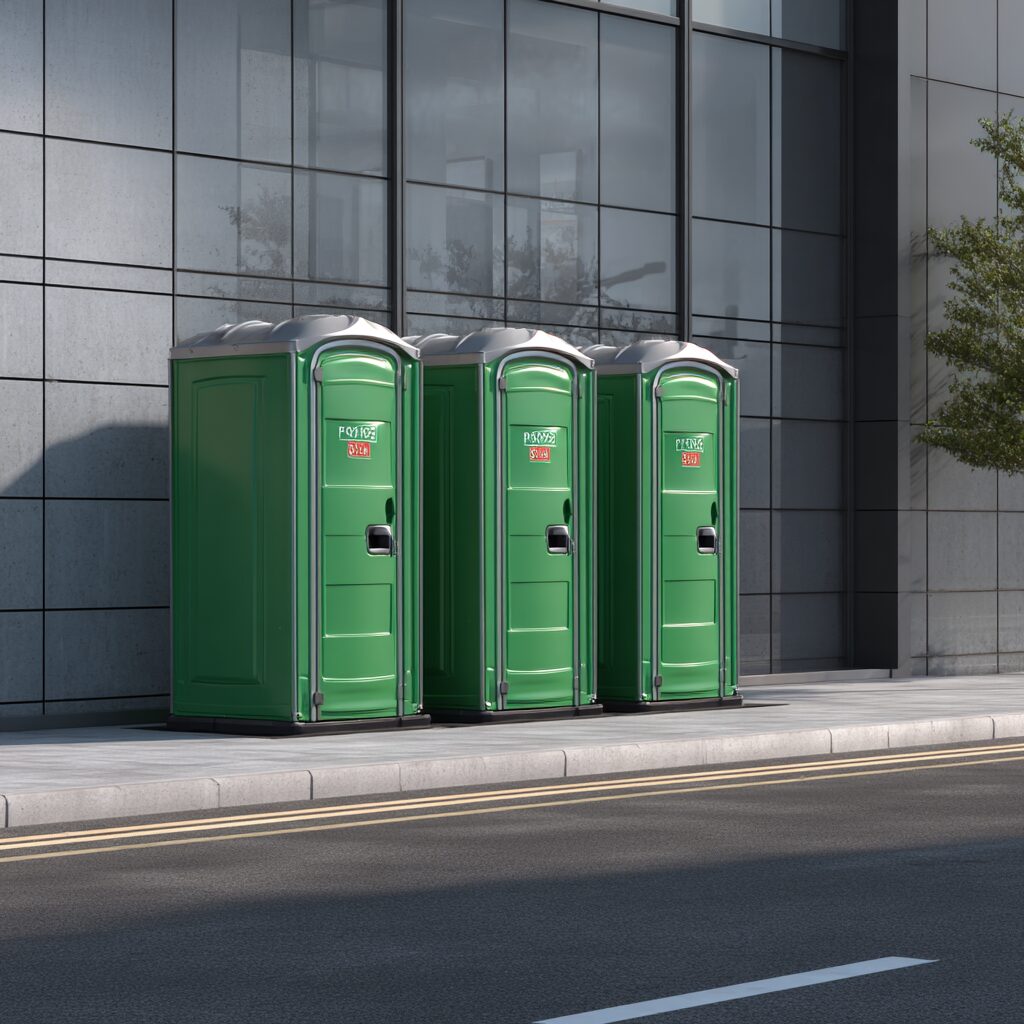
Weekly porta potty rentals aren’t the industry standard, but they can be arranged for specific situations that don’t align with typical 3-day events or 28-day construction periods.
In many cases, you might find better value with a longer 28-day rental that provides more flexibility and often better per-day pricing. However, certain projects have unique timing requirements where a customized weekly arrangement makes the most practical and economic sense.
Job sites thrive with weekly restroom rotations. Crews of 10+ workers require at least one unit to meet OSHA standards. Weekly servicing aligns with safety inspections and project milestones.
Consider these benefits:
Major builds often stagger deliveries across phases. Pouring concrete? Frame installations? Each crew gets dedicated facilities matching their schedule.
From garden weddings to music festivals, seven-day rentals cover prep time and cleanup. Two units handle 50 guests at six-hour events – no bathroom lines disrupting festivities.
| Scenario | Duration | Units Needed |
| Outdoor Wedding | 3 setup days + event | 1 per 25 guests |
| Film Shoot | 5-7 shooting days | 2 + ADA unit |
| Camping Trip | 7 days | 1 per 15 campers |
Disaster response teams also rely on weekly setups. Temporary housing sites and medical triage areas need predictable sanitation while rebuilding infrastructure.
Setting up temporary sanitation isn’t rocket science, but smart placement makes all the difference. Where you position facilities impacts user experience, maintenance needs, and even your final quote. Let’s break down the logistics that keep operations smooth.
Proper placement starts with stable ground. No one wants a wobbly throne – level surfaces prevent tipping and simplify servicing. Always verify overhead clearance for delivery trucks and ensure pathways accommodate equipment.
| Consideration | Best Practice | Impact |
| Unit Placement | Dry, flat surfaces with drainage | Prevents damage and simplifies cleaning |
| Accessibility | ADA-compliant paths for public events | Avoids fines and ensures usability |
| Delivery Timing | Schedule during off-peak hours | Reduces site disruption |
| Site Access | Clear 10-foot wide pathways | Prevents additional delivery fees |
Weekly servicing does more than refill toilet paper and hand sanitizer. Technicians check tank levels, scrub surfaces, and replace air fresheners. Need extras like heated units or misting fans? These upgrades affect your quote but boost comfort in extreme weather.
Always review contract details about service schedules and emergency protocols. Clear agreements prevent surprises when rain turns your site into mud or temperatures drop unexpectedly.
Prime Dumpster Pro Tip: Mark utility lines before delivery – punctured pipes ruin everyone’s day.

Smart planning and proper preparation maximize your rental value while preventing common issues that disrupt projects and events.
Following these simple steps ensures your weekly rental runs smoothly from delivery to pickup.
How much is a porta potty rental for a week? The answer depends on a variety of factors such as your location, the unit types needed, and more — but, generally, weekly rental rates average around $130.
Prime Dumpster’s nationwide network specializes in flexible weekly rental solutions that adapt to your project timelines and budget requirements. Contact our team to discover how proper planning and transparent pricing can optimize your portable restroom costs for any seven-day need.
If you are looking for Do Porta Potty Prices Change Seasonally?, Click Here


