Mon - Sat 7:00 am to 7:00 pm


Mon - Sat 7:00 am to 7:00 pm
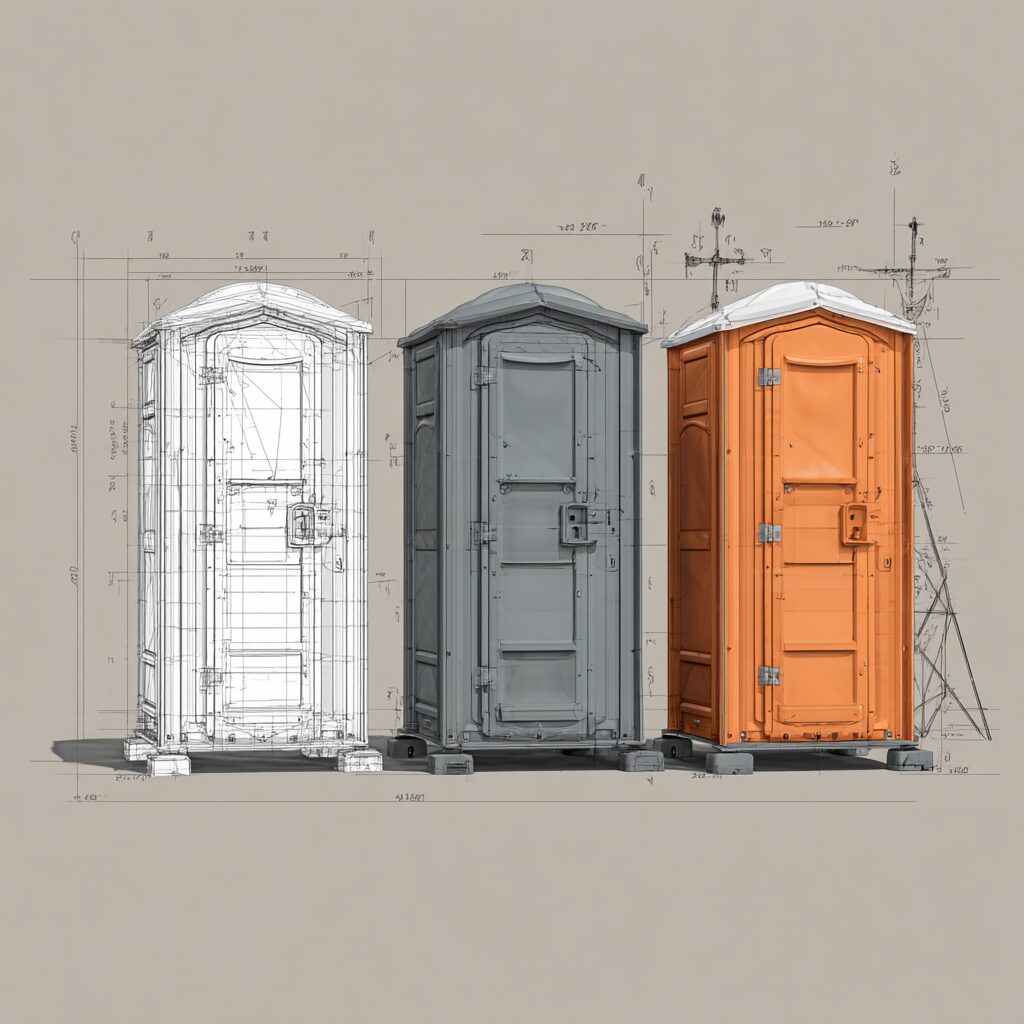
Ever wonder what happens to portable toilets after they leave your construction site or outdoor event? The lifecycle of an eco friendly porta potty reveals how these humble facilities transform from recycled materials into durable sanitation solutions that serve communities for over a decade before becoming new products again.
At Prime Dumpster, we’ve created a guide exploring how the lifecycle of an eco friendly porta potty creates environmental value through smart manufacturing, extended durability, and comprehensive recycling programs.
Each phase of an eco-friendly porta potty’s lifecycle incorporates sustainable practices that minimize environmental impact while maximizing resource efficiency.
These comprehensive lifecycle practices demonstrate how sustainable portable restroom design creates environmental benefits that extend far beyond temporary sanitation needs.
Portable sanitation units have come a long way from their basic beginnings. Modern designs now follow a planet-conscious roadmap that keeps them useful for years while cutting landfill waste. Let’s break down how these mobile restrooms stay green at every turn.
The journey begins with recycled plastics shaping durable tanks and walls. Factories mold materials designed to withstand 10+ years of heavy use. Five phases keep these units eco-smart:
| Aspect | Traditional Units | Eco Models |
| Materials | Virgin plastics | 85% recycled content |
| Waste Processing | Landfill disposal | Closed-loop treatment |
| Average Lifespan | 5-7 years | 12-15 years |
| Recycling Rate | Under 30% | 92%+ |
Construction crews and event planners now demand solutions that protect both people and ecosystems. These mobile facilities prevent 3.2 million gallons of contaminated runoff annually across U.S. job sites. Their sealed tanks and eco-friendly chemicals keep groundwater safe while servicing 250+ uses per unit.
Manufacturers partner with recycling specialists to transform retired units into park benches, construction barriers, and new sanitation equipment. This circular approach turns temporary restrooms into lasting environmental assets.
Today’s units combine rugged durability with radical recycling – without sacrificing functionality on job sites or festival grounds.
Modern portable toilets get their strength from post-consumer plastics. High-density polyethylene from milk jugs and detergent bottles becomes indestructible waste tanks. These recycled materials withstand UV rays, harsh cleaning chemicals, and 15 years of heavy use.
| Material | Source | Durability | Recycling Rate |
| Virgin Plastic | New petroleum | 5-7 years | 28% |
| Recycled HDPE | Household waste | 12-15 years | 91% |
| Bamboo Composite | Renewable farms | 8-10 years | 100% biodegradable |
The industry’s pushing further with materials science. Bamboo fibers mixed with recycled plastics create walls that naturally resist odors and bacteria. Some manufacturers now use plastic reclaimed from ocean cleanups – turning 10 tons of marine waste into 1,000 toilet units annually.
These innovations do more than protect ecosystems. They make portable toilets lighter for transport (cutting fuel use) and safer when handling waste chemicals. Next-gen prototypes even test plant-based polymers that compost after retirement.
Your last job site porta potty? There’s a 60% chance its plastic came from someone’s recycled laundry detergent jug. Talk about a full-circle moment!
What if building a restroom could actually help the planet? Modern sanitation manufacturers now treat production lines like environmental labs – places where smart engineering meets radical resourcefulness.
Advanced molding tech works like a high-stakes baking show: precise measurements ensure zero material spills. Factories recycle 98% of plastic scraps instantly, feeding leftovers back into new units. This closed-loop approach saves enough plastic annually to wrap around the Lincoln Memorial 400 times.
| Process | Traditional | Eco Approach | Savings |
| Material Use | 12% waste | 2% waste | 10% reduction |
| Energy per Unit | 85 kWh | 32 kWh | 62% drop |
| Transport Weight | 320 lbs | 275 lbs | 14% lighter |
Automated sensors now spot imperfections faster than a toddler finds candy. This early detection prevents defective units from guzzling extra materials or energy.
Solar panels power 60% of leading factories, while efficient HVAC systems slash energy needs. Lighter designs cut diesel use during delivery – each truck now hauls more units with fewer trips.
Color-infused molds mean no paint jobs required. This eliminates 7 tons of VOCs yearly – equivalent to taking 15 cars off highways permanently. Even packaging gets lean, using 100% recycled cardboard that’s 30% thinner than industry standards.
Studies show these methods offset production emissions within 18 months of a unit’s service life. That’s faster than most phone contracts!
Think your smartphone will outlast a portable restroom? Think again. Today’s rugged sanitation solutions stick around longer than most tech gadgets – and way longer than disposable alternatives.
Thick polyethylene tanks laugh at UV rays and chemical cleaners. These workhorses handle 120°F summers and -20°F winters without cracking. Proper care keeps them functioning 15+ years – that’s three presidential terms or 45 Coachella festivals!
| Feature | Standard Units | Premium Models |
| Base Lifespan | 5-7 years | 12-15 years |
| Water Saved Annually | 18,000 gallons | 34,000 gallons |
| Service Cycles | 150+ | 400+ |
What makes them last? Three battle-tested design elements:
Over a decade of use, each unit saves enough water to fill an Olympic pool. That’s 660,000 gallons conserved while keeping job sites compliant. Talk about a legacy!
Next time you see these blue boxes on-site, remember: They’ll likely outlast the project they’re serving. Now that’s commitment.
What keeps portable restrooms working smoothly through years of festivals and job sites? A well-oiled maintenance machine that treats each unit like a long-term investment. These programs ensure mobile sanitation stays safe, functional, and fresh – no matter how many people use it.
Think of it as a spa day for portable restrooms. Every 3-6 months, technicians deep-clean surfaces and test ventilation systems. They replace door seals before leaks start and swap worn hinges that could trap users inside. Preventive care stops small issues from becoming costly disasters.
| Maintenance Type | Standard Approach | Proactive Program |
| Inspections | Every 6 months | Monthly checks + sensors |
| Parts Replaced | Only broken items | 20% preventive swaps |
| Lifespan Impact | 7-10 years | 12-15+ years |
Refurbishment crews work magic on mid-life units. You’ll find them pressure-washing interiors until they shine like new and installing odor-blocking vents from latest models. Structural frames get reinforced while keeping original tanks – saving 300 lbs of plastic per unit.
Facilities managers now use smart systems tracking usage patterns. Sensors alert teams when waste levels hit 80% or door latches weaken. This data cuts emergency cleanups by 40% and keeps units in rotation longer.
These strategies don’t just save money – they prevent tons of plastic waste. One restored unit avoids manufacturing 1.2 new ones annually. That’s 800 gallons of water saved and 90% less landfill material per service year.

Who actually deals with all that… stuff? Meet the unsung heroes of portable sanitation – waste management crews armed with vacuum trucks and strict protocols. Their work keeps temporary restrooms safe and prevents environmental disasters.
Specialized trucks arrive like clockwork at construction sites and concert venues. Operators hook up industrial hoses to extract waste without spills. Each load travels to processing plants that handle both portable toilet contents and city sewage.
High-traffic locations get daily attention during peak usage. Servicers don’t just empty tanks – they scrub surfaces, restock supplies, and recharge eco-friendly deodorizers. This routine prevents health hazards and keeps units fresh between visits.
Modern treatment facilities turn waste into resources. Microbes break down materials, while advanced systems capture methane for energy production. One festival’s bathroom waste could power six homes for a week!
Strict disposal rules protect groundwater. Double-lined tanks and pH-neutral cleaners ensure zero leakage. Next time you use a portable toilet, remember: That blue liquid isn’t just masking odors – it’s part of a science-backed protection plan for our planet.
The lifecycle of an eco friendly porta potty proves that circular economy principles can transform everyday necessities into environmental success stories that benefit businesses and communities alike. These units demonstrate how smart design creates lasting value through decades of service and complete material recovery.
Choosing eco-friendly portable restrooms means investing in solutions that work harder and last longer while supporting environmental goals throughout their entire operational lifespan. Contact us to discover how Prime Dumpster’s sustainable portable restroom solutions can help your project benefit from the complete environmental advantages that define the lifecycle of an eco friendly porta potty.
If you are looking for How Porta Potties Prevent Groundwater Contamination on Construction Sites, Click Here


