Mon - Sat 7:00 am to 7:00 pm


Mon - Sat 7:00 am to 7:00 pm
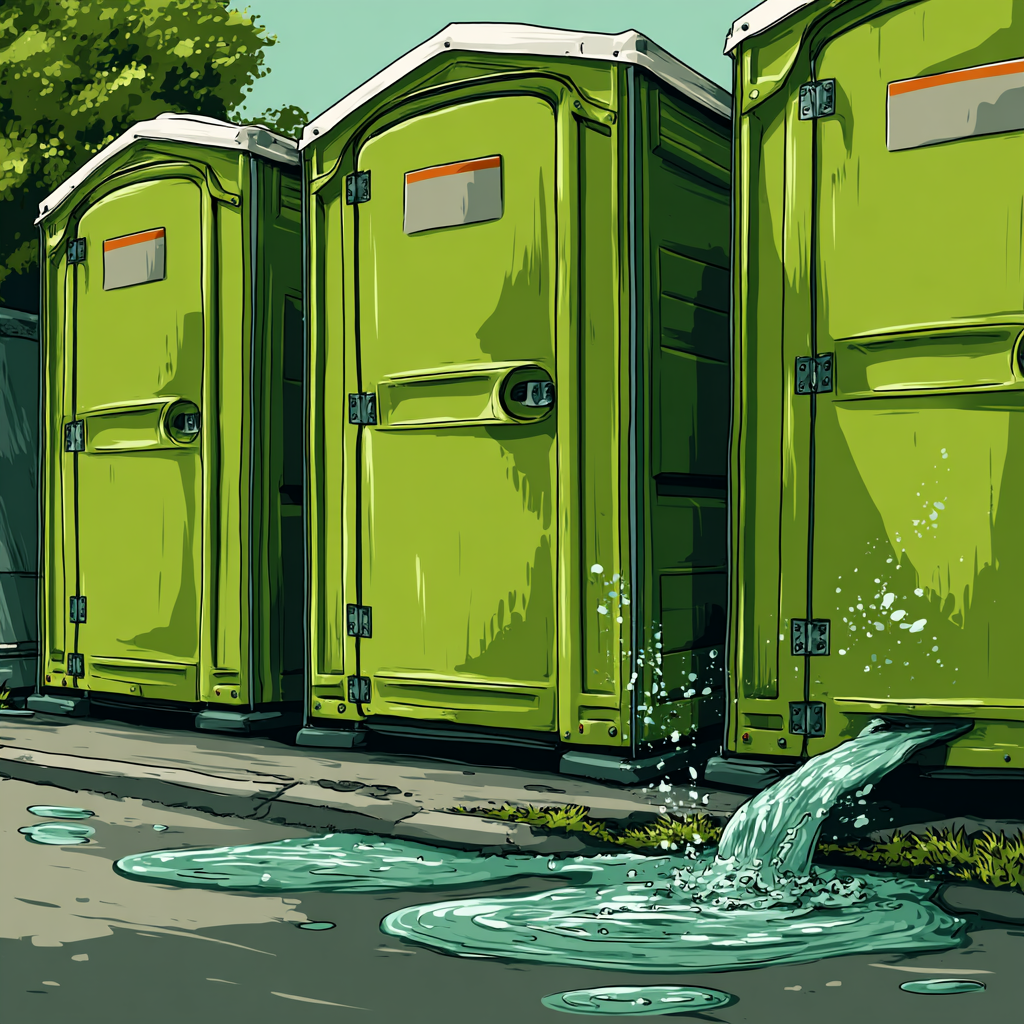
An overflowing porta potty creates immediate health hazards and operational disruptions at construction sites, events, and emergency locations. Understanding how to prevent and respond to overflow situations protects public health while maintaining functional sanitation facilities.
Dealing with an overflowing porta potty requires knowing the causes behind failures, implementing preventive maintenance strategies, and taking swift action when problems occur. At Prime Dumpster, we’re here to help! Our guide covers prevention tactics, immediate response protocols, and professional service solutions that keep portable toilets functional across all applications.
Following these steps protects your health while ensuring the overflowing porta potty receives proper professional attention that restores sanitation safely.

Overflows usually stem from a few recurring problems — improper disposal of materials, missed maintenance, and environmental events — and each requires a different preventive approach.
One of the most frequent causes is improper disposal. Users often put non-biodegradable items into a porta potty — paper towels, excessive toilet paper, feminine hygiene products, wipes, and other materials that don’t break down quickly. These items create blockages in the holding tank and outlet lines, which can lead to sewage backups and visible overflows if not removed promptly.
Another key factor is lack of routine maintenance. If units aren’t inspected and pumped on a schedule appropriate for the event or site, holding tanks fill and components wear. Clogs, broken valves, or damaged vents go unnoticed until an overflow happens. Regular maintenance — cleaning, pump-outs, and quick repairs — prevents these issues and keeps portable toilets functioning reliably.
Weather and site conditions matter too. Heavy rain, flooding, or unstable ground can shift units or allow water into tanks, increasing the chance of overflows. That’s why strategic placement — on even terrain, away from low-lying flood paths — and basic weather protections are part of a sound plan, especially at construction sites or during prolonged outdoor events. Relief organizations and government agencies deploying porta potties during disasters must factor in these risks when planning sanitation services.
| Factor | Description | Preventive Measure |
| Improper Disposal | Non-biodegradable items causing clogs (paper towels, wipes, feminine products) | Educate users with clear signage and provide trash bins; limit what can be flushed |
| Poor Maintenance | Lack of scheduled inspections and pump-outs | Implement routine maintenance checks and document pump schedules |
| Environmental Factors | Heavy rain, flooding, or poor placement | Place units on even, elevated ground and use weather protection where needed |
Preventing an overflowing porta potty starts with planning. For events, construction sites, and other situations where portable restrooms are needed, combine scheduled maintenance, clear user guidance, and thoughtful placement to reduce the chance of clogs, tank overfills, and sanitation issues.
A consistent maintenance schedule prevents most issues. That means routine cleaning, documented pump-outs of the holding tank, and inspections for worn parts or damaged vents. Professional sanitation teams can perform thorough cleaning and minor repairs; for larger problems they’ll flag the unit for service or replacement. Track maintenance history so you know when a portable toilet was last serviced and when the next pump should occur.
Suggested actions: set inspection cadences based on expected use (daily checks for high-traffic events, weekly for low-traffic sites), log pump-outs, and keep a spare unit on hand during multi-day events to rotate out units that need servicing. Always follow local regulations on waste disposal and pump frequency.
User behavior is a major factor in preventing clogs. Post clear signs instructing what may and may not be flushed or deposited in the unit. Provide nearby trash bins for paper towels and other disposables to discourage users from putting non-biodegradable items into the toilet. A short sample sign: “Please DO NOT flush wipes, paper towels, feminine products, or trash. Use the bin provided.”
Event planners should prepare a small supplies kit for each cluster of porta potties: toilet paper, hand sanitizer, spare liners, gloves, and basic cleaning wipes. That reduces the chance that users will improvise with problematic materials and supports hygiene throughout the event.
Where you place porta potties affects usage patterns and maintenance access. Position units on firm, level ground with easy access for pump trucks and service crews. Distribute units across the site to avoid crowding a single bank of toilets — this lowers overuse on individual units and reduces overflow risk. Consider wind and flood exposure and pick sheltered, elevated locations where possible.
Prime Dumpster Pro Tip: Arrive early on site to place the freshest units in the highest-traffic areas so attendees use them first — then rotate units for cleaning and pump-outs during the event.
| Preventive Measure | Key Actions | Benefits |
| Regular Maintenance | Cleaning, inspections, pump-outs, record-keeping | Reduces malfunctions and overflows; sustains hygiene |
| Proper Usage | Signage, trash bins, backup supply kits | Prevents clogs and improves user hygiene |
| Strategic Placement | Even terrain, accessible to service crews, sheltered from flooding | Prevents overuse and facilitates timely maintenance |

An overflowing porta potty is a sanitation emergency that requires calm, fast action. The right first steps reduce health risks, limit environmental damage, and make cleanup easier for professionals if they are needed. Follow the quick “do / don’t” checklist below, then assess whether to call in professional services.
Do:
Don’t:
Contact professionals when the overflow involves significant waste, persistent overflows from the holding tank, damaged tanks or valves, or potential environmental contamination. Searching for “porta potty near me” or “porta potty rentals near me” should locate experienced teams that can safely pump the tank, perform decontamination, and restore the unit to service while complying with local regulations.
A brief decision guideline: if the spill is small and contained, on-site staff with proper PPE can clean and disinfect; if the tank is full, overflowing repeatedly, or you see structural damage to the unit or tank, call a pro immediately.
Follow these safety steps during any cleanup or containment effort:
Quick spill kit checklist for sites: disposable gloves, eye protection, absorbent pads or kitty litter, EPA-approved disinfectant, heavy-duty waste bags, hand sanitizer, and basic tools (grabbers, scoops). Keep a written incident log (time, actions taken, who responded) for compliance and follow-up.
Prompt, correct action reduces health risks and environmental impacts from porta potty overflows. When in doubt, prioritize safety and call trained professionals to handle tank pump-outs, holding tank repairs, and full sanitation of the unit.
| Action Needed | Description | Benefits |
| Immediate Use Cessation | Close the unit and block access. | Minimizes spills and exposure to waste. |
| Identify and Remove Blockage | Remove simple obstructions safely; don’t attempt tank work. | Restores basic function and reduces immediate risk. |
| Sanitize Area | Clean and disinfect surfaces and surrounding areas. | Contains contaminants and lowers health risks. |
| Contact Professional Services | Call trained technicians to pump and decontaminate. | Ensures correct waste handling and regulatory compliance |
Preventing an overflowing porta potty starts with regular maintenance schedules, proper user education, and strategic unit placement that accounts for usage patterns and environmental factors. Quick response when overflows occur—stopping use, identifying blockages, sanitizing affected areas, and contacting professional services—minimizes health risks and operational disruptions.
Professional porta potty rental services provide the expertise, equipment, and maintenance protocols that prevent overflow situations before they develop. Regular inspections, appropriate unit quantities for your crowd size, and reliable servicing schedules ensure facilities remain functional throughout your project or event.
Need reliable portable sanitation solutions that prevent overflowing porta potty situations? Prime Dumpster provides properly maintained units, responsive service, and expert guidance on placement and maintenance that keeps your facilities functional and hygienic. Contact us to discuss your portable toilet needs.
If you are looking for Porta Potties for Winter Festivals: Stay Cozy!, Click Here


