Mon - Sat 7:00 am to 7:00 pm


Mon - Sat 7:00 am to 7:00 pm
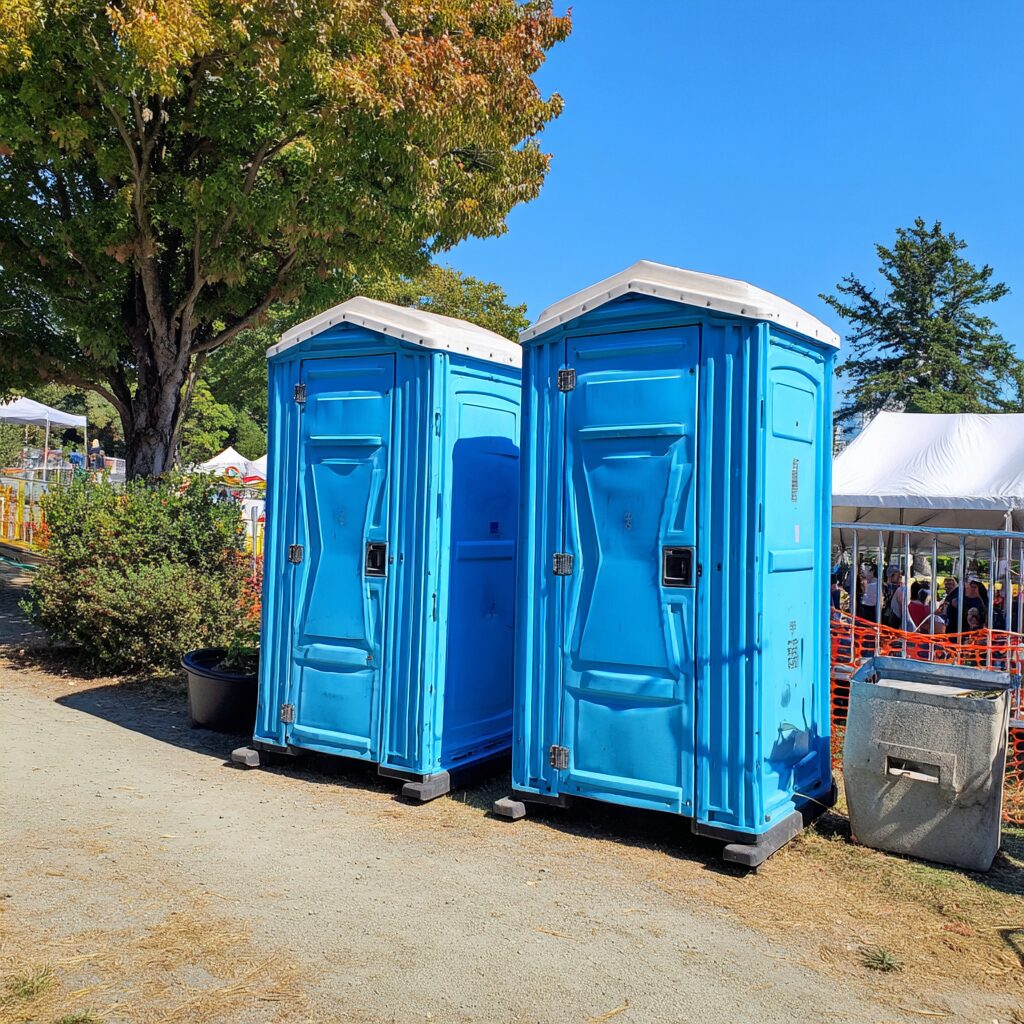
Are porta potties environmentally friendly? It’s a question we hear often, and one that challenges many common assumptions about portable sanitation.
Yes, when properly maintained, porta potties have many environmentally friendly benefits. They help eliminate water waste, prevent groundwater contamination, and reduce carbon emissions while providing essential sanitation services.
These units save thousands of gallons of water monthly compared to traditional flush systems while using biodegradable chemicals that protect soil and water resources. At Prime Dumpster, we’re experts in portable restrooms, and we’ve created this closer look at their environmental impact.
We asked our Prime Dumpster Pros for their expert insights on the most common questions about portable restroom environmental impact.
“Porta potties eliminate water consumption that would otherwise require thousands of gallons daily on construction sites and at events, while their sealed containment systems prevent groundwater contamination that can occur with traditional plumbing failures.
These units also reduce carbon emissions by eliminating the need for permanent infrastructure construction and ongoing electrical consumption for lighting and ventilation systems.”
“Eco-friendly porta potties use biodegradable chemicals that break down waste naturally without harming soil or water systems, while many units are constructed from recycled plastics that can be recycled again at the end of their 10-15 year lifespan. Solar-powered ventilation systems and waterless operation eliminate energy consumption and resource waste while maintaining hygiene standards.”
“From an environmental perspective, porta potties eliminate the 3-5 gallons of water that traditional toilets consume per flush, preventing thousands of gallons of daily waste on busy sites. They also avoid the carbon emissions and resource consumption required to construct permanent restroom facilities for temporary needs.
Traditional toilets require extensive infrastructure including water lines, sewage connections, and electrical systems that disrupt ecosystems during installation. Portable units can be placed and removed without any ground disturbance or lasting environmental impact on sensitive areas.”
“Oh you bet, seasons definitely affect how porta potties are used. Summer heat accelerates natural waste breakdown in biodegradable systems while solar-powered features work most efficiently during longer daylight hours, making porta potties particularly eco-friendly during hot months. Winter conditions slow decomposition but eliminate the risk of plumbing freezes that can cause environmental contamination, while spring and fall provide optimal conditions for enzyme-based waste treatment without the extremes that can affect traditional septic systems.”
“Construction sites benefit enormously from porta potty environmental advantages because these units eliminate the need for temporary plumbing that often fails and contaminates soil, while preventing the groundwater pollution risks that come with makeshift septic systems. The sealed containment and professional waste removal prevent the soil and water contamination issues that can shut down construction projects and result in expensive environmental cleanup costs.”
“Large events like concerts and festivals would require massive permanent infrastructure to handle peak crowd sanitation needs, but porta potties provide temporary capacity without the environmental impact of construction and demolition. These units prevent the overloading of municipal sewage systems that can cause treatment plant failures and environmental releases, while their mobility allows strategic placement that protects sensitive areas like parks, beaches, and wildlife habitats from permanent facility construction.”
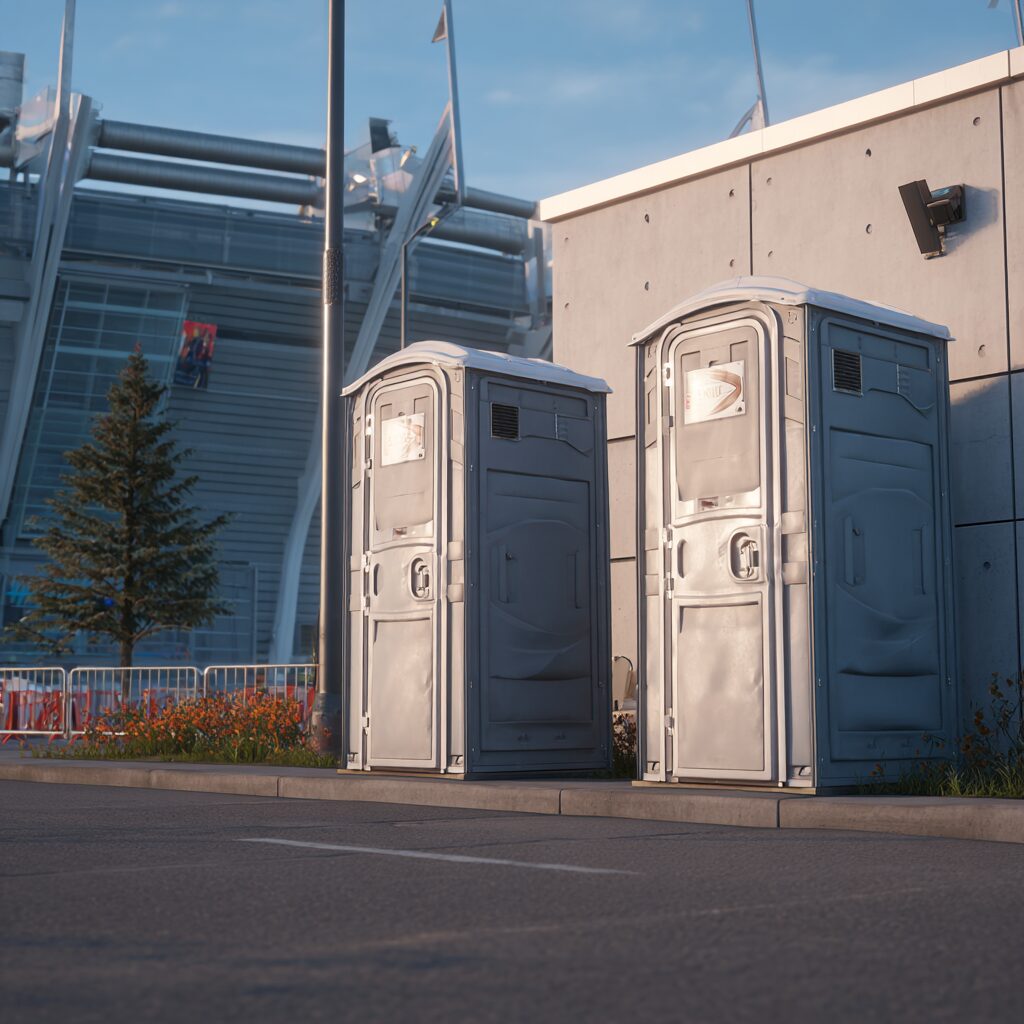
A typical construction site with 50 workers might use over 1,000 gallons daily just for restroom facilities. Zero flush systems in portable units eliminate this water waste completely. These units rely on biodegradable waste treatment chemicals that break down waste without requiring any water resources.
| Environmental Factor | Traditional Restrooms | Portable Toilets |
| Daily Water Usage (50 workers) | 1,000+ gallons | 0 gallons |
| Electricity Consumption | Continuous (lighting, ventilation, heating) | None required |
| Construction Impact | High carbon emissions | Minimal manufacturing footprint |
| Waste Treatment | Complex sewage systems | Chemical breakdown process |
Carbon footprint reduction happens in multiple ways with portable sanitation. Manufacturing one portable unit creates far fewer emissions than building permanent restrooms. Transportation to job sites uses less fuel than hauling construction materials for traditional facilities.
The units operate without electricity, eliminating ongoing energy consumption for lighting, ventilation systems, and water heating equipment.
Every construction site faces a critical challenge: preventing human waste from polluting local water sources. Without proper water contamination prevention measures, untreated waste can seep into the ground and contaminate aquifers.
These aquifers supply drinking water to millions of Americans. Environmental compliance isn’t just about following rules—it’s about protecting the health of workers and surrounding communities.
Groundwater contamination occurs when harmful substances infiltrate underground water reserves. Human waste contains dangerous pathogens like E. coli, hepatitis A, and various parasites.
These pathogens survive in soil for extended periods. When they reach aquifers, they create health hazards that can affect entire watersheds. Construction site safety depends on preventing this contamination at the source.
Contaminated groundwater poses immediate risks to construction crews and nearby residents. Workers exposed to polluted water face increased risks of gastrointestinal illnesses, skin infections, and respiratory problems.
Communities downstream from contaminated sites may experience long-term health effects and decreased property values. Proper environmental compliance protects both human health and economic interests.

Construction sites produce a lot of waste every day. Portable toilets are a key solution to protect our environment. They come with advanced designs that prevent contamination and meet all sanitation needs. Let’s look at how these systems protect our soil and water.
Portable toilets have sealed waste tanks that keep waste away from the environment. Unlike traditional systems that can leak or overflow, these units are leak-proof. Waste is stored securely until it’s pumped out for treatment at licensed facilities.
Open waste disposal methods are risky for construction sites. Waste can contaminate soil and groundwater, spreading far beyond the site. Sealed containment systems eliminate this risk.
Modern portable toilets use biodegradable chemicals for waste breakdown. These chemicals replace harsh chemicals, making waste processing safer. They speed up decomposition and control odors without harming the environment.
Advanced facilities turn porta potty waste into compost. This avoids filling landfills with harmful waste. Instead, it creates products that enrich soil for agriculture and landscaping.
Water-free toilets save a lot of water on construction sites. Traditional flush systems use over 1,000 gallons daily. Portable toilets eliminate this water use, saving resources while keeping sanitation standards high.
Temporary plumbing installations often hide dangers that many overlook. Contractors rushing to install makeshift systems create more issues than they solve. These risks can lead to costly cleanups and project delays.
Installing temporary sewer lines requires heavy equipment that damages soil layers. Backhoes and trenchers disrupt water flow and harm root systems, preventing erosion. Once these barriers are broken, rainwater carries pollutants into local streams.
Septic system failures are a significant threat to job site contamination. Portable tanks can overflow during busy construction, releasing thousands of gallons of sewage. Unlike sealed porta potties, failed septic systems pose immediate environmental hazards.
Construction waste management becomes a challenge when plumbing fails. Workers must evacuate contaminated areas, and hazmat teams clean up. Project timelines extend as crews wait for soil testing results. Insurance claims rise as neighbors report well water contamination.
Smart placement of portable toilets safeguards natural areas while fulfilling sanitation needs. Construction teams and event planners encounter unique hurdles when setting up near sensitive environments. The correct positioning avoids contamination and ensures compliance with environmental laws.
Units should be at least 100 feet from streams, lakes, and wetlands. They must be placed on level ground to prevent spills. During rain, proper placement keeps waste contained, preventing it from flowing towards water sources.
Effective runoff prevention includes:
Federal and state laws dictate specific placement rules. The Clean Water Act mandates careful positioning near protected waterways. Local permits often specify exact distances from wells, rivers, and protected habitats.
Regular inspections ensure ongoing compliance. Site managers document unit locations and maintain service records for regulatory reviews.
Thoughtful placement preserves ecosystem protection for wildlife and plants. Units positioned along existing paths avoid crushing vegetation or disrupting animal routes. Birds, deer, and small mammals continue using their regular trails when facilities sit away from critical habitat areas.
Service vehicles follow designated routes to minimize ground disturbance. This approach protects root systems and prevents soil compaction in sensitive zones.
When planning sanitation for construction sites or outdoor events, you face a choice between porta potties and traditional dig-and-cover latrines. Each option affects the environment differently, making it crucial to understand their impact on land and wildlife habitat preservation.
Dig-and-cover latrines require significant ground disturbance that creates lasting excavation damage. You need heavy machinery to dig trenches at least 6 feet deep, destroying established root systems and disrupting natural soil layers. Rain can wash exposed soil into nearby streams, creating erosion problems that persist long after your project ends.
Portable toilets eliminate ground disturbance entirely. Units sit on level surfaces without any digging required. Your work site maintains its natural drainage patterns and soil structure remains intact for future use.
Traditional latrines permanently alter landscapes where animals live and feed. Excavation damage destroys underground burrows and nesting areas that take years to rebuild. Native plants struggle to regrow in disturbed soil, reducing food sources for local wildlife.
Sustainable sanitation alternatives like porta potties protect these delicate ecosystems. Animals continue using their established paths and feeding areas without disruption. Once you remove the units, nature immediately reclaims the space.
A single porta potty serves multiple job sites over its 10-year lifespan. Polyethylene construction withstands weather and heavy use without replacement. At retirement, recycling facilities transform old units into new plastic products, creating a circular economy that benefits everyone.
Are porta potties environmentally friendly? Yes! When used properly, portable toilets are a surprisingly effective environmental protection tools.
They deliver multiple ecological benefits through water conservation, contamination prevention, and sustainable waste management practices. From eliminating groundwater pollution risks to reducing construction site environmental impact, portable restrooms prove that practical solutions can drive meaningful environmental progress.
Contact us to discover how our eco-friendly portable restroom service faciltation can help your project achieve environmental goals while providing the dependable sanitation services that keep workers safe and operations running smoothly.
If you are looking for Lifecycle of an Eco-Friendly Porta Potty: From Manufacturing to Recycling, Click Here


