Mon - Sat 7:00 am to 7:00 pm


Mon - Sat 7:00 am to 7:00 pm
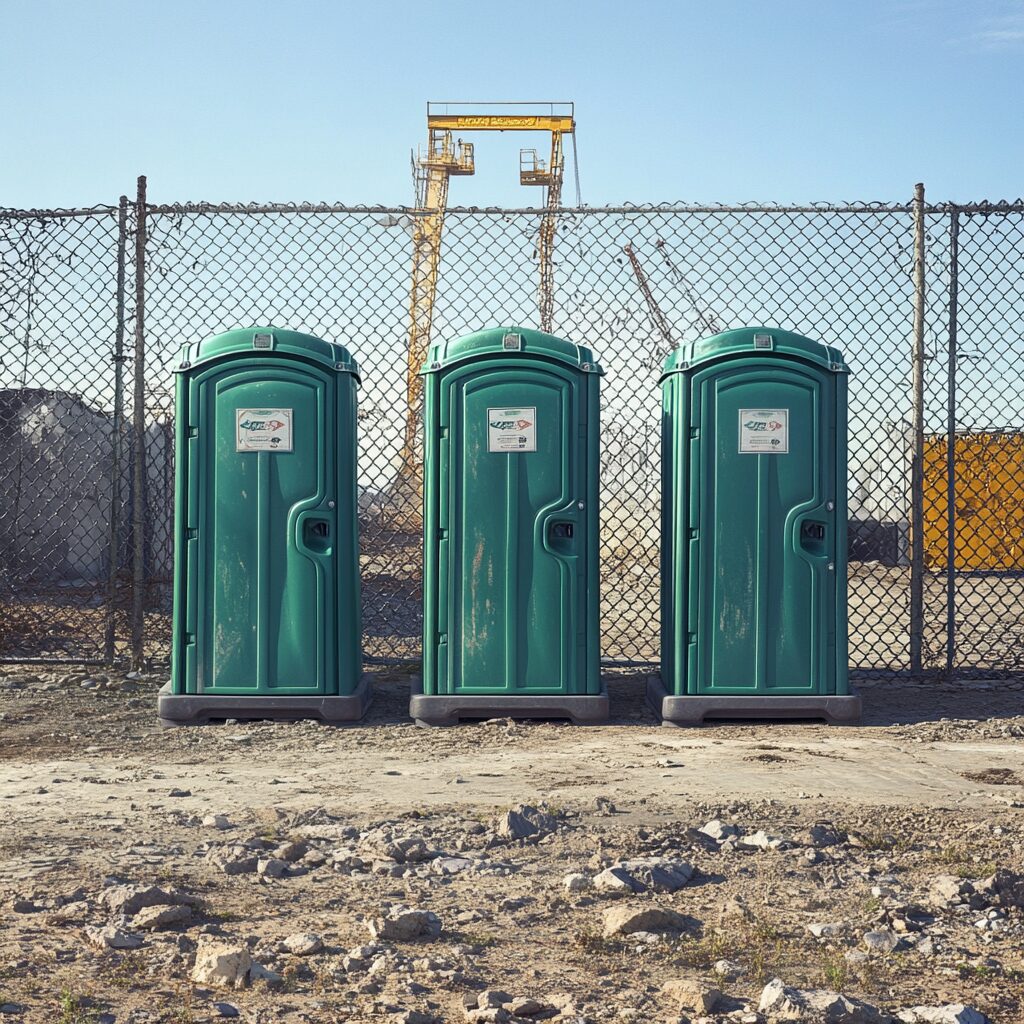
Construction managers across the country face a challenge that impacts everything from worker productivity to OSHA compliance: securing reliable portable sanitation solutions. Coordinating porta potties for national construction projects demands more than simply dropping off units at job sites — teams need strategic planning, regulatory expertise and logistical coordination that spans multiple states and time zones.
Large-scale construction operations require sanitation partners who understand the complexities of multi-site management and federal compliance standards. Effective porta potties for national construction projects balance worker comfort, regulatory requirements and cost efficiency while adapting to diverse terrain, weather conditions and project timelines.
Prime Dumpster’s comprehensive guide reveals the essential strategies for managing portable sanitation across nationwide construction operations. Understanding these fundamentals helps project managers maintain compliance, boost team morale and streamline logistics without the typical headaches that plague multi-state coordination efforts.
Managing portable sanitation across multiple construction sites requires strategic planning and regulatory expertise.
Ready to streamline your multi-site sanitation strategy? Let’s explore the detailed requirements and solutions.
Do you need to rent porta potties for a location besides a construction site? We can help! Check out our complete guide: How to Rent Porta Potties for a National Event.
Ever seen workers waste time hunting for a clean restroom? Proper facilities prevent that chaos. On sprawling sites, sanitation isn’t just about comfort—it’s a backbone of compliance and efficiency.
Federal guidelines set clear ratios, but ANSI goes further. Here’s the breakdown:
| Standard | Worker-to-Unit Ratio | Servicing Frequency |
| OSHA | 1:20 | As needed |
| ANSI Z4.3-2024 | 1:10 | Weekly |
A 200-person crew needs 10–20 units. Pro tip: Order extra to cut servicing costs by 30%.
Dirty restrooms cost you more than fines. Workers lose 15 minutes per break if facilities are gross. Add handwashing stations, though, and illness rates drop by 50%.
Bottom line? Beat the minimum requirements. Your crew—and your schedule—will thank you.
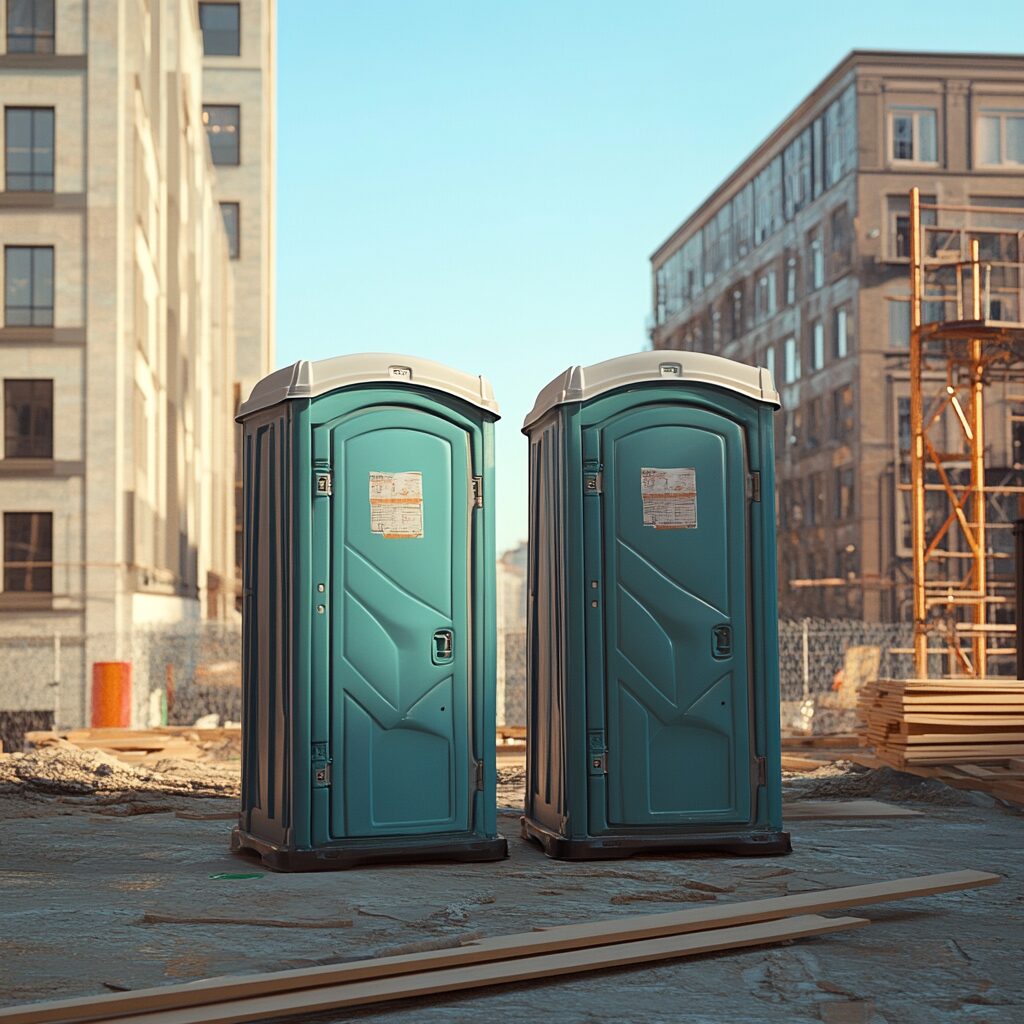
Not all portable restrooms are created equal—pick the right toilet type for your site. The wrong choice means unhappy workers or wasted cash. Here’s how to nail it.
Standard porta potties are no-frills units that can handle most jobs. At 915 sq. in., they fit tight spaces and cost $100–$500 monthly.
Flushable and sink-equipped porta potties represent a significant upgrade from standard units, offering enhanced sanitation and a more comfortable experience for users.
These models are designed to mimic the functionality of traditional indoor restrooms, often including features like a foot-pump flush toilet and a built-in sink with running water. This integration of flushing and handwashing facilities not only improves hygiene but also boosts worker morale on high-end or extended construction projects.
These upgraded porta potties provide a level of convenience and cleanliness that goes beyond basic sanitation needs. The inclusion of a flushing mechanism helps manage waste and reduces odors, while the integrated sink allows for immediate handwashing, which is crucial for preventing the spread of germs and illnesses.
Pipeline or wind farm? Towable toilets go where trucks can’t. They’re pricier but save hours of worker downtime. Bonus: No one hikes a mile for a break.
Match the toilet to the task, and your project stays smooth.
Ever dealt with five different vendors for one project? There’s a better way. National providers simplify large-scale sanitation needs with bulk discounts, seamless logistics, and one-point accountability.
Ordering 50 units? Nationwide rentals slash costs by 15–30% compared to local deals. Here’s why:
Prime Dumpster Pro Tip: Lock in rates for long-term projects. Seasonal spikes won’t affect your budget.
Need units in Texas during a storm and in Ohio the next week? Centralized dispatch handles it. Real-time tracking ensures no delays—even when crews cross time zones.
Forget chasing five regional reps. One account manager coordinates deliveries, servicing, and compliance docs. Bonus: They’ll alert you if local regulations change mid-project.
Bottom line? Fewer contracts, fewer headaches, more savings.
Got a multi-site job? Streamline your restroom rentals with these steps. A solid plan saves time, cash, and headaches—no matter how many states you’re covering.
Start with a quick audit. Map crew size, job duration, and terrain. Rocky slopes? Remote access? Note it all.
Don’t just rent porta potties—match them to your needs. High-traffic sites? Upgrade to flushable models. For a 200-person crew, you’ll need 20+ units.
Prime Dumpster Pro Tip: Order 10% extra to avoid mid-project shortages.
Time deliveries with site mobilization. Use provider apps to schedule cleanings and track visits. No more guessing if last week’s service happened.
| Factor | Ideal Timing |
| Delivery | During equipment setup |
| Servicing | Twice weekly for 100+ workers |
Bonus: Cluster units near break areas—workers won’t waste 15 minutes hiking to them.
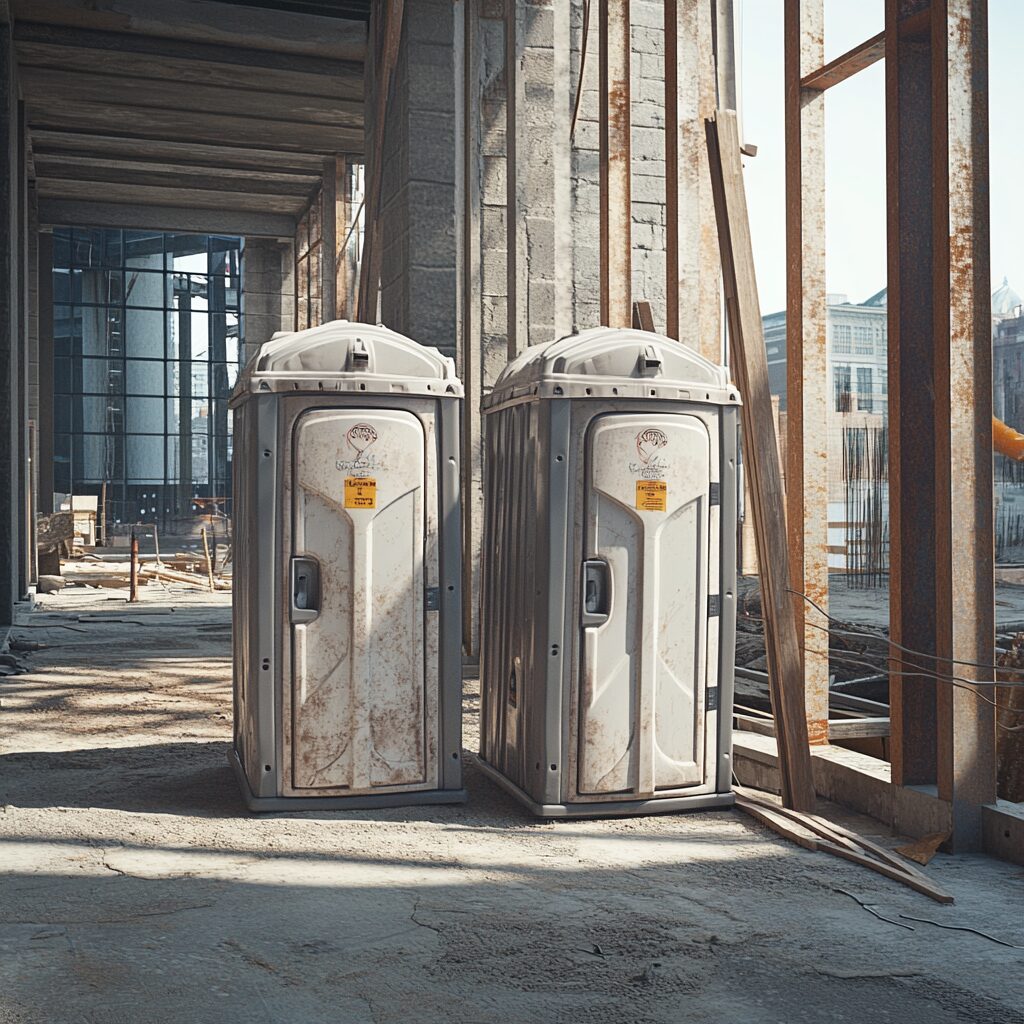
Smart placement of sanitation units keeps crews happy and OSHA off your back. Get it wrong, and you’ll face fines, wasted time, and grumpy workers. Here’s how to nail it.
OSHA guidelines mandate units be within 200 feet of work areas. Keep them 10–15 feet from heavy machinery—no one wants a forklift blocking the door.
Bonus: Cluster units near break zones to cut walk time.
Use drones to scout optimal spots. Uphill placement prevents flood damage, while shaded areas keep units cooler. Pro tip: Mark paths to avoid crane operation zones—safety first.
Muddy sites? Gravel pads prevent sinkage. Desert projects? Solar-powered vents reduce odors. Every job has unique factors—plan for them early.
Remember: Accessibility isn’t optional. ADA units need clear paths and level ground. Skip the guesswork, and your project stays on track.
Clean restrooms keep crews healthy—but only with the right maintenance plan. Skip a servicing, and you’ll face complaints, fines, or worse. Here’s how to stay ahead.
Weekly cleanings are the bare minimum. For busy sites, ramp it up. Use this guide:
| Site Size | Cleaning Frequency | Extra Tips |
| 1–20 workers | Weekly | Add bio-enzyme treatments to reduce odors. |
| 20–100 workers | Twice weekly | Midweek cleanings cut complaints by 60%. |
| 100+ workers | Every 48 hours | AI monitors alert you before tanks fill. |
One sink per 600 labor hours meets OSHA rules. But aim higher. A 1:4 sink-to-toilet ratio slashes norovirus outbreaks by 40%.
Overflow at 3 AM? VIP projects demand 48-hour service guarantees. Partner with providers offering:
Bottom line: Maintenance isn’t optional. Plan it right, and your site runs smoothly.
Sanitation laws aren’t one-size-fits-all, and guessing wrong can cost thousands. From gender-specific units in California to Chicago’s $16k/day ADA fines, local rules can make or break your budget. Here’s how to stay compliant without losing sleep.
Montana’s septic rules? Chill. Florida’s? Strict enough to make a bureaucrat blush. Tribal lands add another layer—some require federal permits, while others follow tribal codes. Pro tip: Ask providers for regional cheat sheets. They’ll know quirks like NYC’s 5% ADA unit mandate.
Chicago’s 360° clearance rules differ from Texas’s “close enough” approach. Missing specs can trigger lawsuits faster than a porta-potty tip-over. Always:
Providers with compliance dashboards let you track servicing, permits, and violations in real time. Bonus: They alert you if laws change mid-project. Because nobody wants a surprise fine during concrete pour.
Bottom line? Treat regulations like weather forecasts—check them early, and pack accordingly.
National providers offer the logistical muscle and compliance expertise that multi-state operations demand, delivering consistent service quality from coast to coast. Choosing the right partner for porta potties for national construction projects eliminates coordination headaches while providing the bulk pricing and centralized billing that keeps complex projects on budget.
Prime Dumpster specializes in nationwide portable sanitation solutions designed specifically for large-scale construction operations requiring reliable service across multiple locations. Contact our team to discover how proper planning transforms portable restroom management from a potential liability into a competitive advantage for your next project.
If you are looking for How to Rent Porta Potties for National Events, Click Here


