Mon - Sat 7:00 am to 7:00 pm


Mon - Sat 7:00 am to 7:00 pm
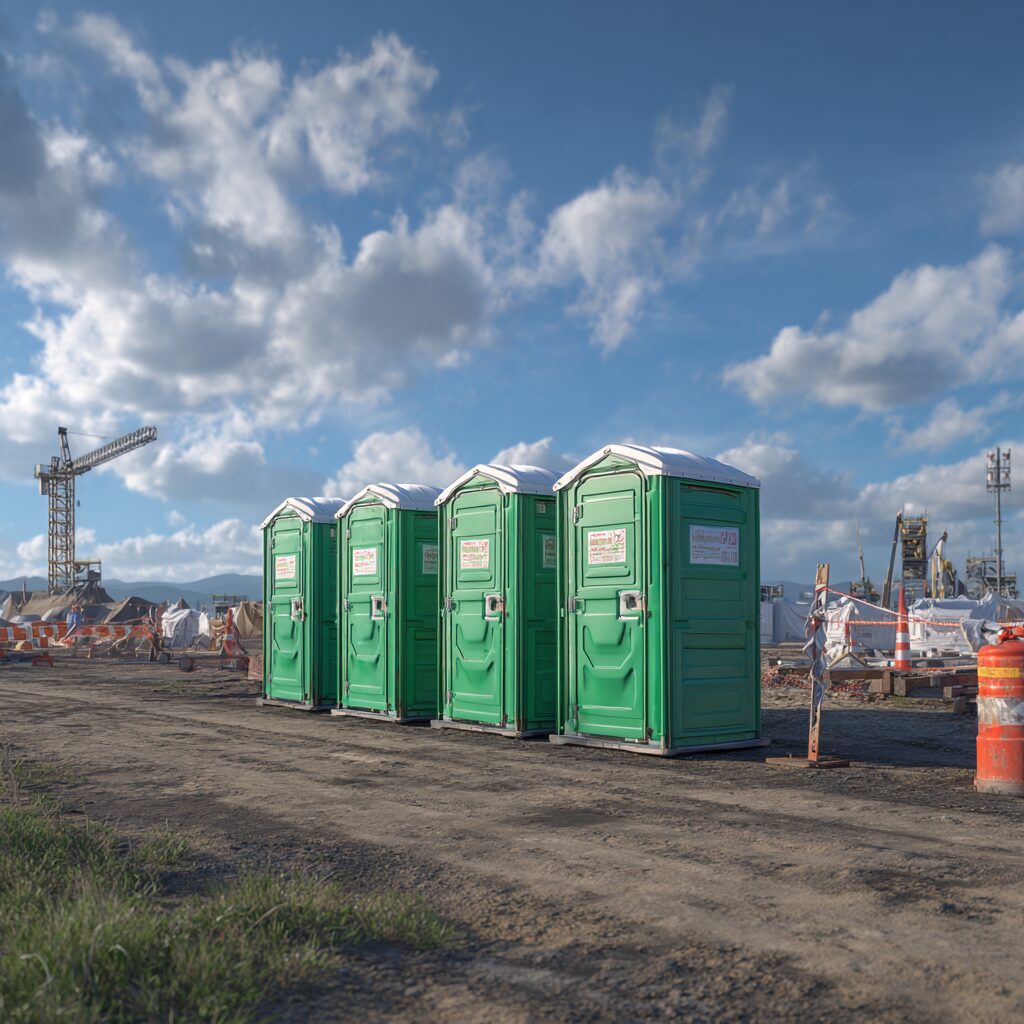
Choosing between porta potties vs permanent restrooms for your next project isn’t just about convenience—it’s about making an environmentally responsible decision that protects our planet’s resources.
While traditional restrooms may seem like the obvious choice, modern portable facilities offer surprising ecological advantages that challenge conventional thinking about sustainable sanitation solutions.
At Prime Dumpster, we’ve drawn on our extensive experience to create a comprehensive comparison that examines the environmental impact of porta potties vs permanent restrooms.
Understanding the environmental impact differences between portable and permanent restroom solutions helps project managers make informed decisions for sustainable operations.
| Environmental Factor | Porta Potties | Permanent Restrooms |
| Water Usage | Zero water consumption during operation | 1.6-3.5 gallons per flush |
| Carbon Footprint | Minimal transportation emissions only | 15-20 tons CO2 from construction |
| Land Impact | Temporary placement, no excavation | Requires foundation, utility trenching |
| Resource Efficiency | Reusable units serve multiple projects | Single-use construction materials |
| Waste Processing | Controlled collection to treatment facilities | Direct discharge to municipal systems |
| Setup Time | Immediate deployment | Weeks to months of construction |
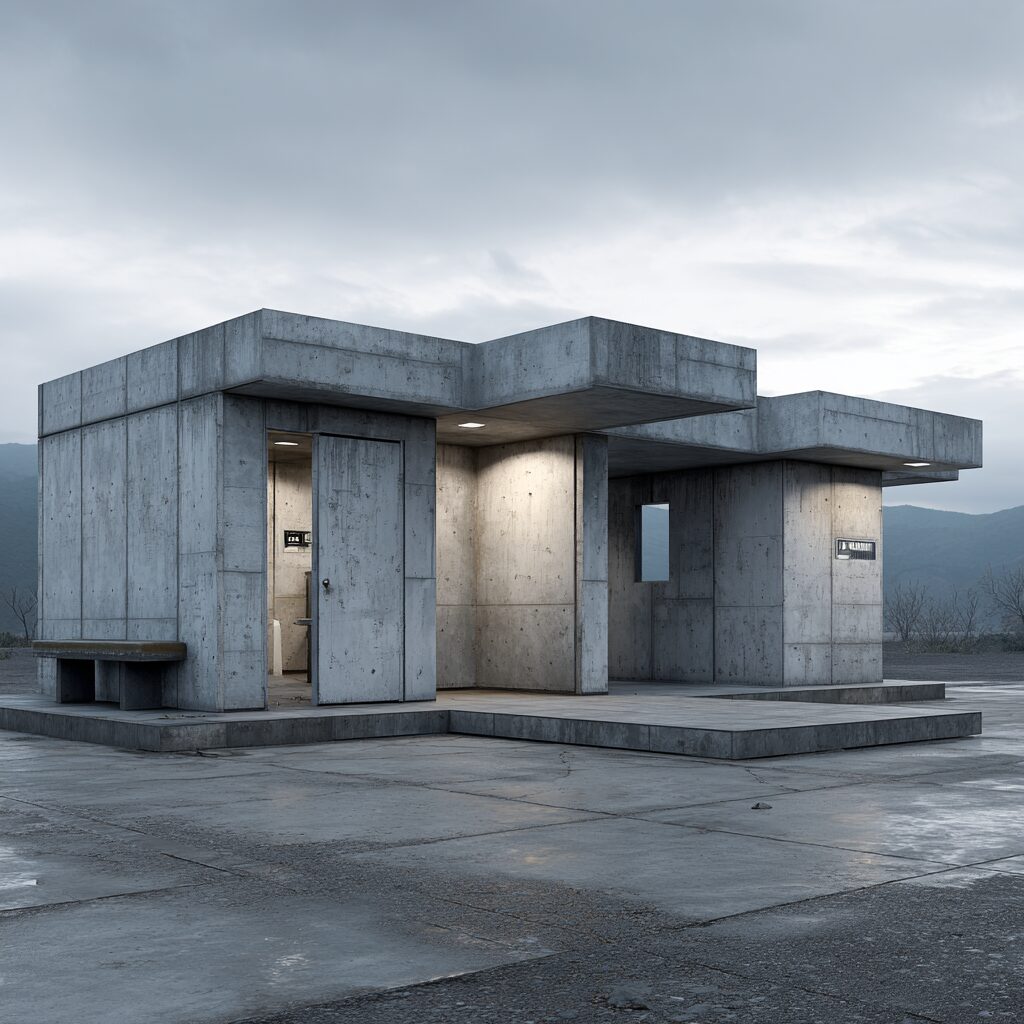
Let’s explore what sets these temporary sanitation solutions apart from traditional facilities.
Permanent restrooms demand extensive infrastructure before the first person can use them. You need water lines, sewage connections, electrical wiring, and proper permits from local authorities. Construction can take weeks or months, disrupting the surrounding area with excavation and heavy equipment.
Portable toilets arrive ready to use. A delivery truck drops them off, and within minutes, your construction site toilets are operational. No digging, no permits for plumbing, and no waiting for inspections. This simplicity makes them perfect for remote locations where traditional infrastructure doesn’t exist.
The biggest advantage of portable units? They move with your needs. When your construction crew shifts to a new section of the job site, the toilets follow. Planning a three-day music festival? Set up facilities where crowds gather, then remove everything when the event ends.
This flexibility extends to capacity adjustments. Start with five units for early construction phases, then add more as your workforce grows. Event restroom planning becomes simple when you can scale up or down based on ticket sales.
Today’s portable options go far beyond the basic blue box. From standard units to luxury portable restrooms, the variety surprises most first-time renters.
| Unit Type | Features | Best Uses |
| Standard Portable Toilet | Basic toilet, hand sanitizer | Construction sites, small events |
| Deluxe Unit with Sink | Flushing toilet, sink with soap | Food festivals, outdoor markets |
| ADA Accessible Unit | Wheelchair ramp, grab bars, spacious interior | Public events, long-term projects |
| VIP Restroom Trailer | Climate control, real toilets, running water, wood paneling | Weddings, corporate events, film sets |
When comparing porta potties to permanent restrooms, water consumption reveals a surprising environmental truth. While we often focus on appearance and convenience, the amount of water each option uses can dramatically impact our environment. Let’s dive into the numbers and see why water conservation toilets are becoming essential for sustainable events and construction sites.
Standard flush toilets consume between up to an average of seven gallons per flush. At a construction site with 50 workers making multiple daily trips, that adds up to hundreds of gallons every single day.
For large events hosting thousands of people, traditional restrooms could waste tens of thousands of gallons in just a few hours.
Chemical toilet systems work differently. These units use specially formulated solutions to break down waste and control odors without requiring constant water flow.
A typical portable unit contains about 60 gallons of chemical solution that can serve dozens of users before needing service. This eco-friendly waste treatment approach reduces water usage by up to 90% compared to traditional facilities.
In states like California, Texas, and Arizona, drought-resistant restroom solutions aren’t just smart—they’re essential. Portable units support sustainable water management by eliminating the need for continuous water supply lines.
During severe drought conditions, choosing porta potties over permanent installations can save communities thousands of gallons of precious water resources while still meeting sanitation needs.
When measuring the construction site carbon footprint, portable toilets offer surprising environmental advantages over permanent facilities. Building permanent restrooms for temporary needs creates unnecessary emissions from concrete production, plumbing installation, and heavy machinery operation. Portable units eliminate these impacts entirely.
Event sustainability metrics reveal significant differences between temporary and permanent solutions:
| Environmental Factor | Portable Toilets | Permanent Restrooms |
| Initial Construction Emissions | None | 15-20 tons CO2 per facility |
| Material Resources | Reusable plastic units | Concrete, steel, ceramic |
| Land Disturbance | Minimal placement area | Excavation and foundation work |
| End-of-Use Impact | Unit relocated to next site | Demolition waste generated |
Green construction practices increasingly favor portable solutions for temporary projects. A single portable unit serves multiple construction sites throughout its lifespan, while permanent facilities built for short-term projects become wasted resources. Portable toilet emissions from transportation and servicing remain minimal compared to the embodied carbon in permanent structures.
Sustainable event management requires flexible solutions that match actual needs. Music festivals, outdoor weddings, and sporting events benefit from portable facilities without creating permanent infrastructure in parks, beaches, or temporary venues. Emergency response teams rely on these units when natural disasters damage existing facilities, providing immediate solutions without construction delays.
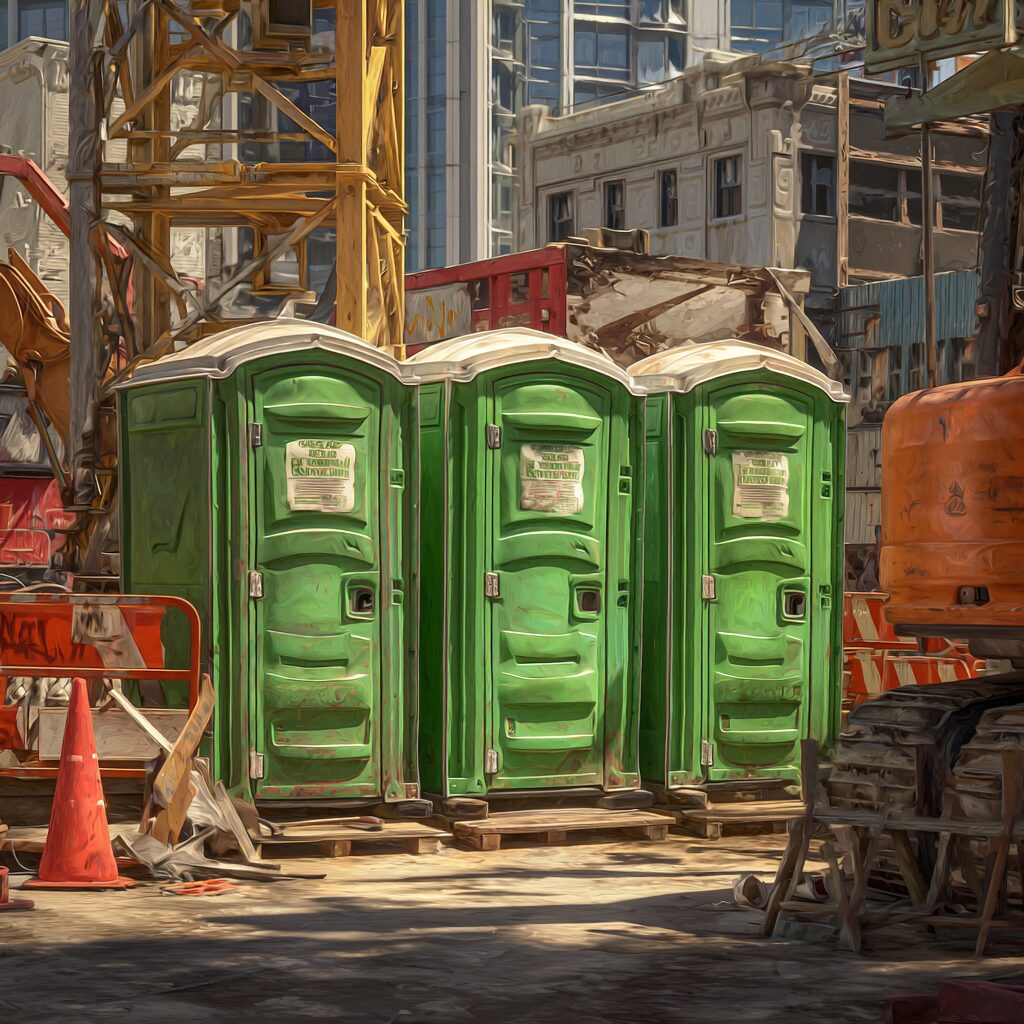
When you compare porta potties to permanent restrooms, waste management systems reveal surprising advantages for portable units. Unlike traditional facilities that flush everything into municipal sewers, portable toilets operate on a completely different principle. Each unit functions as a self-contained waste processing center that prevents contamination of local water systems.
Professional waste management systems for portable toilets follow strict protocols. Service technicians pump out waste and transport it directly to treatment facilities designed for this specific purpose. During peak usage at construction sites or festivals, crews perform daily collections to maintain sanitary conditions. Each service visit includes:
Environmental protection toilets play a crucial role at national parks, beachfront events, and wildlife preserves. Without proper sensitive area sanitation, human waste can contaminate groundwater and harm delicate ecosystems.
Portable units create a barrier between human activity and natural environments, collecting all waste for proper disposal away from protected zones.
Modern biodegradable toilet chemicals break down waste without harming the environment. These eco-friendly waste processing solutions use enzymes and bacteria to naturally decompose organic matter.
Many units now feature recycled plastic construction and solar-powered ventilation systems.
Smart sustainable event planning starts with choosing portable toilets that match your venue needs. Small gatherings at Central Park require just a few units, while massive festivals like Coachella deploy hundreds of luxury portable restrooms. These scalable solutions eliminate the environmental impact of building permanent facilities for temporary events.
Green construction management depends on meeting OSHA requirements while minimizing environmental damage. Construction sites need one toilet per 20 workers during peak hours, making environmental compliance toilets essential for project managers. Project managers save thousands of dollars in permitting costs while protecting local groundwater systems.
The portable sanitation industry continues advancing eco-conscious facility management through smart technology. Sensors inside units monitor usage patterns and alert service teams before problems arise. Solar-powered ventilation systems, waterless urinals, and enzyme-based waste treatments reduce environmental impact at job sites and events across America.
Future innovations promise even greater sustainability benefits. Manufacturers develop units using recycled plastics and renewable materials. Advanced filtration systems turn waste into compost for agricultural use.
As construction companies and event venues prioritize environmental responsibility, portable toilet providers respond with cleaner, greener solutions that protect our planet while serving practical needs.
Understanding the environmental advantages of porta potties vs permanent restrooms reveals portable facilities as the clear winner for temporary sanitation needs that prioritize resource conservation and ecosystem protection. From eliminating water waste and construction emissions to supporting flexible deployment without infrastructure damage, portable restrooms demonstrate how practical solutions can deliver superior environmental performance.
Contact us to discover how Prime Dumpster’s environmentally responsible approach to porta potties facilitation can help your project achieve sustainability goals while maintaining the reliable, efficient facilities that keep operations running smoothly.
If you are looking for What is Zero Flush Technology in Porta Potties?, Click Here


