Mon - Sat 7:00 am to 7:00 pm


Mon - Sat 7:00 am to 7:00 pm
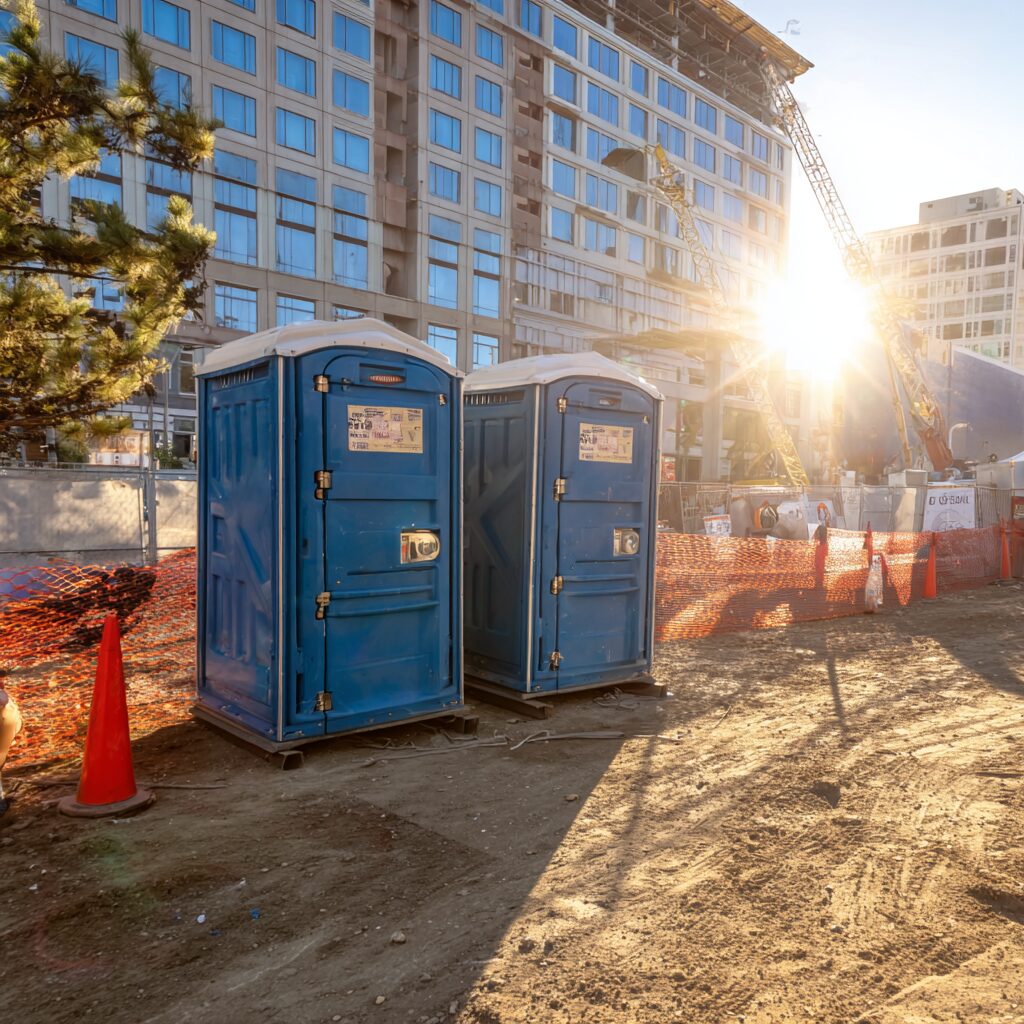
Summer construction sites turn portable restrooms into unbearable ovens that workers actively avoid, leading to dehydration, productivity drops, and safety risks that smart managers can’t ignore. Internal temperatures regularly soar 20°F above ambient air, creating stifling conditions that accelerate bacterial growth and force crews to cut breaks short when they need hydration most.
At Prime Dumpster, we’ve facilitated portable restroom solutions across scorching construction zones nationwide. In the following guide, we’re detailing our porta potty cooling tips for construction sites in summer. Learn how to keep restrooms comfortable and functional while also protecting both worker safety and project timelines.
Smart cooling strategies keep portable restrooms functional and comfortable during the hottest construction weather.
These simple adjustments transform sweltering facilities into tolerable spaces that keep workers hydrated and productive throughout summer construction projects.
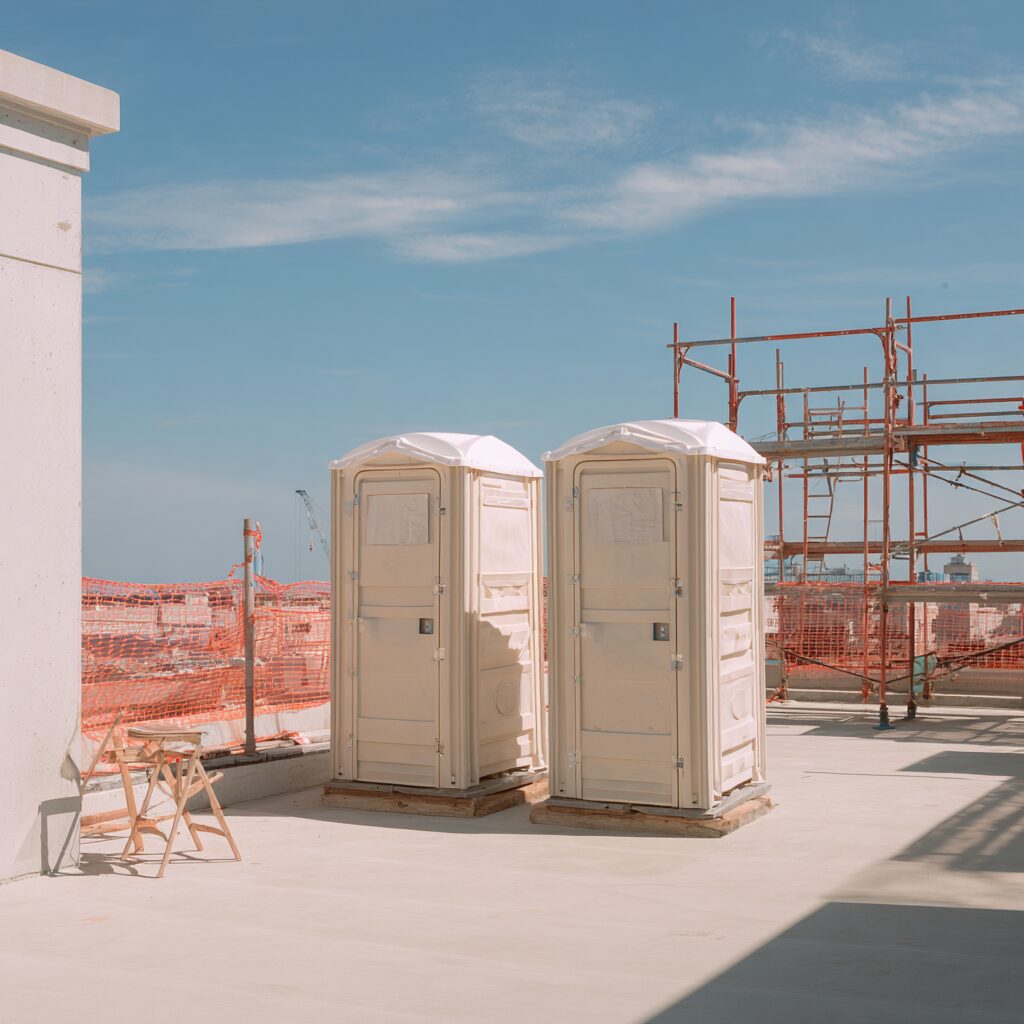
Job sites turn into solar cookouts during summer months. Those plastic-and-metal units? They’re basically Tupperware for heat. Let’s unpack why these essential facilities become unbearable – and what that means for your crew.
Porta potties trap warmth like parked cars. Their materials reflect sunlight but can’t escape physics: dark interiors absorb infrared rays, while limited airflow creates stagnant conditions. Temperatures inside often spike 20°F above outdoor readings by noon.
| Heat Factor | Impact | Solution Hint |
| Direct sunlight | Interior surfaces reach 130°F+ | Strategic shading |
| Poor airflow | Humidity doubles in 30 minutes | Ventilation upgrades |
| Ground placement | Concrete vs grass: 15°F difference | Surface selection |
Workers aren’t just uncomfortable – they’re at risk. Stifling air accelerates bacteria growth, turning units into science experiments. Dehydration spikes when people skip water breaks to avoid using facilities. Ever seen someone faint from heat exhaustion? It starts with ignored warning signs.
Smart placement matters more than you think. Units in shaded areas with cross-breezes stay 25% cooler. Flat ground prevents door jams that trap heat. Get it wrong, and you’ll face more than complaints – productivity drops as crews cut shifts short.
Heatwaves turn temporary restrooms into desert-like chambers – but smart managers know how to flip the script. Let’s explore field-tested methods that transform these essential units from sweltering boxes into tolerable spaces.
Scout sites for natural wind tunnels and existing shade first. Position units near trees or structures that block afternoon sun. No shady spots? Rent pop-up canopies – their fabric tops slash interior temps by 18°F compared to direct sunlight.
High-traffic sites benefit from battery-powered roof vents that cycle air 12x/hour. For extreme climates, upgraded models with mini-split AC systems maintain 75°F interiors. Pair mechanical cooling with enzyme-based deodorizers – they neutralize odors better in controlled temperatures.
Weekly servicing becomes non-negotiable in heat. Bacteria multiply faster when thermostats climb, turning units into petri dishes. Schedule extra cleanings during heat advisories, focusing on floor surfaces where heat concentrates.
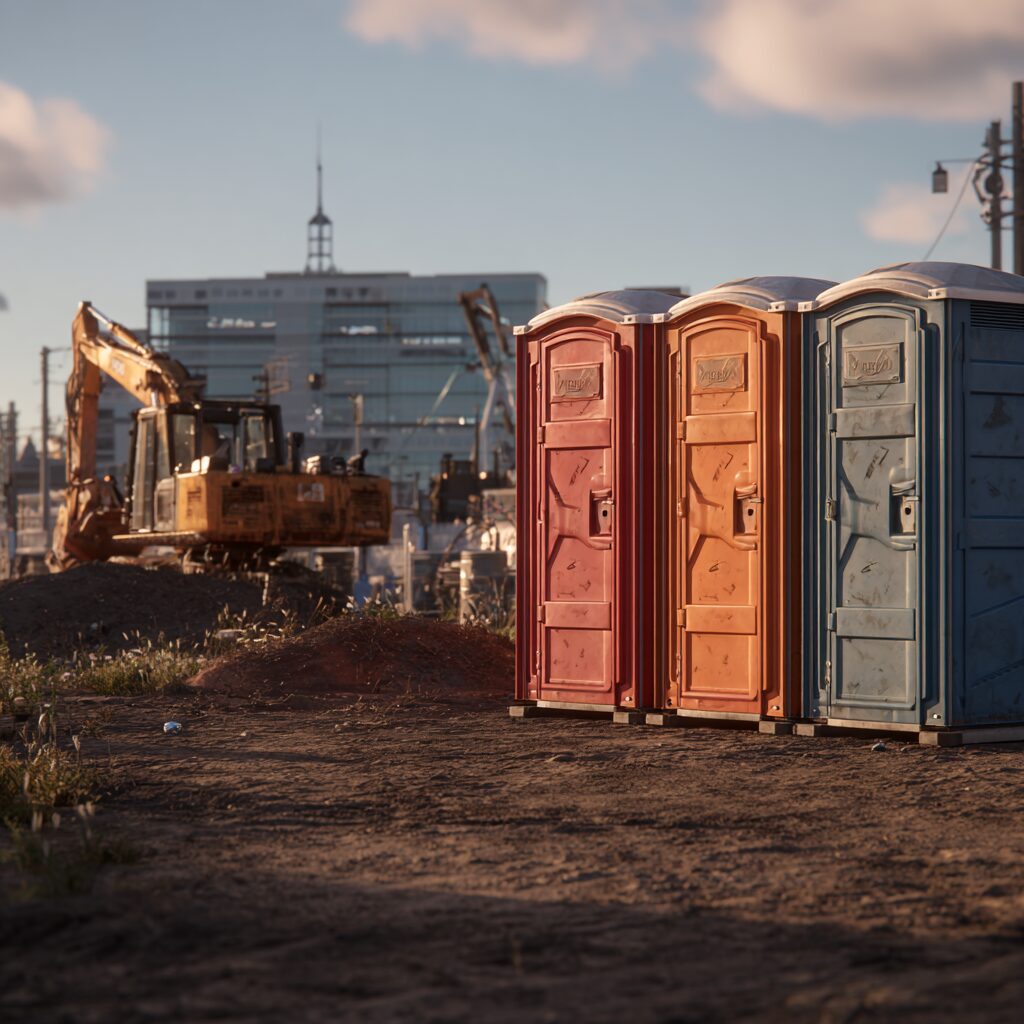
Not all portable restrooms handle heat the same way. Porta potty types that work well (and stay cool) at public events aren’t always the best choice for a jobsite.
Selecting the right units for your construction site can make the difference between comfortable facilities and sweat boxes that workers avoid.
Basic units serve as workhorses for most construction projects, handling daily crew needs at budget-friendly rates. They’re perfect for short-term jobs, small crews, or sites where workers need quick access without extra amenities.
Position standard units in naturally shaded areas or create shade with temporary canopies to reduce interior temperatures by up to 18°F. Keep doors propped open during lunch breaks and use battery-powered roof vents to push hot air out during peak heat hours.
Units with built-in handwashing stations reduce the need for separate hygiene facilities while keeping workers cooler by eliminating multiple stops. Construction sites with food service requirements or messy trades like concrete work benefit most from these all-in-one solutions.
Place sink-equipped units near water sources to maintain consistent supply and reduce pump strain in hot weather. Use insulated water tanks and schedule more frequent refills since workers consume more water and wash hands more often during heat waves.
Flushable models provide superior odor control and comfort, making them ideal for longer projects or sites with client visits. These units handle high-traffic areas better than standard models while maintaining a more professional appearance throughout hot weather.
Connect flushable units to shaded water sources and ensure proper drainage to prevent heat-related pump failures. Install solar-powered exhaust fans to enhance the natural cooling effect of water-based waste removal systems.
High-rise construction sites require specialized units that can be lifted to upper floors, providing essential facilities where workers spend entire shifts. These reinforced models withstand rigging stresses while serving crews who can’t easily access ground-level facilities.
Position crane units on the shaded side of buildings and use reflective roof coatings to deflect solar radiation. Install heavy-duty ventilation systems rated for enclosed spaces and schedule more frequent waste removal since heat accelerates decomposition at elevation.
Mobile units follow crews around large job sites, providing facilities that move with work zones throughout the day. Pipeline projects, road construction, and utility work benefit from towable units that eliminate long walks to stationary restrooms.
Park towable units to take advantage of natural wind patterns and reposition them throughout the day to chase shade. Use larger waste tanks to reduce service frequency and install trailer-mounted solar panels to power continuous ventilation fans.
ADA handicap portable facilities serve workers with disabilities while providing extra space that improves air circulation for all users. Federal regulations require these units on sites with 15+ employees, making them essential for most commercial construction projects.
Take advantage of the larger interior space by installing dual ventilation systems and positioning units where wheelchair access ramps don’t block cooling breezes. Use the extra room for portable fans or misting systems that wouldn’t fit in standard units.
Implementing porta potty cooling tips for construction sites protects more than worker comfort—it maintains the productivity and safety that keep projects on schedule during the hottest months. From strategic placement and natural ventilation to upgraded units with solar-powered fans, these cooling solutions prevent dehydration and facility avoidance that plague summer job sites when temperatures soar.
Prime Dumpster’s specialists understand the unique challenges that heat creates for portable sanitation. We’re ready to recommend the specific porta potty cooling tips for construction that work best in your environment. Contact our experienced team to discover cooling solutions and upgraded units that maintain comfortable, functional facilities throughout the summer construction season.
If you are looking for Are Porta Potty Chemicals Affected by Heat?, Click Here


