Mon - Sat 7:00 am to 7:00 pm


Mon - Sat 7:00 am to 7:00 pm

When crews waste time walking excessive distances to facilities, or encounter unusable units mid-shift, those minutes compound into hours of lost labor every week. Smart project managers know that strategic restroom logistics directly impact their bottom line.
In this comprehensive guide from the pros at Prime Dumpster, we walk you through the secrets to effective porta potty integration for construction sites. Learn tips for delivery timing, strategic placement, maintenance protocols, OSHA compliance strategies that protect both workers and project timelines. Ready to master construction site restroom integration? Let’s get started.
We asked the Prime Dumpster Pros for their expert guidance on how to integrate rented portable restrooms into construction site operations.
“Treating placement as a one-time decision instead of an evolving strategy is the number one mistake we see. Your excavation crew works in completely different zones than your framing team, and facilities that worked perfectly during site prep become useless once you’re building vertically. Plan for repositioning from day one, not as an afterthought when crews start complaining about long walks.”
“OSHA says one unit per 20 workers, but smart contractors aim for one per 10 to 15 people for better comfort and fewer lines during breaks. Track your actual crew sizes week by week, not just your peak numbers. If you’re running 12 workers during framing but 25 during finish work, adjust your unit count accordingly rather than overordering from the start or scrambling to add more later.”
“Map your work zones for each major phase during initial planning, then position units where they won’t need immediate relocation once the next phase starts. During excavation, choose spots near active dig zones but away from where foundation work will concentrate. For multi-story projects, add upper-level access once crews work above the third floor, because expecting workers to descend several flights multiple times daily kills productivity and creates safety risks.”
“Summer heat amplifies odors and increases usage, so double your service frequency from weekly to twice weekly when temperatures stay above 85 degrees consistently. Winter demands heated units or antifreeze solutions in tanks to prevent freezing, plus extra attention to pathway safety since icy conditions near facilities create slip hazards. Seasonal changes aren’t optional considerations, they’re requirements for keeping facilities functional and your crew productive.”
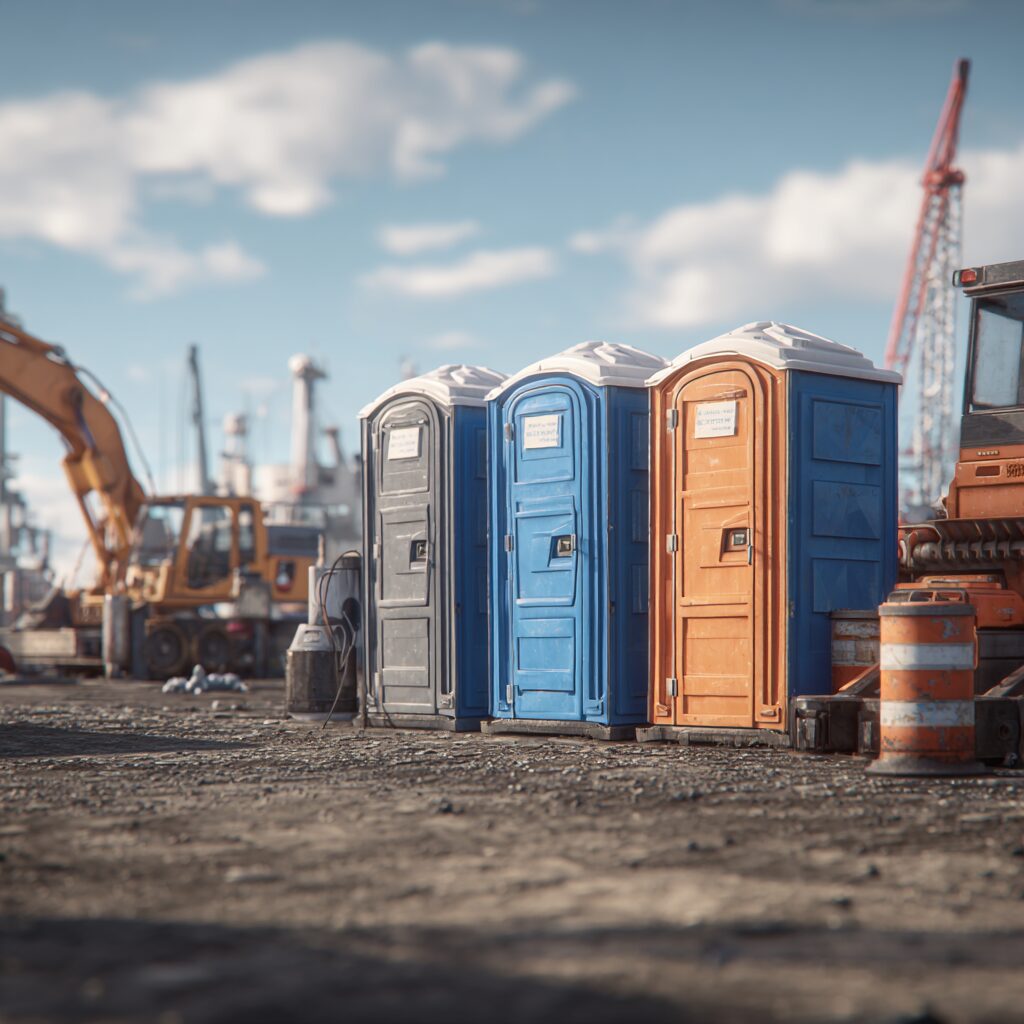
Getting the basics right with portable restrooms starts with smart scheduling. You need facilities operational before your crew’s first coffee break.
Coordinate delivery timing carefully with your vendor. Ensure access routes are clear for delivery trucks. The ground should be level and stable for placement.
Weekly service is the absolute minimum. But larger crews or hot weather demand more frequent attention. Think about your specific project needs.
Don’t wait for complaints. Schedule regular maintenance that matches your crew size and project duration. This keeps conditions sanitary for everyone.
OSHA standards require one toilet per 20 workers. But industry best practices suggest one per 10 people for better comfort. Falling short risks fines and productivity loss.
Facilities must be within 200 feet of work areas. On large sites, distribute units strategically rather than clustering them together.
Compliant units are clean, well-lit, and ventilated. They protect from weather and provide privacy. Meeting these standards shows respect for your team’s basic needs.
Smart logistics transform portable sanitation from a chore into a productivity booster. Getting delivery and placement right saves valuable work hours.
Schedule your delivery during off-peak hours or before the crew arrives. This prevents trucks from blocking material deliveries.
Communicate clearly with your vendor about site conditions. Mention narrow gates, soft ground, or overhead obstructions.
| Placement Factor | Good Choice | Poor Choice | Impact |
| Ground Surface | Level, stable ground | Sloped or soft terrain | Stability & comfort |
| Access Path | Clear, debris-free | Cluttered or blocked | Worker safety |
| Noise Level | Quiet zone | Near loud equipment | User experience |
| Privacy | Natural barriers | High-traffic area | Comfort level |
Think of your site as activity zones. Position units so no worker walks more than 200 feet.
Choose level ground with good drainage. Avoid areas with heavy equipment traffic. Natural shade helps control odors.
Coordinate pickup timing with project completion. Keep facilities available until the last worker leaves.
Mastering maintenance is the secret to making portable sanitation work for your team. It is not just about having the units on site. It is about keeping them in excellent working order.
These best practices protect your investment. Properly maintained facilities last longer and keep workers productive. They prevent the delays caused by inadequate restrooms.
Think about how your job site transforms from week to week. That’s exactly how your restroom strategy should evolve. Excavation crews work in different zones than framing teams. Finish work happens far from where site prep occurred.
Static placement creates real problems as projects progress. Smart managers anticipate these shifts during initial planning. Map out where crews will concentrate during each major phase. Build relocation into your timeline and budget.
During excavation, position facilities near active dig zones. Choose spots where they won’t need immediate relocation once foundation work begins. Heavy equipment movements should not disrupt access.
For vertical projects, consider multi-level placement. Expecting workers to descend several floors wastes valuable time. It also creates safety concerns when people rush on stairs.
Coordinate relocations with your vendor during natural transitions. Weekends or between phases work better than mid-week moves. This minimizes disruption to active work.
As work concentrates in building interiors, exterior units may become less convenient. But keep them accessible until interior facilities function properly. The last trade crew needs them until departure.
Adapting placement isn’t extra work. It’s smart management that maintains productivity from start to finish.
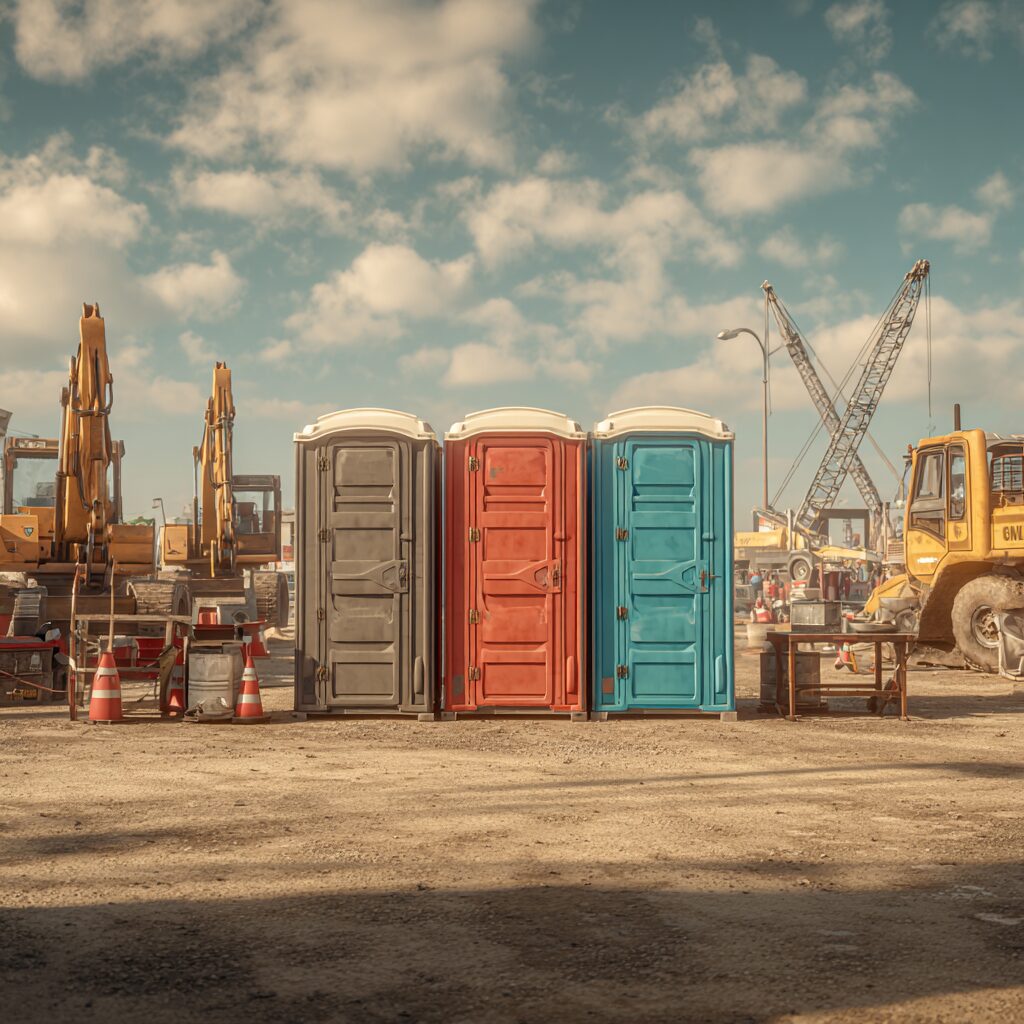
You might not think restrooms drive productivity, but they absolutely do. When your team has clean, accessible facilities, you reclaim valuable work time and boost morale.
Consider this simple math: A crew of 20 workers making three daily trips can save five hours of productive work time just by having well-placed facilities. That time compounds weekly into dozens of recovered labor hours.
Workers notice when you invest in their comfort. Providing quality facilities shows respect for basic needs. This attention translates directly into their work attitude and willingness to go the extra mile.
Proper facilities with handwashing stations reduce illness spread on your project. Fewer sick days mean less disruption and better productivity. Workers stay healthier and more focused.
Comfortable access to clean facilities helps workers stay hydrated throughout the day. They won’t avoid drinking water to minimize trips. This maintains mental focus and prevents accidents.
In today’s competitive labor market, workers talk. Projects known for good facilities attract and retain skilled labor more easily. Investing in effective restroom solutions pays returns in recovered time and improved safety outcomes.
Successful porta potty integration for construction sites transforms basic facilities into productivity infrastructure that supports your crew from groundbreaking through final inspection.
Need construction sanitation partners who understand site integration? Prime Dumpster coordinates porta potty solutions with flexible placement strategies, proactive maintenance protocols, and responsive service that keeps crews productive. Contact us for facilities that support your construction timeline from site prep through project completion.
If you are looking for How to Choose a Porta Potty for Construction, Click Here


