Mon - Sat 7:00 am to 7:00 pm


Mon - Sat 7:00 am to 7:00 pm
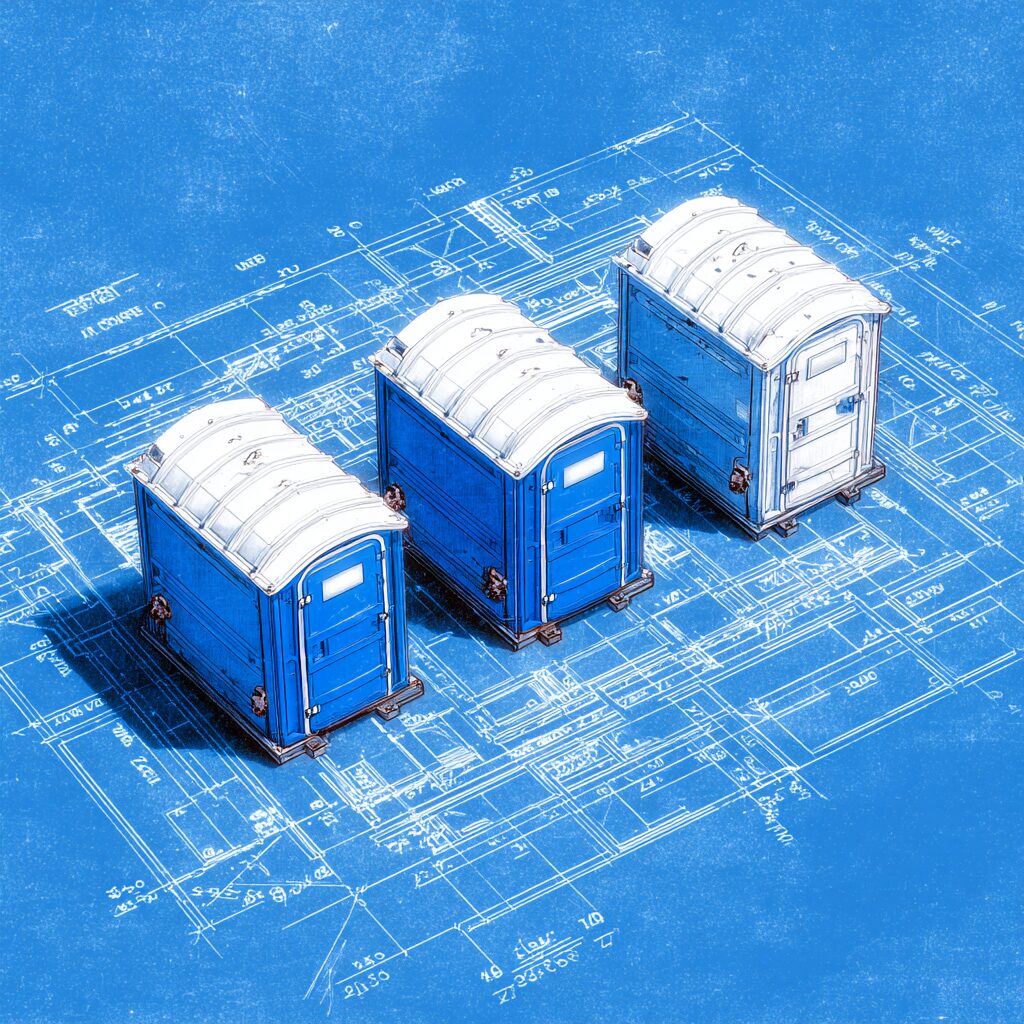
Getting porta potty placement wrong can turn your perfectly planned event into a logistical nightmare or make your construction site inefficient and unsafe. Poor positioning leads to long lines, accessibility issues, service delays, and frustrated users who remember the bathroom situation longer than your actual event or project success.
At Prime Dumpster, we’ve coordinated portable restroom logistics across thousands of sites and learned that successful porta potty placement for rentals near me balances user convenience with operational efficiency. Our experience has taught us the strategic placement principles that transform projects from chaotic to seamless while ensuring compliance and accessibility.
Different environments present unique placement challenges that require tailored strategies to ensure safety, compliance, and user satisfaction.
Construction sites present complex placement challenges with constantly changing layouts, heavy equipment traffic, and strict OSHA compliance requirements. Porta potties must remain accessible to crews while staying clear of crane swing paths, material staging areas, and active work zones that shift as projects progress.
Strategic placement involves positioning units within walking distance of active work areas while maintaining clear access routes for service trucks and emergency vehicles. Successful construction site placement also requires coordination with project phases, using portable or hoistable units for high-rise work and ensuring ADA-compliant facilities remain accessible from parking and main entrances.
Educational facilities face unique challenges during athletic events, renovations, and special programs when existing restrooms become inadequate or inaccessible. Placement must avoid disrupting classroom activities, bell changes, and student traffic flow while ensuring facilities remain easily accessible during high-usage periods like lunch breaks and sporting events.
Effective school placement strategies focus on positioning units near athletic fields, renovation zones, or event areas without blocking emergency exits or creating bottlenecks during class changes. Units should be placed in visible, well-lit areas that maintain security while providing convenient access for students, staff, and visitors without interfering with normal educational operations.
Industrial environments require careful placement away from hazardous materials, heavy equipment paths, and loading dock operations that could endanger users or disrupt workflow. Challenges include avoiding forklift traffic lanes, chemical storage areas, and maintaining clear emergency evacuation routes while providing convenient access during shift changes.
Strategic industrial placement involves clustering units near break areas and time clocks while ensuring clear separation from operational hazards and maintaining truck access for service visits.
Successful placement also considers shift patterns, positioning facilities to handle peak usage during breaks while avoiding interference with production schedules and maintaining compliance with workplace safety regulations.
Residential job sites present placement challenges related to neighbor relations, property protection, and limited space that must accommodate both construction needs and homeowner comfort. Units must remain accessible to crews while avoiding damage to landscaping, driveways, and maintaining privacy for residents who continue living in or near the work area.
Effective residential placement strategies emphasize curbside positioning that keeps service trucks off private driveways while using ground protection to prevent lawn damage.
Successful placement also considers neighbor privacy by orienting units away from windows and outdoor living spaces while ensuring contractors have convenient access that doesn’t disrupt daily household activities or block essential services.
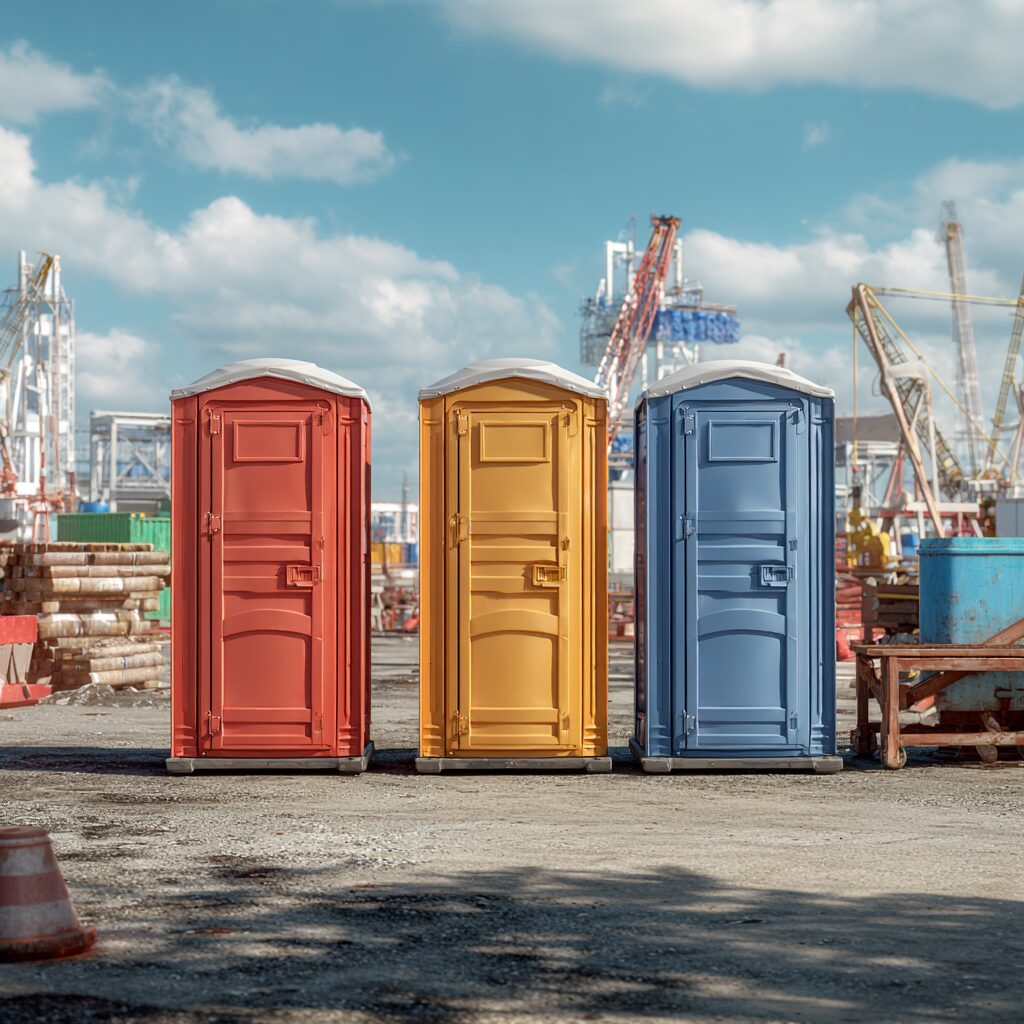
Where you put temporary restrooms can make or break comfort at any outdoor gathering. Thoughtful siting protects users, preserves turf, and speeds service visits.
Safety comes first. Put units away from drive lanes and trip hazards so vehicles and people do not cross paths. Keep them visible but not blocking exits. That reduces confusion and improves crowd flow.
Wheelchair-accessible units have ground-level floors, wider interiors, handrails, and self-closing doors. Place these on firm, flat routes with room to turn and queue. Good signage and lighting help users with mobility devices find toilets safely.
| Factor | Why it matters | Quick tip |
| Access | Clear routes let everyone reach units and allow service vehicles to park. | Keep 8–12 feet clear around units and mark paths. |
| Surface | Firm, level ground prevents tipping and keeps interiors dry. | Use plywood or mats on soft turf. |
| Visibility & safety | Monitored spots cut vandalism and speed emergency response. | Place units in sight of staff or lighting at night. |
A smooth delivery starts long before the truck shows up. Clear directions, a simple map, and a quick walk-through keep setup fast and safe.
The delivery company handles unit placement and heavy lifting. Still, you should prep the site, mark hazards, and be ready to meet the crew so final locations work for everyone.
Crews bring many unit types: standard, accessible, and high-rise models. They can add handwashing stations, sanitizer stands, holding tanks, and water tanks when there is no running water. Ask for a written placement plan or take photos after setup so everyone—and your quote—matches reality.
| Who | Does | Why it matters |
| You | Prepare site map, clear paths, meet crew | Makes setup faster and avoids fees or damage |
| Delivery team | Set units, stage extras, handle pickup | They have gear and experience to place units safely |
| Company | Provides quote and scheduling | Confirms services and timing for servicing and pickup |
Local rules and weather shape where temporary restrooms work best at your next event. Check HOA rules, park permits, and campus policies before you book so the delivery crew won’t have to move units later.
Climate matters. In hot areas pick shaded spots and wind breaks. In wet regions plan drainage and put units on raised pads so interiors stay dry.
Look at terrain. Steep slopes, soft turf, and new landscaping can sink a unit or block service trucks. Narrow alleys and tight city streets might force curbside staging instead of yard placement.
| Local factor | What to do | Why it matters |
| Rules & permits | Confirm approvals | Avoid fines and last-minute moves |
| Terrain | Choose firm ground or mats | Prevents sinking and eases service |
| Neighbors | Screen and orient units | Maintains comfort and good relations |
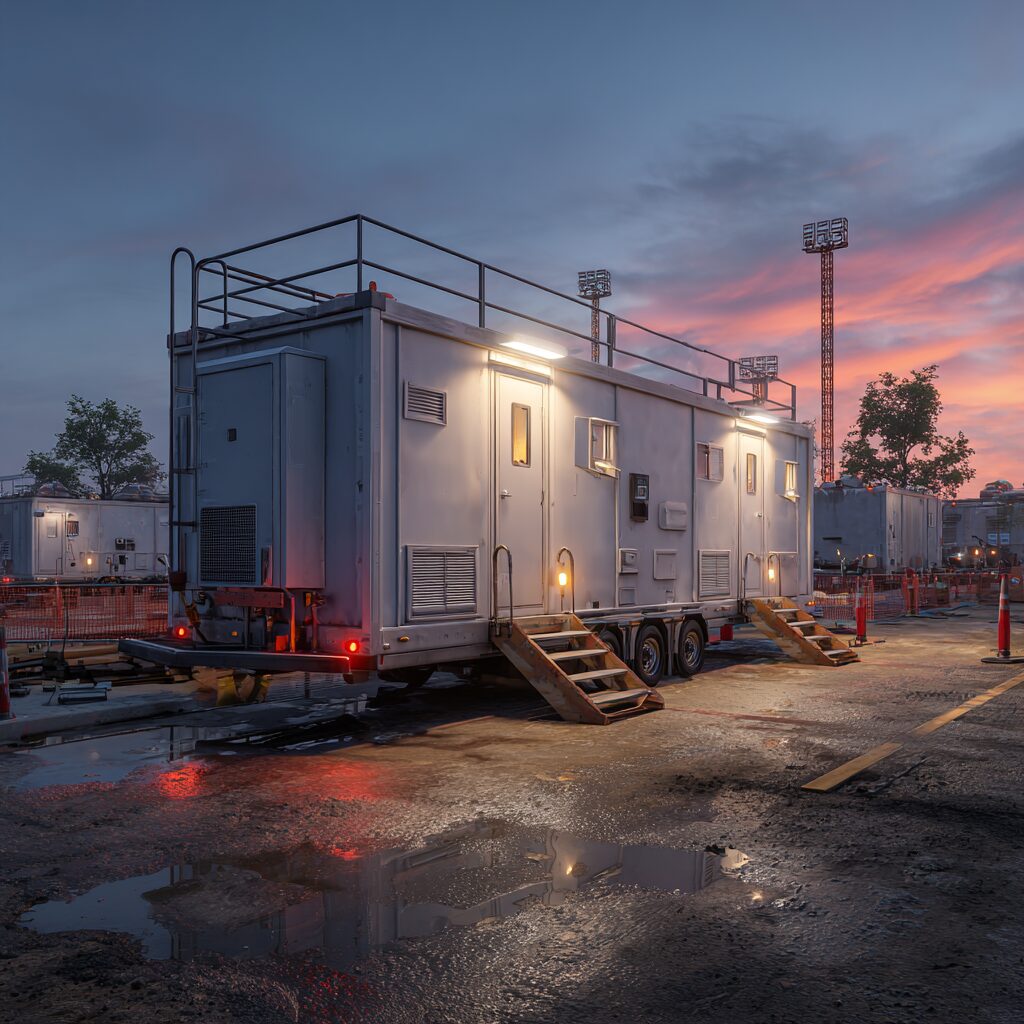
Smart unit siting starts with firm ground and clear truck routes, not guesswork. A few simple rules save time, spare the turf, and make servicing easier.
Choose firm, level ground and use ground protection mats on lawns to stop settling and keep walkways clean. On gravel or pavement, place units on a flat spot so doors swing freely.
Plan clear truck access from the street to each cluster. Leave room for hoses and safe turnarounds so crews can handle service and pickup without moving dozens of items.
Avoid low spots that puddle after rain. Use wind breaks or tie-downs in gusty areas. In winter, pick plowed, gritted surfaces to reduce slip risks.
Keep a respectful buffer from food vendors, dining tents, and building entries. Face doors toward open queuing zones to improve privacy and crowd flow.
Provide lighting at night and position units in visible areas to deter misuse. Cluster handwashing stations and sanitizer stands near dining and kids’ zones. Consider rolling units, holding tanks, or water tanks when plumbing is offsite.
| Factor | Action | Benefit |
| Surface | Use mats on soft turf | Prevents sinking |
| Access | Keep 8–12 ft clear for trucks | Speeds service |
| Security | Light and staff sightlines | Reduces vandalism |
Match unit style to crowd needs and site limits to save headaches on setup day. Pick options that fit your budget, guest comfort, and how often crews will service the site.
Standard units cover most jobs. Deluxe models add sinks. Flushable options offer a nicer feel for longer events or high-end attendees.
Choose an ADA portable unit where public access matters. Look for ground-level floors, wide doors, and grab rails to help wheelchair users and guests with mobility needs.
Restroom trailers make sense at weddings and VIP areas. Add water tanks, holding tanks, and sanitizer stands when plumbing is offsite. Use rolling units on high-rise jobs.
| Type | Best use | Typical amenities |
| Standard unit | Construction, short events | Toilet, mirror, hand sanitizer |
| Deluxe / flushable | Weddings, long events | Sink, flushing toilet, better lighting |
| Accessible / trailer | Public venues, VIP areas | Wheelchair access, sinks, climate control |
Mastering porta potty placement for rentals near me means understanding that every site presents unique challenges requiring thoughtful solutions that balance accessibility, safety, and convenience. The difference between good placement and great placement often lies in considering details like wind direction, drainage patterns, and traffic flow that prevent costly relocations.
Ready to ensure your next project runs smoothly from start to finish? Contact our team to discover how expert guidance on porta potty placement for rentals can help you avoid common mistakes while creating efficient, compliant, and user-friendly restroom solutions.
If you are looking for Q&A with the Prime Dumpster Pros: Porta Potty Rentals Near Me, Click Here


