Mon - Sat 7:00 am to 7:00 pm


Mon - Sat 7:00 am to 7:00 pm
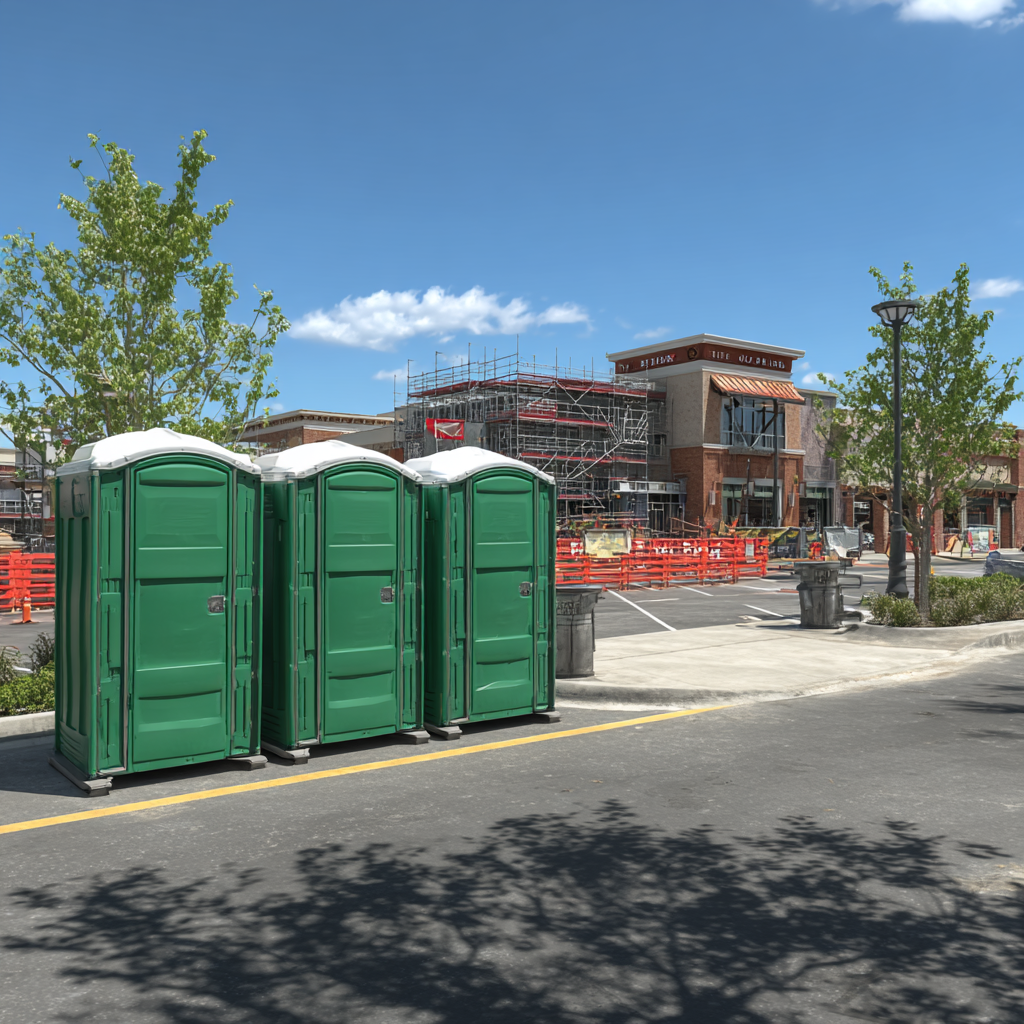
Commercial development projects in 2026 demand smarter sanitation planning than ever before. Office towers, retail centers, and mixed-use complexes create unique restroom challenges that standard construction approaches can’t solve.
Effective porta potty rental for commercial development requires understanding project phases, workforce fluctuations, and tenant considerations that don’t exist on traditional job sites.
Our Prime Dumpster guide covers practical strategies for porta potty rental for commercial development projects throughout 2026. From ADA compliance and unit selection, to service frequency and vendor coordination, you’ll learn how proper sanitation planning keeps commercial projects on schedule while meeting worker expectations and regulatory standards.
Commercial sanitation strategies are evolving faster than many project managers realize, requiring custom solutions that are different from those found in other industries.
Smart developers now prioritize sanitation planning from day one. Worker retention has become competitive, and proper facilities keep teams productive.
Retail renovations present unique challenges. Stores staying open during upgrades need discreet, professional-grade units. These facilities must blend seamlessly without affecting customer experience.
Office building projects increasingly specify multiple unit types. They accommodate diverse workforce needs while ensuring ADA compliance. Mixed-use developments create complex scheduling demands across different contractor teams.
Large-scale events demonstrate the versatility of modern portable toilets. From music festivals to emergency responses, these services adapt to various locations and crowd sizes. Proper placement and regular service maintain cleanliness and satisfaction.
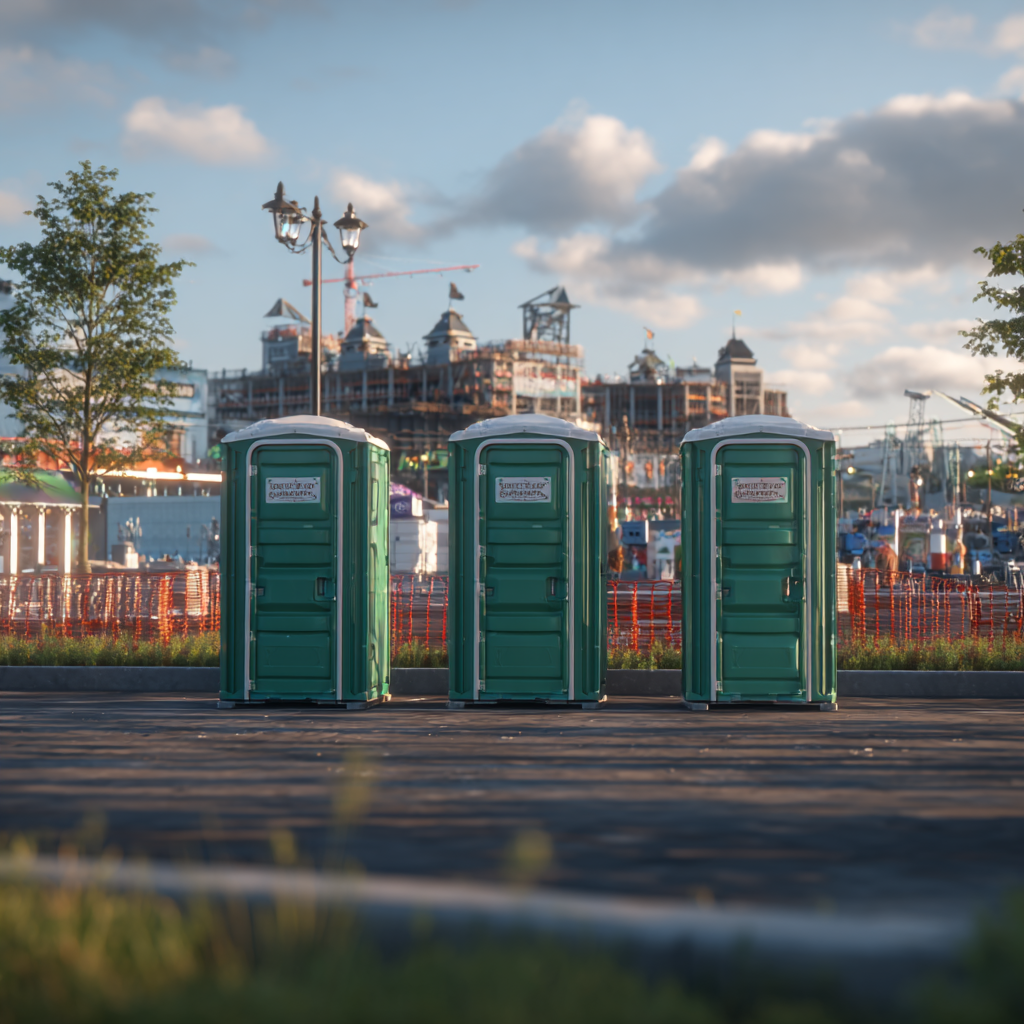
The modern approach to commercial building projects integrates sanitation strategy from the earliest planning stages. This specialized field requires understanding unique project phases and worker volume changes.
Different commercial projects have distinct requirements. Retail spaces need discreet units that maintain professional appearances in high-traffic areas.
| Project Type | Appearance Needs | Access Requirements | Typical Duration |
| Retail Buildouts | Professional, discreet units | Limited delivery windows | 3-6 months |
| Office Renovations | Standard or upgraded options | Tenant-friendly placement | 6-12 months |
| Mixed-Use Developments | Multiple unit types | Complex scheduling | 12+ months |
Office building projects often supplement existing facilities during renovations. They provide exclusive access for construction teams without disrupting tenants.
Smart contractors build these costs into project bids from the start. This avoids emergency pricing when needs exceed estimates.
Understanding your team’s actual requirements prevents both overspending and productivity losses. Early planning secures better availability and pricing.
Today’s temporary restroom market offers more choices than a fancy coffee shop menu. You can match facilities perfectly to your project’s specific needs and budget. The right selection keeps workers happy and projects moving smoothly.
Standard portable units provide reliable basics with anti-slip floors and good ventilation. They’re the workhorses of any large construction site. These cost-effective toilets meet essential safety requirements without breaking the bank.
Deluxe restrooms add comfort features like sinks, flushable systems, and more. Many include hand-washing stations that address health code needs. Workers appreciate these upgrades on longer projects.
Flushable models bridge the gap between basic and luxury options. They offer familiar flushing mechanisms for improved comfort. These toilets work well on smaller sites where space is limited.
ADA accessible units are practical necessities, not just legal requirements. They ensure everyone on site has proper restroom access. These spacious toilets accommodate wheelchairs and mobility devices.
Handicap-friendly designs feature wider doors and interior grab bars. They meet strict federal accessibility standards. Placing these units at main access points shows consideration for all workers.
Smart project managers often mix unit types across large sites. This approach customizes sanitation solutions for different workforce needs. The variety available today makes tailored planning easier than ever.
The next wave of portable restroom technology is solving some of construction’s toughest challenges. Smart solutions keep workers productive while meeting modern sustainability goals.
Imagine having facilities right where your team works. Crane units make this possible by lifting restrooms to upper floors. Workers save valuable time instead of trekking down multiple stories.
These specialized units transform productivity on office tower projects. Teams stay focused on their tasks rather than bathroom breaks.
Towable options offer flexibility for large sites. You can move them as work progresses across different areas. This adaptability prevents overcrowding in any single location.
Solar units represent the future of sustainable site management. They use photovoltaic panels to power lighting and ventilation. No noisy generators needed!
Urban construction sites benefit from quiet operation. Neighbors appreciate the reduced noise pollution. These eco-friendly choices align with green building standards.
Developers pursuing LEED certification find solar options particularly appealing. They demonstrate environmental commitment while providing practical amenities.
Choosing the right portable toilet rental requires understanding these innovations. The best solutions match your specific project needs and sustainability goals.
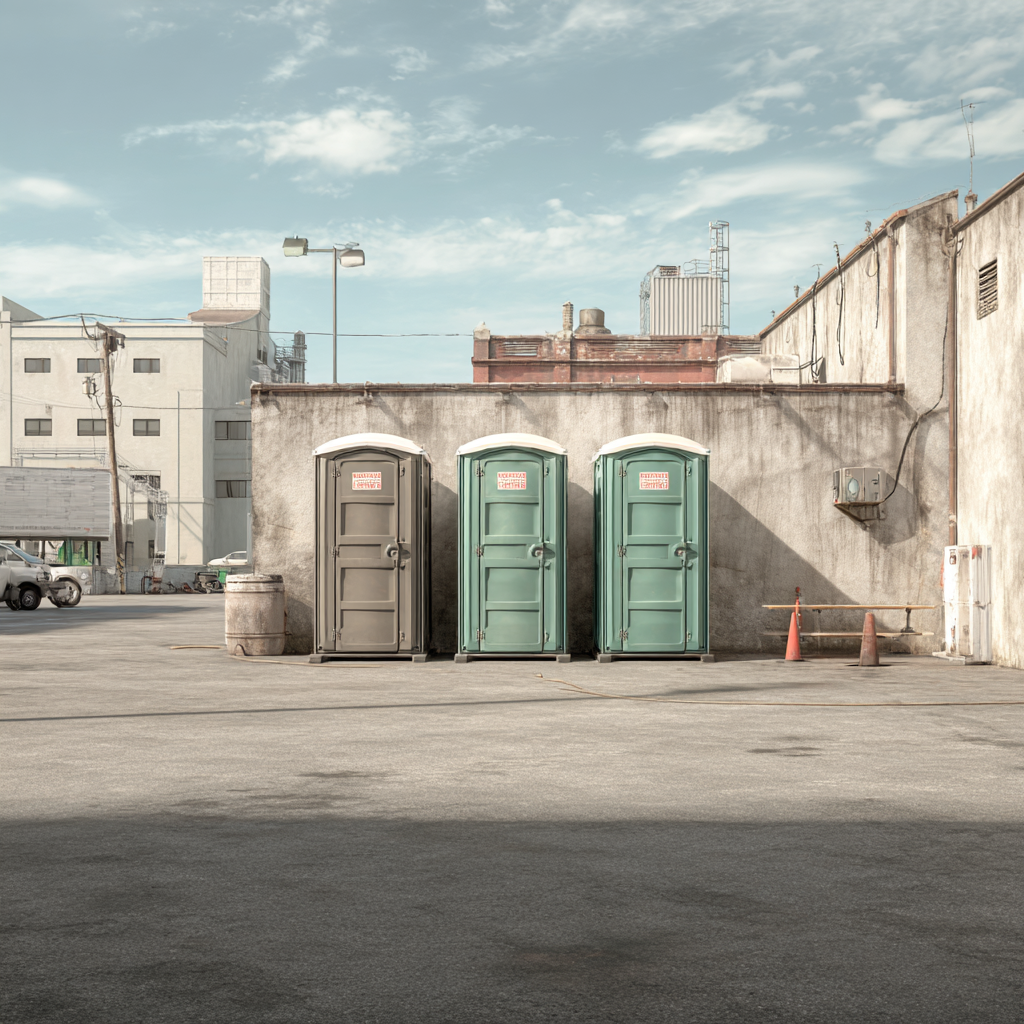
What separates adequate portable restroom services from exceptional ones? The difference often comes down to factors you might not consider until problems arise. We’ll help you spot the warning signs before signing any contract.
Service reliability forms the foundation of any successful sanitation strategy. Consistent maintenance prevents the breakdowns that can halt entire projects. Your team deserves facilities that work properly throughout your timeline.
Waste removal frequency directly impacts site hygiene and user experience. Busy construction sites typically need more frequent servicing than smaller projects. Ask providers about their standard schedules and emergency protocols.
Customer service responsiveness matters when unexpected needs arise. Whether you need emergency repairs or additional units for crew increases, quick response times keep projects moving. Evaluate how companies handle last-minute changes.
| Quality Factor | Professional Service | Budget Option |
| Unit Cleanliness | Thorough sanitization upon delivery | Basic cleaning only |
| Maintenance Schedule | Regular, predictable servicing | Irregular or reactive only |
| Emergency Response | Guaranteed within 24 hours | No specific timeline |
| Supply Management | Automatic restocking included | Client must monitor supplies |
A dedicated local team understands regional regulations and site access challenges. They bring valuable experience with projects similar to yours in scope and duration. This local knowledge prevents many common problems before they start.
Smart implementation separates successful projects from those plagued by avoidable delays. Your planning efforts pay off when daily operations run smoothly.
Proper coordination ensures everyone stays productive without sanitation-related interruptions.
Begin by identifying level areas with firm ground for unit placement. Choose spots that accommodate delivery trucks throughout your timeline.
Place facilities near active work zones to reduce walking time. Maintain safe distances from equipment and storage areas.
Designate a site manager as the main contact for service issues. This streamlines communication across multiple contractor teams.
Most construction sites need weekly servicing as a baseline. Busy job sites often require twice-weekly visits.
Standard service includes waste removal, tank refills, and supply restocking. High-touch surfaces get sanitized during each visit.
Place hand-washing stations near toilets and eating areas. This addresses hygiene needs while keeping people happy.
Regular walkthroughs help identify maintenance needs early. Adjust placement as site layouts evolve over time.
Successful porta potty rental for commercial development starts during initial project planning, not weeks before breaking ground. Early coordination secures better unit availability and pricing while preventing the productivity losses that come from inadequate facilities.
Need expert guidance on porta potty rental for commercial development in 2026? Prime Dumpster provides specialized solutions for office buildings, retail centers, and mixed-use projects with flexible service agreements and responsive local support. Contact us to discuss your commercial development portable sanitation needs.
If you are looking for PD Quick Guide: Preparing for Summer Porta Potty Rentals in 2026, Click Here


