Mon - Sat 7:00 am to 7:00 pm


Mon - Sat 7:00 am to 7:00 pm
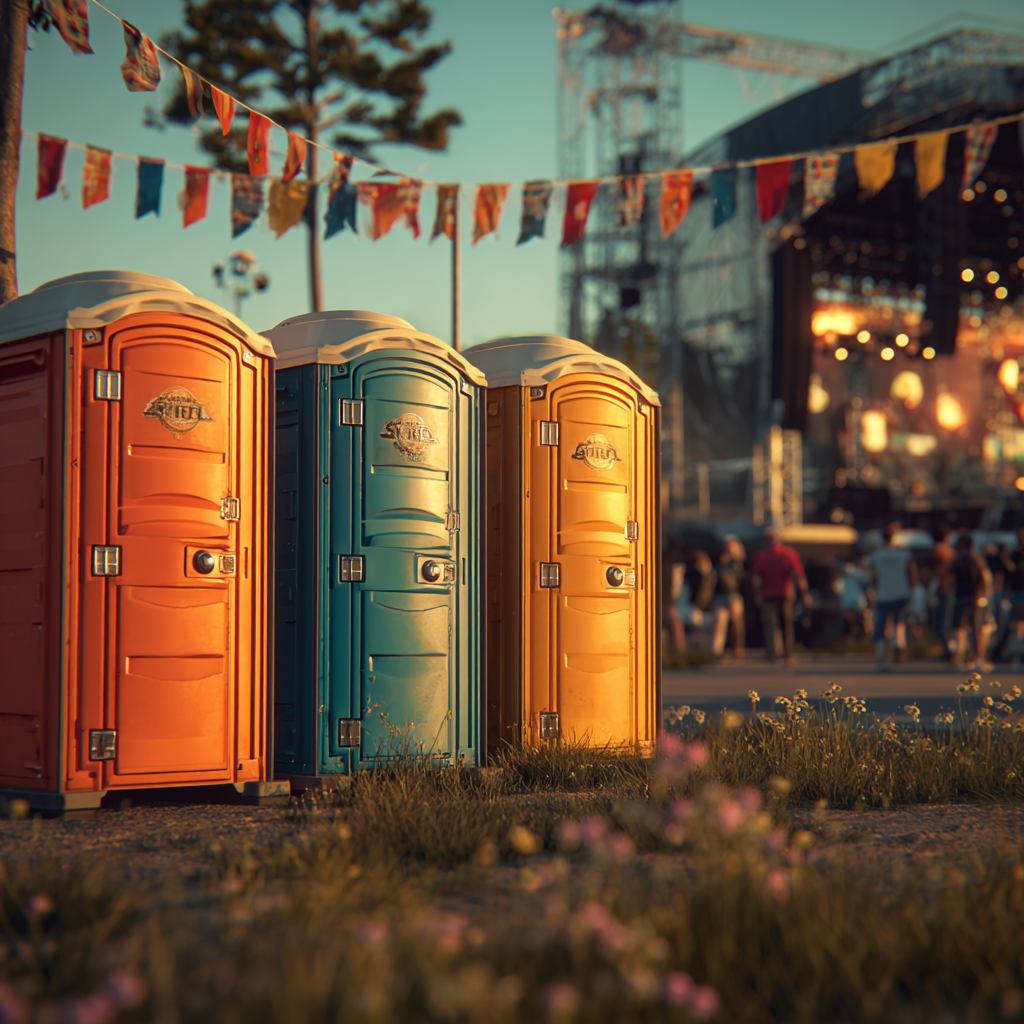
Are you ready for the new year? For contractors, event organizers, and developers, successful site management starts now, not weeks before your project begins or event opens. Understanding seasonal demand patterns, regional market variations, and industry-specific requirements separates successful operations from costly last-minute scrambles.
Strategic porta potty rental planning for 2026 accounts for summer inventory shortages, winter equipment specialization, and booking timelines that vary dramatically by application and location. Our comprehensive guide from Prime Dumpster covers everything from unit selection and service frequency to budgeting tactics and emerging technologies.
We asked the Prime Dumpster Pros for their expert guidance on planning portable sanitation for different industry applications.
“Start with one porta potty per 50 guests for standard four-hour events, but bump that up to one per 35 or 40 guests when you’re serving alcohol because people use the restrooms 10 to 20 percent more when they’re drinking. You’ll want to book your premium luxury trailers and deluxe units about 10 to 12 weeks ahead for those popular summer weekends, because festival and wedding demand just wipes out the available inventory.”
“Campus events cluster around orientation weeks, move-in periods, graduation ceremonies and major athletic competitions, so you’ve got intense weekend demand that needs eight to 10 weeks advance booking. Talk to your rental providers months before these peak periods to lock in adequate inventory, and if you’ve got construction or renovations spanning multiple terms, consider semester-long arrangements instead of booking separately each time.”
“Emergency response needs pre-positioned inventory in strategic spots before disasters hit, with rapid deployment that gets units there within hours instead of days when hurricanes, tornadoes or floods strike. Build relationships with providers who’ve got emergency response capabilities and priority access for relief agencies, because if you wait until disaster strikes, you’re competing for inventory that’s already gone when every organization suddenly needs units at the same time.”
“Remote industrial locations like oil fields, gas operations and manufacturing expansions often need towable units you can move across sprawling sites, plus solar-powered options where there’s no electrical infrastructure. These harsh industrial environments need more durable equipment that’ll withstand extreme conditions while serving work crews spread across way larger areas than your typical construction site.”
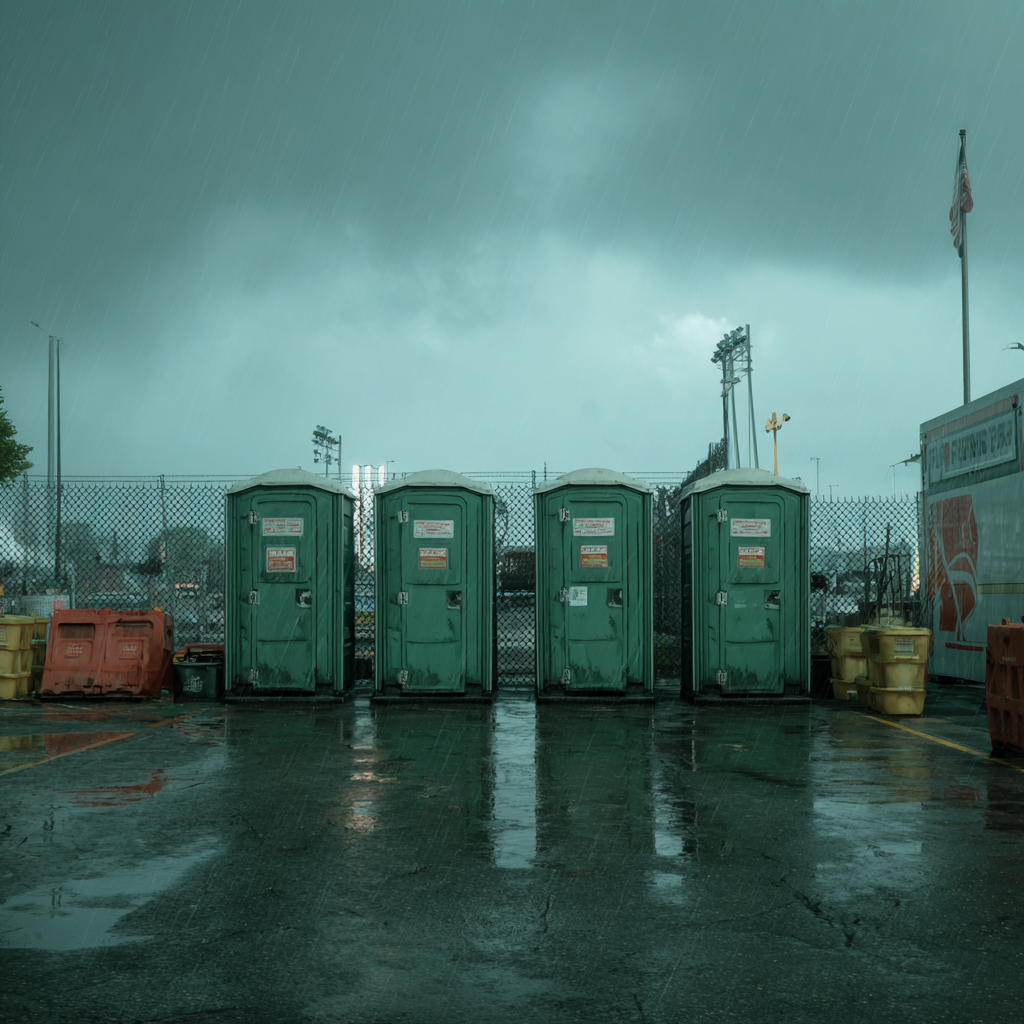
Timing is everything when it comes to securing mobile sanitation solutions during peak demand periods. The trends in 2026 that porta professionals face will follow predictable seasonal patterns throughout the year.
From May through September, you face a perfect storm. Weddings, festivals, and construction projects all compete for limited inventory.
Book six to eight weeks ahead to secure units before they’re gone. Premium pricing hits its peak during June through August.
Summer heat accelerates waste decomposition. When temperatures consistently stay above 85 degrees, schedule twice-weekly service instead of standard weekly visits.
Cold weather demands specialized equipment. Standard units freeze solid during cold snaps below 32 degrees.
You need freeze-protected models with antifreeze solutions and winterized chemicals. The silver lining? Availability improves as event season ends.
Construction projects gain better selection and stronger negotiating power on monthly rates during winter months.
| Season | Booking Timeline | Service Frequency | Pricing Level |
| Summer | 6-8 weeks ahead | Twice weekly (above 85°F) | Premium |
| Winter | 2-3 weeks ahead | Weekly (freeze-protected) | Negotiable |
| Spring | 2-3 weeks ahead | Weekly standard | Moderate |
| Fall | 3-4 weeks ahead | Weekly standard | Favorable |
Spring offers a planning sweet spot with better availability than summer. Fall creates interesting dynamics as construction rushes to finish while event season winds down.
Smart planning means understanding your options before making decisions.
| Unit Type | Key Features | Best For | Special Considerations |
| Standard | Basic toilet, urinal, sanitizer | Construction sites, basic events | Most affordable option |
| Deluxe | Flush system, sink, ventilation | Weddings, upscale events | Enhanced user comfort |
| ADA Accessible | Wheelchair access, grab bars | Public events, compliance sites | Legal requirement ratio 1:20 |
| Towable | Trailer mounted, mobile | Large sites, festivals | Easy relocation advantage |
| Solar Powered | Off-grid lighting, ventilation | Remote locations, eco-projects | 30% market growth |
Your 2026 porta potty strategy should include these advanced options.
Every industry faces unique challenges when managing sanitation logistics. What works for a construction crew won’t suit a music festival. We break down the specialized approaches that deliver success in different environments.
Event planners should start with one unit per 50 guests for four-hour events. But alcohol service changes everything. Serving drinks increases usage by 10-20%, requiring more facilities.
Strategic placement prevents bottlenecks. Space units evenly throughout the venue. Consider deluxe models for VIP areas to match guest expectations.
Academic calendars create predictable demand spikes. Orientation weeks and graduation ceremonies need advanced preparation. Athletic events and student move-in periods also require careful scheduling.
Coordinate with rental companies months before these busy times. This ensures adequate inventory during peak usage.
Disaster scenarios demand rapid deployment capabilities. Units must function reliably where infrastructure fails. Hurricane season requires securing equipment before storms hit.
Quick redeployment supports recovery efforts. These situations need robust, dependable sanitation solutions.
Remote locations present distinct challenges. Sprawling sites often need towable units for mobility. Solar-powered options work where electrical infrastructure doesn’t exist.
These industrial settings require durable equipment. They must withstand harsh conditions while serving dispersed work crews effectively.
Smart construction managers understand that portable restroom planning starts long before the first worker arrives. Getting this right keeps projects on track and crews productive.
Proper facilities planning prevents costly delays and compliance issues. We’ll show you how to optimize your approach.
Wheelchair-accessible units must be part of your initial site plan. Don’t wait until inspections approach to add them.
Most construction sites legally require at least one accessible unit. Failure to provide them risks fines and work stoppages.
Place these units on level ground with clear pathways. Keep them reasonably close to primary work zones for easy access.
Supply of accessible models runs tighter than standard inventory. Book early to secure what you need.
Standard weekly service works during moderate weather. But summer heat above 85 degrees demands twice-weekly visits.
High-rise projects need specialized crane-lift units. These require 8-12 week advance booking due to limited availability.
Ensure service trucks have proper site access. Stable ground prevents tipping, and adequate lighting supports early or late shifts.
Across America’s diverse landscapes, one-size-fits-all solutions simply don’t cut it for mobile facilities. These regional market trends for 2026 show dramatic variations from coast to coast.
East Coast cities face unique challenges with crowded worksites. High-rise construction demands crane-liftable units that fit tight spaces.
Meanwhile, rural Midwest sites prioritize towable models for easy mobility across sprawling areas. This East Coast porta approach differs fundamentally from agricultural regions.
Booking timelines vary significantly too. Midwest projects compress into intense spring-summer windows requiring 8-12 week advance reservations.
Climate extremes shape equipment specifications dramatically. Midwest winters demand heated, freeze-protected units that can withstand sub-zero temperatures.
Sunbelt regions require enhanced ventilation for extreme heat conditions. The 2026 East Coast market trends show more moderate needs year-round.
Technology adoption also follows regional patterns. Solar-powered units dominate sunny markets while cloudier areas see slower uptake.
Understanding these market trends in 2026 will help you choose the right equipment for your specific location.
Don’t let hidden fees sabotage your project budget – understanding the true costs of temporary facilities is essential. We’ll show you how to negotiate like a pro and avoid common financial pitfalls.
Comparing providers based solely on daily rates creates misleading projections. Delivery fees, service charges, and disposal costs can double your total expenses.
Always request detailed breakdowns showing every charge throughout your entire rental period. This prevents surprises from providers who advertise attractive base rates.
Location dramatically affects pricing. Urban areas with multiple competitors often offer better deals than remote locations with limited options.
Peak summer months command premium rates, while fall and winter present excellent negotiating opportunities. Companies prefer working equipment over idle inventory during slower seasons.
Multi-phase projects benefit enormously from consistent provider relationships. Established partnerships yield priority equipment access during tight inventory periods.
Negotiate weather contingency clauses into contracts before projects start. Include reasonable extension options without penalty fees and prorated refunds for early completion.
The future of temporary sanitation is here, and it’s smarter and greener than ever before. We’re seeing remarkable advances that benefit both users and service providers.
Solar-powered units are perfect for remote locations. They use photovoltaic panels to run ventilation fans and interior lighting without electrical access.
Eco-friendly designs now make up about 30% of US portable toilets. These models feature water-saving mechanisms using just 0.25 gallons per flush.
Advanced ventilation systems address common complaints about air quality. They dramatically improve comfort inside each unit.
Smart sensors track usage levels and maintenance needs in real-time. This data helps providers optimize service routes and prevent issues before they occur.
Instead of fixed schedules, servicing happens based on actual usage patterns. Units get attention when needed, not on arbitrary calendar dates.
| Technology Type | Primary Benefit | Best Application | User Impact |
| Solar Power | Off-grid operation | Remote events, parks | Lighting and ventilation |
| Smart Monitoring | Predictive maintenance | High-traffic locations | Prevent overflows |
| Water-Saving Flush | Resource conservation | Eco-conscious events | 0.25 gallons per use |
| Advanced Ventilation | Air quality improvement | All climate conditions | Enhanced comfort |
West Coast markets lead sustainability adoption. California and neighboring states mandate water-saving features that exceed federal requirements.
These innovations create better experiences for users while improving operational efficiency. Your 2026 porta potty strategy should embrace these technological advances.
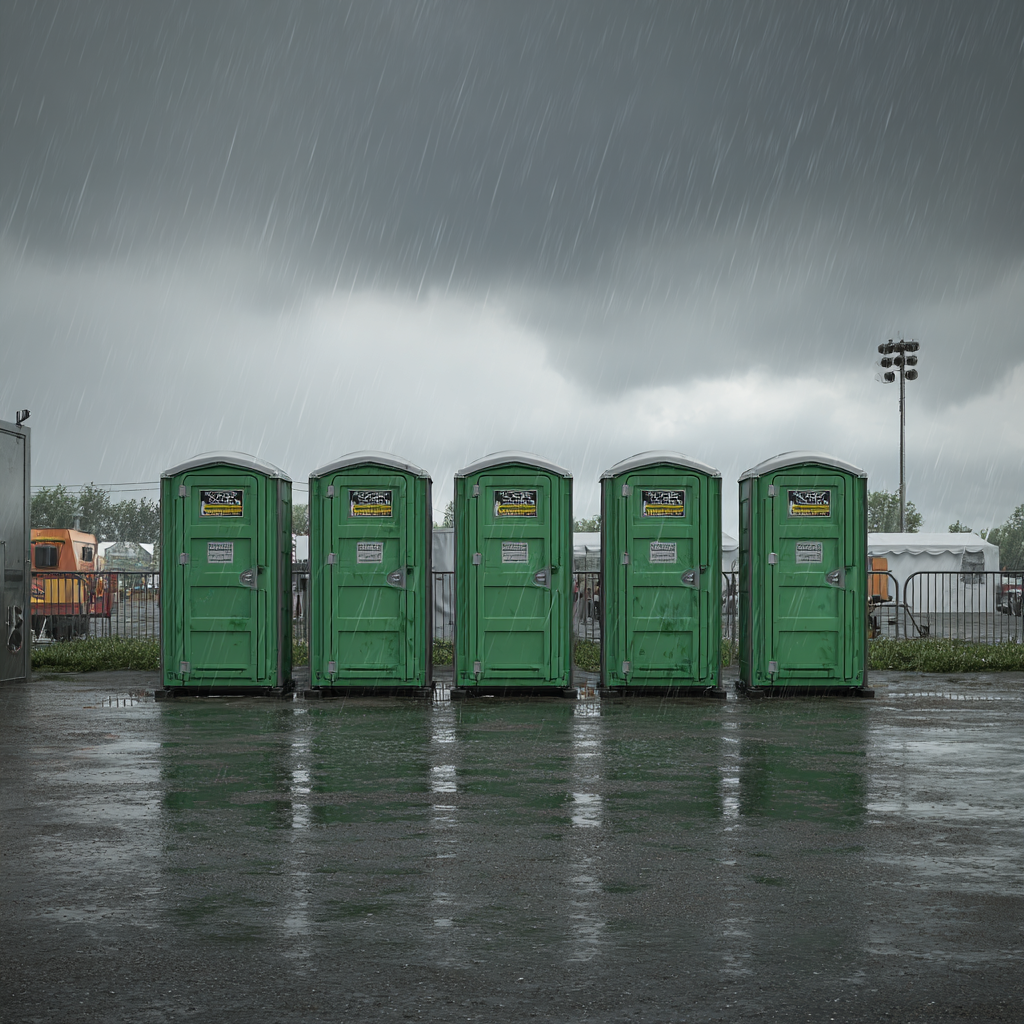
Looking beyond the immediate calendar year reveals patterns that will shape mobile sanitation for years to come. Your potty planning must account for more than just next year’s dates.
True preparedness means building strategies that withstand regulatory shifts and unpredictable weather. We are entering an era where flexibility is the new essential.
Workplace regulations continue to evolve, raising standards for on-site facilities.
Expect stricter requirements for worker conditions in the coming years. This impacts minimum standards for temporary restrooms on construction sites.
Urban development creates sustained demand before permanent infrastructure arrives. This offers opportunities for long-term partnerships across multiple project phases.
Outdoor recreation’s growing popularity also fuels steady growth. Parks, trails, and campgrounds need reliable portable sanitation solutions for increasingly active populations.
Rigid contracts with fixed dates create major problems when weather disrupts schedules. Unexpected rain, heat waves, and storms can extend project timelines for weeks.
Your planning 2026 strategy should include flexible agreements as a core component. Negotiate weather contingency clauses before projects even start.
This ensures you can adjust service schedules and pickup dates without penalty. It also helps manage budget contingencies for weather-related extensions.
Building strong provider relationships gives you priority access during inventory shortages. This forward-thinking approach turns potential crises into manageable situations.
Success requires understanding seasonal patterns, selecting appropriate units for specific applications, and booking well ahead of peak demand periods.
Ready to master porta potty rental planning for 2026? Prime Dumpster provides expert guidance on seasonal booking strategies, unit selection, service scheduling, and cost management tailored to your industry and location. Contact us to develop your comprehensive 2026 portable sanitation strategy.
If you are looking for 2026 East Coast Porta Potty Rental Trends to Watch, Click Here


