Mon - Sat 7:00 am to 7:00 pm


Mon - Sat 7:00 am to 7:00 pm
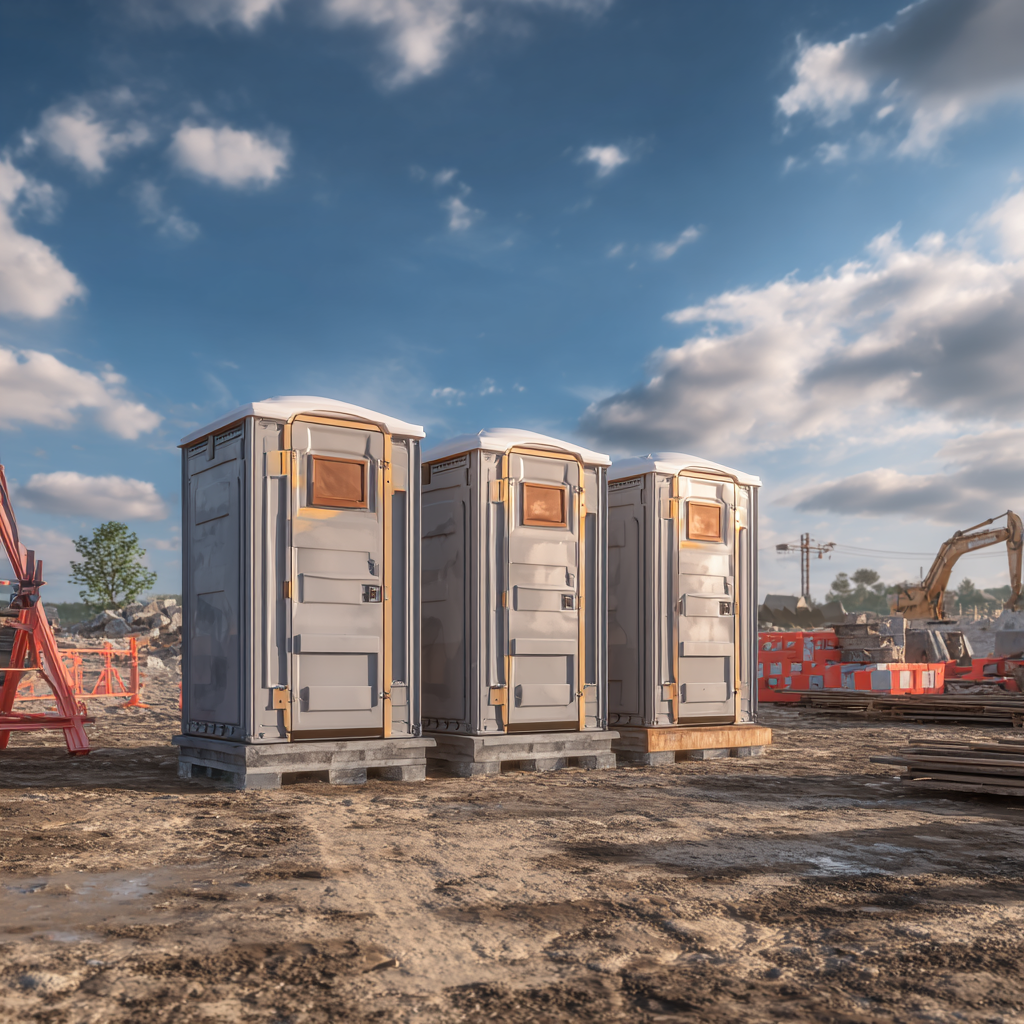
Planning porta potty rentals by season in 2026 means understanding how weather and demand patterns affect availability throughout the year.
At Prime Dumpster, our guide covers seasonal strategies for porta potty rentals by season in 2026. Learn when to book, which units handle weather extremes, and how service frequencies should adjust as temperatures change.
We asked the Prime Dumpster Pros for their expert guidance on seasonal planning strategies for portable toilet rentals throughout the year.
“Summer is the busiest season because weddings, festivals, and construction projects all peak simultaneously between May and September. Book your units 6 to 8 weeks ahead of your event date or project start to secure inventory before it’s gone, and be prepared to pay premium pricing during June through August when demand hits its highest point. Heat also accelerates waste decomposition, so plan for twice-weekly service instead of standard weekly visits when temperatures consistently stay above 85 degrees.”
“Winter requires freeze-protected units with antifreeze solutions in holding tanks and special winterized chemicals that work in cold temperatures below 32 degrees. Standard units will freeze solid and become unusable during cold snaps, so confirm your provider includes winterization as part of their service rather than charging extra fees. Availability actually improves in winter since event season ends, giving construction projects better selection and negotiating power on monthly rates.”
“Spring offers the sweet spot between winter’s limited construction activity and summer’s inventory crunch, giving you better availability and more flexible booking windows than peak season. Construction projects breaking ground in April and May can often book units just 2 to 3 weeks ahead instead of the 6 to 8 weeks summer requires. Weather becomes more predictable than winter, reducing service delays from storms, but you still avoid the extreme heat that drives up servicing costs during summer months.”
“Fall creates interesting dynamics because construction projects rush to finish before winter while outdoor event season winds down after Labor Day. This means better unit availability for events like fall festivals and corporate gatherings, plus stronger negotiating leverage on pricing since companies want to keep equipment working instead of sitting idle. September and October offer ideal conditions with moderate temperatures that reduce servicing frequency needs and weather stability that prevents the delays you see in spring rainy seasons.”
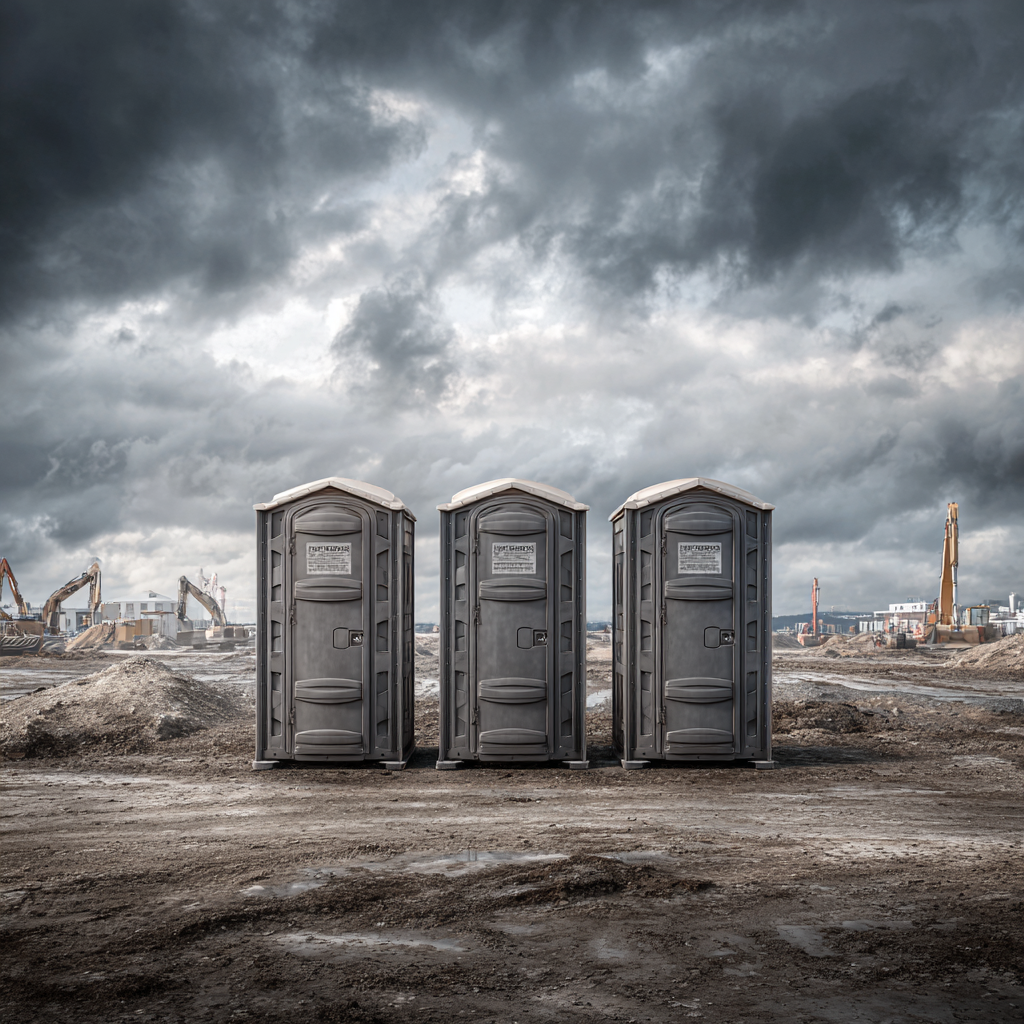
Seasonal shifts create a predictable pattern that savvy professionals can use to their advantage. The demand for portable restrooms follows nature’s calendar and industry schedules.
Hot summer days mean more frequent restroom visits at outdoor events. Spring rains turn construction sites muddy, requiring stable unit placement.
Cold weather brings unique challenges. Winter demands freeze-protected units and more frequent service to prevent line freezing. Weather patterns directly impact how often facilities get used.
Summer dominates the event calendar with weddings and festivals competing for inventory. Spring sees construction projects waking from winter dormancy.
Fall offers a planning sweet spot. Construction pushes to finish before winter while event season winds down. This balance gives you better selection and negotiating power.
Plan your reservations six to eight weeks ahead during peak seasons. Off-peak bookings provide more flexibility and often better pricing for your rentals.
When it comes to temporary restroom facilities, understanding the different unit categories helps you make informed decisions. Each type serves distinct purposes and user groups.
Standard portable toilets provide essential sanitation at an affordable price point. They typically include a toilet, urinal, toilet paper dispenser, and hand sanitizer station. These compact units work well for construction sites and casual events.
Deluxe models elevate the experience with upgraded features. You’ll find foot-pedal flushing systems and integrated handwashing sinks with running water. Better ventilation and improved interiors make these units more comfortable.
ADA-compliant options ensure accessibility compliance with wheelchair-accessible designs. They offer spacious interiors, grab bars, and ground-level access. Federal regulations require one accessible unit for every twenty standard portable toilets.
Your selection depends on the event type and audience expectations. Construction crews typically need basic standard units for cost efficiency. Corporate events and weddings often justify deluxe models for enhanced guest comfort.
Consider seasonal factors too. Deluxe units with handwashing stations become more valuable during flu season or summer heat. Always include ADA-accessible options to meet legal requirements and serve all users properly.
Keeping temporary facilities clean and functional isn’t just about scheduling—it’s about anticipating user needs across different seasons. Your maintenance strategy should adapt as temperatures and usage patterns change throughout the year.
Standard weekly service works for construction sites, but summer heat accelerates waste accumulation. You’ll need more frequent cleanings during peak seasons.
High-traffic events demand aggressive servicing. A music festival might need mid-event attention while a corporate gathering could manage with pre- and post-event service only. Winter brings unique challenges with freezing temperatures that require special protocols.
Your rental agreement should clearly outline maintenance expectations. Look for tank emptying, supply restocking, deodorizing treatments, and basic repairs.
Emergency service availability becomes critical during multi-day events. Confirm your provider offers after-hours contact numbers for unexpected issues. During peak months, negotiate specific service windows to avoid delays.
Always inspect units after delivery and periodically throughout your rental. Document any issues promptly to ensure facilities remain functional when you need them most.
The math behind portable sanitation varies dramatically between construction zones and celebration venues. Construction managers and event planners face different challenges when calculating their needs.
Construction sites follow a straightforward formula. You need one unit for every eight workers. This ratio works for both small residential projects and large commercial developments.
Event planning requires more nuanced calculations. The duration and activities greatly influence your count. Standard guidelines suggest one facility per 50 guests for four-hour events.
Alcohol service changes everything. Beverage consumption increases restroom usage significantly. Plan for 10-20% more units when serving drinks.
| Scenario | Base Ratio | Duration Factor | Special Considerations |
| Construction Sites | 1 unit per 8 workers | Consistent daily | Add units for summer heat |
| Weddings | 1 unit per 75 guests | Add for longer events | Extra units for full meals |
| Festivals | 1 unit per 50 guests | Add per 4 hours | Strategic placement crucial |
| Corporate Events | 1 unit per 50 guests | Standard 4-hour base | Consider deluxe models |
Site logistics matter too. Consider walking distance and terrain when placing units. Avoid bottlenecks by spreading facilities throughout your site.
Seasonal factors influence these calculations. Summer heat and beverage service at construction sites might justify extra units. Keep your crew productive and comfortable.
Successful portable restroom management starts with a clear assessment of what your project truly requires. We’ll walk you through the smart strategies that separate savvy buyers from those who end up paying premium prices.
Start by calculating the right number of units using industry standards. Construction sites typically need one facility per eight workers. Events follow different ratios based on guest count and duration.
Your site evaluation matters just as much as your unit count. Check truck access routes and ground stability for placement. Consider walking distances and local regulations about placement near property lines.
Budget planning should account for base rental costs plus potential extras. These might include handwashing stations, extra servicing, or difficult access fees. Getting a detailed quote helps avoid surprises.
Booking six to eight weeks ahead makes a huge difference during peak seasons. This timing helps you secure the right equipment and avoid premium pricing when competition intensifies.
Understand the different rental structures to maximize value. Event rentals often use three-day periods covering setup, execution, and cleanup. Construction projects typically operate on 28-day billing cycles for predictable monthly costs.
Match your rental period to actual needs without paying for unnecessary days. A spring construction project might need monthly cycles, while a summer festival requires just a three-day window.
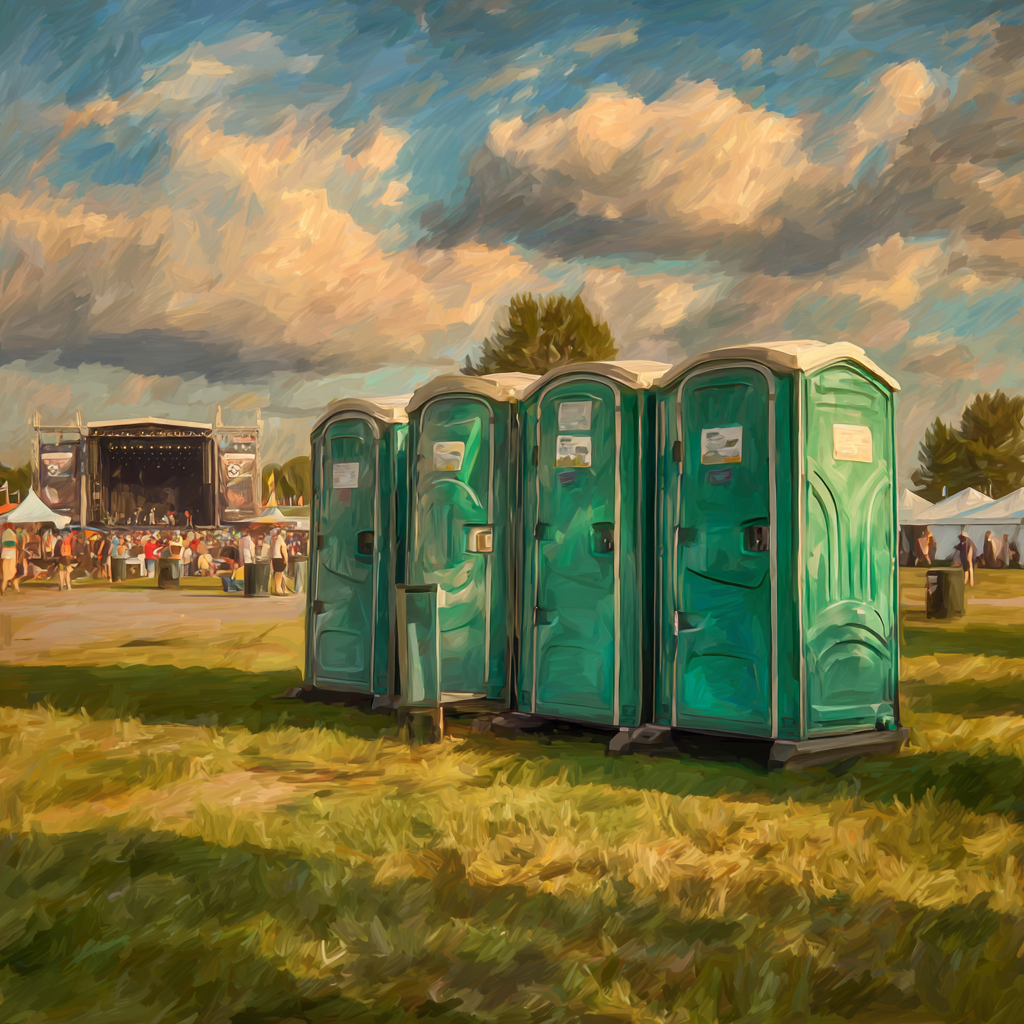
Beyond the basic options, there are specialized units designed for specific logistical challenges. These solutions address unique site conditions that standard portable toilets can’t handle effectively.
Towable restroom facilities offer mobility advantages. They mount on trailer frames for easy relocation across large sites. This eliminates separate delivery and pickup scheduling.
Crane-lift units serve high-rise construction projects. They feature reinforced structures and lifting points for helicopter or crane placement. These units reach upper floors and remote locations.
Solar-powered options provide off-grid functionality. Photovoltaic panels run ventilation fans and interior lighting. They work well for remote events without electrical access.
| Unit Type | Primary Use Case | Key Features | Seasonal Considerations |
| Towable | Large sites requiring mobility | Trailer-mounted, easy relocation | Ideal for shoulder season flexibility |
| Crane Unit | High-rise construction | Reinforced structure, lifting points | Year-round availability needed |
| Solar Powered | Remote locations without power | Photovoltaic panels, off-grid operation | Best in summer, limited winter efficiency |
Specialized units cost more than standard options. The premium pricing often justifies itself when site logistics prevent conventional placement. Plan further ahead since rental companies maintain smaller inventories of these specialty types.
Smart budgeting transforms portable restroom expenses from unpredictable costs to manageable investments. Your financial planning should sync with seasonal patterns to maximize value.
Your location affects your budget. Urban areas with multiple companies often offer better pricing than remote locations.
Seasonal demand creates predictable fluctuations. You’ll pay premium rates during peak seasons but can negotiate better deals in slower months.
Consider these cost factors:
Luxury trailers represent the high end and make sense for upscale events where guest experience matters.
Successful porta potty rentals by season in 2026 start with early booking during peak periods and weather-appropriate unit selection. Summer requires 6-8 week advance reservations. Winter demands freeze-protected models. Service frequencies should increase during hot weather and decrease in cooler months.
Need expert guidance on porta potty rentals by season in 2026? Prime Dumpster provides weather-appropriate units and flexible seasonal scheduling. Contact us today to plan your year-round portable sanitation strategy.
If you are looking for Who is Renting Porta Potties in 2026?, Click Here


