Mon - Sat 7:00 am to 7:00 pm


Mon - Sat 7:00 am to 7:00 pm

Campus construction projects don’t pause for midterms, and football Saturdays bring tens of thousands of visitors who need facilities now. Smart planning for porta potty rentals for colleges in 2026 means anticipating the unique rhythms of academic calendars, athletic schedules, and construction timelines that create intense weekend demand spikes unlike any other industry.
Strategic porta potty rentals for colleges in 2026 require balancing student move-in chaos, homecoming weekends, graduation ceremonies, and year-round renovation projects. This guide from Prime Dumpster breaks down how universities navigate seasonal peaks, coordinate with multiple contractors, and maintain sufficient facilities throughout the year.
Understanding these academic calendar patterns ensures your campus maintains adequate portable sanitation through predictable seasonal demand cycles.
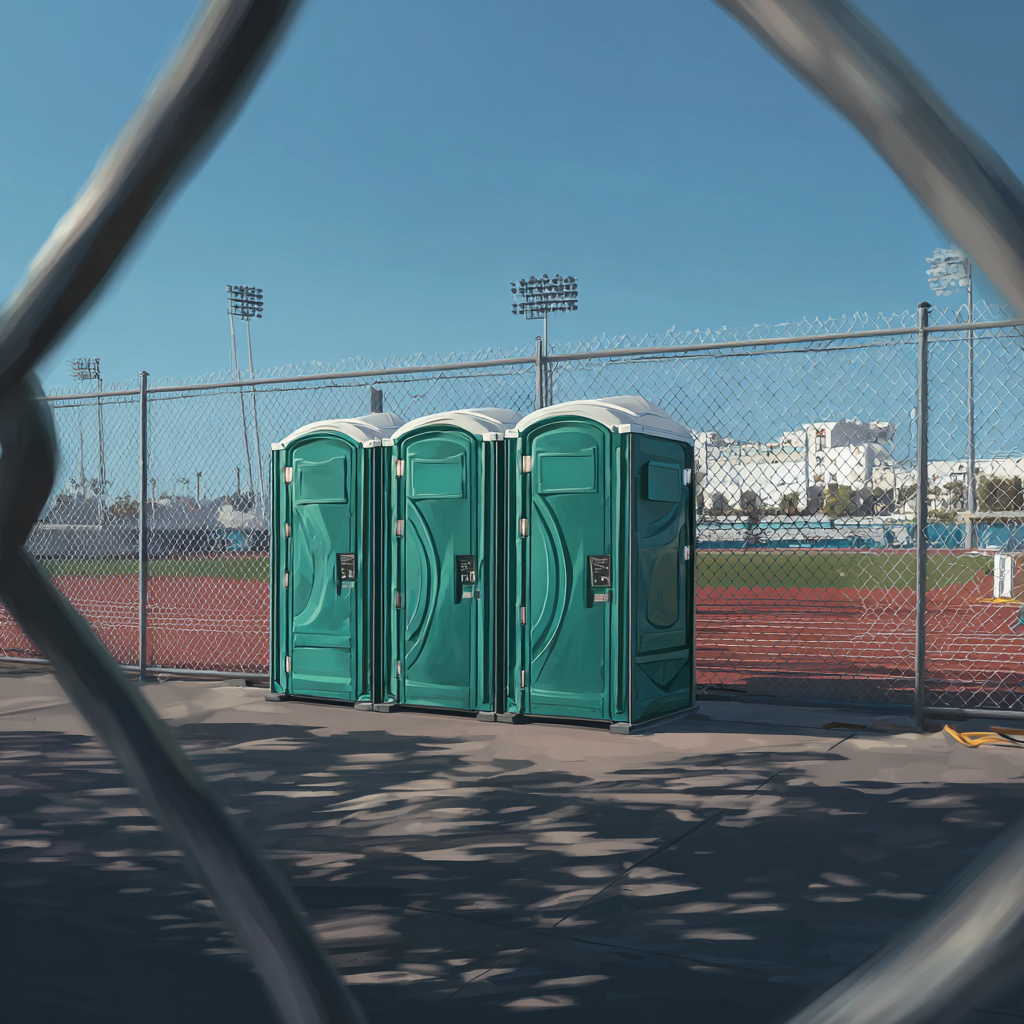
When temporary facilities meet academic environments, careful assessment becomes essential. University campuses operate like small cities with unique rhythms and requirements.
You need to think beyond basic job site logistics. Student populations, academic calendars, and campus aesthetics all influence your planning.
Construction projects follow OSHA guidelines that mandate specific toilet-to-worker ratios. For crews up to 20 people, you need one portable toilet. Larger teams require additional units with proper seating arrangements.
Campus events create different demands. Orientations, sports games, and graduation ceremonies generate sudden bathroom traffic spikes. These situations need higher unit counts to prevent frustrating lines.
Move-in weekends can triple campus populations overnight. Your restroom planning must accommodate these temporary surges effectively.
University settings present obstacles you won’t find on typical construction sites. Pedestrian traffic limits placement options. Utility lines and landscaping restrictions further complicate positioning.
ADA compliance is non-negotiable in academic environments. Accessible units must serve all areas appropriately. Campus communities also expect cleaner, more presentable facilities than standard job sites.
| Requirement Type | Construction Projects | Campus Events | Key Considerations |
| Unit Quantity | Based on crew size (OSHA ratios) | Based on attendee numbers | Events need extra capacity for peaks |
| Placement Options | Limited by site safety | Limited by pedestrian flow | Both require strategic positioning |
| Accessibility Needs | ADA units for crew compliance | ADA units for public access | Essential for both scenarios |
| Service Frequency | Weekly maintenance typical | Daily service during events | Events demand more frequent cleaning |
| Aesthetic Concerns | Basic units often acceptable | Enhanced units preferred | Campus visibility affects choices |
Mastering the academic calendar is your secret weapon for effective temporary restroom planning. University schedules create predictable demand spikes that require advance coordination.
You need to think seasonally rather than just project-by-project. Summer construction windows, student move-in periods, and event seasons each have unique timing requirements.
Late August through early September brings the year’s biggest sanitation challenge. Campus populations can triple during move-in weekends.
Secure your rental commitments at least three months ahead. January spring semester arrivals create a smaller but significant second wave.
Move-out periods in May and December generate similar temporary population increases. These shorter events still require strategic unit placement.
Summer months offer ideal construction windows but intense competition for resources. Contractors across your region tackle similar seasonal work.
Book your units months in advance to guarantee availability. Academic year construction sites need longer rental periods with consistent weekly service.
Spring events season from March through May brings graduation ceremonies and campus festivals. These compete for available inventory with construction needs.
Winter break provides another construction opportunity. Cold weather may affect unit functionality in northern regions though.
Smart planning separates successful campus projects from logistical nightmares. Let’s break down the essential steps.
Lock in your rental agreement the moment your annual calendar is set. Early booking secures the best units and prices. Don’t put it off.
Partner with several local vendors. This gives you options when demand is high. Relying on just one company is risky.
Build a master schedule. Map out all projects, events, and student move-in dates. This helps you spot busy periods where needs will spike.
Always order extra capacity. It is better to have a few unused units than long, frustrating lines. Underestimating usage causes big problems.
Match cleaning service to how people actually use the facilities. A standard weekly schedule might not be enough for a busy graduation weekend.
| Planning Action | For Construction Sites | For Campus Events | Pro Tip |
| Booking Timeline | Months before project start | Immediately after event date is set | Early action prevents last-minute shortages. |
| Vendor Strategy | Build relationships with 2-3 providers | Same as construction; have backups | Multiple contacts ensure availability. |
| Capacity Planning | Order 10-15% above minimum estimate | Order 20-25% above minimum estimate | Extra portable toilet units are cheap insurance. |
| Service Frequency | Increase during peak crew hours | Daily service during multi-day events | Tailor the service schedule to user traffic. |
Walk the site beforehand. Pick level spots with easy truck access. Keep units away from buried utilities.
Think about delivery timing and safety. Schedule drop-offs to avoid interfering with other activities. Add lighting for units used at night.
Finally, get everything in writing. Document dates, quantities, and locations. Clear paperwork keeps your project on track.
The right portable restroom can make or break your campus project’s success. With so many models available, your choice impacts user comfort, project efficiency, and even the campus’s appearance.
We will break down the main categories to help you match the unit type to the task. Think about the user experience for each scenario.
Basic standard units are your workhorses. They are cost-effective for long-term construction sites where meeting basic needs is the goal.
Upgrade to deluxe models for areas with more foot traffic. These often include handwash stations or sinks. This is a smart move for projects near dorms or classrooms.
Flushable portable toilets offer a more familiar experience. A foot pedal activates the flushing mechanism. This feature is excellent for events where guest comfort is a priority.
ADA-compliant units are a must. They provide necessary space for wheelchair users and others needing assistance. These are not just about rules; they are about inclusion.
For unique challenges, consider specialized options.
Selecting the right mix ensures every need on your campus is met appropriately.
Compliance isn’t just about checking boxes—it’s about creating safe, accessible environments for everyone on campus. Federal regulations provide clear roadmaps for proper facility planning.
OSHA mandates specific ratios based on crew size. For up to 20 workers, you need one portable toilet. Larger crews require additional units with proper seating arrangements.
ADA standards ensure wheelchair accessibility throughout your job site. These units must be strategically placed, not clustered together. Clear 36-inch wide paths are essential for approach and entry.
Weekly service represents the minimum standard for most construction sites. Higher usage demands more frequent cleaning to maintain sanitary conditions.
Document everything—photograph unit placement, keep service records, and maintain crew logs. This proves compliance if questions arise during inspections.
| Regulation Type | Primary Focus | Key Requirements | Enforcement Impact |
| OSHA Standards | Worker health and safety | Ratios based on crew size (1 unit per 20 workers) | Fines and work stoppages for violations |
| ADA Compliance | Universal accessibility | Accessible units with clear 36-inch approach paths | Legal liability and campus policy violations |
| Sanitation Maintenance | Hygiene and functionality | Weekly minimum service, increased for high usage | Health code violations and user complaints |
| Campus Policies | Institution-specific rules | Additional local requirements beyond federal standards | Project approval and facility access issues |
Always check with your campus facilities department. They often have specific policies that go beyond federal requirements. Proper planning prevents compliance headaches down the road.
Even the best-planned sanitation strategy can fail without proper attention to delivery logistics and service coordination. Getting units where they need to be and keeping them clean requires campus-specific planning.
Work closely with your campus facilities team to schedule deliveries during low-traffic periods. Early mornings between semesters or during summer breaks work best.
Mark exact placement spots beforehand using spray paint or stakes. This prevents confusion when the service truck arrives. Always confirm water access for hand washing stations in dry locations.
Build buffer time into your schedule. Weather or vendor issues can sometimes delay service by a day.
Establish predictable weekly service patterns. Same-day, same-time appointments help you plan around maintenance activities.
Increase cleaning frequency during hot weather. Higher temperatures require more attention to prevent odor complaints. Units near academic buildings need more frequent service than remote locations.
Keep a direct contact for urgent issues like tipped units or vandalism. For events, ensure units stay until all guests depart.
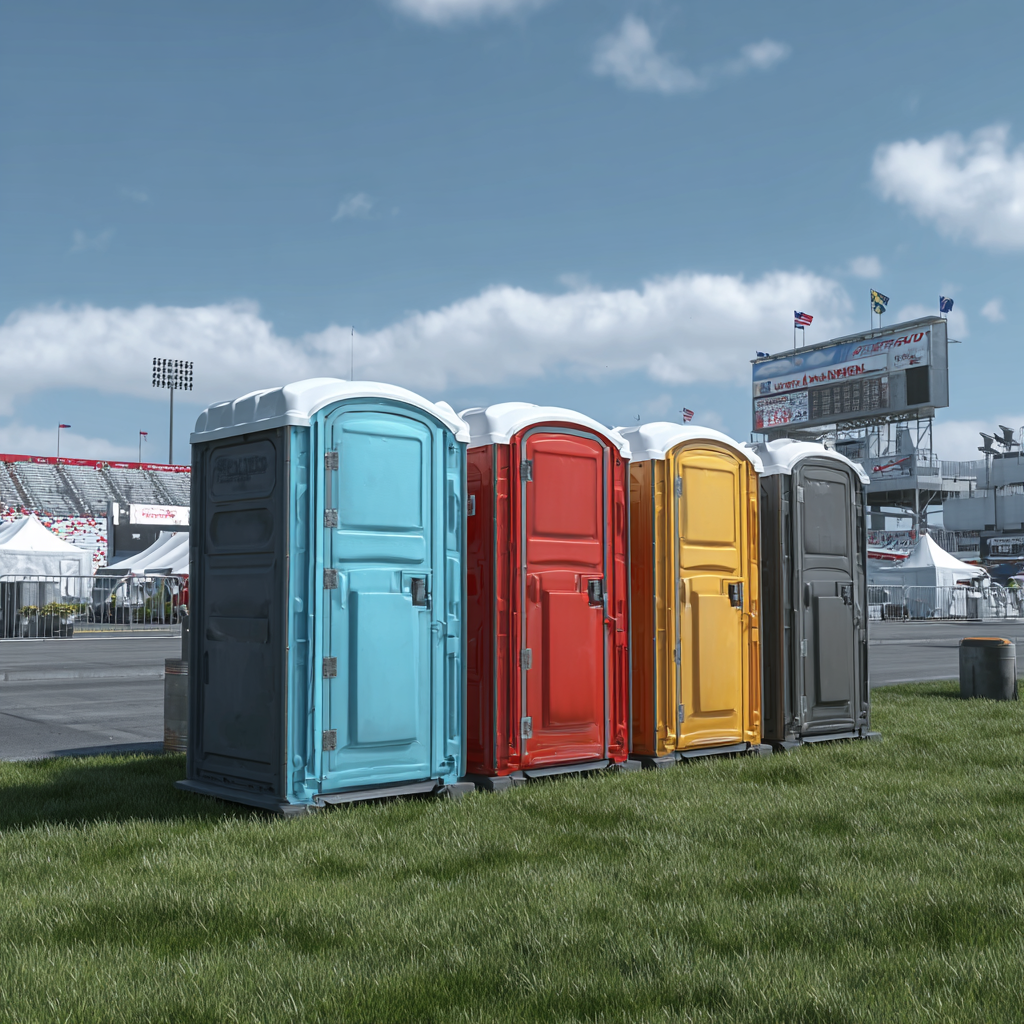
Mastering porta potty rentals for colleges in 2026 means coordinating around academic calendars that create predictable demand spikes during orientation, move-in, graduation, and major athletic events. Campus construction projects spanning semesters benefit from long-term rental arrangements. Weekend events require advance booking during peak fall football and spring commencement seasons.
Coordinate with facilities management, athletics departments, and construction contractors to avoid scheduling conflicts. Book 8-10 weeks ahead for major campus events when thousands of visitors overwhelm permanent facilities.
Ready to optimize porta potty rentals for colleges in 2026? Prime Dumpster provides campus-specific solutions with flexible semester arrangements, athletic event coordination, and construction site planning tailored to university timelines. Contact us to discuss your academic calendar and facility needs.
If you are looking for What Is a Portable Toilet | Everything You Need to Know, Click Here


