Mon - Sat 7:00 am to 7:00 pm


Mon - Sat 7:00 am to 7:00 pm
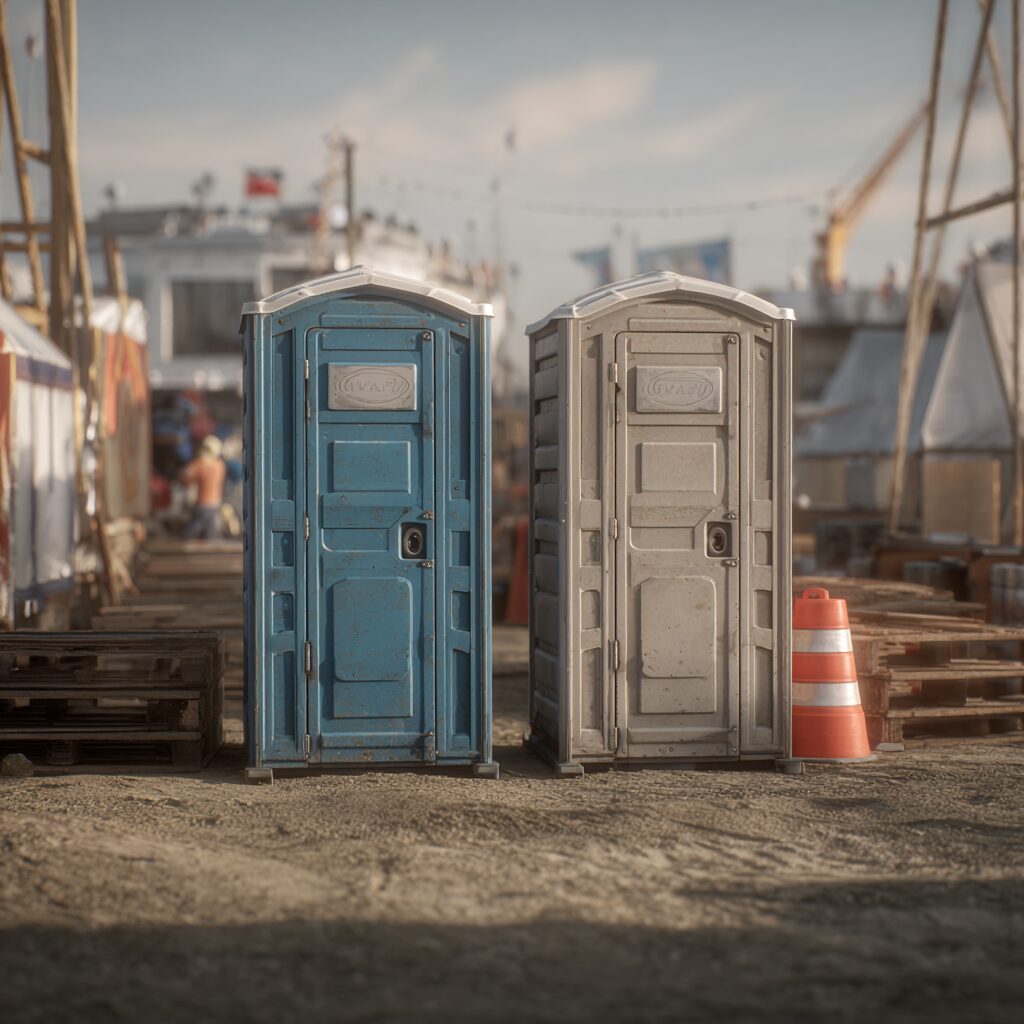
When deadlines are tight and crews are counting on you, reliable portable sanitation becomes as critical as having the right tools on site.
Whether you’re managing a small build or coordinating a large commercial development, understanding your local porta potty rental options helps you make informed decisions that protect both your budget and your project timeline.
At Prime Dumpster, we’ve coordinated portable sanitation for thousands of construction projects nationwide, from single-family renovations to major infrastructure developments. If you’re looking for porta potty rentals for construction sites near me, our comprehensive guide breaks down everything you need to know, including unit types, placement strategies, service expectations, and pricing factors that impact your bottom line.
We asked the experts on our team for help answering some of the most common questions we hear from clients. Here’s what the Prime Dumpster Pros have to say about local porta potty rentals for construction sites.
“OSHA requires one porta potty for every 20 workers on construction sites, but I always recommend starting with that baseline and adjusting based on your specific situation. If you’ve got long shifts, remote work areas, or phases where crews can’t easily leave their stations, you’ll want to add extra units to keep productivity high.”
“Standard porta potty rentals typically range from $199 to $349 for a 28-day construction rental, depending on your location and the type of unit you need. Deluxe models with handwashing stations run about $300 to $400, while restroom trailers can cost $1500 or more, but the investment often pays off in crew satisfaction and reduced downtime.”
“Most standard porta potties can be delivered within 24 to 48 hours if we have availability in your area. Restroom trailers or specialized units might need 3-5 days lead time, especially during busy construction seasons, so it’s always smart to book as early as possible.”
“OSHA mandates one toilet facility for every 20 employees, and they must be located within a quarter-mile of the work area or transported to the site daily. You’ll also need ADA-compliant units for workers with disabilities, and all facilities must be kept clean with adequate supplies like toilet paper and hand-cleaning materials.”
“Absolutely – placement can make or break your site efficiency and safety compliance. Keep units on stable, level ground away from excavations and crane swing paths, but close enough to work areas that crews don’t waste time walking long distances. Also make sure service trucks can access them easily for regular maintenance.”
“Start by searching online for ‘construction porta potty rentals’ plus your city or zip code, then call a few companies to compare availability, pricing, and service areas. Look for providers with good reviews, proper insurance, and experience with construction sites – not just event rentals. The best companies will ask detailed questions about your project timeline, crew size, and site access to give you an accurate quote and service plan.”
“Construction porta potty rentals typically run for 28-day periods, which works perfectly for most job phases and keeps your monthly costs predictable. Another common rental option is a three-day rental, often called a weekend rental. Most contractors find the monthly option gives them flexibility to adjust quantities as their crew size changes throughout different construction phases.”
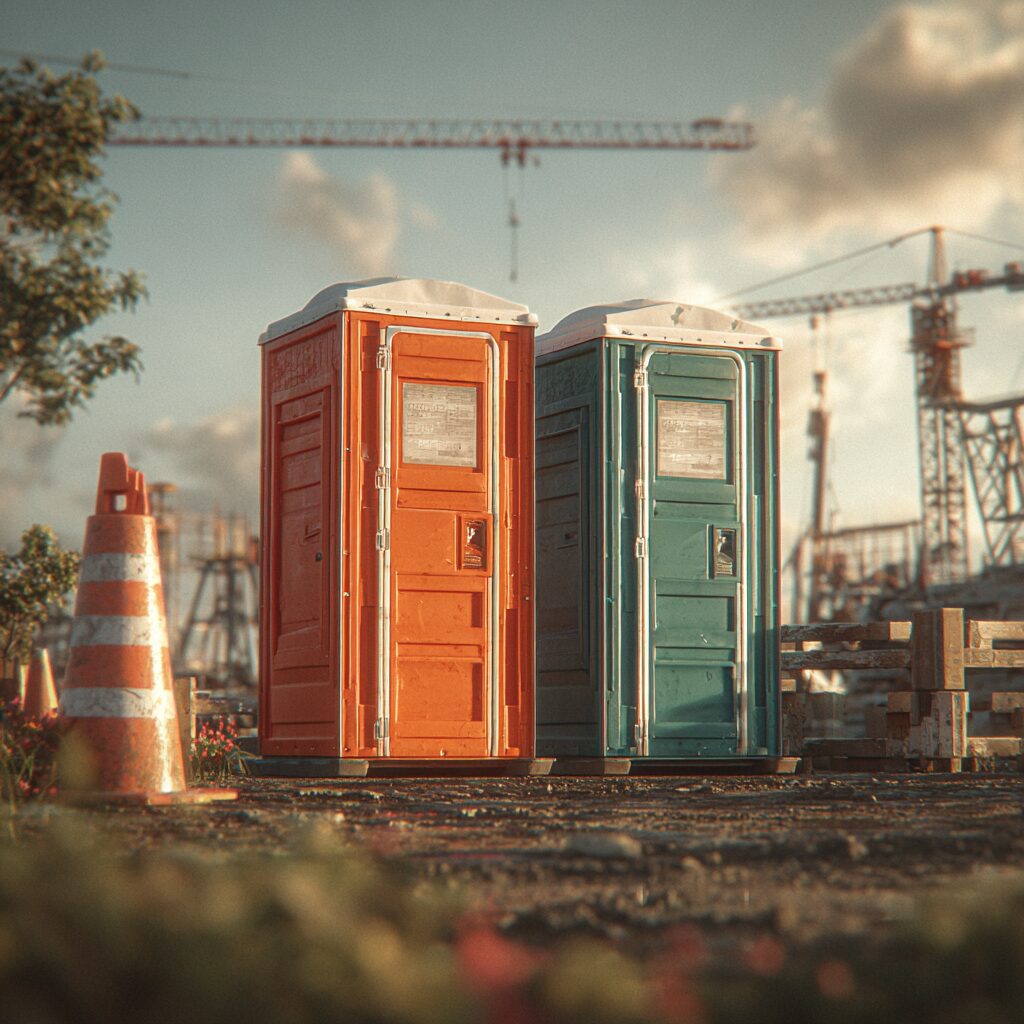
A well-run jobsite depends on predictable restroom service that matches your schedule. Today’s portable restrooms give you real choices. You can pick rugged, no-frills units or more comfortable options when the work gets long or clients visit.
Standard free-standing toilets handle daily crew needs. Premium and flushable models add comfort without a big budget hit. Restroom trailers bring sinks and multiple stalls, which helps during large pours, night shifts, or punch-list work when throughput matters.
Service frequency matters. Regular pumping, restock, and sanitizing keep crews happy and reduce lost time. Reputable companies run defined service areas so trucks arrive on predictable windows. Trained technicians use hospital-grade disinfectants and handle delivery, pumping, and cleaning.
Bottom line: pick equipment and a service plan that fit the phase, crew size, and site access. You want simple, clean restrooms your crews and customers can count on—no babysitting required.
Pick the right unit mix and you keep crews moving and inspections painless. Below, we break down common options, where each shines, and what you should expect on active work zones.
These compact porta potty units are rugged and quick to place. At about 3 by 7 feet, they fit tight spots, stand up to rough ground, and include toilet paper and sometimes hand gel.
Deluxe models add onboard handwashing. They help when standalone sinks are hard to stage or workers handle adhesives and finishes.
Flushable toilets give a more bathroom-like feel with freshwater and enclosed waste. Use them near trailers or client entrances to boost comfort during long days or walkthroughs.
Accessible units offer wider doors, ground-level access, grab bars, and maneuvering clearances. They reduce barriers for crew members with gear and meet regulatory requirements.
Trailers deliver multiple stalls and sinks. They improve throughput on big pours or high-traffic phases. Some need power and level ground, though many models carry their own water tanks.
| Type | Best use | Site needs | Notes |
| Standard porta potty | Tight turns, short phases | No hookups, quick placement | Compact, durable, basic supplies |
| Deluxe with sink | Finish work, adhesive tasks | Higher traffic, hygiene focus | Onboard handwash reduces cross-contamination |
| Deluxe flushable | Client areas, long shifts | May need wastewater handling | More comfort and privacy |
| Restroom trailers | Large crews, events | Power or onboard water, level pad | Multiple stalls and sinks raise throughput |
Durable equipment and service-friendly designs speed pump-outs. We recommend pairing a few standard units with a trailer or a deluxe flushable near the main entrance to keep lines short and impressions strong.
Put units where they help crews, not where they cause work stoppages. Good placement reduces walk time, protects equipment, and makes service visits smooth. A little planning up front saves time and keeps everyone happier on site.
Choose firm, level ground to prevent tipping and to let trucks reach units without tearing up the area. Avoid low spots that flood after rain.
Keep a safe setback from excavations, crane swing paths, and staging lanes. That prevents deliveries from getting blocked and keeps units serviceable.
Group toilets near crew hubs like the job trailer or tool crib, and add satellite units near distant work zones to cut walk time. Face doors away from live traffic and prevailing winds to protect privacy and reduce debris entry.
Mark clear service truck routes on your logistics map so crews and drivers know which lanes must stay open during deliveries and pump-outs.
Confirm electrical access if you plan to use restroom trailers that need power. Many trailers run on onboard water, but slope matters for wastewater flow.
Use temporary mats on soft soils to protect equipment and boots. Place sink-equipped units near food areas and messy tasks to boost sanitation and compliance. Revisit placement after regrading or phase changes so your layout keeps working as the site evolves.
| Ground type | Recommended unit | Service note |
| Firm, level | Trailers or deluxe units | Easy truck access; check power |
| Soft or uneven | Free-standing single stalls | Use mats and level pads |
| Near high traffic | Clustered units | Face doors away from lanes; add lighting |
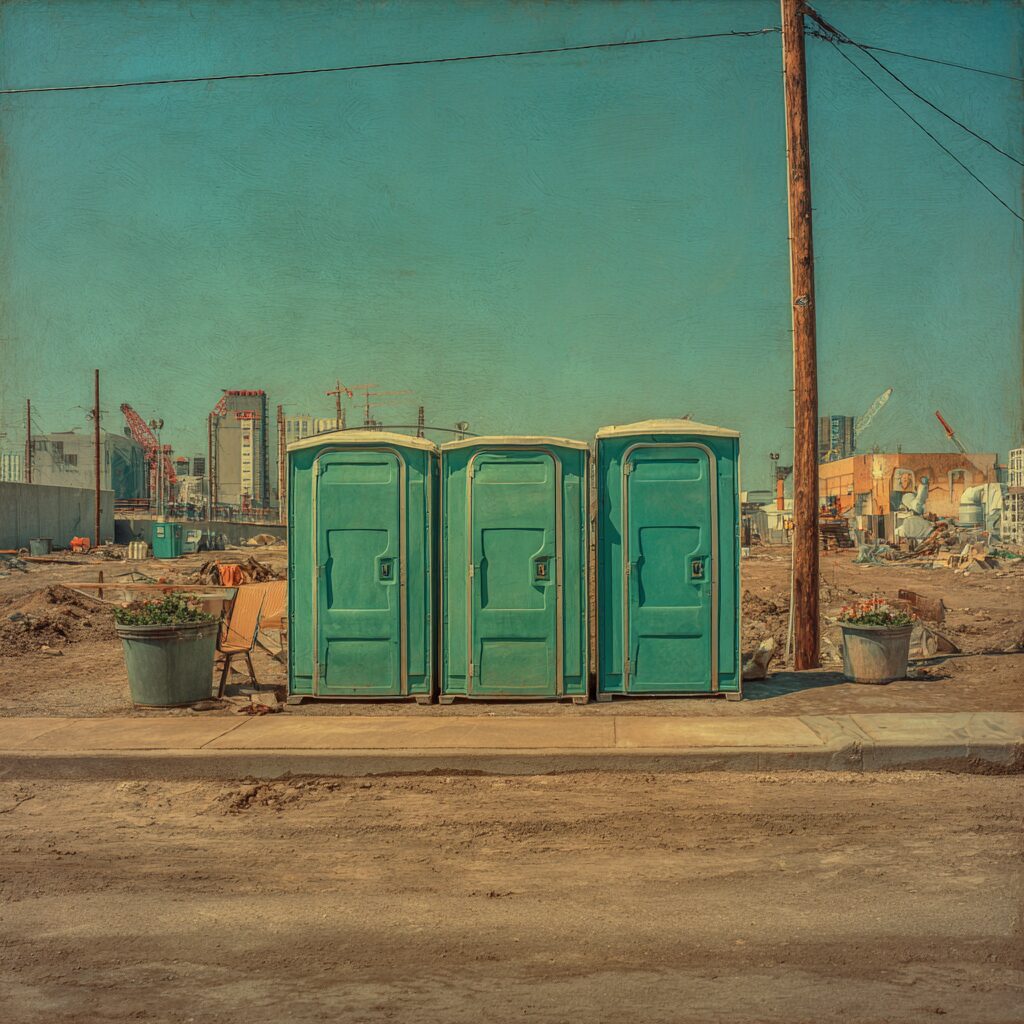
A smooth delivery and pickup process keeps crews focused and schedules intact. We lay out the workflow so you can lock in on-time drops, routine upkeep, and a clean haul-off at project close.
Share a simple site map before the first truck arrives. Mark staging zones, gates, and areas to avoid so units sit where they won’t block mobilizations or laydown areas.
Confirm truck access and hours. Tell drivers about low bridges, tight turns, or locked gates. That prevents delays and keeps your day flowing.
Expect routine visits that pump tanks, restock paper and hand gel, and sanitize high-touch surfaces with hospital-grade cleaners. Regular service keeps toilets usable and reduces complaints.
Set a cadence that matches crew size and shift length. Communicate phase changes early so units move as work shifts from foundation to finish.
Schedule final cleaning and a coordinated haul-off with your project end date. Trained crews perform a last sanitation sweep and remove equipment so you can turn over areas on time.
During punch list, review any damage or relocation needs. Keep a contact method handy for quick add-ons or extra service after weather or overtime pushes.
| Step | What the company does | What you should do |
| Delivery | Place equipment per map | Provide clear staging and gate info |
| Service | Pump, restock, sanitize | Confirm cadence and report moves |
| Pickup | Final cleaning and haul-off | Review site and schedule removal |
Good customer service shows up as on-time trucks, stocked supplies, and clear updates your superintendent can count on. The right process saves your crew dozens of micro-delays each day.
Successful construction projects require more than skilled trades and quality materials—they demand reliable portable sanitation that keeps crews productive and compliant with safety regulations.
Prime Dumpster combines local expertise with consistent service quality, ensuring your construction sites receive the portable restroom solutions that keep projects on schedule and within budget. Our team understands the unique demands of construction environments and coordinates deliveries, maintenance, and pickup around your project timeline.
When you’re searching for porta potty rentals for construction sites near me, we’re here to help. Contact our team to learn more about how our porta potty facilitation services help eliminate logistical headaches while ensuring your crews have access to clean, reliable facilities throughout every phase of your project.
If you are looking for Fall Wedding Porta Potty Rental Guide, Click Here


