Mon - Sat 7:00 am to 7:00 pm


Mon - Sat 7:00 am to 7:00 pm
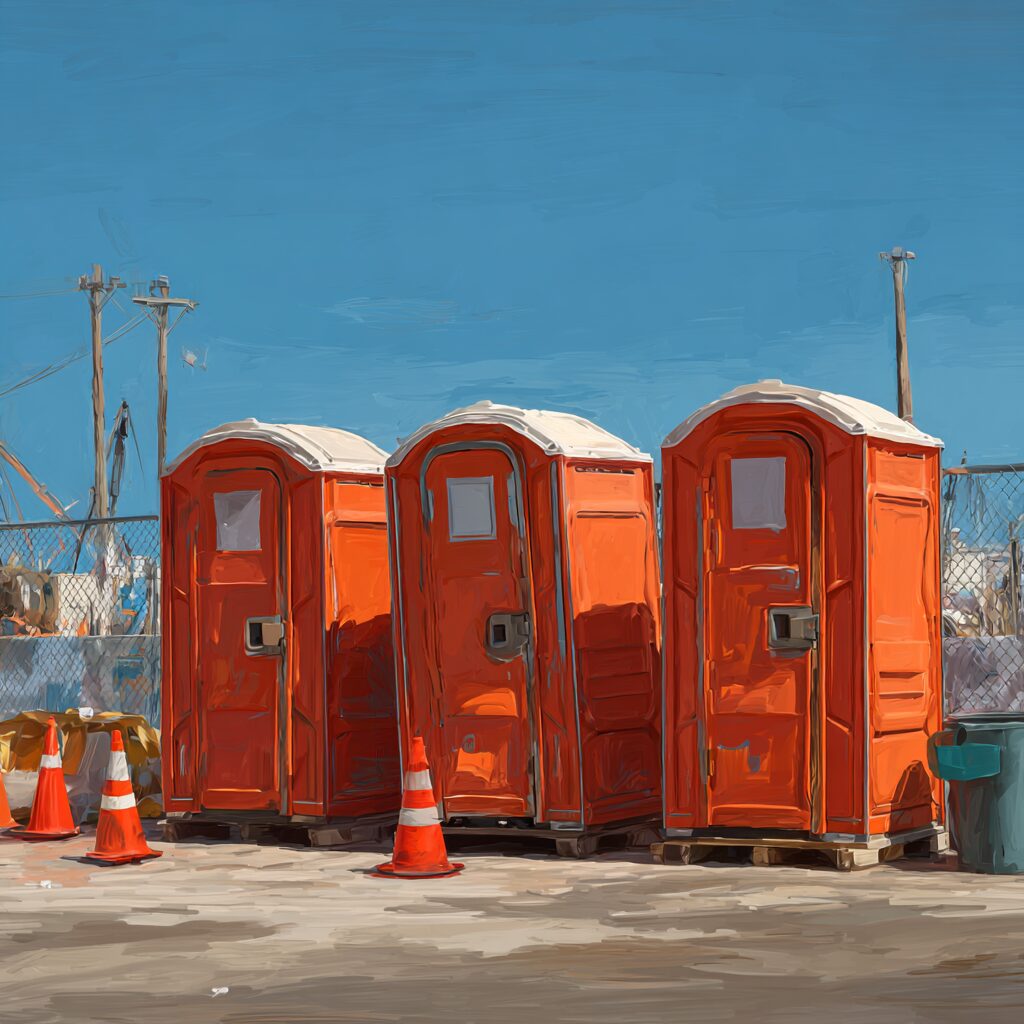
When summer temperatures hit triple digits, portable restrooms transform from basic facilities into potential health hazards that demand immediate attention.
Learning porta potty safety tips for extreme heat becomes essential for construction managers and event organizers who need to protect workers and attendees from dangerous conditions that breed bacteria and create unsafe environments.
At Prime Dumpster, we’ve developed comprehensive porta potty safety tips for extreme heat through years of coordinating sanitation solutions across the hottest regions nationwide, helping teams maintain safe facilities when temperatures soar.
Our guide reveals proven strategies for heat management, strategic placement, and enhanced maintenance protocols that keep portable restrooms functional and safe during the most challenging summer conditions.
Construction managers and event organizers need proven strategies to maintain safe portable sanitation when summer temperatures create dangerous conditions inside enclosed facilities.
☀️Temperature Control Through Strategic Placement: Position units in shaded areas and perpendicular to prevailing winds to reduce interior temperatures by up to 12°F, preventing dangerous heat buildup that creates health risks for users.
☀️Enhanced Maintenance Frequency: Double cleaning schedules during heatwaves from weekly to every 48 hours, as bacterial growth accelerates dramatically in temperatures above 95°F, multiplying every 20 minutes in hot conditions.
☀️Upgraded Ventilation Requirements: Select units with dual vents or cross-breeze designs rather than standard single-vent models, as improved airflow prevents dangerous fume concentration and reduces heat-related illness risks.
☀️Personal Safety Protocols: Encourage users to limit visits to under 90 seconds and schedule bathroom breaks before 10 AM or after 4 PM when units haven’t absorbed peak daytime heat for extended periods.
Now let’s explore the detailed strategies that help site managers master safe portable sanitation during extreme summer heat conditions.
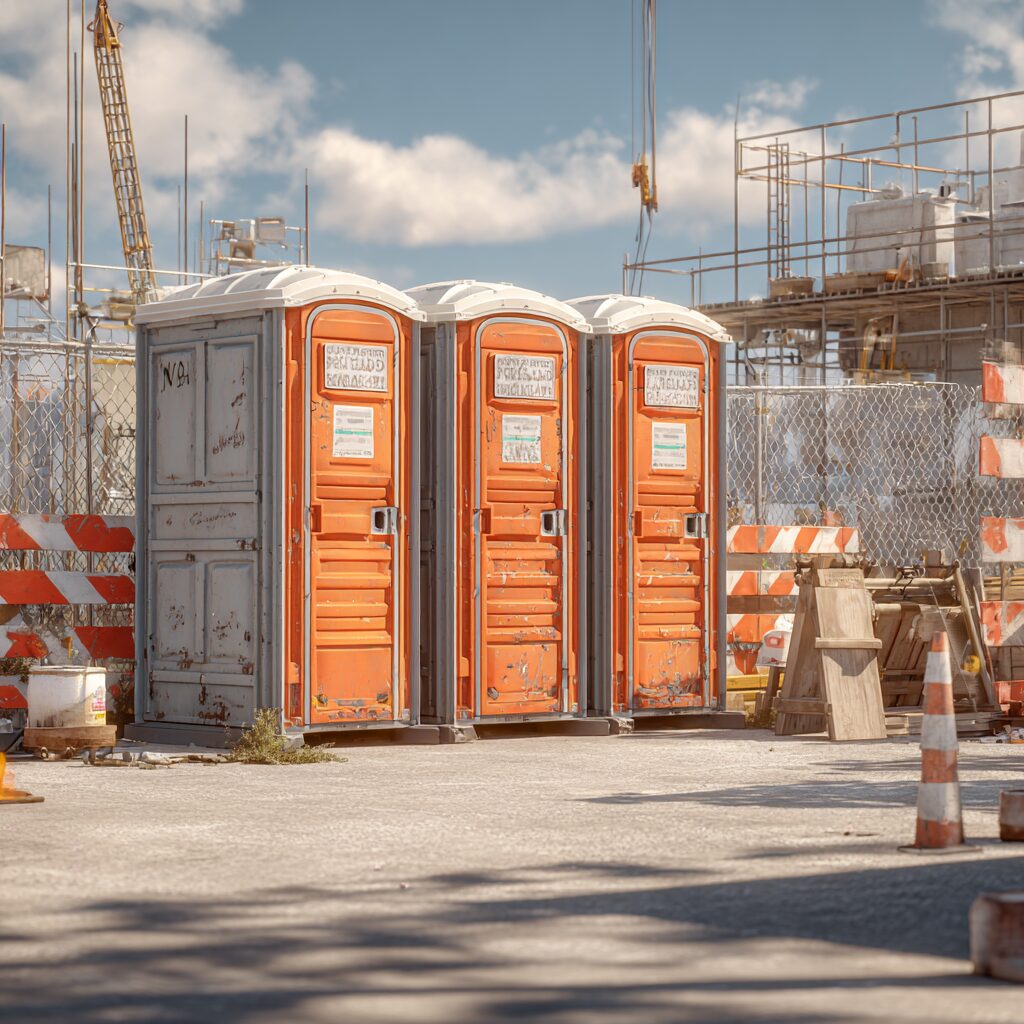
While many natural disasters can occur in summer, excessive heat is one of the least obvious and one of the least prepared for.
Ever wondered why portable restrooms feel like science experiments gone wrong in summer? Blame biology and physics teaming up. Warmth and moisture create prime conditions for invisible threats – and we’re not just talking about smells.
Think of 95°F days as open season for germs. Common troublemakers like E. coli and Pseudomonas aeruginosa multiply every 20 minutes in hot conditions. These aren’t just bathroom nuisances – they’re linked to UTIs, pneumonia, and bloodstream infections.
Three factors turbocharge this growth:
Moisture acts like a megaphone for odors while helping pathogens stick around. That ammonia-like sting? It’s waste breakdown accelerating in muggy air. Worse, damp surfaces let viruses like Norovirus survive for weeks instead of days.
Smart operators combat this double threat through:
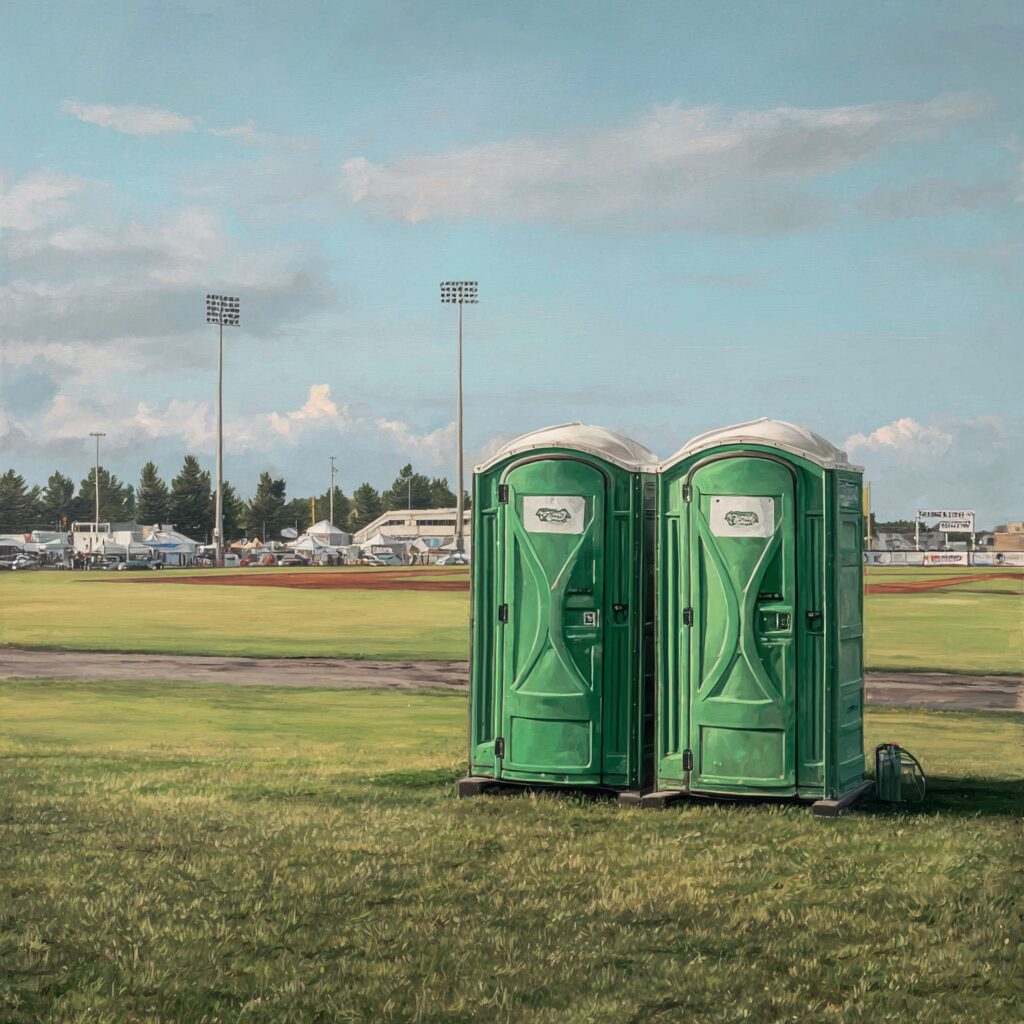
Managing outdoor operations when temperatures soar? Those plastic boxes become more than restrooms – they’re frontline defenses against summer’s worst challenges. Let’s talk about what really matters when the sun won’t quit.
Your team’s health and your reputation hinge on those temporary facilities. One outbreak traced to poorly maintained units can cancel festivals or halt billion-dollar projects. We’ve seen it happen.
Construction sites and event venues face different risks but share common threats. Workers clocking 10-hour shifts need reliable sanitation. Concertgoers expect basic comforts even during heatwaves.
Three realities every organizer should know:
Smart maintenance isn’t about checking boxes – it’s survival. Job sites using daily sanitization protocols report 40% fewer sick days during heatwaves. Events with shaded, ventilated units see 72% higher attendee satisfaction scores.
Investing in proper care pays off. You’ll avoid shutdowns, protect budgets, and build trust that lasts long after summer fades. Because let’s face it – nobody remembers the amazing band if the bathrooms made them sick.
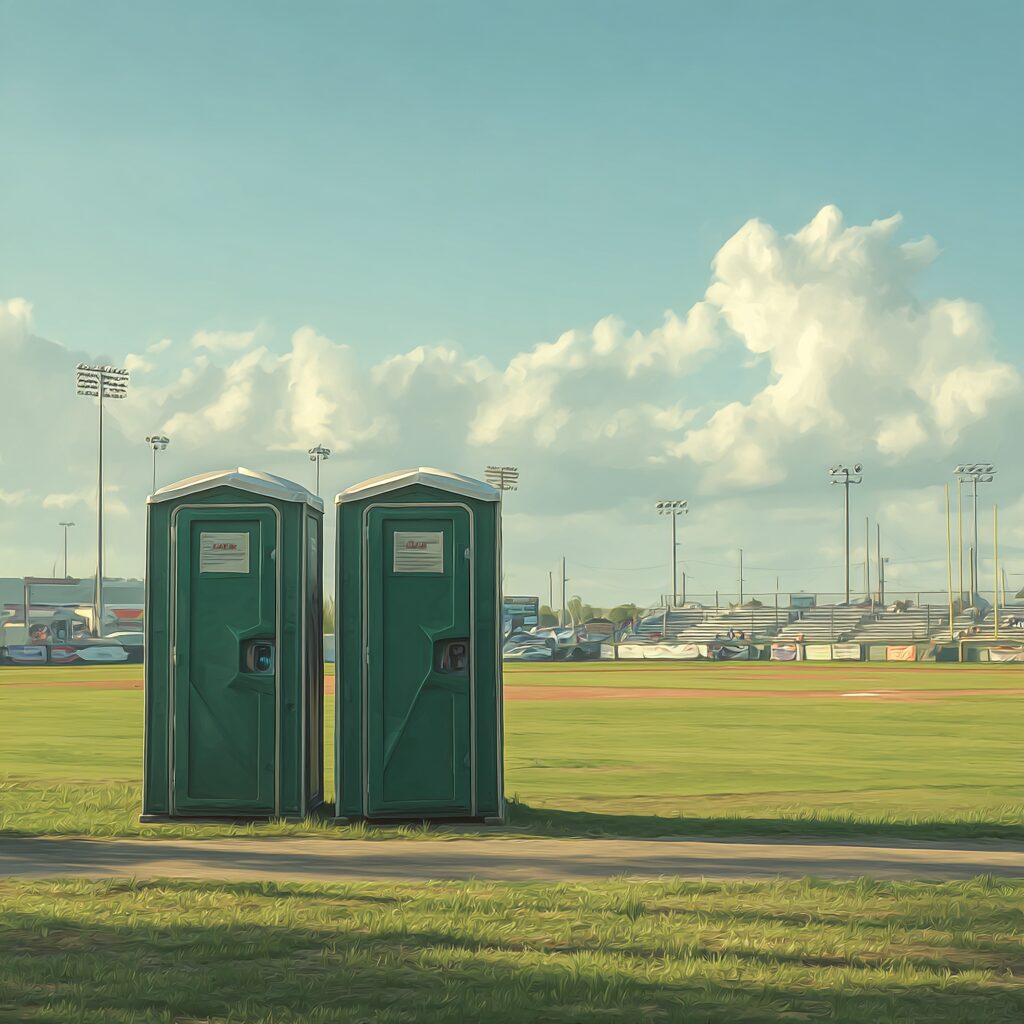
Your crew’s comfort hinges on picking the perfect plastic throne. Not all temporary facilities handle summer’s wrath equally. Let’s break down your options before the next heatwave hits.
Standard models work for quick jobs but can turn into solar ovens as the day continues. Their compact size traps heat and odors. Upgrade to flushable versions for better airflow and waste management – these use tank chemicals that slow bacterial growth even when temperatures spike.
ADA-compliant units shine in summer conditions. Their extra space allows better air circulation, while grab bars and wider doors make them safer for everyone. Three reasons they outperform standard models:
| Unit Type | Heat Management | Best For |
| Standard | Single vent | Short-term events |
| Flushable | Dual ventilation | Multi-day festivals |
| ADA Compliant | Cross-breeze design | Construction sites |
Restroom trailers redefine summer sanitation. These climate-controlled units maintain temperatures 20°F cooler than standard options. Handwashing stations cut germ spread, while mirror panels prevent that “just survived a sauna” look.
Units with sinks do double duty in heatwaves. Users can rinse sweat while washing hands, reducing dehydration risks. Look for models with foot pumps – they conserve water while keeping surfaces dry and slip-free.
Think shade and breeze are luxuries? For temporary facilities, they’re non-negotiable defenses against summer’s wrath. Where you position units directly impacts air quality, user comfort, and maintenance frequency.
Scout spots where trees or structures block afternoon sun. Morning shade means nothing when temperatures peak at 3 PM. Position units perpendicular to prevailing winds – this creates natural airflow through vents.
Flat surfaces prevent liquid pooling while helping ventilation systems work properly. Tilted units become odor traps as fumes collect in low corners. Always check ground stability before final placement.
| Placement Factor | Benefit | Pro Tip |
| Tree Coverage | Cuts interior temps by 12°F | Avoid sap-dropping species |
| Wind Alignment | Doubles air circulation | Use weather app wind reports |
| Artificial Shade | Reduces UV damage | Anchor canopies securely |
No natural wind channels? Create them. Space units 4-6 feet apart to let breezes flow between structures. Coastal events can use sea winds effectively by facing doorways toward shorelines.
Urban locations require creativity. Use building shadows that shift with the sun. Parking garage edges often provide partial shade while allowing cross-ventilation.
Summer transforms maintenance routines from chore to critical mission. When temperatures climb, standard protocols fail faster than ice cubes on asphalt. Let’s explore proven strategies that keep facilities fresh when it matters most.
Double your cleaning frequency during heatwaves. What worked weekly in spring needs every 48-hour attention now. High-traffic locations? Daily servicing becomes non-negotiable.
Timing matters. Schedule pump-outs at dawn or dusk – cooler temps slow chemical breakdown. Always wear gloves when handling tanks. Summer heat turns waste into bacterial rocketships.
| Product Type | Effectiveness in Heat | Best Use Case |
| Standard Air Fresheners | 2 hours | Low-traffic morning events |
| Enzyme-Based Deodorizers | 3 days | Construction sites |
| Neutralizing Sprays | 6 hours | Emergency odor control |
Cheap air fresheners in summer? That’s like using sunglasses during a hurricane. Invest in industrial-grade deodorizers that attack odor molecules chemically. Look for products with cyclodextrin – it traps stink particles like molecular handcuffs.
Rotate between citrus-based and unscented options. Overpowering fragrances mixed with heat can trigger headaches. Place deodorizer blocks near ventilation points for maximum spread.
Ever stepped into a plastic stall during July and felt like you’ve entered a tropical greenhouse? Smart personal strategies make these necessary visits safer and less sweaty. Let’s talk real-world tactics that keep you protected when nature calls during nature’s hottest months.
Timing matters more than you think. Plan restroom trips before 10 AM or after 4 PM when units haven’t baked all day. Got midday emergencies? Keep visits under 90 seconds – set a phone timer if needed.
Breathing smart makes a difference. Inhale through your nose to filter particles, exhale through pursed lips to minimize odor intake. Post-visit, wipe shoes on grassy areas before walking elsewhere – it removes 80% of surface germs.
Hydration hacks work double duty. Freeze water bottles overnight so they’re still cool during afternoon breaks. Need to wash hands without sink access? Keep biodegradable wipes in your back pocket.
Remember: Your health trumps convenience. If a unit feels dangerously hot or smells overwhelmingly strong, report it immediately. Event organizers and site managers want to know – it helps them protect everyone’s well-being.
Smart porta potty safety tips for extreme heat protect both user health and operational efficiency when summer temperatures create dangerous conditions in portable facilities. Proper planning prevents bacterial growth, reduces heat-related risks, and keeps essential sanitation services operational during the hottest months.
Prime Dumpster provides heat-resistant porta potty rentals with enhanced ventilation and cooling features designed specifically for extreme summer conditions across construction sites and events nationwide. Contact our team to discover how our proven porta potty safety tips for extreme heat can protect your workers and attendees while maintaining reliable sanitation services through the most demanding weather.
If you are looking for How to Rent Porta Potties for Hurricane Cleanup in 2025, Click Here


