Mon - Sat 7:00 am to 7:00 pm


Mon - Sat 7:00 am to 7:00 pm

When choosing between a porta potty vs composting toilet, understanding how each option performs for convenience, cost, maintenance, and environmental sustainability helps you pick the right sanitation solution for your needs.
In this guide, Prime Dumpster compares the two popular choices so you can decide whether a short-term porta potty rental or a longer-term composting toilet is the better option for an event, construction site, campsite, or off‑grid home.
Understanding the key differences between these sanitation options helps you choose the right solution for your specific needs and circumstances.
| Factor | Porta Potty | Composting Toilet |
| Setup & Installation | Delivered ready-to-use, requires only level ground and vehicle access | Needs ventilation system, possible electrical connection, and proper installation |
| Maintenance Requirements | Professional servicing handles all waste removal and cleaning | Owner responsibility for adding bulking materials, monitoring moisture, and waste management |
| Best Use Cases | Events, construction sites, temporary needs with high traffic | Permanent off-grid homes, eco-conscious campsites, long-term installations |
| Environmental Impact | Uses chemicals and requires waste hauling to treatment facilities | Reduces water consumption and converts waste into usable compost |
| Cost Structure | Lower upfront cost with ongoing rental and service fees | Higher initial investment but potential long-term savings on water and sewer costs |
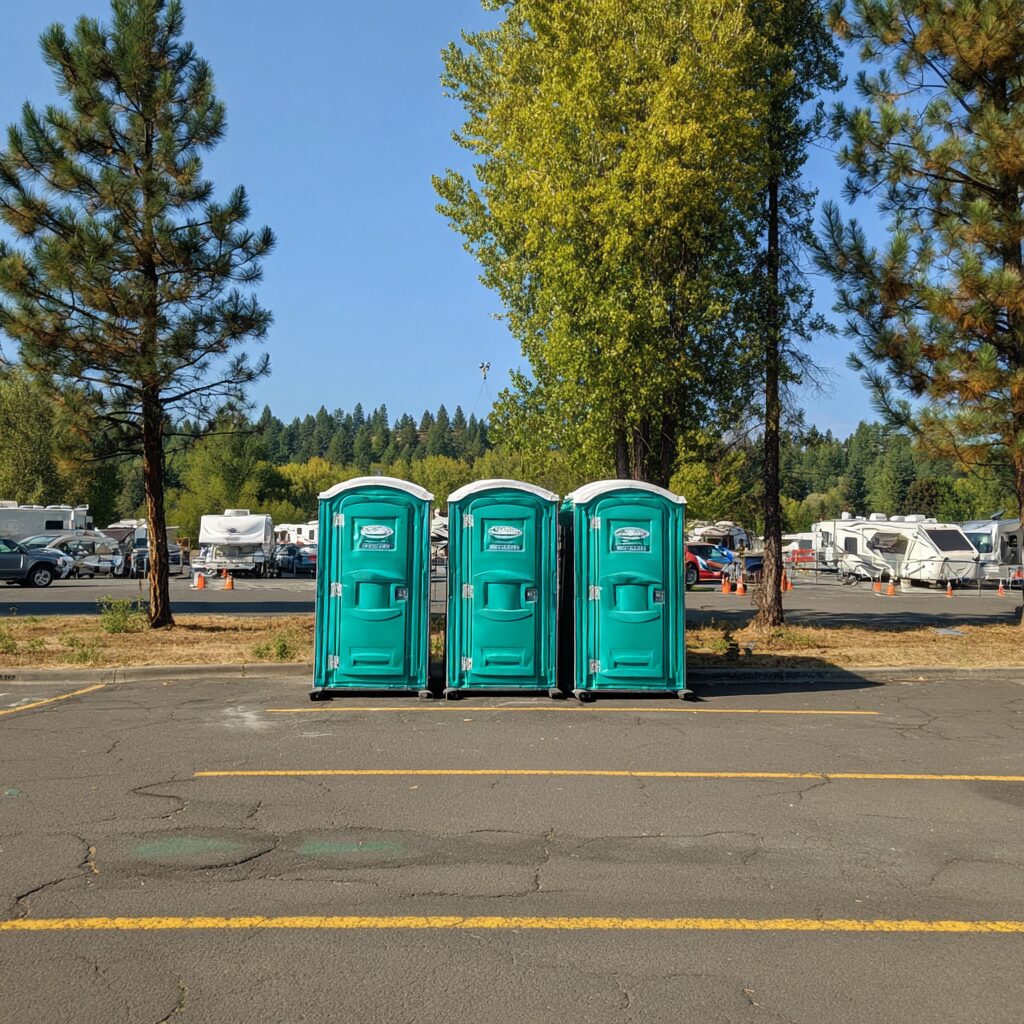
We compare two distinct portable sanitation options: the porta potty and the composting toilet. Both provide temporary or permanent restroom access where conventional plumbing isn’t available, but they work on very different principles and suit different needs.
Porta potties—common at outdoor events and construction sites—are self-contained units that store waste in a holding tank and often use chemicals to control odor and break down solids. By contrast, composting toilets (a porta potty alternative) use biological decomposition to turn waste into compost, usually requiring little to no water.
Below is a quick snapshot of what each option is best for, followed by a deeper look at design, ease of use, environmental impact, and where each toilet excels.

Porta potty rentals are a dependable sanitation solution when you need fast, temporary restroom access. For outdoor festivals, construction sites, or one-off events, porta potties deliver practicality where permanent toilets aren’t available.
Their main advantage is convenience: self-contained porta potties require no plumbing and can be delivered and placed in minutes. Typical holding tank sizes vary by model, but many standard units hold roughly 50–70 gallons, enough to serve a handful of users for a day or several for a short event. For high-traffic sites, rental companies offer larger or multiple units and daily servicing plans.
Odor is a common concern, but reputable rental providers use industry-grade chemicals and scheduled pump-outs to control smells and keep units sanitary. Service frequency depends on event size—single-day events may need one service before and after, while multi-day festivals or busy construction sites often require daily or every-other-day emptying.
Porta potties come in several designs to meet different needs: basic single stalls, ADA-accessible units with ramps and handrails, converted luxury trailers with sinks and climate control, and units with urinals to reduce liquid load. When booking, consider user count, placement (level ground with vehicle access), and whether you need handwashing stations or ADA-compliant options.
Example use case: a 3-day outdoor concert with 2,000 attendees will typically require dozens of units plus handwash stations and daily servicing—your rental company can provide a site plan and exact counts. In short, porta potties are the go-to option for fast setup, scalable capacity, and low upfront cost when you need a temporary toilet solution.
Composting toilets are a sustainable sanitation option that use biological processes to break down human waste into compost, making them a top choice for eco-conscious users, off-grid homes, and long-term campsite installations.
Unlike water-flush toilets, composting toilets dramatically reduce water use and can produce nutrient-rich compost when managed correctly. There are two common designs: self-contained units (all composting happens in the bowl/chamber under the seat) and central systems (waste is moved to a larger remote composting chamber), each with different maintenance needs and capacities.
These systems can be low-cost when done as a DIY project or more expensive for pre-made models with fans and separation mechanisms. Either way, composting toilets require regular upkeep—ventilation, addition of bulking materials (sawdust or coconut coir), and periodic removal or curing of solids—to prevent odor and ensure safe decomposition.
Note on safety and regulations: compost from human waste must meet local health guidelines before being applied to soil, especially for food crops. Proper composting typically requires adequate time, temperature, and moisture control to reduce pathogens—follow local rules or use a certified facility when in doubt.
Composting toilets deliver several clear advantages when sustainability and resource conservation are priorities.
| Pros of Composting Toilets | Cons of Composting Toilets |
| Environmentally friendly; reduces water use | Require more maintenance and user involvement |
| Can produce nutrient-rich compost | Local rules may restrict compost use; pathogen concerns |
| Good for long-term, low-water sites | Higher initial cost for some pre-made systems; odor risk if mismanaged |
When weighing porta potties against composting toilets, consider how much maintenance you can handle, whether you need a short-term rental or a permanent toilet, and whether turning waste into compost aligns with your sustainability goals.
In the next sections we’ll examine price, installation, and odor management in more detail so you can choose the composting system or porta potty design that best fits your situation.
Price is a key factor when evaluating a composting toilet. Entry-level pre-made self-contained units commonly range from about $500 to $2,000, while higher-end or central systems can cost several thousand dollars installed. DIY composting toilets can reduce upfront costs significantly—basic DIY builds often fall in the $100–$500 range depending on materials and features—but they require time and know-how to build correctly.
Keep total cost perspective in mind: porta potty rentals have low initial outlay but recurring rental and service fees, while a purchased composting toilet is a higher one-time expense that can yield long-term savings on water and sewer charges for a permanent or off‑grid toilet solution.
Installation for composting toilets is typically more involved than placing a porta potty. Composting toilets require proper venting (a vent stack and often a small fan), level placement for self-contained units or a path for transferring solids to a central chamber, and sometimes a urine-diversion setup to separate liquids from solids. Some systems also need a 120V outlet for fans or heaters.
Because of these requirements, composting toilets may benefit from professional installation or at least a consultation with someone experienced in plumbing or off-grid systems. In contrast, porta potties generally only need flat, accessible placement for delivery and pickup.
Odor is a common concern, but composting toilets can be effectively odor-controlled when managed properly. Key practices include ensuring adequate ventilation, using bulking agents like sawdust or coconut coir to absorb moisture and cover solids, and separating liquids where recommended. Properly operated systems should be virtually odor-free in the living space.
Composting toilets require routine attention—adding bulking material, monitoring moisture, and emptying or curing solids on a schedule—to prevent smells and ensure safe decomposition. If you aren’t prepared to do this maintenance, a porta potty rental with professional servicing may be the better option.
By weighing cost, installation complexity, and maintenance (including odor control), you can decide whether a composting toilet fits your budget and willingness to perform ongoing care—or if a porta potty rental better meets your short-term needs.
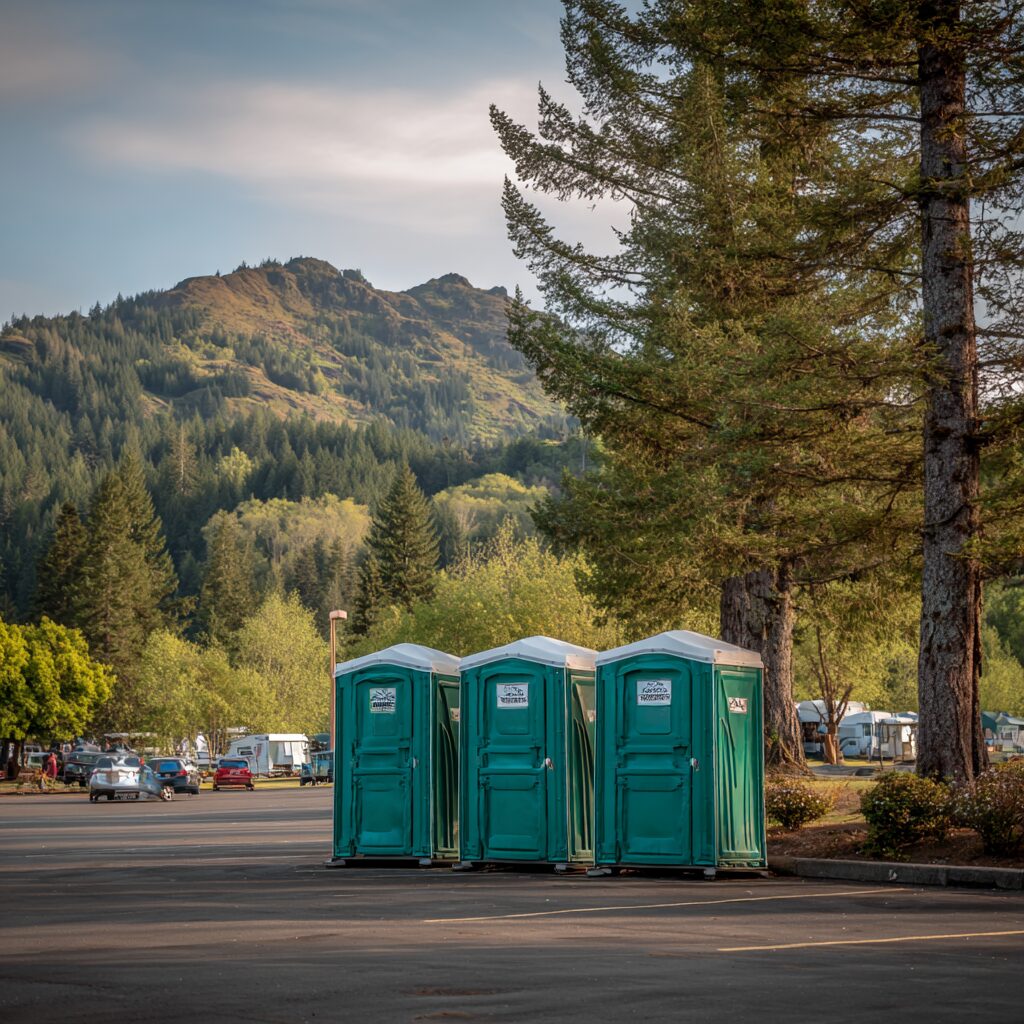
Porta potties and composting toilets approach use and waste disposal very differently. If you prioritize quick setup and low day-to-day effort, porta potties usually win; if you prioritize sustainable waste handling and reduced water use, composting toilets may be the better long-term choice.
Porta potties are the portability champion. These self-contained units arrive on-site ready to use—no plumbing, venting, or special tools required. Place them on level ground with vehicle access for delivery and pickup, and they’re operational almost immediately.
Composting toilets can be portable but have more setup needs. Many systems require a dedicated location with ventilation, level placement, and, for some models, an electrical outlet for a small fan. Central composting systems also need a path or space to transfer solids to a separate composting chamber.
Porta potties typically use larger holding tanks and are suited to high-traffic situations. A standard single porta potty often has a holding tank in the 50–70 gallon range and can serve multiple users for a day or longer before servicing is required; busy sites will need more frequent pump-outs based on attendee numbers.
Composting toilets manage waste differently: many separate liquids and solids. Liquids (urine) usually need more frequent attention and safe disposal, while solids are composted over time and require periodic removal or transfer to a curing area. Solids break down gradually, so emptying intervals can be longer if the system is sized correctly and properly maintained.
Odor control is achievable for both systems but via different methods. Porta potties rely on industry odor-control chemicals, deodorizing liquids, and regular servicing from rental companies to keep units acceptable for users.
Composting toilets use natural odor-control techniques: adequate ventilation, aerobic decomposition, and bulking materials like sawdust or coconut coir to absorb moisture and cover solids. When composting systems are operated correctly, they should be essentially odor-free in living spaces—though they require more hands-on waste management.
At a glance: choose porta potties for immediate portability, scalable waste capacity, and minimal user responsibility; choose composting toilets if you can handle routine maintenance in exchange for lower water use, sustainable waste composting, and reduced reliance on sewer systems.
Below is a clear, safe summary of the typical porta potty usage and waste disposal process so you know what to expect when you rent portable toilets for an event or worksite.
| Step | Description |
| 1 | Confirm local waste-disposal rules and identify an approved dump station or licensed waste-management facility (not all gas stations accept porta potty waste). |
| 2 | Have the rental company transport or pump the holding tank contents to the approved disposal location—licensed operators follow regulations and reduce your liability. |
| 3 | Follow facility instructions for legal disposal; never dump porta potty waste in unauthorized locations or storm drains. |
| 4 | After emptying, ensure thorough cleaning and sanitation of the unit using recommended PPE and disinfectants, or schedule these services with the rental company. |
Most customers schedule ongoing maintenance with a trusted waste management provider so porta potties remain sanitary and compliant—this removes the burden of disposal and meets the “toilets require” standard for regular servicing.
Quick checklist for hosts: verify permitted disposal sites, document pickup/emptying frequency with your rental agreement, confirm use of industry-standard holding tank treatments, and require proof of licensing from your waste-management vendor.
Below is a practical summary of how composting toilets handle waste and what responsible disposal or on-site composting typically requires.
| Step | Description |
| 1 | Empty liquid (urine) containers regularly to approved disposal points or use a greywater system where permitted; liquids are handled more frequently than solids in many designs. |
| 2 | Manage solid waste by transferring to a curing area or dedicated composting site; some jurisdictions require solids to be processed at licensed facilities rather than applied on-site. |
| 3 | If composting solids at home, follow proper composting procedures—maintain aerobic conditions, monitor moisture, and allow adequate curing time/temperature to reduce pathogens before any land application. |
| 4 | Perform regular system maintenance: add bulking material (sawdust or coconut coir), monitor vents and fans, and clean components to prevent odors or sanitation issues. |
Important: local rules vary widely. Composting toilets require adherence to local public-health regulations—many areas restrict using human-derived compost on food crops or mandate off-site processing. Check with your local waste management authority before planning on home compost use.
When evaluating options, factor in availability of disposal or composting facilities, transportation logistics for any non‑solid wastes, and whether you can meet the time and temperature requirements for safe waste composting to produce nutrient-rich compost.
If you rent out land for camping, providing reliable sanitation is a top priority for guest comfort and legal compliance. Surveys and industry reports frequently show that clean, well-maintained toilets are a key amenity campers expect, so selecting the right toilet option can improve bookings and reduce complaints.
There are several toilet options to consider for campsite areas, each with trade-offs in cost, maintenance, and sustainability. Common choices include camping toilets, porta potties (portable toilets), and separating or composting toilets—pick the option that matches your property layout, budget, and how hands-on you want to be with maintenance.
Below are quick descriptions and a short buyer’s checklist to help hosts decide which toilets to provide.
Camping toilets (portable camping toilets) are lightweight, easy to move, and often self-contained with a built-in waste tank that can be emptied at a designated facility. They’re a low-cost option for small campsites and short-term rentals and are simple for guests to use and for hosts to maintain.
Types range from basic bucket-style units to portable flush models and small self-contained composting units—so you can choose a design that balances user comfort and maintenance needs.
Separating toilets (urine-diverting) and composting toilets are more sustainable options for hosts who want to reduce water use and manage waste on-site. By separating liquids and solids and using bulking materials, these systems reduce odor and can produce nutrient-rich compost when processed correctly.
Keep in mind: many jurisdictions restrict how human-derived compost can be used—especially on food crops—so check local waste-management rules before planning to reuse compost. These systems require more maintenance and a plan for solids curing or off-site processing, but they can be a great long-term investment for eco-focused properties.
Quick buyer’s checklist for hosts:
For many hosts, a hybrid approach works best: use porta potties during high-season events or for overflow, and invest in composting or separating toilets for permanent or off-grid sites where sustainability is a priority. That combination gives flexibility while supporting sustainable waste management on your property.
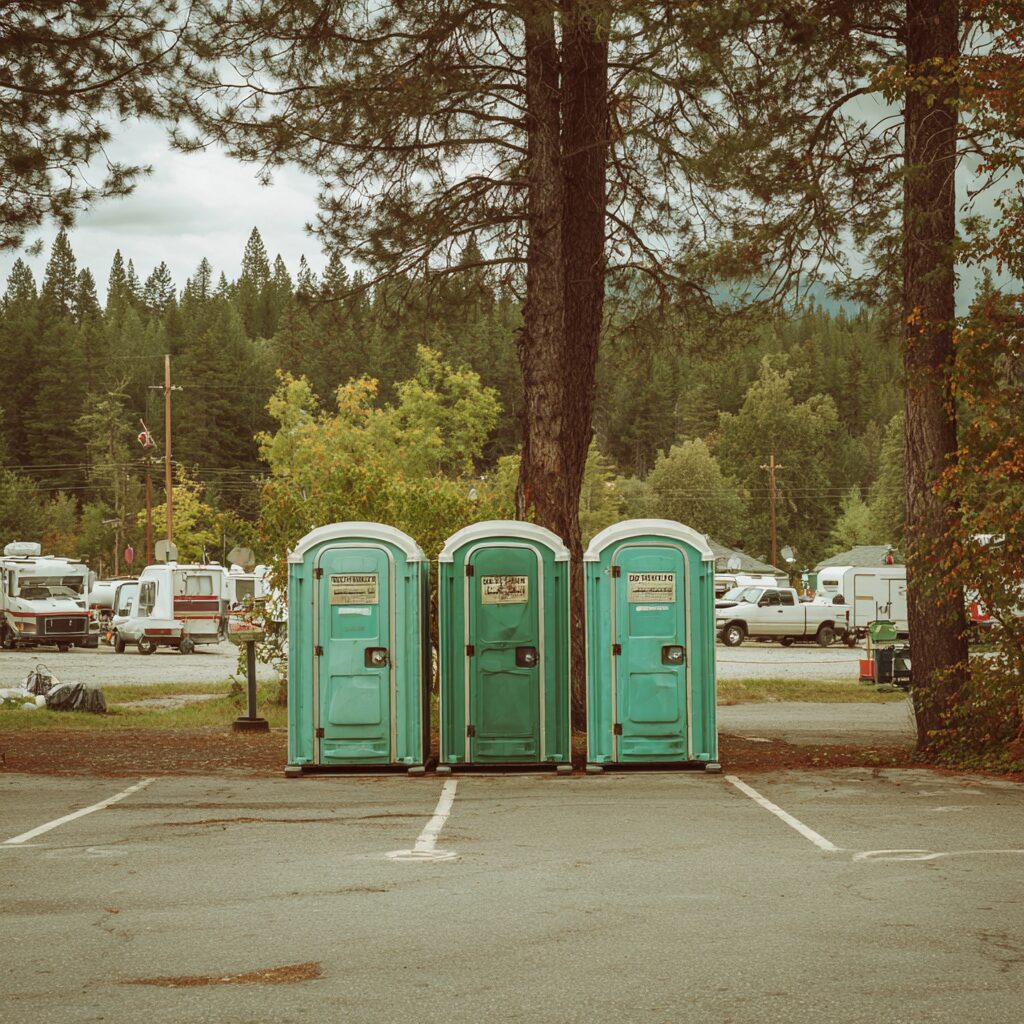
When selecting a toilet option for campsite rentals, events, or long-term use, ask the right questions about cost, installation, maintenance, and odor control to match the solution to your needs.
Mini-case: For a weekend music festival, porta potties with handwash stations and daily servicing are typically the right choice. For a permanent off-grid campsite used year-round, investing in composting or separating toilets may save water and align with sustainability goals.
By weighing these factors you’ll be better at choosing a toilet option that fits the expected use, budget, and maintenance capacity for your site.
Picking between porta potties and composting toilets comes down to your priorities: short-term convenience and low management vs. long-term sustainability and active maintenance. Below are clear recommendations and a simple decision guide to help you choose the best toilet for events, campsites, or off‑grid living.
Choose porta potties if you need immediate, low-effort sanitation. Porta potties are easy to deliver and place, require no plumbing, and can be scaled to match peak user counts—ideal for last-minute events or busy construction sites.
Choose a composting toilet if you can invest time in installation and ongoing care. Composting systems often need proper venting, possible electrical power for fans, and routine inputs (bulking material) and monitoring—a reasonable trade if you want a permanent, low‑water toilet solution.
Composting toilets offer clear environmental benefits: they typically use little to no water and turn waste into compost, reducing reliance on sewer systems and lowering overall environmental impact. If your goal is to turn waste into a usable resource and minimize water use, composting is the greener option.
Porta potties are effective for temporary needs but rely on holding tanks and chemicals to manage waste; they don’t provide the same opportunity to compost or conserve water long term. For short events, their immediate practicality often outweighs sustainability concerns.
In most cases, porta potties are the more affordable short-term choice because they avoid large upfront costs and transfer maintenance responsibility to the rental company. For recurring use, however, a purchased composting toilet can pay back over time through lower water and sewer bills—though it does require more hands-on maintenance.
Practical example: if you host regular weekend events, rental porta potties with scheduled servicing may be cheaper and less work. If you operate a permanent campsite or off‑grid home, investing in composting toilets can reduce long-term waste and water costs while supporting sustainable practices.
Decision snapshot: pick porta potties for short-term, high-traffic, low-maintenance needs; pick composting toilets when environmental impact, water savings, and producing nutrient-rich compost matter more than convenience.
The porta potty vs composting toilet decision ultimately depends on your specific situation, priorities, and willingness to handle ongoing maintenance.
Ready to decide? Contact us to review costs, maintenance plans, and site-specific recommendations so you can select the toilet that best fits your budget, site needs, and sustainability priorities.
If you are looking for Do You Need A Porta Potty Permit?, Click Here


