Mon - Sat 7:00 am to 7:00 pm


Mon - Sat 7:00 am to 7:00 pm
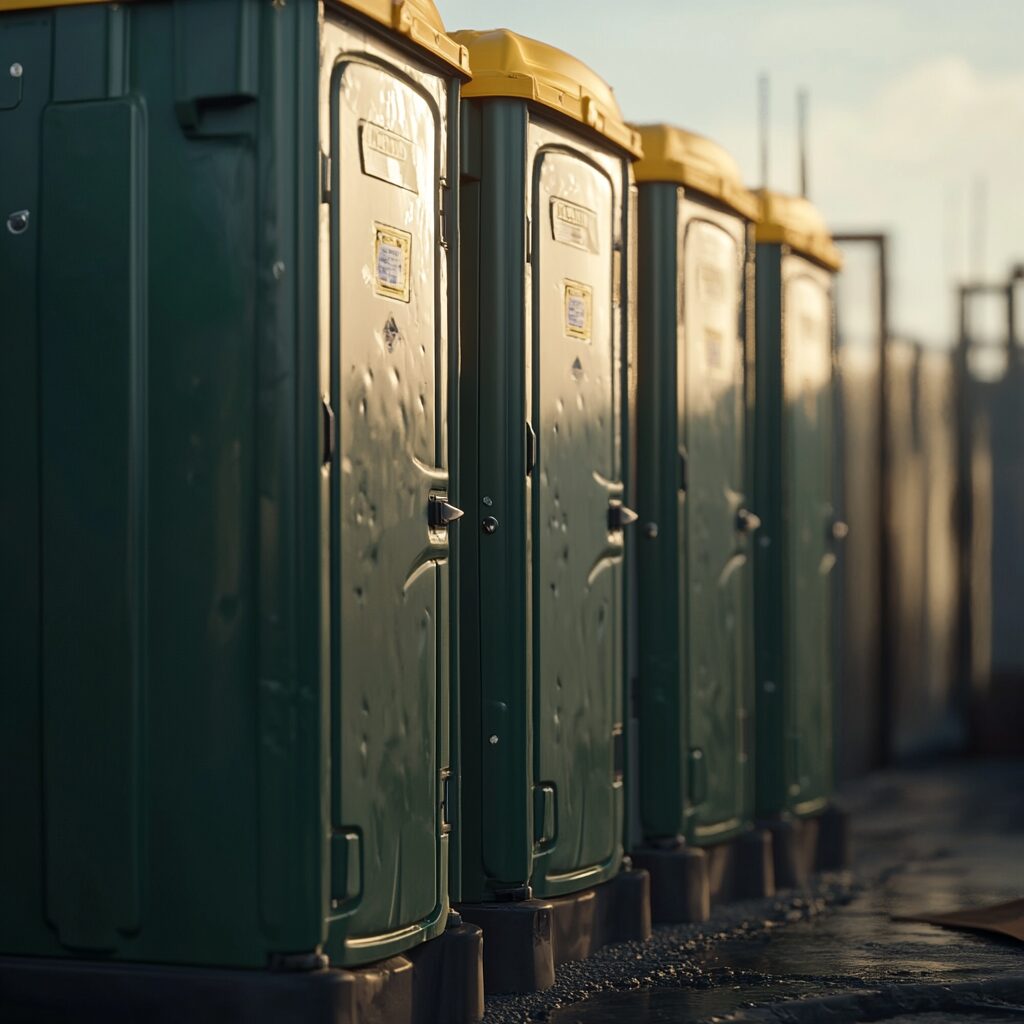
Construction sites demand porta potties that can handle conditions no wedding or festival ever will.
From units that survive 40-story crane lifts to models with reinforced walls that withstand daily abuse, specialized sanitation solutions keep crews productive and projects on schedule. At Prime Dumpster, we’ve equipped thousands of job sites nationwide with portable restrooms engineered specifically for construction’s unique challenges.
Our team understands that proper sanitation impacts everything from regulatory compliance to worker retention. In the following guide, you’ll discover how specialized porta potties for construction sites offer solutions for high-rise builds, remote locations, and changing work zones—all while keeping your crew comfortable and your project moving forward.
Here’s a rundown of the seven types of construction portable toilets you’re likely to find on the jobsite.
1. Standard Units: These workhorses of construction sanitation feature reinforced walls and non-slip floors designed to withstand daily abuse. Standard units provide essential facilities for crews of all sizes without breaking your budget.
2. Towable Trailer Units: These mobile sanitation stations can be hitched and relocated as your work zones shift throughout the project. Towable units eliminate downtime by following your crew’s progress, making them ideal for highway projects and sprawling developments.
3. Crane-Liftable High-Rise Units: Featuring aircraft-grade aluminum frames and specialized anchoring systems, these units can be safely hoisted to upper floors of vertical construction. High-rise models eliminate productivity-killing elevator trips, saving crews up to 90 minutes daily on skyscraper projects.
4. Solar-Powered Units: Equipped with energy-capturing panels that power ventilation fans and interior lighting, these self-sufficient facilities operate without external power sources. Solar units provide 24/7 accessibility for remote locations or nighttime operations without requiring generator hookups.
5. Handwashing Stations: These standalone facilities feature foot-operated water pumps and soap dispensers that minimize cross-contamination during breaks. Handwashing stations reduce jobsite illness by up to 45% compared to sanitizer-only options, making them essential companions to standard units.
6. Deluxe Units with Integrated Sinks: Combining toilet facilities with built-in handwashing capabilities, these all-in-one solutions offer convenience in a compact footprint. Deluxe models with sinks significantly reduce complaints on long-term projects while satisfying stricter health regulations for food-adjacent construction.
7. Flushable Systems: These premium units feature water-conserving flush mechanisms that instantly reduce odors and improve the user experience. Flushable porta potties boost morale on multi-month projects and present a more professional image when client visits are expected.
Picture this: temporary restrooms once looked like plastic igloos with zero ventilation. Over six decades of innovation turned these basic units into worksite heroes. Today’s models come with features your crew actually wants to use.
The 1960s brought fiberglass designs that melted in summer heat. By the 1980s, polyethylene units solved durability issues. Modern versions now include:
Workers spend 30% less time walking to distant facilities when units are strategically placed. That’s 12 extra minutes per person daily for actual construction projects. Sanitation facilities also reduce OSHA restroom violations by 68% according to 2024 industry reports.
Here’s what smart managers get right:
Hand sanitizer dispensers aren’t just nice-to-have anymore. They’re part of health safety protocols that keep teams productive. Want workers to stay hydrated without bathroom breaks every hour? New waterless urinal tech helps solve that puzzle.
Ever wondered why some job sites smell like lemon cleaner while others trigger nose-pinching reflexes? The answer often lies in choosing between standard and upgraded sanitation solutions. Let’s break down what each offers so you can balance budgets with crew satisfaction.
Standard units are the workhorses of temporary restrooms. They’re affordable, easy to install, and handle high traffic. Most include:
These no-frills options work well for short-term projects or smaller crews. A 2024 industry survey found 72% of contractors use them for jobs under three months.
Deluxe versions turn “ugh” into “ahh” with features like:
One Phoenix contractor reported 40% fewer complaints after switching to premium models during a summer highway project. Though often pricier weekly, these units often pay off through improved worker retention on multi-year sites.
| Feature | Standard | Deluxe | Benefit |
| Flushing System | No | Yes | Reduces odors |
| Handwashing Station | Sanitizer only | Running water | Better hygiene |
| Interior Lighting | Natural light | Solar-powered LEDs | 24/7 usability |
| Weekly Cost | $75 | $150 | Long-term savings |
Think your crew’s bathroom breaks don’t affect deadlines? Think again. Matching sanitation solutions to your team’s needs keeps work flowing smoothly. Let’s explore how to pick the right setup without overspending.
Size matters when planning restroom access. Industry guidelines suggest one unit per 10 workers for projects under three months. Larger crews or longer timelines? Add extras to prevent lines during peak hours. A Texas solar farm crew cut break times by 18% after doubling their units.
Placement strategy saves time too. Keep facilities near high-traffic zones but away from active machinery. One Colorado contractor reduced walk times by placing units along ADA-compliant paths near break areas.
| Crew Size | Project Length | Recommended Units | Top Features |
| 1-10 workers | 1-3 months | 1 standard | Basic waste tanks, ventilation |
| 11-30 workers | 3-6 months | 2-3 upgraded | Handwashing stations, odor control |
| 50+ workers | 6+ months | 5 deluxe | Flush systems, climate control |
Short-term rentals work best for quick fixes like weekend repairs. Need units for a year? Negotiate discounted rates with suppliers for multi-month contracts. Always ask about delivery flexibility – some companies adjust locations as your site evolves.
Prime Dumpster Pro Tip: Rent units with wheels if your layout changes weekly. Pair basic toilets with standalone handwashing stations to balance costs and hygiene. Your crew (and schedule) will thank you.
Did you know that OSHA fines for inadequate restrooms can hit $16,550 per violation? Accessibility isn’t optional—it’s federal law. The Americans with Disabilities Act requires units with specific features to serve all workers equally.
Proper sanitation design prevents lawsuits and keeps teams productive. Units must have wheelchair ramps, grab bars, and 60-inch turning spaces. These aren’t suggestions—they’re enforceable standards that protect your crew and your company.
ADA-compliant units solve real-world needs. Wider doors help workers with mobility aids. Raised toilet seats and lowered sinks make daily use easier. A 2024 OSHA report found sites using compliant designs reduced injury claims by 23%.
| Feature | Standard Unit | ADA Unit |
| Door Width | 24 inches | 36 inches |
| Floor Space | 30 sq ft | 60 sq ft |
| Grab Bars | No | Required |
Maintenance matters as much as design. Weekly cleanings prevent germ buildup and show regulators you take hygiene seriously. Use EPA-approved disinfectants and log service dates to prove compliance during inspections.
Smart upgrades boost construction site omfort without breaking budgets. Add motion-sensor lights for nighttime safety or non-slip floors for rainy days. One Florida contractor cut turnover by 17% after installing units with hands-free fixtures.
Check your state’s latest rules—some require extra features like baby-changing stations. Balance costs by renting a mix of standard and accessible units based on crew size. Your workers’ needs and the law both win.
What if your crew actually looked forward to bathroom breaks? New sanitation designs prove comfort and job performance go hand-in-hand. Let’s explore units that transform basic needs into productivity boosters.
Gone are the days of sticky sanitizer pumps. Modern sanitation facilities now include foot-operated sinks with soap dispensers and paper towel racks. A 2024 Johns Hopkins study found these stations reduce worksite illness by 45% compared to sanitizer-only options.
Strategic placement near high-traffic zones cuts cross-contamination risks. One New Orleans bridge crew reported 31% fewer sick days after installing these near their lunch area.
Multi-day projects demand more than basic facilities. Combined shower-toilet units help crews refresh without leaving site. These hybrids feature:
A Montana wind farm team completed their construction project 12 days early after adding shower units. Workers saved 90 minutes daily by avoiding offsite trips.
Smart upgrades don’t just meet health standards—they redefine them. From UV sanitizing cycles to fragrance-free deodorizers, today’s options keep teams focused on the work, not the facilities. The right choices now prevent headaches later.
How do crews 40 stories up answer nature’s call without elevators? Modern engineering delivers solutions where ladders and cranes dominate. These units tackle vertical workspaces and tight sites with smart designs that prioritize worker access and safety.
High-rise models feature aircraft-grade aluminum frames that withstand wind loads at elevation. Their compact footprints fit elevator shafts or crane platforms. A 2024 industry study showed these units reduce bathroom-related downtime by 52% on construction site skyscraper projects.
| Feature | High-Rise Unit | Standard Unit | Benefit |
| Weight Capacity | 2,200 lbs | 1,100 lbs | Safer lifting |
| Door Lock Type | Magnetic seals | Basic latch | Wind resistance |
| Ventilation | Dual fans | Single vent | Airflow control |
Towable models roll directly into position behind forklifts. Crane-mounted options install in minutes on upper floors. Both types offer:
A Chicago high-rise team completed floors 22% faster after using crane-lifted units. Their crews saved 90 minutes daily avoiding elevator queues. For sites with shifting work zones, these mobile choices keep hand-washing stations and restrooms where workers need them most.
Ready to transform your construction site’s restroom experience? Start by matching your sanitation services to crew size, project length, and accessibility requirements. Review your current setup – could portable toilet better placement or upgraded features reduce downtime?
Compare rental options for your construction project using this checklist:
Modern services now deliver unexpected convenience. Mobile units roll directly to work zones, while high-rise models keep skyscraper crews productive. Many providers offer maintenance plans that handle cleaning and restocking – a smart option for busy teams.
Finally, partner with suppliers who understand construction site requirements. Ask about flexible delivery schedules and emergency servicing. Remember: Thoughtful sanitation planning isn’t just about compliance. It’s about creating workspaces where safety and efficiency flow as smoothly as the hand soap.
At Prime Dumpster, our nationwide team facilitates everything from high-rise units that can be hoisted 40 stories up to ADA-compliant stations that keep your project legally sound and your team comfortable.
Contact us for more help with specialized porta potties for construction sites, designed to withstand the daily punishment of busy job sites while maintaining the hygiene standards your crew deserves. Let’s explore how today’s specialized units solve real-world construction challenges and contribute to smoother operations from groundbreaking to completion.
If you are looking for How to Choose a Porta Potty Provider (7 Tips!), Click Here


