Mon - Sat 7:00 am to 7:00 pm


Mon - Sat 7:00 am to 7:00 pm

Permanent restroom facilities can use a whopping 12,775 gallons of water each year! Did you know that portable toilets use far less water than permanent units, and are also better for the environment?
What makes a porta potty eco-friendly? The answer lies in built-in design features that deliver environmental benefits without premium pricing or special upgrades. Modern portable restrooms achieve remarkable resource conservation through water elimination, sustainable materials, and efficient waste containment systems that protect ecosystems while serving essential sanitation needs.
Unlike traditional restrooms that require costly retrofits for environmental compliance, portable facilities arrive with inherent sustainability advantages. At Prime Dumpster, we’re experts in eco-friendly portable restroom solutions for large events, construction projects, and other situations. Let’s take a closer look at the environmental impact of portable restroom solutions.
Portable restrooms help promote environmental responsibility through five key design advantages that work automatically:
These inherent environmental advantages demonstrate how portable sanitation delivers sustainability benefits through smart engineering rather than premium features.
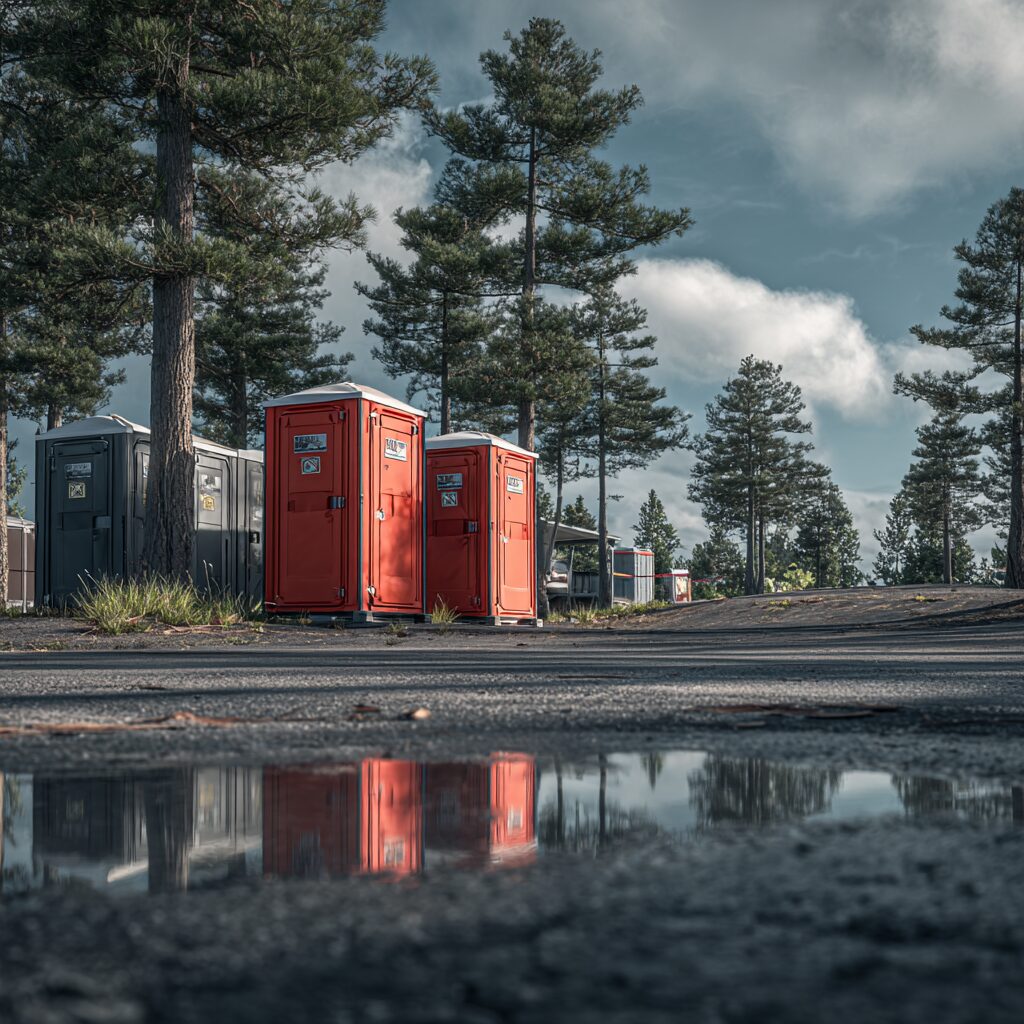
Portable restrooms do more than provide convenience—they’re environmental game-changers. Their design tackles two critical sustainability challenges: water scarcity and waste containment. Let’s unpack how these unassuming units deliver serious ecological advantages without premium upgrades.
Traditional toilets guzzle water like marathon runners at a hydration station. Here’s the reality:
Multiply those numbers across a construction crew or festival crowd, and you’re preserving entire reservoirs. Cities using portable sanitation report annual savings equivalent to 1,200 Olympic pools.
Modern units lock down contamination risks through:
These features transform temporary facilities into environmental guardians. No chemical runoff. No ecosystem disruption. Just smart engineering protecting both people and nature.
Think portable sanitation units are just plastic boxes? Think again. These temporary facilities pack an environmental punch through built-in features that protect ecosystems while conserving resources. Their off-grid design eliminates reliance on municipal water supplies, slashing consumption from the start.
Three critical advantages set modern units apart:
Sealed waste systems act as environmental bodyguards. Unlike traditional restrooms, portable models contain all materials until professional disposal. This containment stops harmful runoff from reaching streams or wildlife habitats – crucial for protecting biodiversity in sensitive areas.
Manufacturers now use plant-based deodorizers and biodegradable tank liners. Combined with UV-resistant recycled plastics, these choices cut landfill contributions by 65% compared to older models. Even better? These planet-friendly specs come standard on all units.
By reducing strain on treatment plants and conserving water, portable toilets deliver ecological benefits that scale. A single unit servicing 100 people prevents 6,000 gallons of wastewater from entering municipal systems weekly. That’s smart sanitation working smarter for everyone.
The secret to portable sanitation’s green cred isn’t just what these units do – it’s what they’re made of. Manufacturers now bake sustainability into every stage, from material selection to disposal. You get environmental benefits by default, not as expensive add-ons.
Today’s units use plant-based plastics that vanish faster than your lunch break. These components:
Even the blue liquid inside? It’s now citrus-based, protecting groundwater from harsh chemicals.
Recycled plastics form 80% of modern units’ construction. This approach:
The compact shape isn’t just space-saving – it uses 30% fewer raw materials than permanent restrooms.
Sealed tanks do double duty. They prevent leaks better than your favorite thermos and eliminate the need for chemical cleaners. Less maintenance means fewer tanker trucks on roads, cutting carbon footprints with every flush-free use.
Modern sanitation heroes don’t wear capes—they’re rectangular, odor-controlled, and saving ecosystems at your favorite gatherings. From highway projects to chili cook-offs, these mobile units prove sustainability works best when it’s portable.
Construction crews battle tight deadlines and tighter budgets. Portable sanitation keeps sites compliant without draining resources. A 50-worker crew saves 2,900 gallons daily compared to traditional restrooms—enough to fill an above-ground pool every week.
Food festivals face unique challenges. Imagine 10,000 attendees and zero permanent restrooms. Mobile units prevent waste runoff near fry stations while conserving water for cooking and cleaning. Servicing teams handle the dirty work, hauling waste to treatment plants instead of local sewers.
Major venues use portable facilities like backstage crew members—working hard but staying unseen. A three-day music festival with 20,000 fans prevents 120,000 gallons of wastewater from overwhelming municipal systems. No permits for permanent plumbing. No chemical runoff in parking lots.
Stadium managers love the math: One unit serves 100 fans per game while using 90% less water than flush toilets. Professional servicing ensures waste gets processed properly, breaking the cycle of contamination before it starts.
Portable sanitation units pack environmental benefits into their DNA. Unlike traditional restrooms requiring costly retrofits for sustainability, these mobile solutions arrive ready to protect resources. Their eco-advantages come standard – no premium fees required.
| Model Type | Approximate Water Saved/Day | Material Recycled | Grid Independence |
| Standard Unit | 58 gallons | 80% | Full |
| Deluxe Flushing | 42 gallons | 75% | Full |
| ADA-Compliant | 50 gallons | 82% | Full |
Every unit slashes water use through smart design. Basic models need zero gallons for operation – permanent toilets gulp six per flush. Even upgraded versions with handwashing stations use 90% less than conventional alternatives.
Manufacturing choices boost sustainability. Lightweight recycled plastics cut transportation emissions by 30%. Compact builds use fewer raw materials than brick-and-mortar facilities. No electrical hookups or plumbing permits mean lower site impact from start to finish.
Servicing teams handle waste containment using sealed tanks and biodegradable treatments. Whether you choose no-frills cabins or VIP trailers, environmental protection remains constant. Smart engineering makes green practices automatic – and affordable.

Choosing sustainable sanitation solutions isn’t just about saving trees—it’s about saving dollars and building reputations. These units act as triple threats, slashing operational costs while keeping your projects legally compliant and community-approved.
Let’s talk numbers. A construction site using 10 portable restrooms saves $4,800 monthly compared to permanent facilities. How?
Event planners report 40% lower sanitation costs for festivals using mobile units. Fewer service calls mean more funds for headline acts or safety upgrades.
Modern units arrive pre-equipped with features that check regulatory boxes:
Municipalities often fast-track permits for projects using these solutions. One Texas contractor shaved 14 days off approval timelines simply by specifying eco-conscious units.
| Factor | Traditional Toilets | Portable Units |
| Monthly Water Cost | $420 | $28 |
| Service Visits | Daily | Biweekly |
| Compliance Prep Time | 16 Hours | 0 Hours |
Your brand reputation gets a stealth boost too. Photos of clean, modern units at your site tell clients you care about details—and the planet. Seventy-eight percent of event attendees say sustainable facilities improve their perception of organizers.

The future of portable restrooms shines brighter than a solar-powered hand dryer. Modern sanitation solutions now integrate advanced technologies that tackle environmental challenges head-on – no PhD required to appreciate their genius.
Anaerobic digestion systems have evolved into methane ninjas. These hidden heroes transform human waste into harmless byproducts while capturing greenhouse gases. Result? Fewer emissions than your morning commute and cleaner soil for future projects.
Solar panels now fuel ventilation fans and LED lighting in cutting-edge units. No electrical hookups. No fossil fuels. Just free energy keeping facilities fresh – even at midnight concerts or predawn construction sites.
Smart engineering makes servicing easier than assembling IKEA furniture. Lightweight modular designs allow quick relocation, while enzyme-based cleaners dissolve waste faster than gossip spreads at a job site. Bonus: These features come standard, proving sustainability doesn’t demand premium pricing.
From solar innovations to smarter disposal methods, portable sanitation systems prove environmental responsibility and practicality can share the same small space. The real magic? These upgrades work quietly behind blue plastic walls, making every use a vote for cleaner ecosystems.
What makes a porta potty eco-friendly? From water conservation and recycled materials to contained waste systems, portable restrooms prove that environmental responsibility can be both practical and cost-effective.
Smart project planning incorporates these inherent environmental advantages to achieve sustainability goals while maintaining operational efficiency and budget control. Contact us to discover how Prime Dumpster’s eco-friendly portable restroom solutions can support your environmental objectives while delivering reliable sanitation for your next project.
If you are looking for What are Water-Free Portable Restrooms?, Click Here


