Mon - Sat 7:00 am to 7:00 pm

REQUEST A QUOTE
UNLOCK THE BEST DEALS FOR YOUR DUMPSTER AND PORTA POTTY RENTAL NEEDS!

Mon - Sat 7:00 am to 7:00 pm
Home Areas We Service Minnesota
Areas We Service
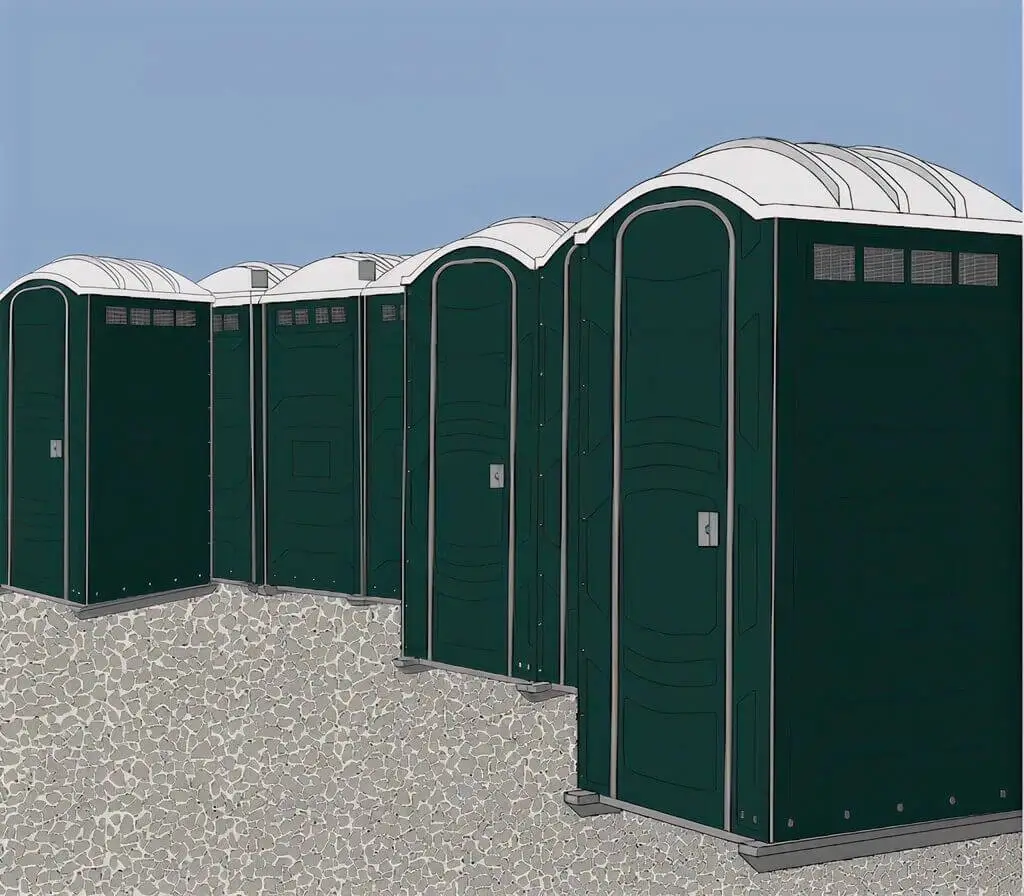
At Prime Dumpster, we provide porta potty rentals across 61 Minnesota cities, from the Twin Cities suburbs to Rochester, St. Cloud, Duluth, and Moorhead. We set up units for construction sites of every size, for lake weekends, weddings, county fairs, and other events, and for emergency needs when a storm or flood knocks out plumbing. Tell us what you're planning, and we'll suggest the units and service plan that fit.
What you pay comes down to a short list of details. How many units you order, which type they are, how long they stay, and how often our crew cleans them all shape the quote. The trip to your site and how close our truck can park matter too.
In the sections below, you'll see average prices, a quick way to size your order, when a Minnesota permit comes into play, and how the state handles food stands and portable toilet waste.
61
cities served in
10–40
yard containers available
3 days
standard rental period
The prices below reflect average ranges per unit. Your account manager will confirm the rental period, service schedule, and delivery details during your free, custom quote.
| Unit Type | Average Price Range | Best For |
|---|---|---|
| Standard Porta Potty | $199–$349 | Construction sites, small events, backyard projects |
| ADA-Compliant Porta Potty | $200–$300 | Public events and job sites that need an accessible unit |
| Deluxe Flushing Porta Potty | $300–$400 | Weddings, parties, and guest-facing events |
| Deluxe Porta Potty with Sink | $300–$400 | Events where guests need a sink inside the unit |
| Solar Porta Potty | $500–$600 | Remote sites and off-grid events |
| Handwashing Station | $150–$250 | Food areas, job sites, and events |
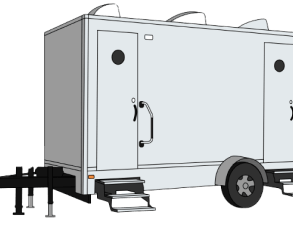
| Restroom Trailer | From $1,500 | Weddings, corporate events, and long-term sites |
Every rental includes drop-off, cleaning visits while the units are in use, and pickup at the end. From there, a few choices move the total. - Rental length: Most event rentals are billed as a three-day weekend, so a Saturday party and a Friday to Sunday festival often cost about the same. Construction rentals run on 28-day cycles and renew each month the job stays open. - Number of units: Each extra unit adds to the total. Ordering the right count up front keeps guests out of long lines and keeps you from paying for units nobody uses. - Service visits: On each visit, our crew pumps the tank, cleans the inside, and restocks paper and hand sanitizer. A crowded event or a big crew may call for more visits than the standard plan. - Delivery distance and site access: A unit set on a flat driveway near the road is fast to drop off and fast to clean. A cabin lot at the end of a narrow gravel road, or a spot behind a locked gate, takes longer. - Unit type and add-ons: Deluxe flushing units, units with a sink, solar units, and restroom trailers cost more than a standard unit. Handwashing stations are priced on their own.
Minnesota adds a couple of points of its own: - Food stands change the plan: A food stand at a Minnesota event needs handwashing with running water, soap, and paper towels, according to the Minnesota Department of Health. If your event has food vendors, a few handwashing stations near the food area are worth adding to your order. - Distance to a treatment plant: Each service visit ends with a trip to a wastewater plant that agrees to take the waste. A northern job site or a lake property far from a town with a plant can cost more to service than a suburban site.
Your Prime Dumpster account manager can go through these points with you and shape a quote around your dates, your crowd, and your location.
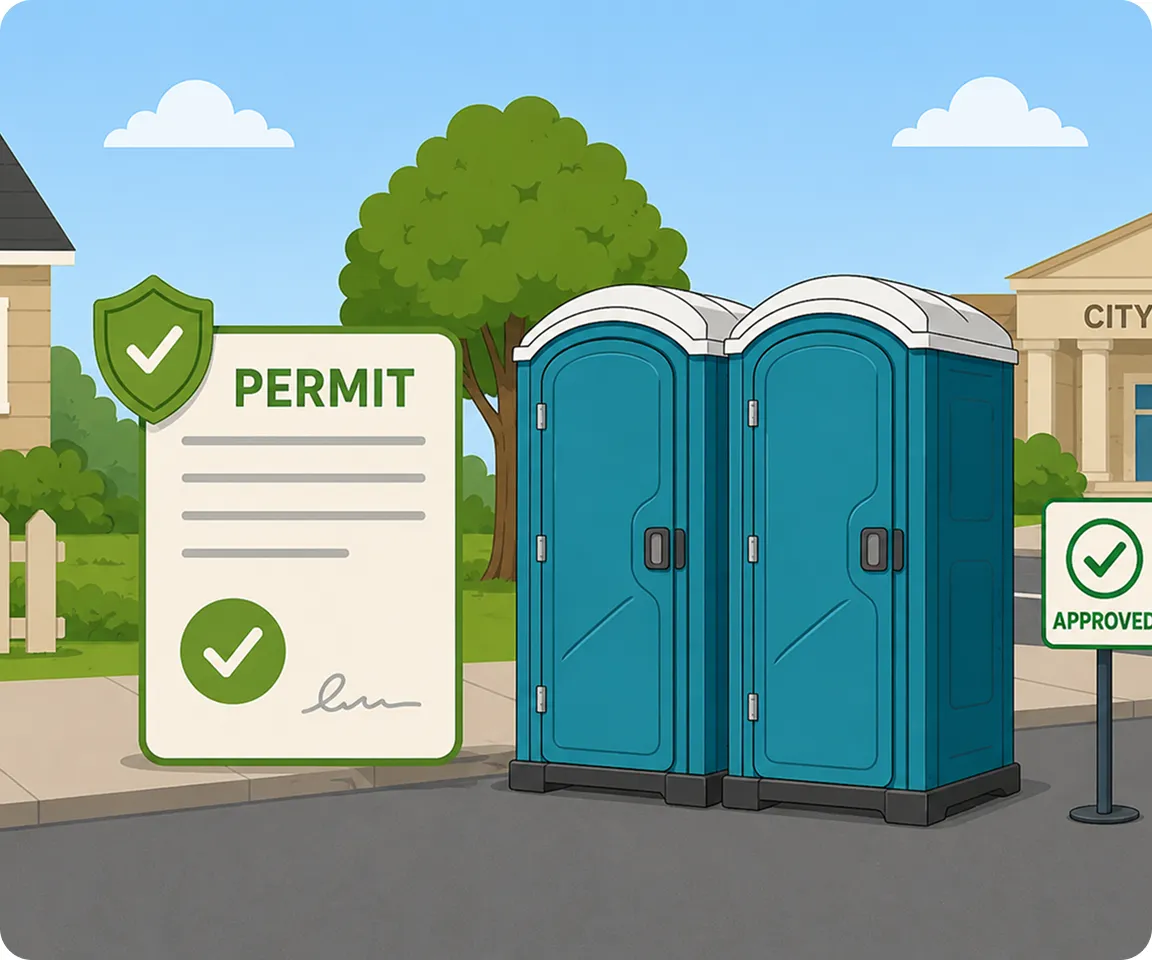
If the unit stays on private land, such as your yard, a farm field, or a fenced job site, you usually won't need a permit. Public land is a different story. A unit on a street, a sidewalk, a boulevard, or in a park needs the go-ahead from whoever owns and maintains that space.
Minnesota has no single permit for portable toilets. The office you work with depends on the road or property:
A city street can end right where a state highway begins, so the exact spot decides which office you call. Your account manager can help you track down the right contact before you lock in a delivery date.
Start with how many people will be there and how long they'll stay. These numbers work well as a first estimate: - Events: Figure 1 unit for every 50 guests at an event lasting around four hours. Serving beer or wine? Bump the count up by 15 to 20 percent. - Construction sites: Federal worker-safety rules require at least 1 toilet when a crew has 20 or fewer workers. Past 20 workers, plan 1 toilet and 1 urinal for every 40. - Accessible units: For a public event, include at least 1 accessible unit, and plan about 1 in every 20 units after that. - Emergencies: For storm cleanup or flood work, plan 1 unit for every 10 relief workers.
A long day, a hot July afternoon, or a crowd that's eating and drinking will fill tanks sooner. Try our porta potty calculator for a quick number, then send it to your account manager to double-check.
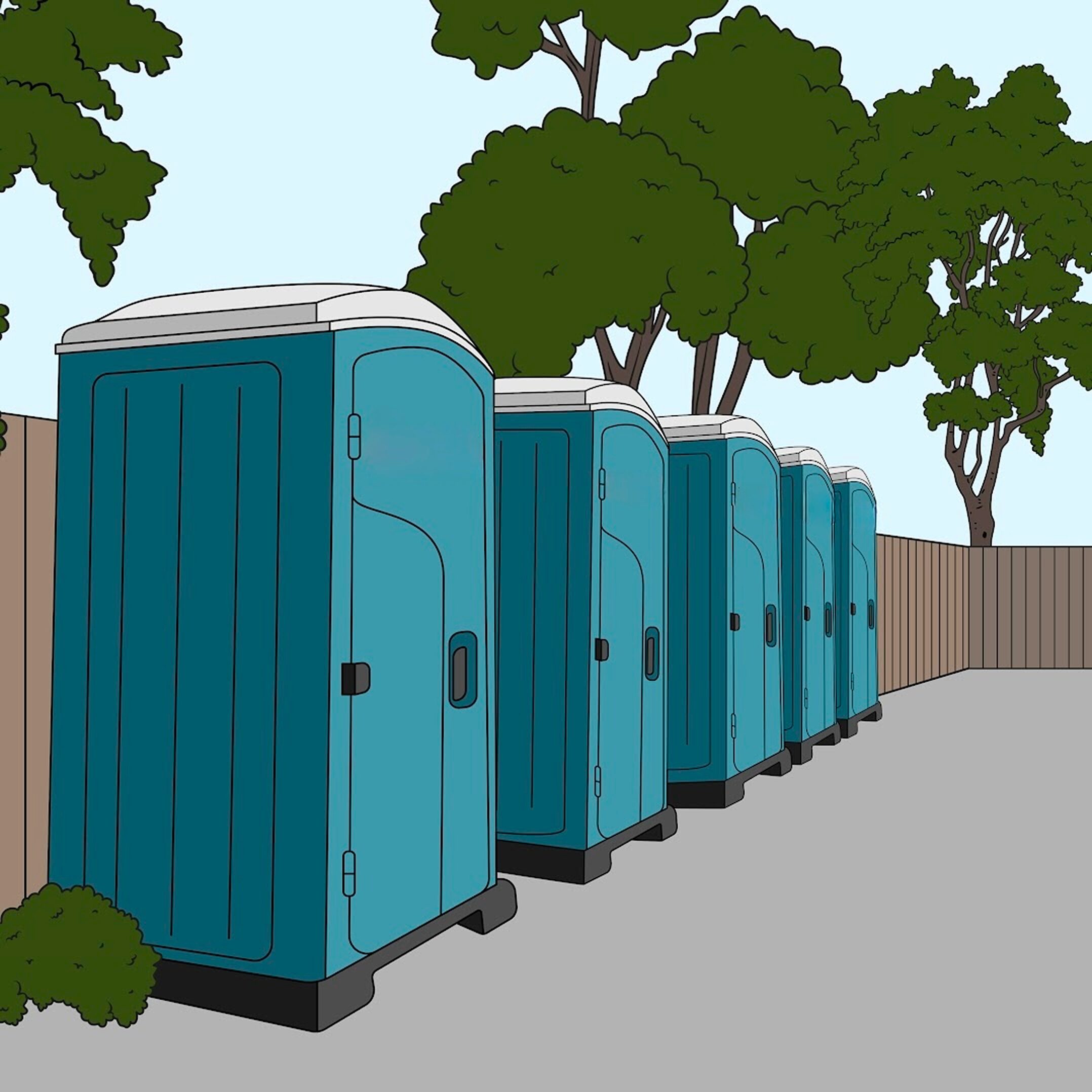
The rules that matter most for a Minnesota rental cover who can use the units, how food stands keep clean, and where the waste ends up. - Accessible units: Federal accessibility rules apply in every Minnesota city. When portable toilets are grouped at one spot for public use, the ADA standards call for 5 percent of them to be accessible, with at least one in each group. Units set out only for a construction crew don't have to meet that rule, but units the public uses do. - Food stands and handwashing: A special event food stand in Minnesota may be licensed by the Department of Agriculture, the Department of Health, or a local health office. The menu and the location decide which one. The Department of Health's guide says food workers need to wash up after using the toilet, at a sink with running water, soap, and paper towels. It also says wastewater can't be dumped on the ground or into a storm sewer. - Where the waste goes: Minnesota's septic rules count the contents of a portable toilet as septage. The Minnesota Pollution Control Agency licenses the businesses that pump and haul it. Haulers may take septage to a permitted wastewater treatment plant, but only when that plant agrees to accept it. - Job sites: Federal rules require toilets on construction sites and tie the minimum count to crew size. Set units close to where people work, so no one has to walk across the site.
If your plans include a public event, food vendors, or a job that runs through the winter, your Prime Dumpster account manager can check what applies and plan your units to match.
61
locations served across

On average, a standard porta potty runs $199–$349 per unit and an ADA-compliant unit runs $200–$300. Deluxe flushing units and units with a sink average $300–$400, and restroom trailers start at $1,500. Your unit count, rental length, and service plan set the final number, and your account manager confirms it in a free quote.
A good starting point is 1 unit per 50 guests for an event of about four hours. Add 15 to 20 percent if alcohol is served, and add more for all-day events or hot weather. Public events should include at least one accessible unit. Our calculator gives a fast estimate your account manager can check.
Usually not on private property. A unit on a state highway right-of-way needs a MnDOT permit, and one on a city or county street, sidewalk, or park needs local approval. Festivals and street events often need a city event permit as well. Your account manager can point you to the right office.
The standard plan includes one service visit each week. During a visit, the crew pumps the tank, cleans the unit, and restocks paper and sanitizer. Large crowds, big crews, and summer heat can call for extra visits. Your account manager builds a schedule around how hard your units will be used.
You do if the public will use your units. Federal accessibility standards call for about 5 percent of the units in each group to be accessible, and at least one per group. Units used only by construction workers are exempt, though many contractors add one anyway. Your account manager can help you choose.
For a job site, a few days of notice usually works, and delivery often comes within 24 to 48 hours. Summer weekends near the lakes fill up fast, so book several weeks ahead for weddings and festivals. Leave extra time if you need a city event permit or food stand licenses.
Pair your Porta Potty rental with other services in your area
Give us a call today so we can help you find the right waste & sanitation solution for your project!