Mon - Sat 7:00 am to 7:00 pm


Mon - Sat 7:00 am to 7:00 pm

Portland’s dense urban neighborhoods, historic districts and construction activity create diverse waste management challenges. Plus, those challenges are often exasperated by the Willamette Valley’s rainy winters, bridge-dependent delivery routes, and tight residential streets.
At Prime Dumpster, we’re experts in facilitating dumpster rentals in Portland Oregon for construction, commercial and industrial locations, and public events of all types.
Our comprehensive guide reveals proven strategies for securing cost-effective dumpster rentals in the Rose City while choosing optimal container sizes, navigating local regulations and permit requirements, and managing waste efficiently across the city’s diverse districts.
Before you dive into choosing a waste solution, let’s explore the fundamentals of roll-off dumpsters in the 97206 area. These containers get their name from how they’re delivered – they literally roll off the truck onto your property.
You’ll find five standard sizes measured in cubic yards. This refers to volume capacity, not weight limits. Think of it this way:
Compact trucks deliver these containers, fitting into tight urban spaces and narrow driveways.
Most dumpster rental services accept a wide range of materials. You can typically toss:
Household junk like furniture, mattresses, and appliances. Construction debris including wood, drywall, and roofing materials. Yard waste such as branches and stumps.
Local providers also handle specialized cleanouts for foreclosures and estates. This comprehensive service makes waste removal straightforward.
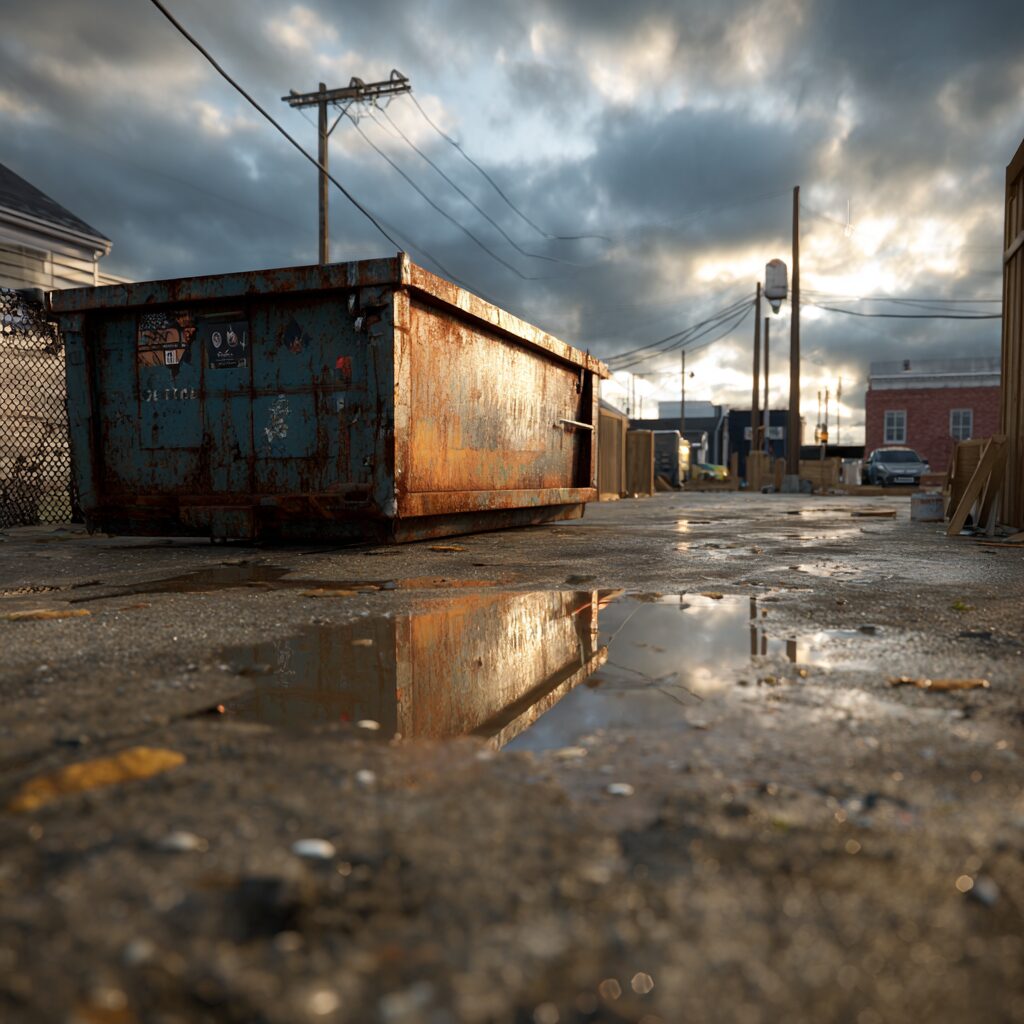
Choosing the right container size can make or break your project’s efficiency and budget. We’ll help you match your specific needs to the perfect container.
Estimate your needs by considering square footage and room count. Think about material types too.
Avoid the common mistake of renting too small. Overflowing containers bring extra fees. Too large means wasted money.
When uncertain, call your provider. Experienced teams can recommend the perfect size based on your project description.
Ready to get started? Here’s your roadmap for a smooth container rental experience from start to finish. We’ll walk you through each phase so you know exactly what to expect.
The process begins with selecting your container size and choosing the perfect delivery spot. You’ll need about 60 feet of straight-line space and 23 feet of vertical clearance for safe placement.
Before delivery day, clear the area of vehicles and obstacles. Trim any low-hanging branches that might interfere. This preparation prevents trip fees and ensures smooth placement.
| Space Requirement | Measurement | Preparation Tip |
| Straight-line clearance | 60 feet minimum | Measure your driveway or street access |
| Vertical clearance | 23 feet minimum | Check for tree branches or power lines |
| Delivery area | Flat, stable surface | Clear snow, mud, or debris beforehand |
| Access path | Wide enough for truck | Move cars and equipment out of the way |
When filling your container, stay within weight limits and keep debris level with the sidewalls. Schedule pickup through online portals or by phone when your project wraps up.
The standard rental period is typically five days, with extension fees typically occurring beyond that.
Keep the container accessible for pickup. Don’t block it with vehicles and use only approved materials. Estimate debris weight to stay within your allowance and prevent overage charges.
Many providers offer same-day delivery for urgent needs. Online dashboards let you manage everything conveniently. Delivery, pickup, and the rental period are usually included in one upfront rate.
Portland’s unique character brings special considerations for waste management projects. The city’s climate and urban layout require strategic planning for successful container placement.
Portland’s famous rainy winters can impact your project timeline. Wet weather means planning around forecasted downpours and covering materials that shouldn’t get waterlogged.
Summer offers ideal conditions for outdoor work with warm, dry weather. This season lets you work efficiently without weather delays affecting your rental period.
Stay flexible with Portland’s changing weather patterns. Budget for possible rental extensions when storms slow your progress.
Portland’s many bridges affect delivery routes and timing. Rush hour traffic and bridge maintenance can impact when your container arrives.
Historic neighborhoods like Alberta Arts District and Nob Hill present space challenges. Narrow streets and mature trees require careful container placement.
Local providers use compact trucks designed for tight residential streets. These vehicles can navigate challenging driveway configurations throughout the city.
Some historic districts have additional regulations for street placement. Business owners should check permit requirements in advance.
Discuss your specific location challenges with rental providers. They know Portland’s geography and can suggest optimal placement spots.
When tackling major building projects, managing debris becomes as important as the construction itself. These jobs create the most diverse mix of waste materials you’ll encounter.
Your project might generate everything from wood framing and drywall scraps to old fixtures and roofing materials. Proper disposal keeps your site safe and organized.
Most containers accept common construction materials like lumber, drywall, roofing shingles, concrete, and cinderblock. Metal scraps from demolition work are also typically welcome.
Oregon requires project surveys before certain construction dumpster rentals. This unique regulation ensures proper waste handling.
Smart loading makes a big difference. Break down materials to maximize space. Separate heavy items like concrete into dedicated containers when possible.
General contractors should estimate debris volume based on square footage and materials used. Coordinate delivery with your demolition timeline to avoid empty rental days.
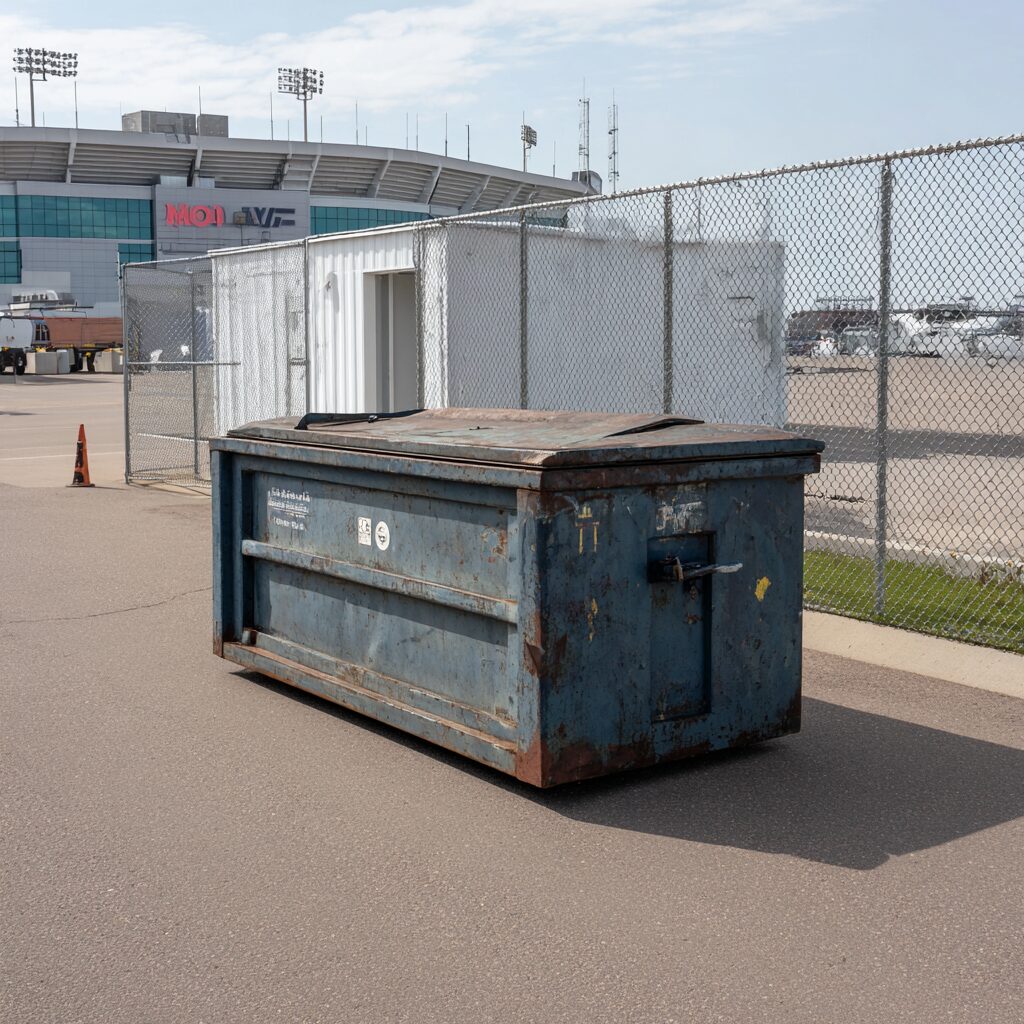
When your business or event generates significant waste, standard solutions often fall short. Commercial operations need reliable waste management that keeps pace with daily operations.
Event planners face the challenge of temporary but massive waste accumulation. Both scenarios demand strategic planning and the right equipment.
Large gatherings create unique disposal challenges. A successful event keeps venues clean while handling unexpected waste volumes.
The 15-yard container emerges as the festival favorite. It offers ample capacity without dominating valuable event space.
| Application | Recommended Size | Special Considerations | Timeline Factor |
| Retail Business Cleanout | 20-30 yard | Ongoing waste flow | Extended rental periods |
| Office Renovation | 15-20 yard | Limited space access | Business hours delivery |
| Music Festival | 15 yard (multiple) | High attendee density | Same-day service available |
| Street Fair | 10-15 yard | Public space regulations | Weekend scheduling |
Environmental responsibility starts with knowing what can and cannot go into your waste container. The city takes waste management seriously to protect local ecosystems.
Some items require special handling for safe disposal. Never place these dangerous materials in your container:
| Prohibited Material | Reason for Restriction | Proper Disposal Method |
| Chemicals & Paints | Toxic to soil and water | Portland hazardous waste facilities |
| Batteries | Heavy metal contamination | Special recycling programs |
| Motor Oil | Water pollution risk | Auto parts stores or recycling centers |
| Asbestos Materials | Health hazard during disposal | Licensed abatement contractors |
| Electronics | Contains hazardous components | E-waste collection events |
Mixing hazardous junk with regular debris creates environmental risks. It can also lead to rejection of your entire load.
Proper waste sorting is essential not only on construction sites, but also during natural disaster clean-up, when mixed debris is often commonly found.
The Oregon Department of Environmental Quality sets strict rules for construction waste. Some projects require surveys before container delivery.
Reputable providers help customers understand these requirements. They guide you through proper disposal methods for tricky materials.
Always ask about unusual items before loading. This prevents surprises and potential fines at pickup time.
Successfully managing dumpster rentals in Portland Oregon requires understanding bridge-dependent delivery routes, planning around rainy season weather patterns, and navigating historic district regulations. You need expertise in the city’s unique urban layout.
Prime Dumpster combines local Portland experience with reliable service throughout Multnomah County, including Beaverton, Gresham, and surrounding communities. Contact our team to discover how we can streamline your next construction project or event while keeping costs predictable.
If you are looking for PD Quick Guide: How Oregon Weather Affects Rented Dumpster Use, Click Here


