Mon - Sat 7:00 am to 7:00 pm

REQUEST A QUOTE
UNLOCK THE BEST DEALS FOR YOUR DUMPSTER AND PORTA POTTY RENTAL NEEDS!

Mon - Sat 7:00 am to 7:00 pm
Home Areas We Service Delaware
Areas We Service
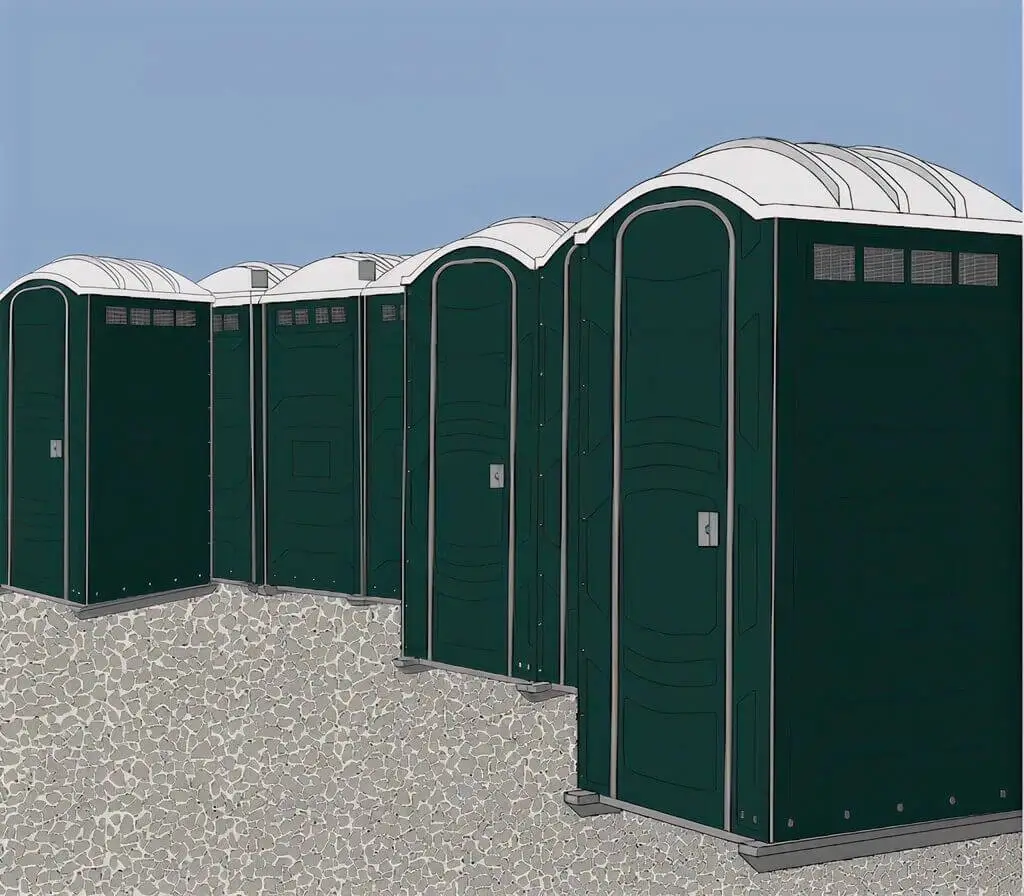
At Prime Dumpster, we provide porta potty rentals across 4 Delaware cities, from Wilmington and Newark down to Middletown and Dover. We deliver units for construction sites and renovations, for weddings, festivals, and backyard events, and for emergency needs like a coastal storm or a sewer backup. Give us a quick rundown of your plans, and we'll recommend the units and cleaning schedule that fit.
What you pay comes down to a few decisions. The number of units, the style, the rental length, and how often they're cleaned are the big ones. Your location and how easily a truck can reach the spot matter as well.
Coming up are average prices, a quick way to size your order, when Delaware needs a permit, and the state rules for food vendors and waste.
4
cities served in
10–40
yard containers available
3 days
standard rental period
The prices below reflect average ranges per unit. Your account manager will confirm the rental period, service schedule, and delivery details during your free, custom quote.
| Unit Type | Average Price Range | Best For |
|---|---|---|
| Standard Porta Potty | $199–$349 | Construction sites, small events, backyard projects |
| ADA-Compliant Porta Potty | $200–$300 | Public events and job sites that need an accessible unit |
| Deluxe Flushing Porta Potty | $300–$400 | Weddings, parties, and guest-facing events |
| Deluxe Porta Potty with Sink | $300–$400 | Events where guests need a sink inside the unit |
| Solar Porta Potty | $500–$600 | Remote sites and off-grid events |
| Handwashing Station | $150–$250 | Food areas, job sites, and events |
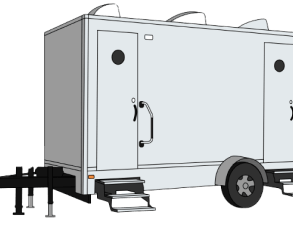
| Restroom Trailer | From $1,500 | Weddings, corporate events, and long-term sites |
A rental covers three jobs: bringing the units out, cleaning them on schedule, and taking them back. These details decide where your price lands. - How long you need them: For events, we usually quote a weekend, so a one-day party often costs about what a three-day festival does. For builders, rentals run in four-week blocks. - How many units: Each one raises the total. A good count avoids paying for extra units and keeps lines short. - How often we clean: Each service stop includes pumping the tank, scrubbing the inside, and restocking paper and sanitizer. Big crowds and big crews need more stops, and each stop adds cost. - How easy the site is to reach: Firm, level ground near a driveway keeps things simple. A soft field, a beach access road, or a spot behind a locked gate takes more time. - What kind of unit: Deluxe flushing units, sink units, solar units, and restroom trailers cost more than a standard unit. Handwashing stations are priced separately.
Two Delaware details can shape your plans. First, the state handles most of the roads here, not your town, so a unit near the street often means dealing with the state transportation department. Second, if your event runs on or near a state road, DelDOT wants 90 days' notice, which means your restroom plans should be set early too.
Your account manager can go over your dates, crowd size, and location, then build a quote around them.
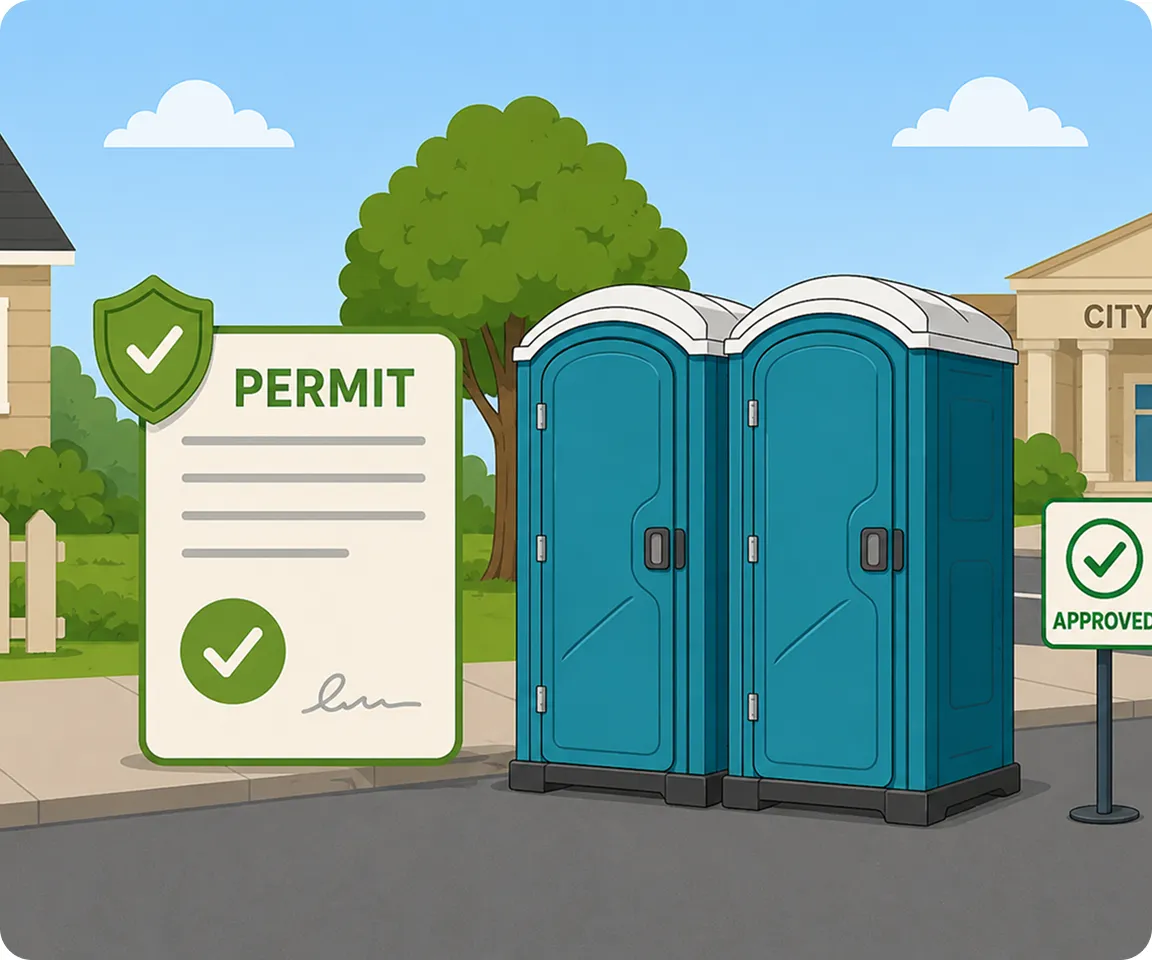
Most units on private property, such as a backyard, a farm, or a fenced job site, don't need a permit. It's different on public land. If a unit sits on a road shoulder, a sidewalk, or in a park, you need approval from whoever maintains that space.
Delaware has no statewide portable toilet permit, but it does have an unusual road setup that decides who you call:
Since a state road and a town street can share the same block, the exact placement matters. Your account manager can help you figure out who controls your spot and when to apply.
The number of people and the length of your event or job drive the count. Use these as a baseline: - Events: Plan on 1 unit for every 50 guests at a four-hour event. When you're serving alcohol, go 15 to 20 percent higher. - Construction sites: Federal worksite rules call for at least 1 toilet when 20 or fewer people are on the crew. Larger crews need 1 toilet and 1 urinal for every 40 workers. - Accessible units: Plan at least 1 accessible unit for any public event, and around 1 of every 20 units for larger setups. - Emergencies: Plan on 1 unit for every 10 relief workers after a storm or flood.
Longer hours, humid summer days, and food service fill tanks faster. The Prime Dumpster porta potty calculator can give you a quick estimate, and your account manager will review it with you.
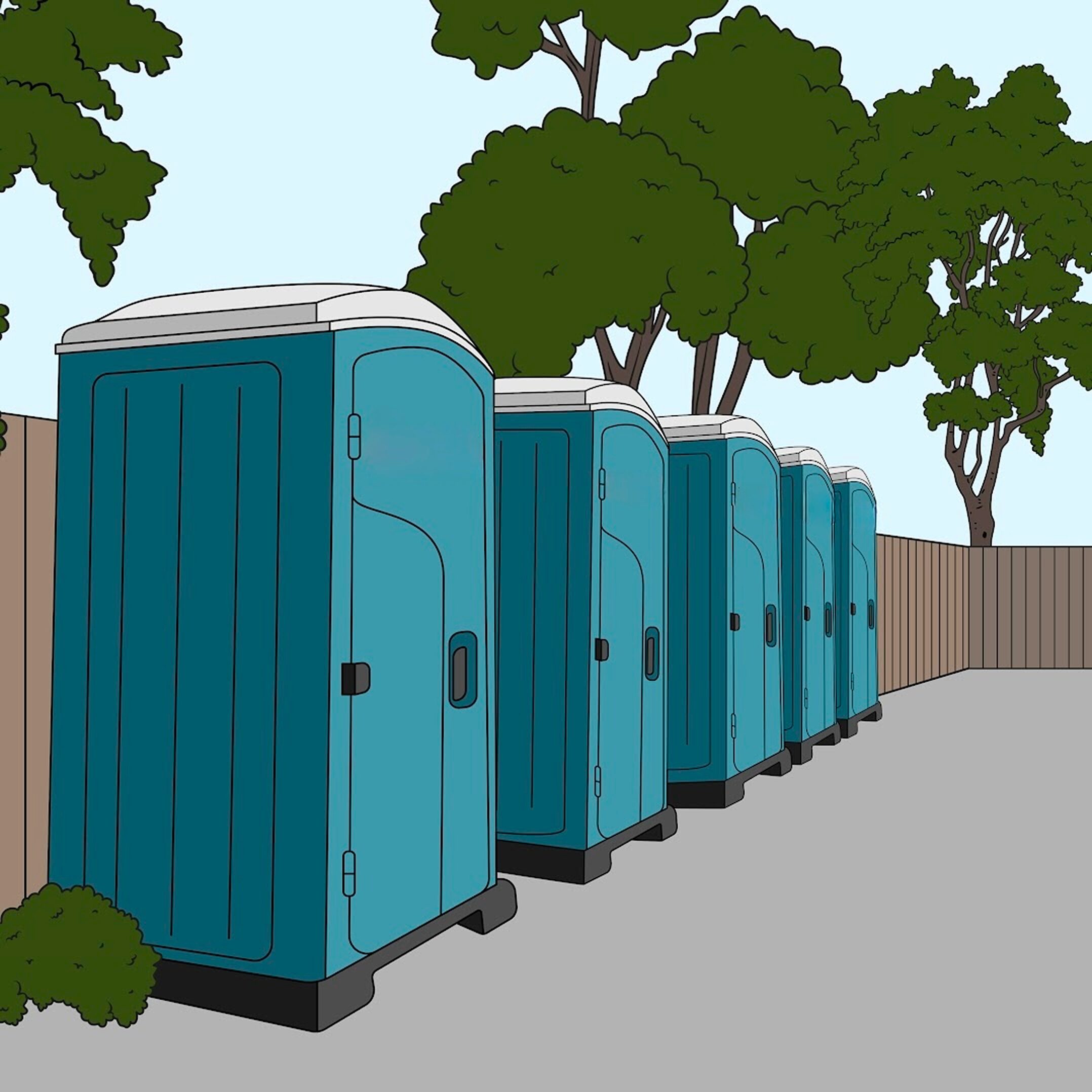
Three areas of rules cover most Delaware rentals: accessible units, food stands, and waste hauling. - Accessible units: Federal accessibility standards require that 5 percent of each cluster of portable toilets offered to the public be accessible. Each accessible unit carries the wheelchair symbol. Units set aside for a construction crew are exempt, but units open to guests are not. - Food at fairs and festivals: The Delaware Division of Public Health's Office of Food Protection permits temporary food stands. Vendors must apply at least 10 days before the event. The state's rules say restrooms for food workers must be close by and easy to reach. Each stand also needs its own handwashing setup with warm water, a basin to catch the runoff, soap, and paper towels. If you're hosting vendors, placing units and a handwashing station near the food area helps them meet those rules. - Waste hauling: In Delaware, the Department of Natural Resources and Environmental Control, known as DNREC, licenses liquid waste haulers. Its Class F license covers pumping, hauling, and disposing of what's inside portable toilets. DNREC also issues permits for the hauling trucks, and those permits name the wastewater treatment plant, such as a county facility, where the waste is unloaded. - Job sites: Federal worker-safety rules require restrooms on every construction site, with the minimum based on crew size. Keep units close to the work area.
For a public event, a festival with food, or a long construction job, your Prime Dumpster account manager can confirm which rules apply and plan your setup to meet them.
4
locations served across

A standard porta potty averages $199–$349 per unit, and an ADA-compliant unit averages $200–$300. Deluxe flushing and sink units run $300–$400, and restroom trailers start at $1,500. Your final cost depends on the number of units, the rental length, and how often they're serviced. Your account manager can give you a free quote.
For an event of about four hours, plan 1 unit per 50 guests. Add 15 to 20 percent if drinks are flowing. Longer events and hot, humid days may need more units or a cleaning during the event. Public events should also include at least one accessible unit.
Usually not on private property. DelDOT maintains most Delaware roads, so check with DelDOT before placing a unit in its right-of-way, and events on state roads need a DelDOT Special Event Permit. Town streets and parks fall under local rules. Your account manager can help you find the right contact.
Standard rentals come with one cleaning each week. The crew pumps the tank, cleans the unit, and refills paper and sanitizer. Heavy use, large crews, and summer heat may mean more visits. Your account manager will set a cleaning plan that fits how many people use the units.
For any event open to the public, yes. Federal standards call for about 5 percent of each group of portable toilets to be accessible, with at least one in every group. Units used only by construction crews are exempt. Your account manager can help you decide how many accessible units to add.
For most job sites and small parties, a few days' notice works, and we can often deliver within 24 to 48 hours. Book several weeks ahead for summer weddings and festivals. If your event touches a state road, DelDOT asks for 90 days' notice, so plan your restrooms at the same time.
Pair your Porta Potty rental with other services in your area
Give us a call today so we can help you find the right waste & sanitation solution for your project!