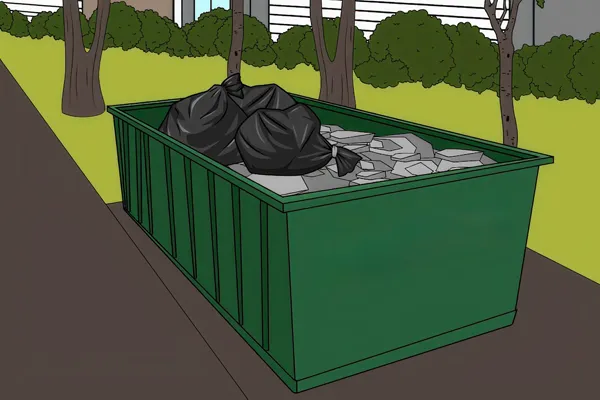
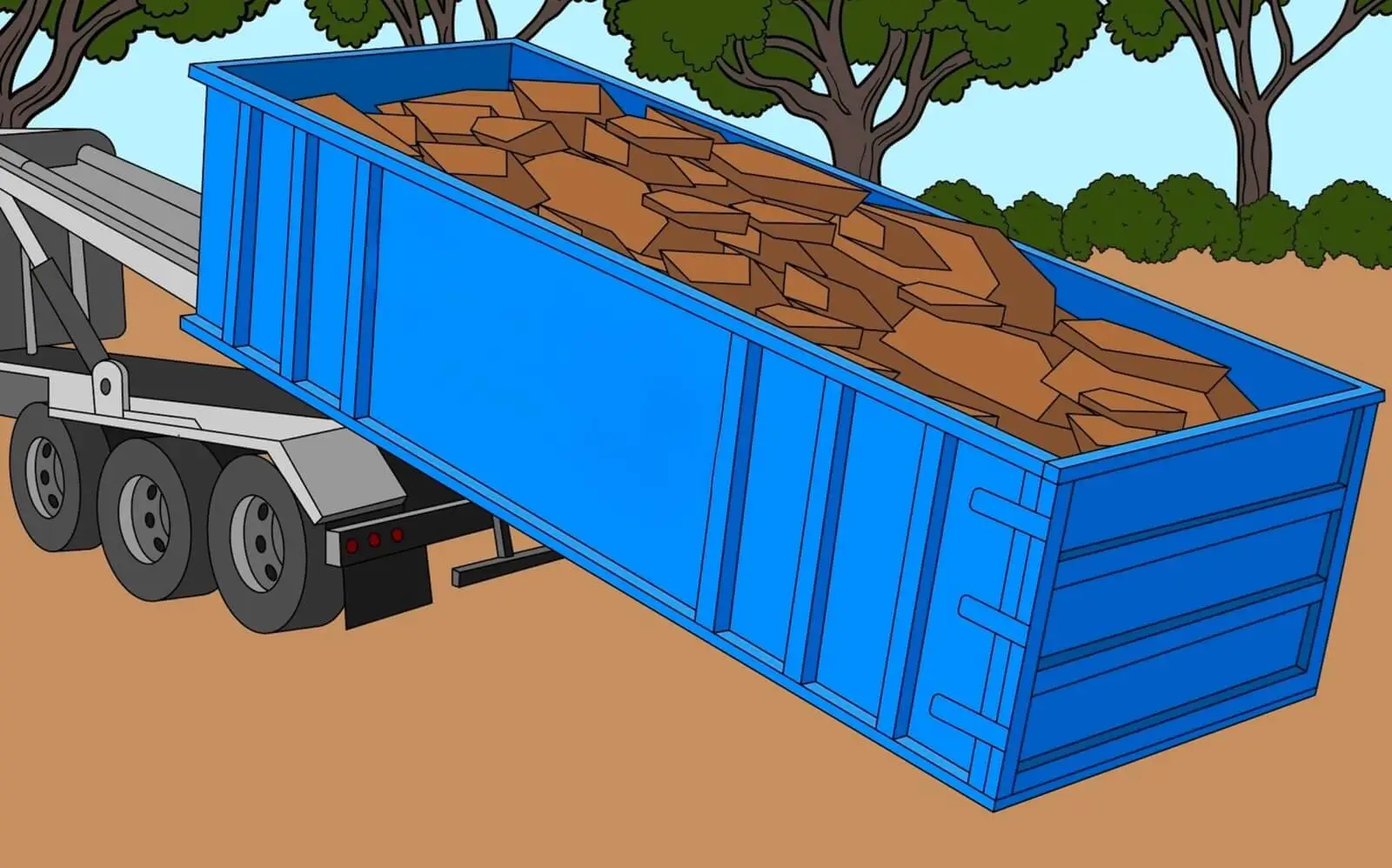
Everyday remodel and cleanout debris is welcome. The exclusions come from the regional transfer station that receives the load, and its list has a few entries you won't see elsewhere.
The regional government will not take vehicles or auto bodies, asbestos-containing material, burned material or wildfire ash, flat and built-up roofing, loads of liquids, petroleum-contaminated soil, radioactive metals, or electric vehicle batteries. Flat roofing is the one that catches contractors off guard, so check the roof type before you book.
Hazardous material goes to the co-located household hazardous waste facility instead, which keeps its own hours. Households can drop off motor oil, paint, and similar material free, up to 35 gallons by container size. Businesses have to apply, make an appointment, and pay.
Electronics have their own path as well, with a limit of seven items per person per day, and passenger tires are capped at 15 per customer per day.
When something falls in a gray area, ask your account manager rather than finding out at the gate.